Photos from current listings. Actual item, color, and included accessories may vary.
Almond Milk Buying Guide
Almond milk spans refrigerated cartons, shelf-stable aseptic boxes, and barista formulations, with the core trade-off being water content and additives versus creaminess and foam stability. The decision rule: choose unsweetened refrigerated cartons for clean daily drinking, and barista-series shelf-stable cartons when steam-frothing or coffee texture matters, since standard almond milk breaks under heat.


At a glance
- Category
- Dairy, Beverages & Breakfast
- Data updated
- Nov 18, 2026
Current offers
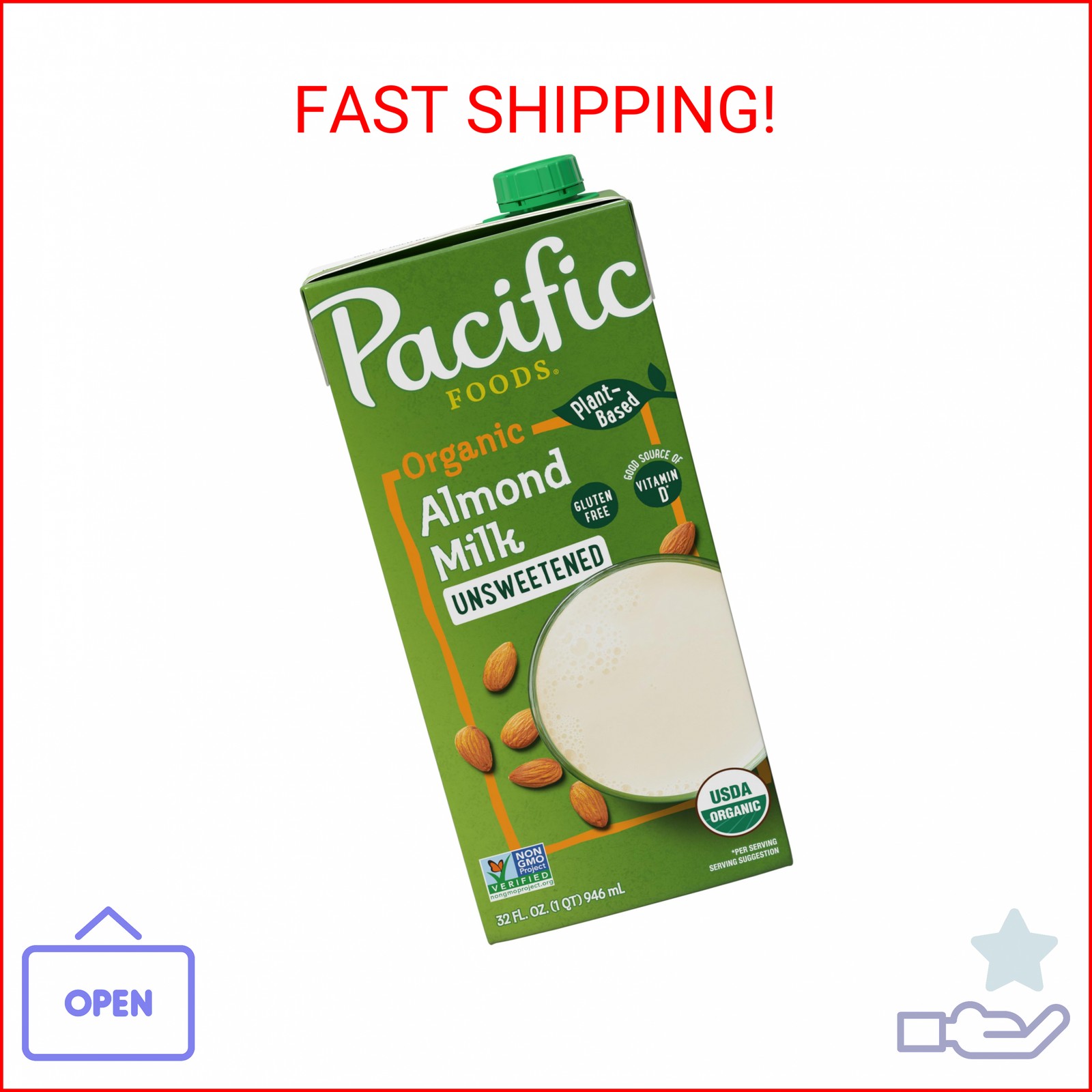 Pacific Foods Organic Unsweetened Almond Milk, Plant Based Milk, 32 oz Carton$7.07
 View on eBay
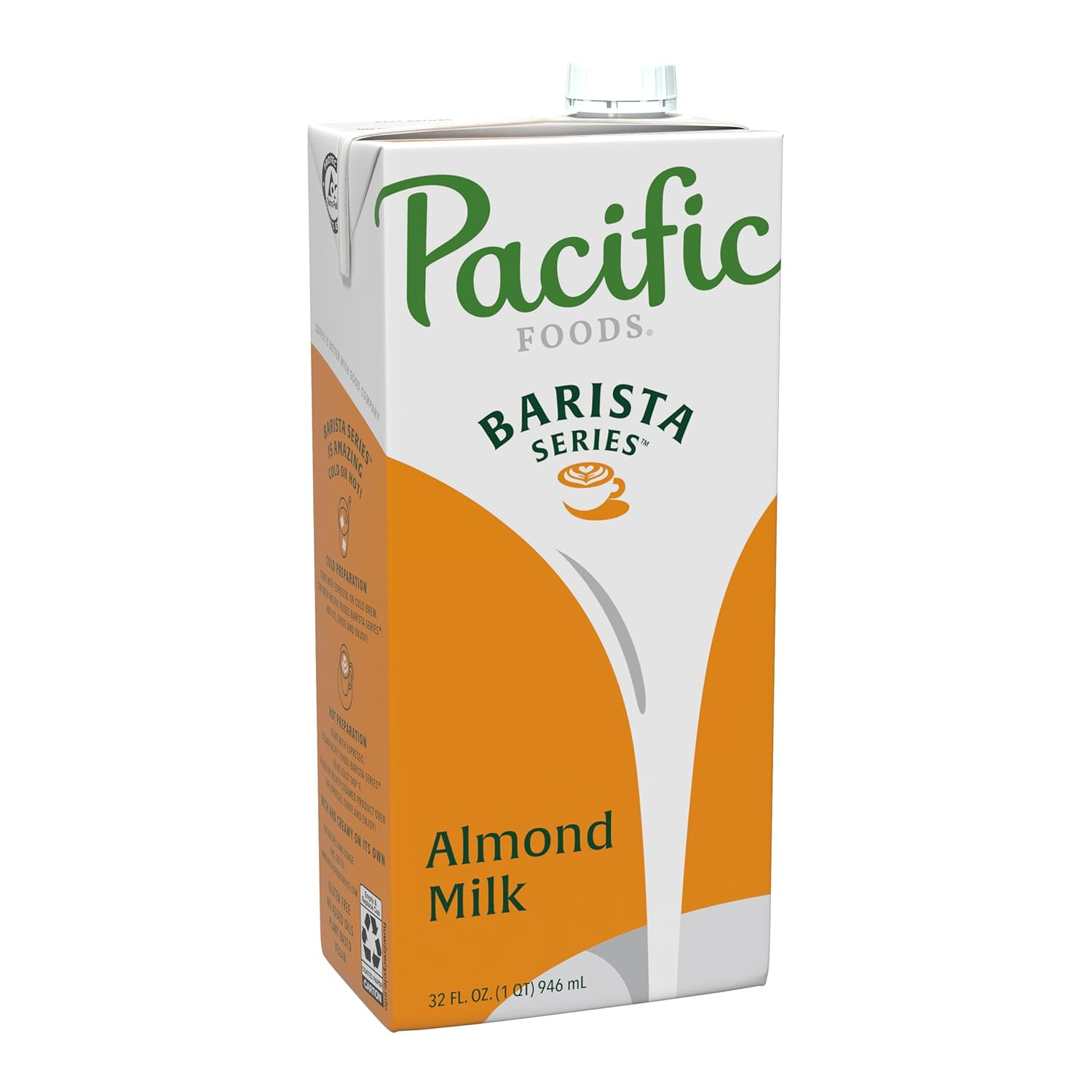 Pacific Foods Barista Series Original Almond Milk, Plant Based Milk, 32 Oz Cart$7.14View on eBay
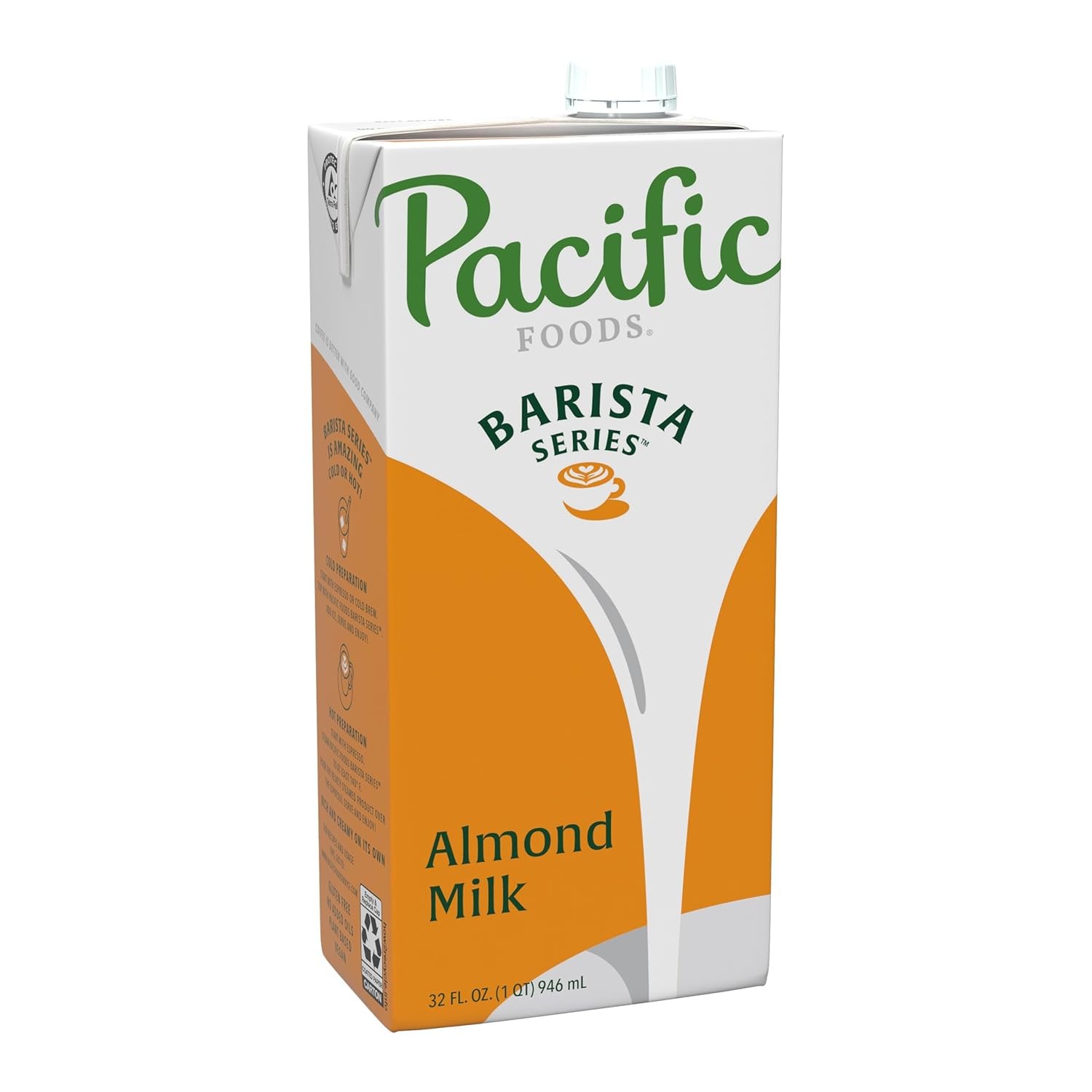 Pacific Foods Barista Series Almond Milk 32 oz Carton Plant Based Non Dairy$7.15View on eBay
- Pacific Foods Barista Series Original Almond Milk, Plant Based Milk, 32 Oz Carto$7.80View on eBay
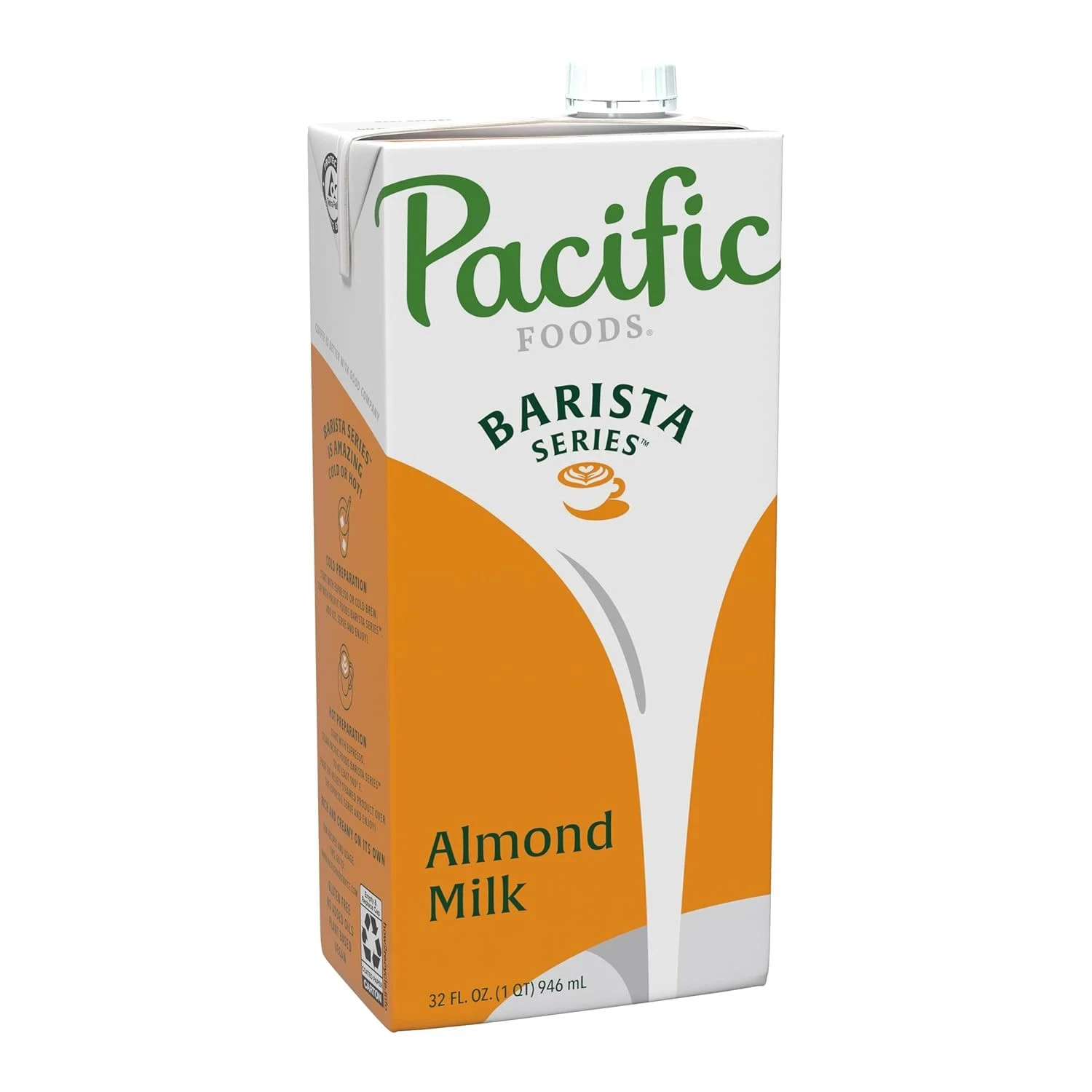 Pacific Foods Barista Series Original Almond Milk, Plant Based Milk, 32 Oz Cart$8.99View on eBay
Highlights
- Barista-series almond milk uses higher fat and added emulsifiers like sunflower lecithin to create microfoam; standard cartons separate and bubble under steam wands.
- Aseptic UHT cartons are shelf-stable for months unopened and only need refrigeration after opening, while refrigerated cartons have a shorter dated life and stricter cold chain.
- Unsweetened varieties typically land at 30-40 calories per cup with zero added sugar; original and vanilla versions add cane sugar or cane syrup at 60-120 calories per cup.
- Carrageenan and gellan gum are added for suspension and mouthfeel; carrageenan-free labels matter to shoppers avoiding that stabilizer, while gellan is common in barista blends.
Best use cases
- Best fit: daily cereal, smoothies, and drinking — pick unsweetened refrigerated 32 fl oz cartons with 2-4 g protein per cup and no added sugar.
- Best fit: espresso, lattes, and steam-frothed drinks — pick barista-series almond milk in 32 oz aseptic cartons, which foam without splitting.
- Wrong fit: high-protein meal replacement — almond milk is 1-2 g protein per cup; choose soy or pea milk instead.
- Wrong fit: cooking sauces needing body — standard almond milk is thin and separates; use oat or canned coconut milk for richness.
Buying tips
- Check the label for 'barista' or 'barista series' — only these are formulated with the fat content and emulsifiers needed for latte art and stable foam.
- Match carton type to storage: aseptic shelf-stable cartons for pantry backup and office use; refrigerated cartons only if you have consistent fridge space.
- Read the ingredient panel for added sugar: unsweetened lists water, almonds, and stabilizers; original/vanilla adds cane sugar or syrup within the first three ingredients.
- Verify almond content or protein per cup: 1 g protein per cup signals a very dilute formula; 2-4 g indicates a thicker, more almond-forward blend.
Specs
| Formulation | Barista vs Standard vs Unsweetened |
|---|---|
| Packaging | Aseptic shelf-stable vs Refrigerated |
| Added Sugar | Unsweetened: 0 g / Original: 5-10 g |
| Protein Per Cup | 1-2 g standard / 2-4 g thick blends |
Related searches
What to check before buying
- Confirm fridge space and turnover: refrigerated cartons need 38-40°F storage and typically last 7-10 days after opening.
- Check whether you need foam: without a steam wand or frother, standard almond milk is fine; with one, buy barista series only.
- Verify container size fits your usage: 32 fl oz is the standard single carton; larger households should size up to multi-packs to avoid spoilage.
- Check allergen and diet labels: almond milk is tree-nut based; certified gluten-free and carrageenan-free callouts matter for sensitive diets.
FAQ
Data sources: eBay / Amazon listings and product attribute feeds Data updated Nov 18, 2026.
Some links on this page are affiliate links. If you buy after clicking one, we may earn a commission at no extra cost to you. This does not change which products appear here or their order. Affiliate disclosure.