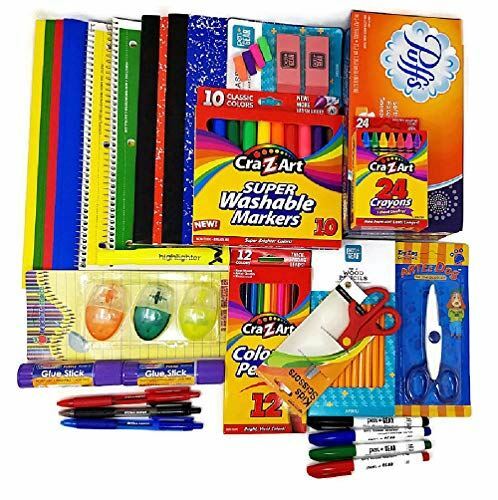

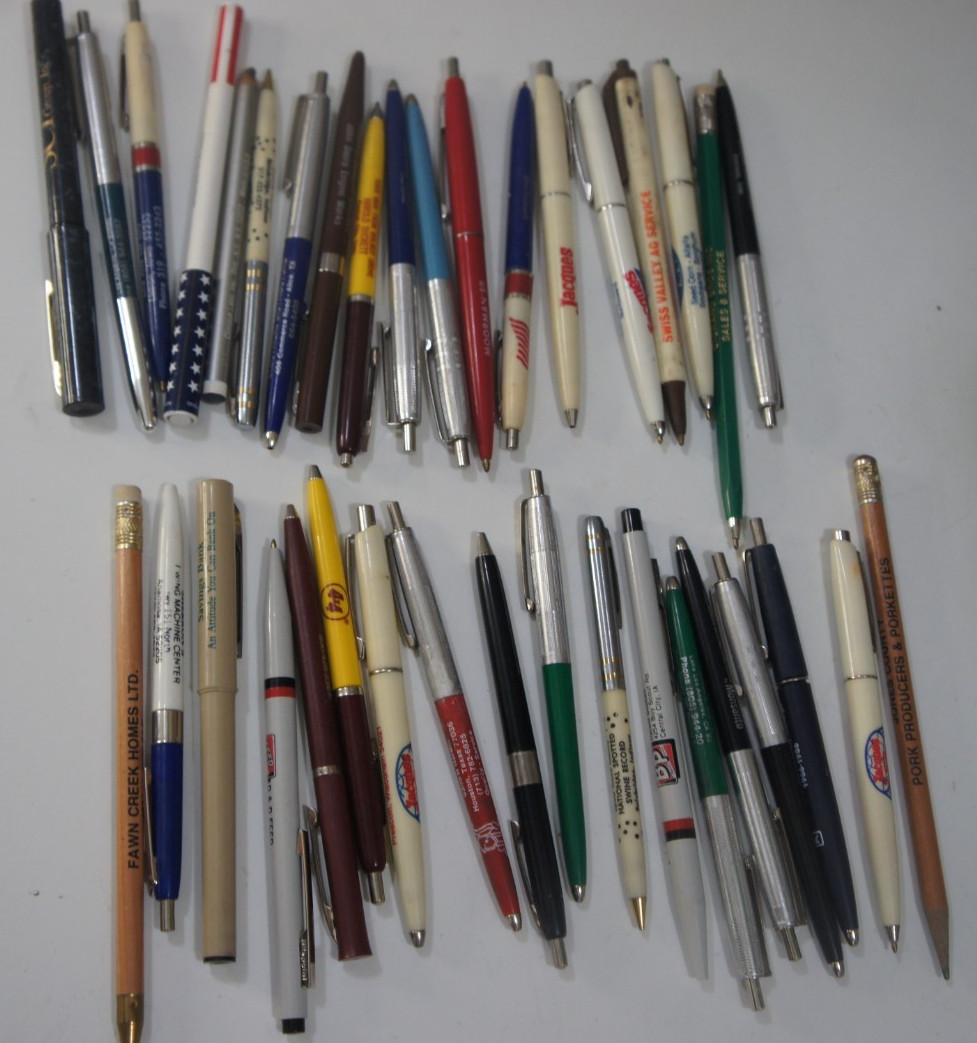
Photos from current listings. Actual item, color, and included accessories may vary.
Ink Pen Buying Guide
Ink pens span disposable ballpoints, gel pens, rollerballs, and refillable fountain pens, where the core trade-off is ink delivery consistency and tip durability versus cost per write. Durable options use metal tips, sealed ink systems, and standardized refills, while compromises rely on porous plastic tips and unsealed dye inks that dry out or blob.
Ink Type:Oil ballpoint / water gel / liquid rollerballTip Size:0.38–1.0 mm (0.7 mm general)Refill Standard:ISO G2 / D1 / proprietary cartridgeTip Material:Tungsten-carbide ball vs porous plastic
Typical price range$9.95 – $29.49


At a glance
- Category
- Stationery, School & Office Consumables
- Data updated
- Nov 18, 2026
Current offers
Highlights
- Tip material separates tiers: tungsten-carbide ball in brass housing resists flattening; porous plastic tips deform and skip after moderate writing pressure.
- Gel and rollerball pens need a cap or retraction seal to prevent solvent evaporation; unsealed gel tips dry out within weeks of first use.
- Standardized refills (ISO 12757-2 G2 for ballpoint, D1 for multi-pens) let you keep a quality barrel and replace only the ink cartridge.
- Fountain pen nib grade (EF/F/M/B) and feed channel width determine line width and flow; steel nibs suit daily writing, gold nibs add flex at higher cost.
Best use cases
- Best fit for students and everyday note-taking: choose a capped gel pen with a 0.5–0.7 mm tungsten-carbide tip and a rubber grip; skip porous-tip fineliners for long writing sessions.
- Best fit for office and forms: pick a retractable ballpoint with ISO G2 refill compatibility and low-viscosity hybrid ink; skip fountain pens on carbon-copy forms where pressure is required.
- Best fit for journaling and signatures: choose a refillable fountain pen with a steel F or M nib and converter; skip disposable rollerballs if you want archival pigment ink and low cost per page.
- Wrong fit to avoid: multicolor children's bundles with unsealed dye inks for exam use—skip them where document permanence and smudge resistance matter.
Buying tips
- Match tip size to handwriting scale: 0.38–0.5 mm for small print and annotations, 0.7 mm for general notes, 1.0 mm for bold signatures and fast writing.
- Check refill standard before buying a barrel: G2 refills fit most retractable ballpoints; D1 refills suit slim multi-pens; proprietary refills lock you into one vendor.
- For gel pens, prefer pigment-based or archival ink labeled water-resistant; dye-based gel inks smear on glossy paper and fade under light.
- Fountain pen buyers should match ink to feed: dry inks (iron gall, pigment) need wetter feeds; avoid shimmer inks in EF nibs and cartridge-only pens without cleaning access.
Specs
| Ink Type | Oil ballpoint / water gel / liquid rollerball |
|---|---|
| Tip Size | 0.38–1.0 mm (0.7 mm general) |
| Refill Standard | ISO G2 / D1 / proprietary cartridge |
| Tip Material | Tungsten-carbide ball vs porous plastic |
Related searches
What to check before buying
- Confirm the pen's refill type and availability locally—G2 and D1 are widely stocked; proprietary cartridges may require mail order.
- For fountain pens, check whether the pen ships with a converter or only cartridges; standard international cartridges fit most European barrels.
- Test grip diameter against hand size: barrels under 10 mm suit small hands; 12–14 mm sections reduce fatigue for long writing.
- Verify ink permanence for the use case: archival/pigment for documents and signatures; washable dye inks for children's use.
FAQ
Data sources: eBay / Amazon listings and product attribute feeds Data updated Nov 18, 2026.
Some links on this page are affiliate links. If you buy after clicking one, we may earn a commission at no extra cost to you. This does not change which products appear here or their order. Affiliate disclosure.