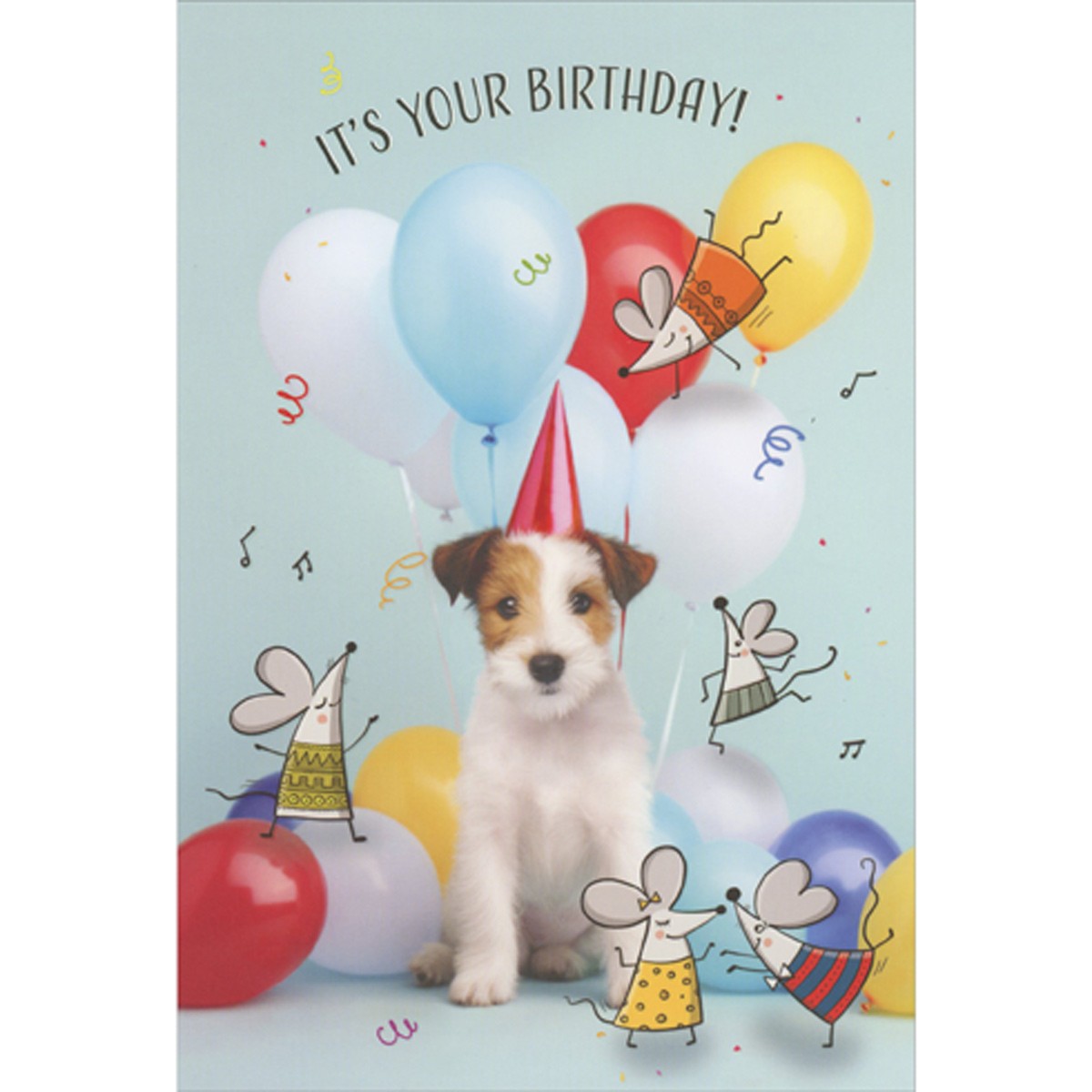

Photos from current listings. Actual item, color, and included accessories may vary.
Funny Card Buying Guide
Funny cards are greeting cards engineered to land a laugh through a balance of joke writing, illustration quality, and physical card stock. The key trade-off is between cheap thin paper with generic one-liners and heavier, well-folded stock with sharp printing and a genuinely funny premise. Choose based on paper weight (GSM), envelope inclusion, and whether the humor is visual or caption-driven, not on the photo alone.


At a glance
- Category
- Stationery, School & Office Consumables
- Data updated
- Nov 18, 2026
Current offers
Highlights
- Card stock grade is the durability differentiator: 250–300 GSM matte or uncoated stock resists show-through and pen bleed; sub-200 GSM feels flimsy in hand.
- Standard folded greeting card size is 5x7 in (A7) with a matching A7 envelope; 4x6 in and 5.5x8.5 in variants need their own envelope sizes and cost more to mail.
- Print method matters: offset or digital press on coated stock gives crisp photographic repro (like pet-photo cards), while home-inkjet blanks smear and fade.
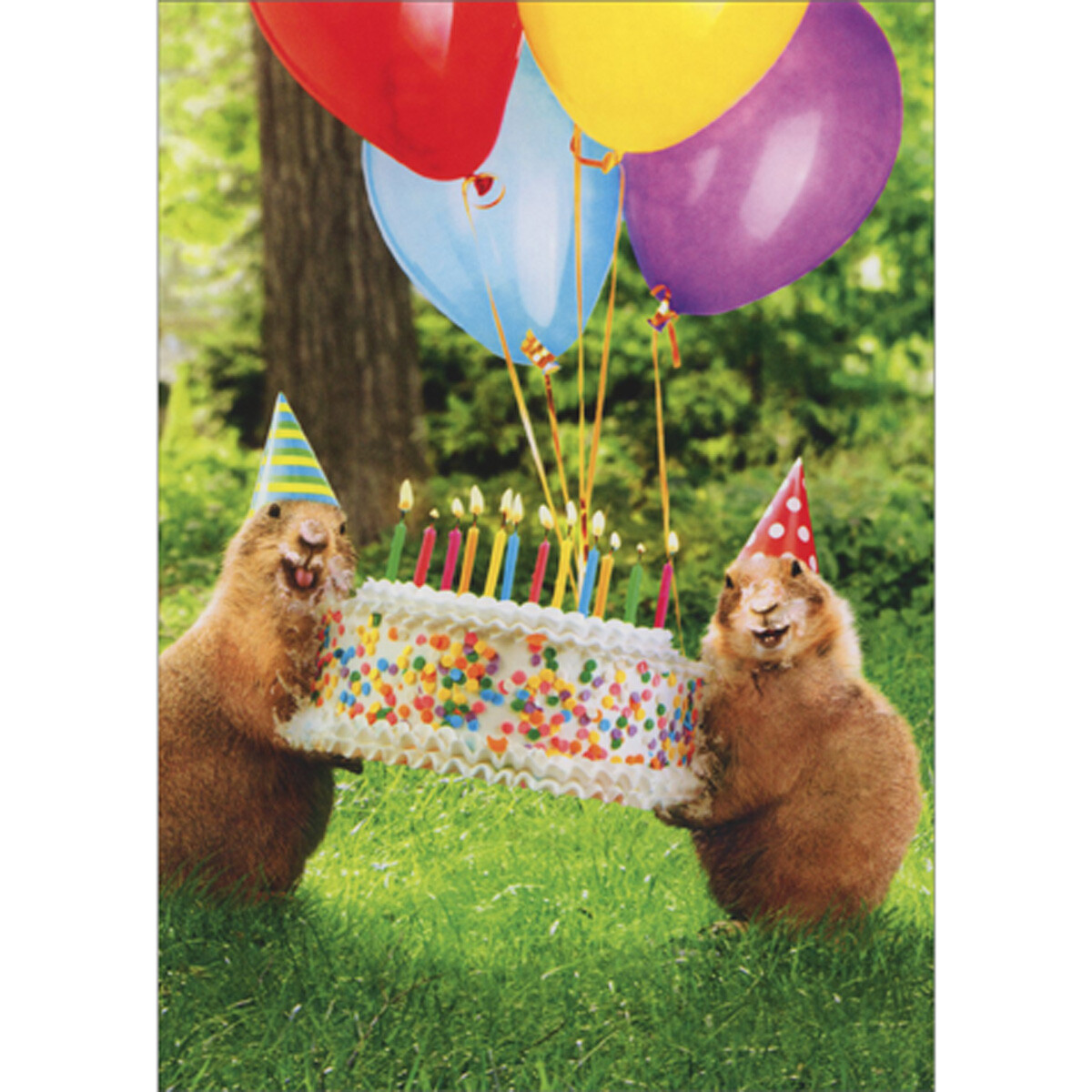
- Humor format splits into visual-gag cards (photo + drawn-on elements, cartoons) and caption cards (one-liner inside); the format should match the recipient's taste.
Best use cases
- Best fit: a friend's birthday where the joke is the gift — pick a 5x7 folded card with 250+ GSM stock and a visual gag (pet photo, cartoon) plus a blank inside for a personal note.
- Best fit: mailing a card cross-country — choose a standard A7 (5x7) card with included envelope; it fits a first-class letter rate without extra postage.
- Wrong fit: expecting a keepsake — thin 150–180 GSM cards crease and yellow; skip single-layer paper cards for framing or long-term display.
- Wrong fit: corporate or formal occasions — funny cards with cartoon mice or photo gags read as informal; choose a caption card with restrained humor instead.
Buying tips
- Match card size to envelope: A7 (5x7 in) cards need A7 envelopes; buying mismatched sizes forces you to buy envelopes separately.
- Pick 250–300 GSM card stock for a premium feel; 300+ GSM can be too stiff for standard folds and may crack at the crease.
- For photo-based funny cards, choose coated or semi-gloss stock — uncoated paper dulls photo contrast and shows fingerprints.
- Check fold type: a scored, centered fold lies flat; cheap cards with off-center or cracked folds look bent in the envelope.
Specs
| Card Size | A7 5x7 in folded / 4x6 / 5.5x8.5 in |
|---|---|
| Stock Weight | 250-300 GSM premium / <200 GSM flimsy |
| Print Surface | Matte uncoated vs gloss photo |
| Inside Format | Blank vs printed message |
Related searches
What to check before buying
- Measure your envelope or plan to buy A7 envelopes if the card is 5x7 in — confirm the card's folded dimensions before ordering.
- Confirm the card is blank inside or has a printed message — many funny cards are blank for a handwritten punchline.
- For mailing, keep the card under 1 oz total with envelope to stay at the standard first-class letter rate; heavier stock can tip it over.
- Check the printing surface: matte for pen writing, gloss for photo-heavy gags; avoid uncoated thin stock if you write with fountain or gel pens.
FAQ
Data sources: eBay / Amazon listings and product attribute feeds Data updated Nov 18, 2026.
Some links on this page are affiliate links. If you buy after clicking one, we may earn a commission at no extra cost to you. This does not change which products appear here or their order. Affiliate disclosure.