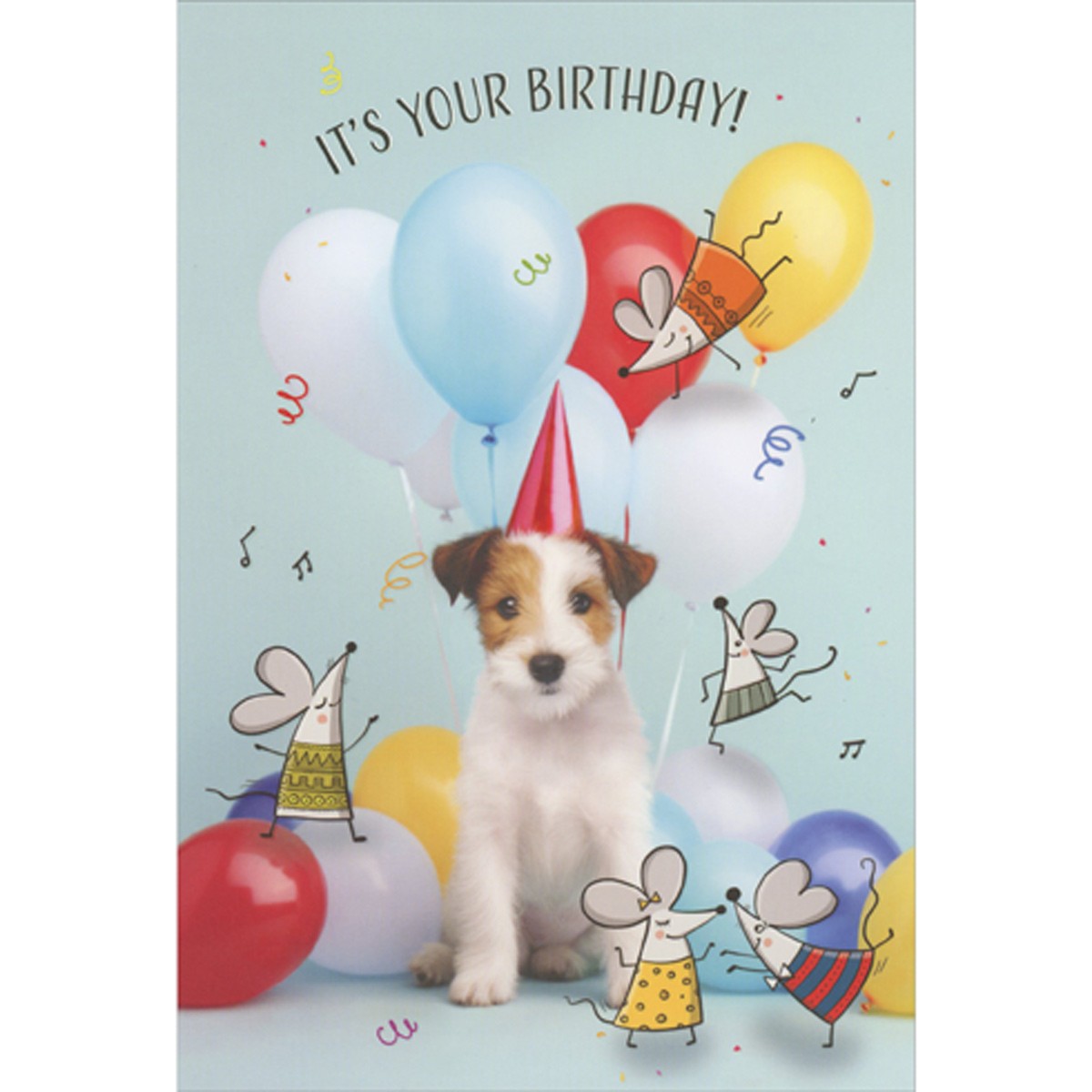

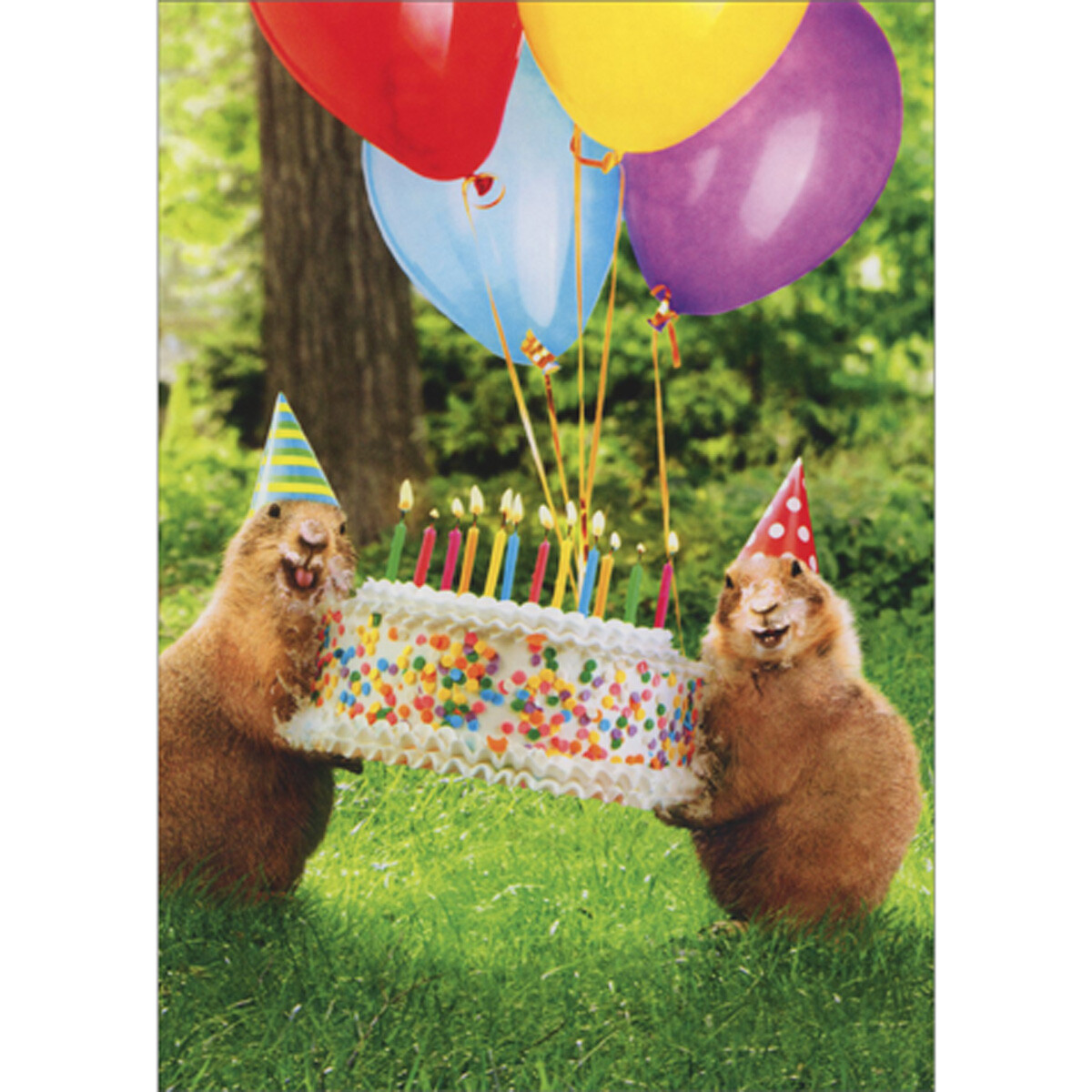
Photos from current listings. Actual item, color, and included accessories may vary.
Funny Birthday Card Buying Guide
Funny birthday cards are printed paper greetings whose humor depends on the joke and whose durability depends on paper stock, print method, and envelope quality. The key trade-off is cheap thin offset stock with flimsy envelopes versus heavier matte or textured cardstock with rigid kraft envelopes that survive mail sorting. Choose based on paper weight (gsm) and envelope construction, not the joke alone.


At a glance
- Category
- Stationery, School & Office Consumables
- Data updated
- Nov 18, 2026
Current offers
Highlights
- Paper weight separates tiers: 250–300 gsm cardstock stays flat and hides show-through, while 150–200 gsm offset stock creases and feels flimsy in hand.
- Print method matters: offset litho gives crisp text and rich solids; digital toner can scuff on glossy stock and looks flat on uncoated paper.
- Standard card sizes are A6 (105×148 mm) and 5×7 in (127×178 mm); both fit USPS first-class and Royal Mail letter rates with a standard envelope.
- Envelope grade determines arrival condition: 100–120 gsm kraft with a gummed or peel-and-seal flap protects edges; thin 80 gsm white envelopes tear in sorting.
Best use cases
- For men: pick a 5×7 in matte card with a bold one-liner and a kraft envelope — dark humor and sarcastic text read best on uncoated stock with no glare.
- For friends: choose an A6 card with a photo or illustrated joke; A6 keeps postage at letter rate and fits a small gift card sleeve.
- For her: select textured or linen-finish 300 gsm stock with foil or embossed accents; avoid thin glossy stock that looks cheap next to a gift.
- Skip oversized 8×10 in novelty cards unless hand-delivering — they require large-letter postage and bend in standard mailboxes.
Buying tips
- Pick 250 gsm or heavier cardstock — below 200 gsm the card bows, shows ink bleed-through, and feels like a flyer.
- Match envelope to card size exactly: A6 cards need C6 envelopes (114×162 mm); 5×7 cards need A7 envelopes (133×184 mm).
- Choose matte or uncoated finishes for handwritten messages; glossy stock smears ballpoint and gel ink.
- For mailed cards, confirm a peel-and-seal or gummed flap — self-seal adhesive strips survive humid mail rooms better than plain gum.
Specs
| Paper Weight | 250–300 gsm cardstock vs 150–200 gsm offset |
|---|---|
| Card Size | A6 (105×148 mm) / 5×7 in (127×178 mm) |
| Envelope Type | C6 / A7 kraft, 100–120 gsm, peel-seal |
| Print Finish | Matte/uncoated vs glossy; offset vs digital |
Related searches
What to check before buying
- Measure your envelope: card plus envelope must stay under 1/4 in (6 mm) thick and 1 oz (28 g) for standard first-class postage.
- Check the recipient's mailbox slot width — cards over 5×7 in may not fit apartment or rural box slots.
- Confirm ink compatibility if handwriting: uncoated or matte stock accepts ballpoint, gel, and fountain pen; glossy stock needs permanent marker.
- For international mail, verify the card and envelope together stay under 20 g for standard airmail letter rates.
FAQ
Data sources: eBay / Amazon listings and product attribute feeds Data updated Nov 18, 2026.
Some links on this page are affiliate links. If you buy after clicking one, we may earn a commission at no extra cost to you. This does not change which products appear here or their order. Affiliate disclosure.