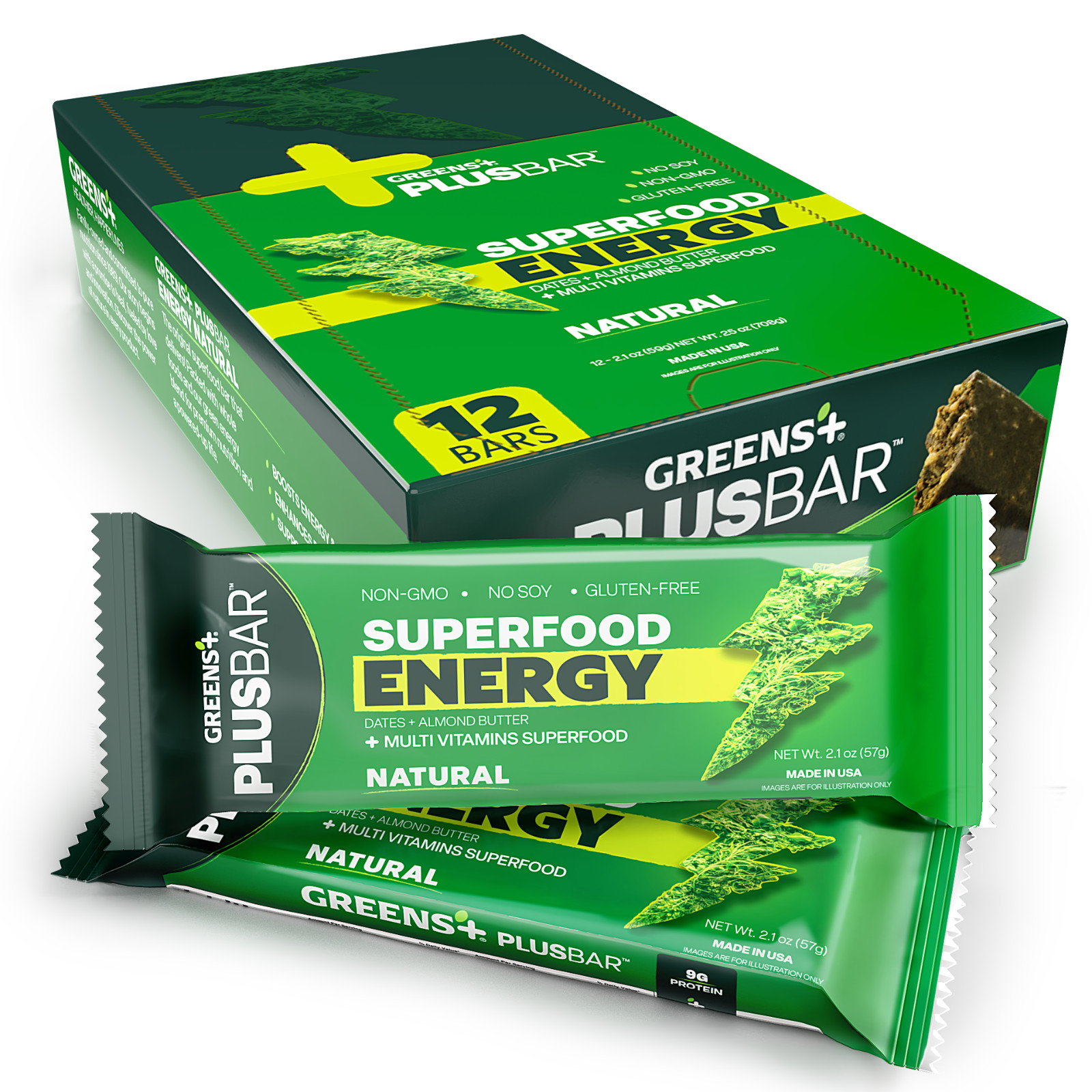

Photos from current listings. Actual item, color, and included accessories may vary.
Vegan Protein Bar Buying Guide
Vegan protein bars are shelf-stable snack bars delivering plant-sourced protein (soy, pea, brown rice, or blends) without animal ingredients, and the core trade-off is protein density versus texture and sweetener load—high-protein bars rely on isolates and sugar alcohols that can be gritty or GI-heavy, while whole-food bars trade protein grams for better texture. The durable decision rule: pick bars with a named protein isolate as the first ingredient and 10–20g protein per bar, and skip anything listing glucose syrup or maltitol as the primary binder.


At a glance
- Category
- Snacks, Tea & Coffee
- Data updated
- Nov 18, 2026
Current offers
Highlights
- Protein source tiers: soy isolate (complete, 80–90% protein) > pea+rice blend (complete via complementary amino acids) > single brown rice (lysine-limited); check for 'isolate' not 'concentrate' at the top of the ingredient list.
- Durability and texture depend on binder chemistry: sugar-alcohol binders (maltitol, sorbitol) stay soft but cause GI distress above ~10g per bar; glycerin and soluble tapioca fiber bind without laxative effect.
- Bar weight drives satiety math: a 60–65g bar at 20g protein is a 30% protein-density product; a 40g bar at 12g protein is 30% too but delivers half the meal-replacement mass.
- Shelf life and heat tolerance: coated bars with chocolate or yogurt-flavored layers soften above ~25°C and should be skipped for car-dash or hot-climate storage; uncoated oat-and-syrup bars hold up better.
Best use cases
- Best-fit for post-workout or meal-skip use: choose a 60–65g bar with 18–22g protein from soy or pea isolate and at least 5g fiber; skip 40g 'snack-size' bars, which are portioned for kids' lunchboxes, not recovery.
- Best-fit for daily snacking or desk drawer: pick a whole-food bar (dates, nuts, oats) with 10–14g protein and no sugar alcohols; skip isolate-heavy bars if you eat more than one per day, since cumulative maltitol load triggers bloating.
- Wrong-fit for hot-climate or gym-bag storage: any chocolate-coated or dipped bar—the coating blooms and sticks; choose uncoated baked or pressed bars instead. Wrong-fit for strict soy-free diets: check for pea-only or rice-only formulas, since 'vegan' does not mean soy-free.
Buying tips
- Read the protein-per-100g figure, not the front-of-pack claim: 30g+ protein per 100g is a genuine high-protein bar; 15–20g per 100g is a snack bar with protein marketing.
- Check the sweetener column: bars listing maltitol or sorbitol first among sweeteners can deliver 8–12g of sugar alcohols—cap intake at one bar per sitting to avoid GI effects.
- Match bar size to use: 55–70g bars for meal replacement or post-workout; 35–45g bars for lunchbox or calorie-controlled snacking—buying the wrong size means eating two.
- For allergen safety, confirm 'may contain milk/egg' warnings: vegan-certified bars made on shared lines with dairy can still carry trace allergens; choose brands with dedicated dairy-free facilities if anaphylaxis-risk applies.
Specs
| Protein Source | Soy isolate / Pea+rice / Single rice |
|---|---|
| Protein Density | High: 30g+/100g / Snack: 15-20g/100g |
| Bar Weight Class | Meal: 55-70g / Snack: 35-45g |
| Sweetener System | Sugar alcohol vs Date/glycerin |
Related searches
What to check before buying
- Confirm your protein target per sitting (15g snack vs 20g+ meal replacement) and buy the bar weight class that matches—60g+ for the latter, under 45g for the former.
- Check storage temperature: if your home or bag exceeds 25°C/77°F regularly, avoid chocolate-coated and soft-coated bars; choose baked, pressed, or nut-butter-filled uncoated formats.
- Verify allergen declarations beyond 'vegan': vegan does not equal gluten-free or soy-free—check for wheat/gluten and soy isolate if you have celiac disease or soy sensitivity.
- Buy a single bar or small pack first when trying a new sweetener system (maltitol vs erythritol vs dates), since GI tolerance is individual and multi-box commitments are wasteful.
FAQ
Data sources: eBay / Amazon listings and product attribute feeds Data updated Nov 18, 2026.
Some links on this page are affiliate links. If you buy after clicking one, we may earn a commission at no extra cost to you. This does not change which products appear here or their order. Affiliate disclosure.