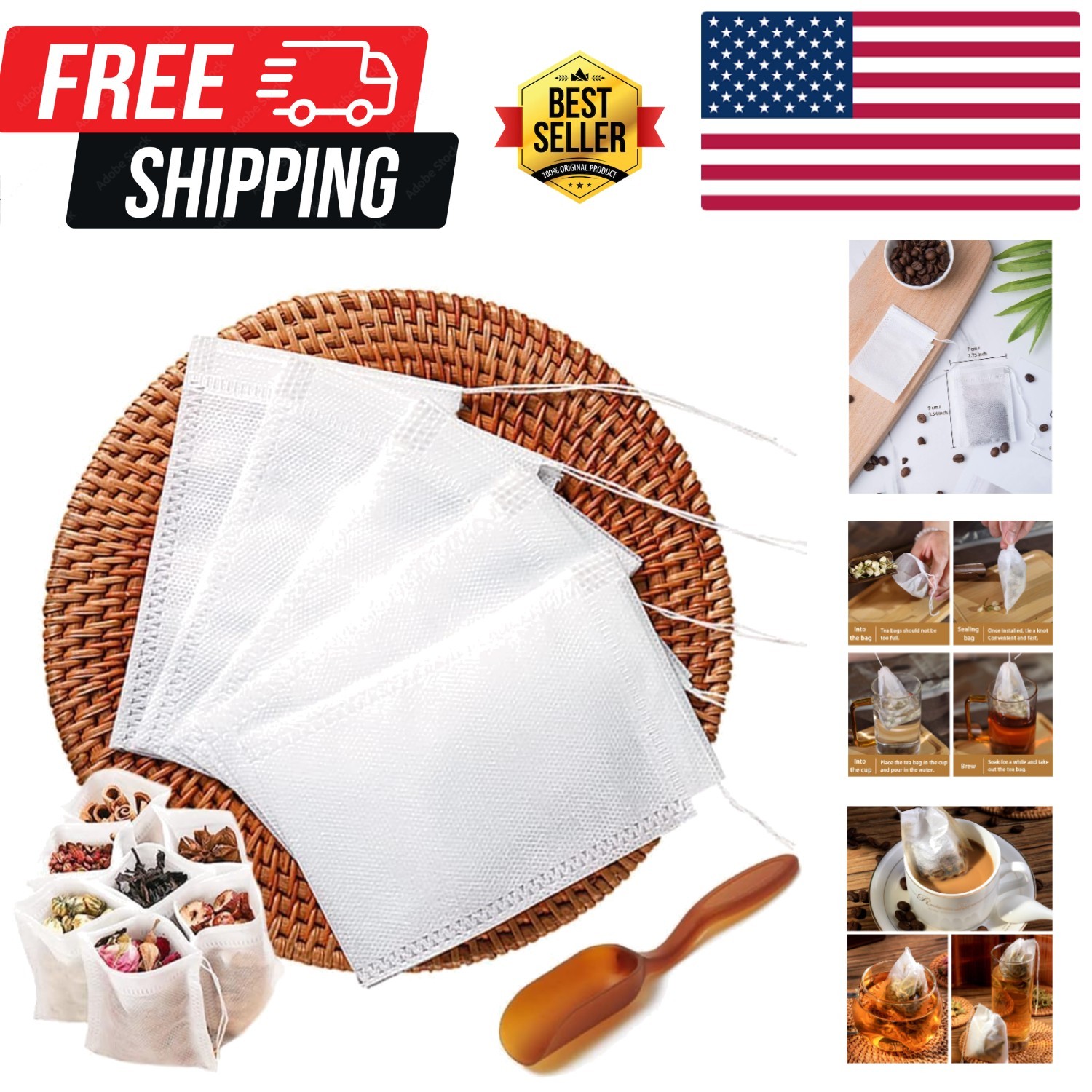

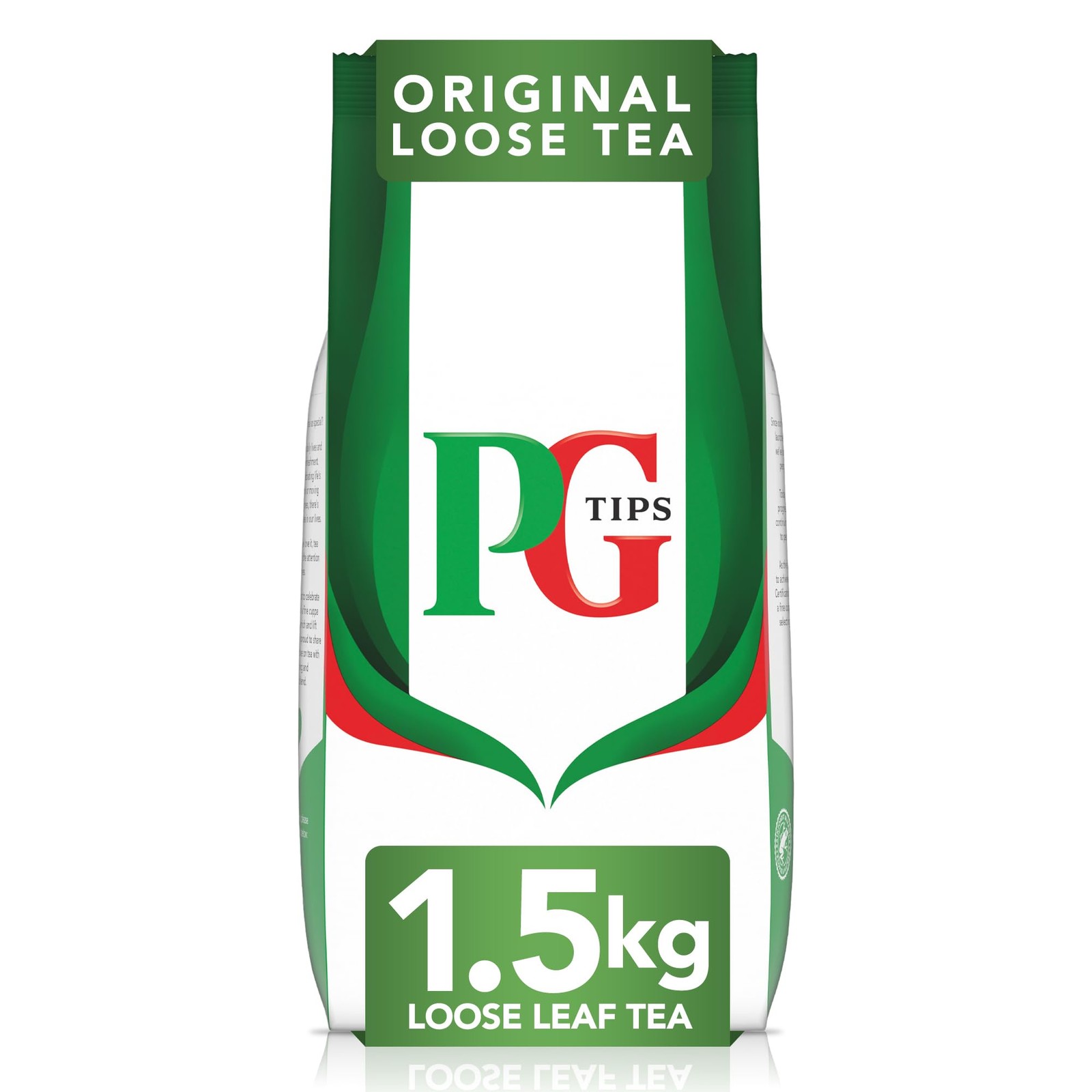
Photos from current listings. Actual item, color, and included accessories may vary.
Quality Loose Leaf Tea Buying Guide
Quality loose leaf tea is whole-leaf or large-piece tea graded by leaf integrity, origin, and processing rather than dust or fannings. The primary trade-off is between leaf grade and freshness: high-uniformity orthodox leaves deliver layered aroma but cost more and demand proper steeping, while broken-grade or stale leaf is flat and bitter. The decision rule: buy whole-leaf, single-origin or clearly graded orthodox tea stored in airtight, light-blocking packaging and skip any product that lists only 'premium' with no leaf grade or harvest date.


At a glance
- Category
- Snacks, Tea & Coffee
- Data updated
- Nov 18, 2026
Current offers
Highlights
- Leaf grade determines flavor: whole-leaf orthodox (FTGFOP, SFTGFOP) retains essential oils; broken grades (BOP, fannings, dust) release quickly and turn bitter.
- Processing style separates types: orthodox rolling preserves leaf structure for nuanced re-steeping, while CTC (crush-tear-curl) produces uniform granules for strong, fast-brewing cups.
- Freshness is a packaging function: nitrogen-flushed, foil-lined, opaque pouches with tight seals preserve aroma; clear cellophane bags degrade leaf within weeks.
- Leaf size and expansion set brewing ratio: large whole leaves need 2–3 g per 200 ml at 85–95°C, while fine broken leaf over-extracts at those ratios and requires shorter steeps.
Best use cases
- Best fit: daily black tea drinkers choosing a 3.3 lb loose-leaf pouch should pick a whole-leaf orthodox Assam or Ceylon with a harvest date and store it in an airtight tin to preserve freshness across months.
- Best fit: gongfu or repeated-steeping drinkers should select whole-leaf oolong or raw pu-erh, which re-steep 5–8 times; skip broken-grade blends that go bitter on the second infusion.
- Wrong fit: buyers wanting convenience should skip loose leaf and choose pyramid sachets; loose leaf requires a 300–500 ml infuser, 2–3 g dosing, and a strainer or teapot to avoid leaf in the cup.
Buying tips
- Match leaf grade to brew method: whole-leaf orthodox for gongfu or Western steeping, CTC only for masala chai or strong milk tea where briskness matters more than nuance.
- Use 2–3 g per 200 ml for whole leaf and 1.5–2 g for broken grades; a 3.3 lb (1.5 kg) pouch yields roughly 500–750 cups at standard dosing.
- Confirm harvest or production date and opaque packaging; tea loses aroma within 6–12 months of opening, so buy quantities you finish within 3–6 months.
- For black tea, choose Assam for malt and body, Ceylon for bright citrus, and Darjeeling first flush for floral astringency; estate naming signals higher grade than generic 'premium'.
Specs
| Leaf Grade | Whole-leaf orthodox vs broken/dust |
|---|---|
| Processing | Orthodox rolled vs CTC granule |
| Tea Type | Black / Green / Oolong / White / Pu-erh |
| Packaging | Opaque foil-lined, nitrogen-flushed |
Related searches
What to check before buying
- Measure your brewing vessel: a 300–500 ml teapot or 300 ml gaiwan needs 2–3 g whole leaf per session; confirm your infuser or strainer fits the leaf size.
- Check storage environment: tea needs an airtight, opaque tin away from heat and light; a 3.3 lb pouch requires two to three 500 ml tins for proper division.
- Verify water temperature control: green and white teas need 75–85°C, oolong and black 85–95°C; a variable-temperature kettle prevents scalding delicate leaf.
- Confirm the leaf format suits your strainer: large whole leaves need a basket or gaiwan with wide slots, while fine broken leaf passes through mesh and turns cups gritty.
FAQ
Data sources: eBay / Amazon listings and product attribute feeds Data updated Nov 18, 2026.
Some links on this page are affiliate links. If you buy after clicking one, we may earn a commission at no extra cost to you. This does not change which products appear here or their order. Affiliate disclosure.