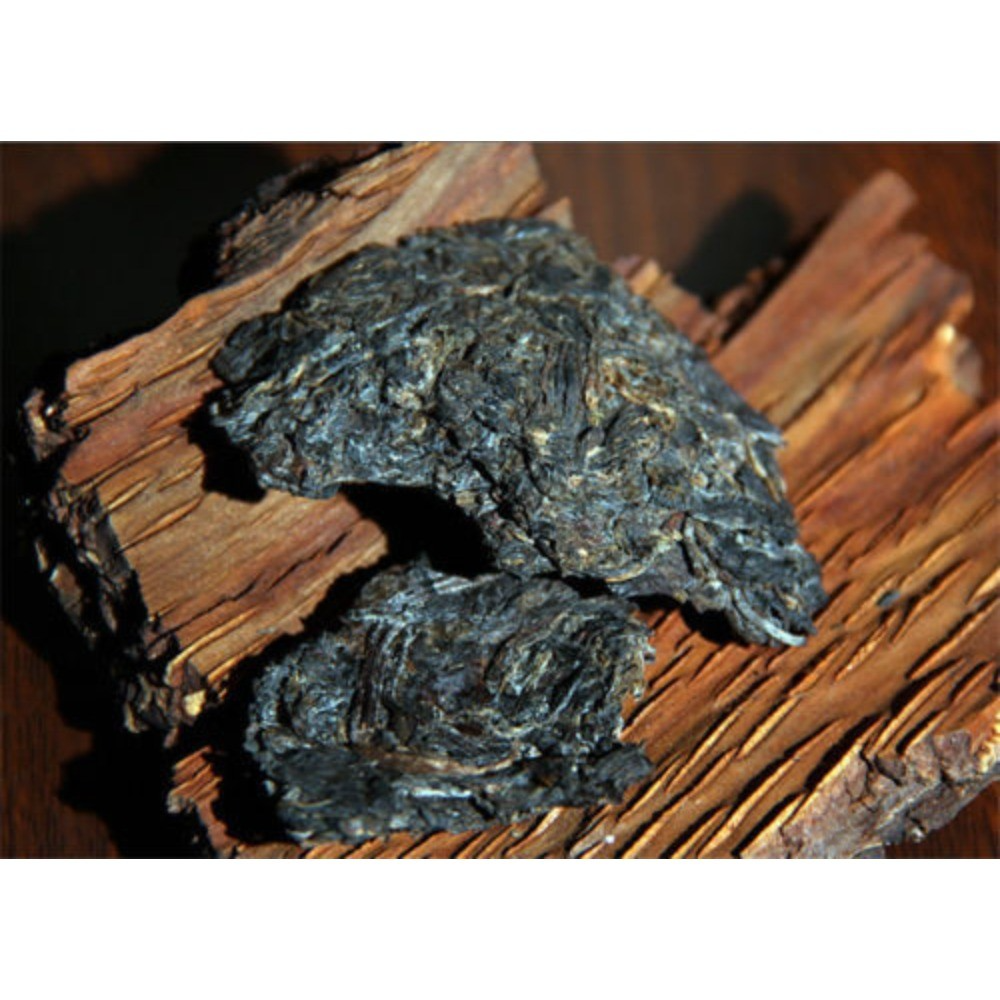

Photos from current listings. Actual item, color, and included accessories may vary.
Pu Erh Tea Buying Guide
Pu-erh tea is a fermented Chinese tea from Yunnan, sold either as raw sheng (aged slowly, bitter when young) or ripe shou (accelerated fermentation, earthy and smooth). The core trade-off is leaf grade and fermentation hygiene versus age and origin claims: young sheng rewards cellaring, while shou quality hinges on clean wo dui fermentation, not vintage marketing. Buy sheng only if you will store it properly for years; buy shou for immediate drinkability and verify leaf grade (gong ting, grade 1-3) over 'ancient tree' labels.


At a glance
- Category
- Snacks, Tea & Coffee
- Data updated
- Nov 18, 2026
Current offers
Highlights
- Sheng (raw) is sun-dried maocha pressed and aged; shou (ripe) undergoes wo dui pile fermentation in 40-60 days, converting catechins and creating earthy, dark liquor.
- Leaf grade runs gong ting (tiny buds, sweet) through grades 1-9; lower numbers mean finer leaf and higher price, but grade 7-9 gives stronger, longer-steeping body.
- Compressed formats differ: tuo cha (bird's nest, 100g mini tuo common), bing cha (357g cake), and loose maocha; tight tuo cha ages slower and needs a pick or knife.
- Yunnan growing regions matter: Menghai for balanced shou, Jingmai and Bulang for sheng aroma and bitterness, with older-tree (gushu) claims unverifiable without lab or trusted source.
Best use cases
- Daily earthy cup with no aging patience: pick ripe (shou) mini tuo cha or loose shou; skip young sheng, which is bitter and astringent for 3-5 years.
- Long-term cellaring project: buy sheng bing cha (357g cake) from a known factory or village, store at 60-70% RH and 20-25°C, and skip sealed ripe tuo.
- Office or travel brewing: choose individually wrapped 5-8g mini tuo or dragon balls for gongfu or thermos brewing; skip 357g cakes that need a pick and humid storage.
- Gift or beginner sampler: a ripe/sheng duo or mini tuo set teaches both fermentation styles; skip single-vintage 'ancient tree' claims without a factory wrapper and production date.
Buying tips
- For shou, judge by fermentation cleanliness: dark brown leaf, no fishy or musty smell, and a clear red-brown liquor; fishy aroma signals poor wo dui and will not age out.
- For sheng, buy production-dated cakes (year and factory stamped) and expect 5+ years before smoothness; undated loose sheng is a gamble on storage history.
- Match format to brewing: 100g mini tuo (about 5-8g each) suits 100-150ml gaiwan; a 357g bing yields about 45-70 sessions and requires a tea pick.
- Ignore 'ancient tree' on budget mini tuo: gushu leaf is rarely pressed into cheap 100g tuo; prioritize grade (gong ting/grade 1) and named factory over tree age claims.
Specs
| Type | Sheng (raw) vs Shou (ripe) |
|---|---|
| Format | Tuo 100g / Bing 357g / Loose |
| Leaf Grade | Gong ting, Grade 1-9 |
| Origin | Yunnan (Menghai, Bulang, Jingmai) |
Related searches
What to check before buying
- Storage before purchase: plan 60-70% relative humidity and 20-25°C, away from light and odors; sheng needs this for aging, shou stays stable but absorbs smells.
- Brewing gear: a 100-150ml gaiwan or Yixing pot plus a tea pick for compressed cakes; mini tuo can brew in a thermos but yields less nuance.
- Try before bulk: buy a 100g tuo or 25-50g sample of any bing to test fermentation and storage before committing to a 357g cake.
- Water and kettle: soft filtered water at 95-100°C; hard water mutes shou sweetness and exaggerates sheng bitterness.
FAQ
Data sources: eBay / Amazon listings and product attribute feeds Data updated Nov 18, 2026.
Some links on this page are affiliate links. If you buy after clicking one, we may earn a commission at no extra cost to you. This does not change which products appear here or their order. Affiliate disclosure.