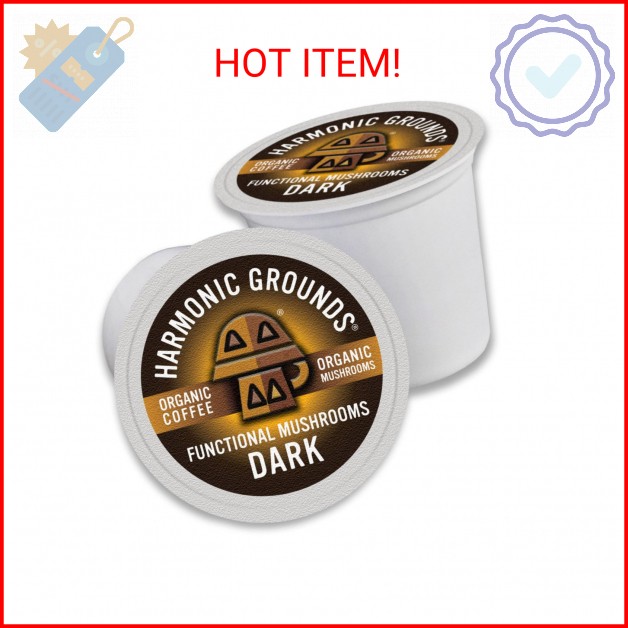

Photos from current listings. Actual item, color, and included accessories may vary.
Organic Mushroom Coffee Buying Guide
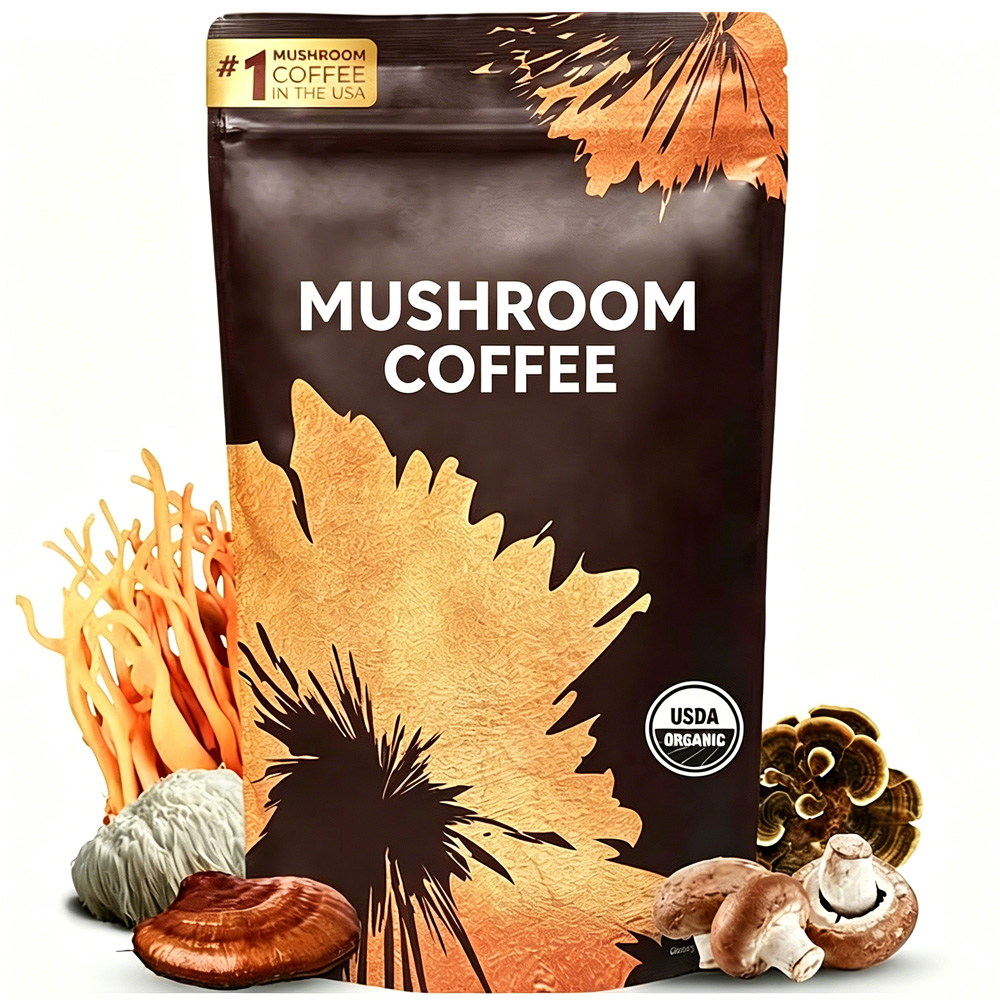
Organic mushroom coffee blends functional fungi (lion's mane, chaga, reishi, cordyceps) with coffee for adaptogenic benefits, but the core trade-off is fungal extract quality versus coffee flavor. Choose products that list specific mushroom species and extract ratios (e.g., 10:1 dual extract) over vague 'mushroom blend' labels; the latter often contain mostly mycelium-on-grain filler with minimal beta-glucans.


At a glance
- Category
- Snacks, Tea & Coffee
- Data updated
- Nov 18, 2026
Current offers
Highlights
- Extract type matters: dual-extract (water + alcohol) captures both beta-glucans and triterpenes, while mycelium-on-grain powders are mostly starch with low active compounds.
- Beta-glucan content above 25% and verified via third-party COA indicates a potent extract; products without this metric typically use ground mycelium or filler.
- Instant formats (powder, pods) trade convenience for lower mushroom potency—often 500–1000 mg per serving—versus bulk extracts at 2000–3000 mg.
- Organic certification (USDA or EU) ensures no pesticide residue on coffee or mushrooms; non-organic mushroom coffee may carry heavy metals from contaminated substrate.
Best use cases
- Best for daily coffee drinkers seeking lower caffeine: choose a 1:1 coffee-to-mushroom ratio with 50–80 mg caffeine per cup and added lion's mane for focus.
- Wrong for purists wanting full coffee flavor: high-mushroom blends (over 2000 mg) taste earthy and thin—pick a dark-roast coffee-forward blend with under 1000 mg mushroom extract.
- Best for travelers or office use: single-serve pods or instant sticks with 30 servings per box, but verify pod compatibility (K-Cup vs Nespresso) before buying.
- Wrong for therapeutic dosing: if targeting specific beta-glucan intake, skip flavored instant mixes and use bulk dual-extract powders with stated beta-glucan percentages.
Buying tips
- Check the mushroom part used: fruiting body extracts are superior to mycelium-on-grain; labels must say 'fruiting body' not 'mycelium' or 'mushroom root'.
- Match caffeine tolerance: standard mushroom coffee has 50–80 mg per cup; decaf versions use Swiss Water process—avoid chemical decaffeination if sensitive.
- For pod systems, confirm the pod format (K-Cup, Nespresso original, Vertuo) and compostability; most organic mushroom pods are plastic #7 and not recyclable.
- Compare serving size and extract ratio: a 10:1 extract at 500 mg equals 5000 mg raw mushroom; a 1:1 powder at 3000 mg delivers mostly filler.
Specs
| Mushroom Part | Fruiting body vs mycelium-on-grain |
|---|---|
| Extract Ratio | 10:1 dual extract to 1:1 powder |
| Caffeine Per Cup | 50-80 mg (regular) / <5 mg (decaf) |
| Format | Instant powder, pods, bulk extract |
Related searches
What to check before buying
- Verify your coffee maker compatibility: K-Cup pods fit Keurig 1.0/2.0, but Nespresso Vertuo pods are proprietary—check machine model before ordering.
- Confirm organic certification on the package (USDA seal) to avoid pesticide-laden coffee and moldy mushroom substrate.
- Assess flavor preference: earthy mushroom notes are strongest in reishi and chaga blends; lion's mane and cordyceps are milder—start with a coffee-forward roast.
- Check serving count and scoop size: a 30-serving bag at 5 g per serving lasts one month; instant sticks often contain added creamers or sugars—read ingredients.
FAQ
Data sources: eBay / Amazon listings and product attribute feeds Data updated Nov 18, 2026.
Some links on this page are affiliate links. If you buy after clicking one, we may earn a commission at no extra cost to you. This does not change which products appear here or their order. Affiliate disclosure.