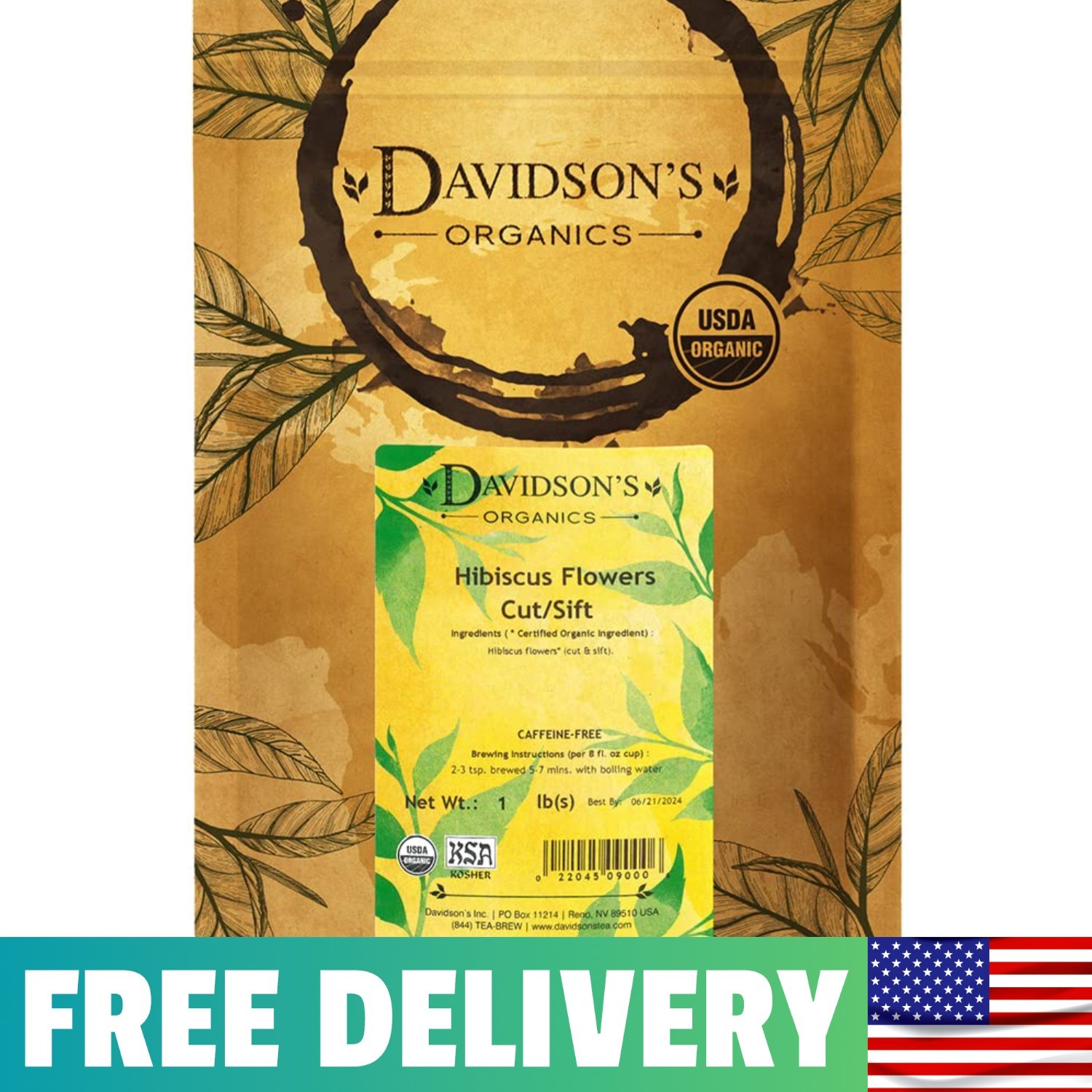

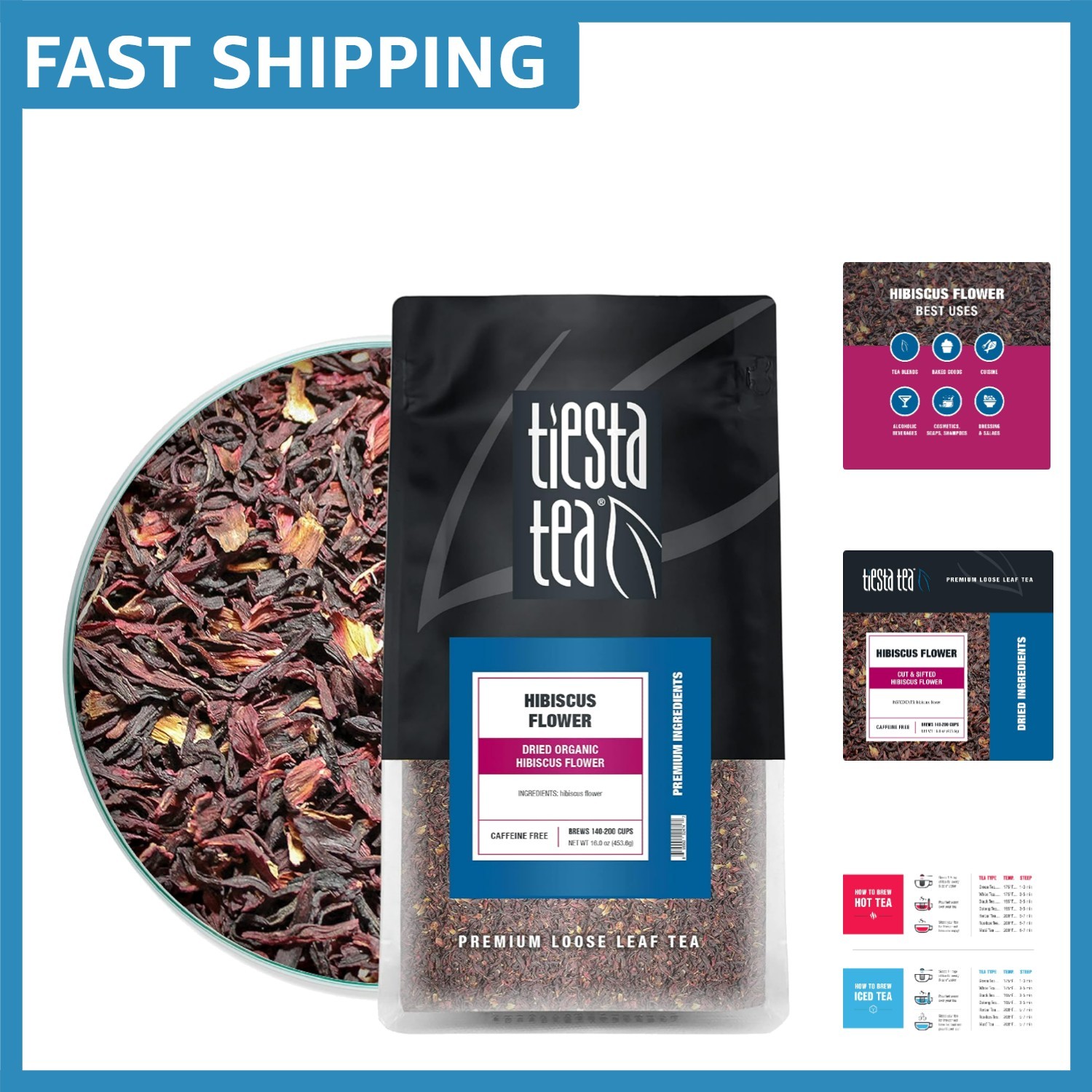
Photos from current listings. Actual item, color, and included accessories may vary.
Organic Hibiscus Tea Buying Guide
Organic hibiscus tea is a caffeine-free herbal infusion made from dried Hibiscus sabdariffa calyces, valued for its tart flavor and anthocyanin content. The primary trade-off is between whole loose calyces that preserve volatile acids and aroma versus cut-and-sifted tea-bag material that extracts faster but loses complexity. Choose whole, deeply crimson calyces with a USDA Organic seal for steeping control and freshness; skip dusty fannings or dull, brownish petals that signal age or poor handling.


At a glance
- Category
- Snacks, Tea & Coffee
- Data updated
- Nov 18, 2026
Current offers
Highlights
- Whole dried calyces retain more anthocyanins and volatile acids than cut-and-sifted fannings, giving brighter tartness and longer shelf life.
- USDA Organic certification requires third-party inspection of farm and processing facilities, prohibiting synthetic pesticides and irradiation.
- Hibiscus is naturally caffeine-free, so it suits evening drinking and children without stimulant effects.
- Loose-leaf calyces steep in 5-10 minutes at 200-212°F, while tea-bag fannings extract in 3-5 minutes but lose aroma nuance.
Best use cases
- Best for daily iced tea drinkers: buy 16 oz loose whole calyces and cold-brew 1 cup per quart for 8-12 hours; skip tea bags for large batches.
- Best for single-cup hot tea: choose organic tea bags with whole-leaf pieces if convenience outweighs flavor; skip dusty fannings that turn bitter fast.
- Wrong fit for anyone expecting a sweet fruit tea: hibiscus is sharply tart and needs honey or blending; skip if you dislike cranberry-like acidity.
- Best for blending: loose whole calyces let you control strength in custom blends with rosehip or ginger; skip pre-ground powders that clump and dull.
Buying tips
- Choose whole calyces over cut-and-sifted: whole pieces show visible crimson color and retain aroma; fannings look like dusty granules and go stale faster.
- Look for USDA Organic seal on the package, not just the word 'organic' in the title; the seal requires certification and audit trails.
- Calculate yield: 1 teaspoon (about 2 g) per 8 oz cup means a 16 oz (454 g) bag yields roughly 225 cups; buy smaller bags if you drink fewer than 3 cups weekly.
- Prefer opaque or foil-lined packaging over clear cellophane; light degrades anthocyanins and turns calyces brown within months.
Specs
| Form | Whole calyces vs cut-and-sifted |
|---|---|
| Caffeine | Naturally caffeine-free |
| Certification | USDA Organic seal |
| Steep | 5-10 min at 200-212°F |
Related searches
What to check before buying
- Confirm your storage: airtight container away from light and heat; hibiscus keeps 12-18 months sealed, 6-9 months after opening.
- Measure your mug or teapot capacity: 8 oz cup needs 1 tsp; a 32 oz teapot needs 4 tsp, so a 16 oz bag lasts about 56 pots.
- Check water temperature control: boiling 212°F is ideal; if your kettle lacks variable temp, let boiled water rest 1 minute before pouring.
- Verify you have a fine-mesh strainer or infuser basket with holes under 1 mm; whole calyces need room to expand and a strainer to catch petals.
FAQ
Data sources: eBay / Amazon listings and product attribute feeds Data updated Nov 18, 2026.
Some links on this page are affiliate links. If you buy after clicking one, we may earn a commission at no extra cost to you. This does not change which products appear here or their order. Affiliate disclosure.