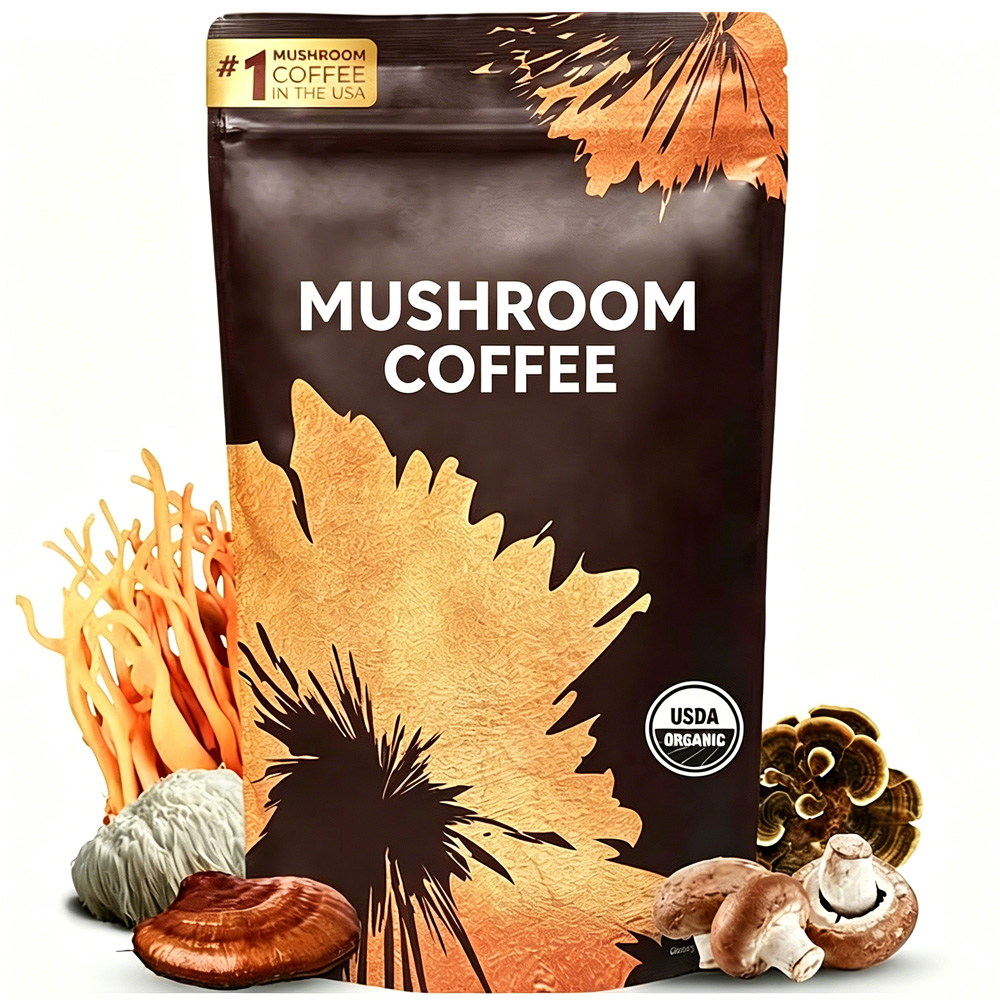

Photos from current listings. Actual item, color, and included accessories may vary.
Organic Coffee Buying Guide
Organic coffee is certified-organic bean coffee (whole bean, ground, or pods) grown without synthetic pesticides and processed without prohibited additives. The core trade-off is certification integrity versus freshness and roast format: whole-bean light-to-medium roasts preserve origin character, while pre-ground and pod formats sacrifice volatile aromatics. Decision rule: buy whole-bean certified-organic from a roaster with a roast date, and treat instant or functional mushroom blends as a separate convenience tier—not a substitute for fresh organic coffee.


At a glance
- Category
- Snacks, Tea & Coffee
- Data updated
- Nov 18, 2026
Current offers
Highlights
- USDA Organic and EU Organic seals require organic farming from seed to roaster; look for the certifier name on the bag, not just the word 'organic'.
- Whole-bean organic coffee stays at peak flavor 2–4 weeks after roast date; pre-ground stales in days due to surface-area oxidation.
- Light and medium roasts retain more chlorogenic acids and origin nuance; dark roasts mask defects with smoke and bitters—buy dark only for milk drinks.
- Functional mushroom coffee blends typically contain 1–2 g mushroom extract per serving, far below the 3–5 g studied in adaptogen research.
Best use cases
- Daily drip or pour-over drinker: buy whole-bean certified-organic medium roast in 12–16 oz bags with a printed roast date and grind fresh—skip pre-ground bags.
- Espresso drinker: choose organic medium-dark whole bean with a roast date within 10 days, as espresso extracts more aggressively and stale beans channel badly.
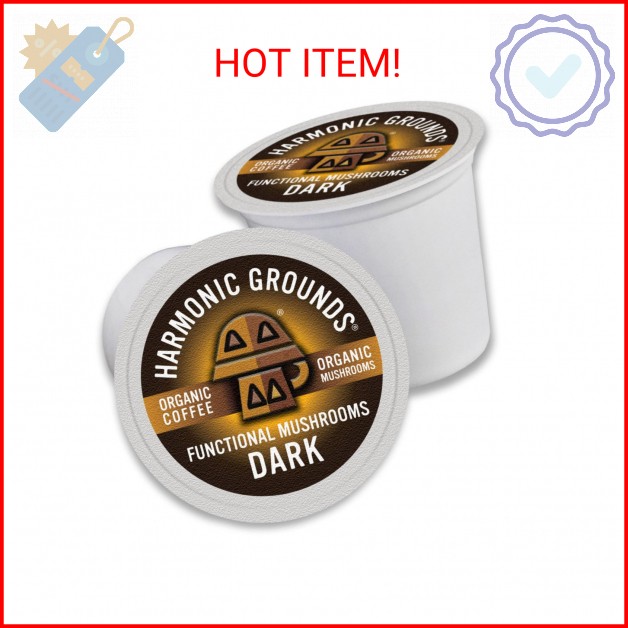
- Convenience-focused drinker: use organic pods only in a compatible single-serve machine; pick aluminum or compostable pods over polystyrene for recyclability.
- Functional or low-caffeine seeker: choose mushroom coffee as a separate category with disclosed extract ratios—do not expect it to match brewed organic coffee's caffeine or flavor.
Buying tips
- Buy bags with a printed roast date, not a 'best by' date; fresher than 21 days from roast is the practical freshness window for whole bean.
- Choose whole bean and grind per brew method: medium-coarse for drip, fine for espresso, coarse for French press—grind size moves extraction more than roast level.
- Check the certifier on the seal (e.g., CCOF, Oregon Tilth, Soil Association) and match origin to processing: washed for clarity, natural for fruit-forward sweetness.
- For pods, match the capsule format to your machine (K-Cup vs Nespresso original vs Vertuo) and prefer aluminum or certified-compostable shells over No. 6 polystyrene.
Specs
| Certification | USDA Organic / EU Organic seal |
|---|---|
| Form | Whole bean / ground / pods / instant |
| Roast Level | Light to dark; medium most versatile |
| Freshness Window | Whole bean 2-4 weeks post-roast |
Related searches
What to check before buying
- Confirm your grinder burr type and brew method before choosing whole bean; blade grinders produce uneven particles that stall pour-over and espresso extraction.
- Measure your brewer's basket or pod chamber: standard K-Cup and Nespresso formats are not interchangeable, and reusable pods require matching mesh or filter size.
- Check storage: whole bean needs an airtight, opaque container away from light and heat; a 1 lb bag outlasts freshness, so buy 12–16 oz or split into smaller batches.
- For mushroom blends, read the supplement facts panel for extract ratio, caffeine per serving, and whether the mushroom is a powder or an extract—dosing differs substantially.
FAQ
Data sources: eBay / Amazon listings and product attribute feeds Data updated Nov 18, 2026.
Some links on this page are affiliate links. If you buy after clicking one, we may earn a commission at no extra cost to you. This does not change which products appear here or their order. Affiliate disclosure.