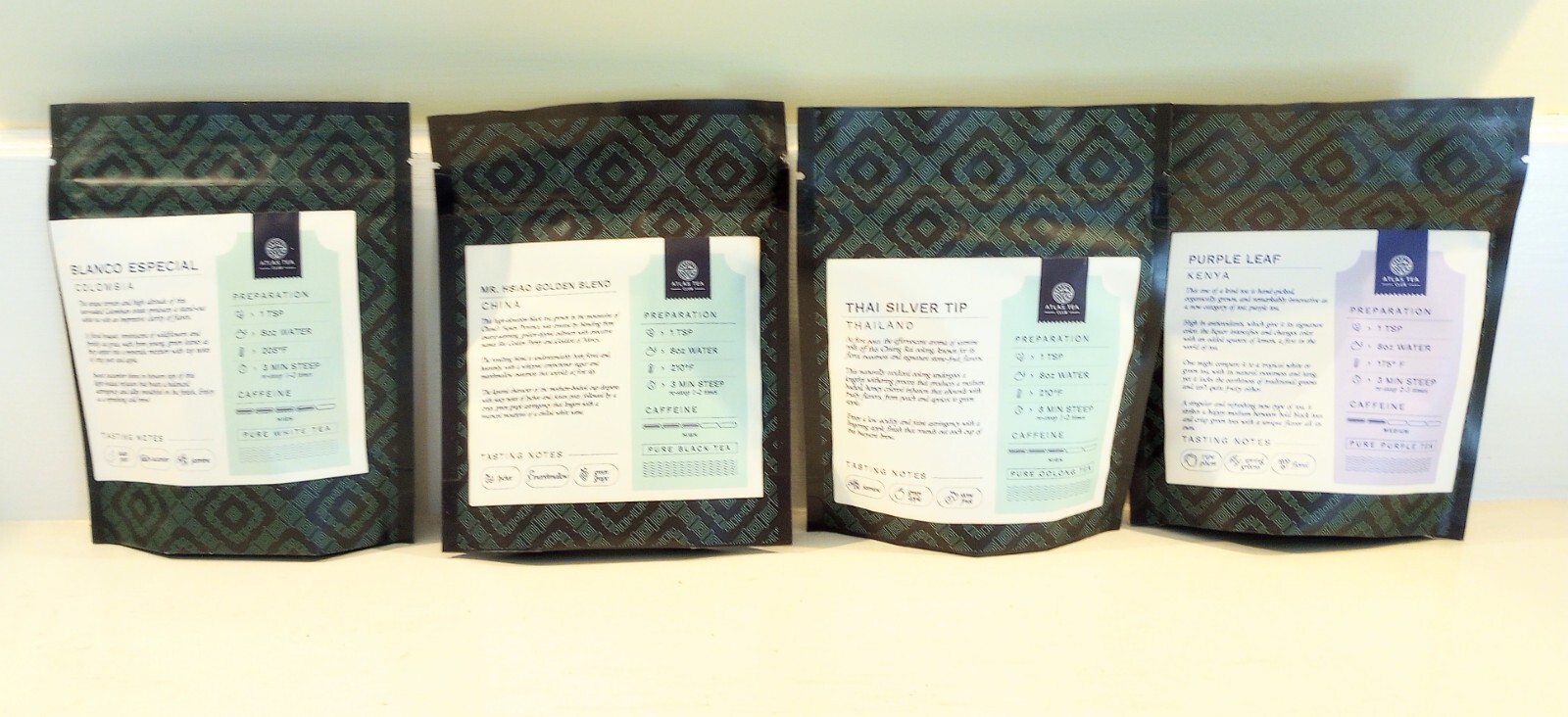

Photos from current listings. Actual item, color, and included accessories may vary.
Oolong Tea Buying Guide
Oolong tea is a partially oxidized Camellia sinensis tea ranging from green-floral (10–20% oxidation) to dark-roasted (60–70%), and the core trade-off is oxidation/roast level versus freshness and leaf grade. Durable, worthwhile buys are single-origin, hand-rolled whole-leaf lots with clear harvest dates; compromises are broken-leaf blends and stale or unlabeled 'weight loss' commodity tea.


At a glance
- Category
- Snacks, Tea & Coffee
- Data updated
- Nov 18, 2026
Current offers
Highlights
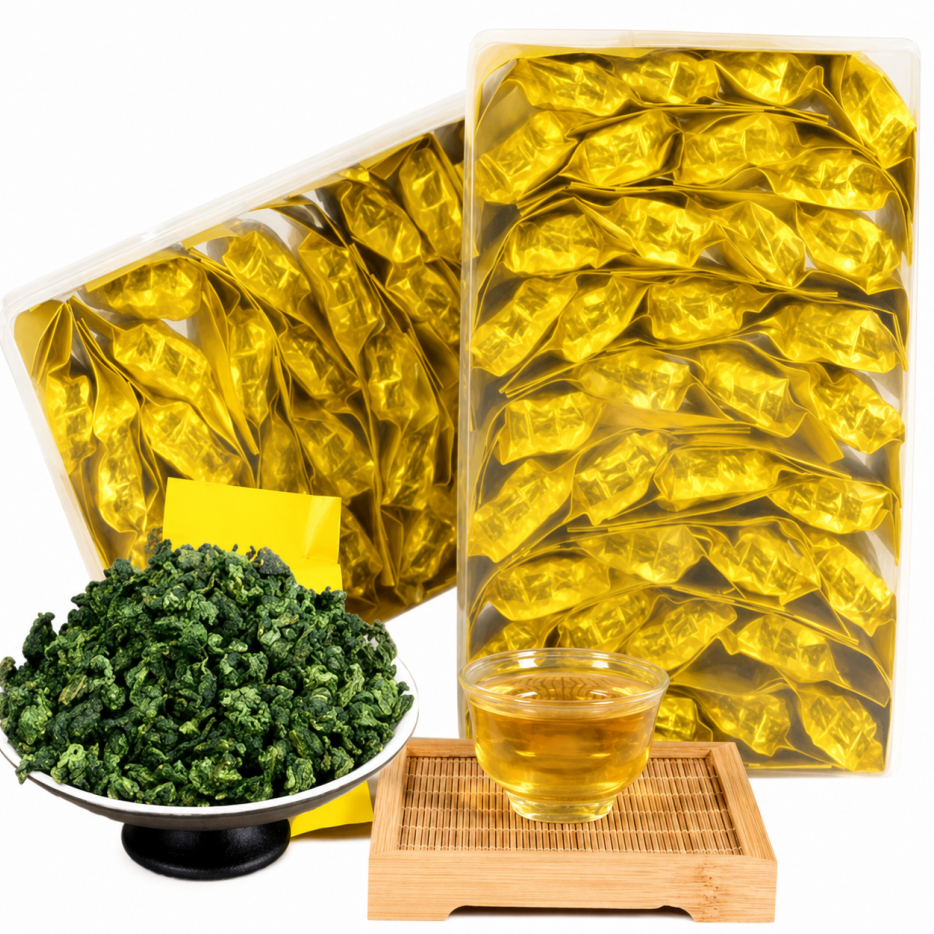
- Oxidation tiers define flavor: 10–20% green Tieguanyin, 30–40% ball-rolled Dong Ding, 60–70% strip-style Yancha and Dan Cong.
- Yancha (rock oolong) quality tracks roast: charcoal or bamboo-basket roast over multiple passes beats single high-heat machine roast for depth and aging.
- Tieguanyin styles split sharply: modern green (qingxiang) is floral and unroasted; traditional (nongxiang) is charcoal-roasted with darker, nuttier leaves.
- Whole-leaf lots retain aroma and re-steep 5–8 times; broken fannings and dust bags give one flat infusion and oxidize faster in storage.
Best use cases
- Buy Anxi Tieguanyin qingxiang if you want high orchid aroma and lighter body; skip nongxiang roast if you dislike toasted, mineral notes.
- Choose Wuyi Yancha (Da Hong Pao, Rou Gui) for gongfu sessions with 100°C water and short steepings; avoid it for Western mug brewing where roast overwhelms.
- Pick Dong Ding or Alishan for a balanced daily drinker between green and dark oolong; skip commodity 'oolong' bags if leaf grade and harvest date are unstated.
- For weight-loss intent, buy plain unflavored whole-leaf oolong and drink it unsweetened; skip 'slimming' blends with added herbs or flavoring.
Buying tips
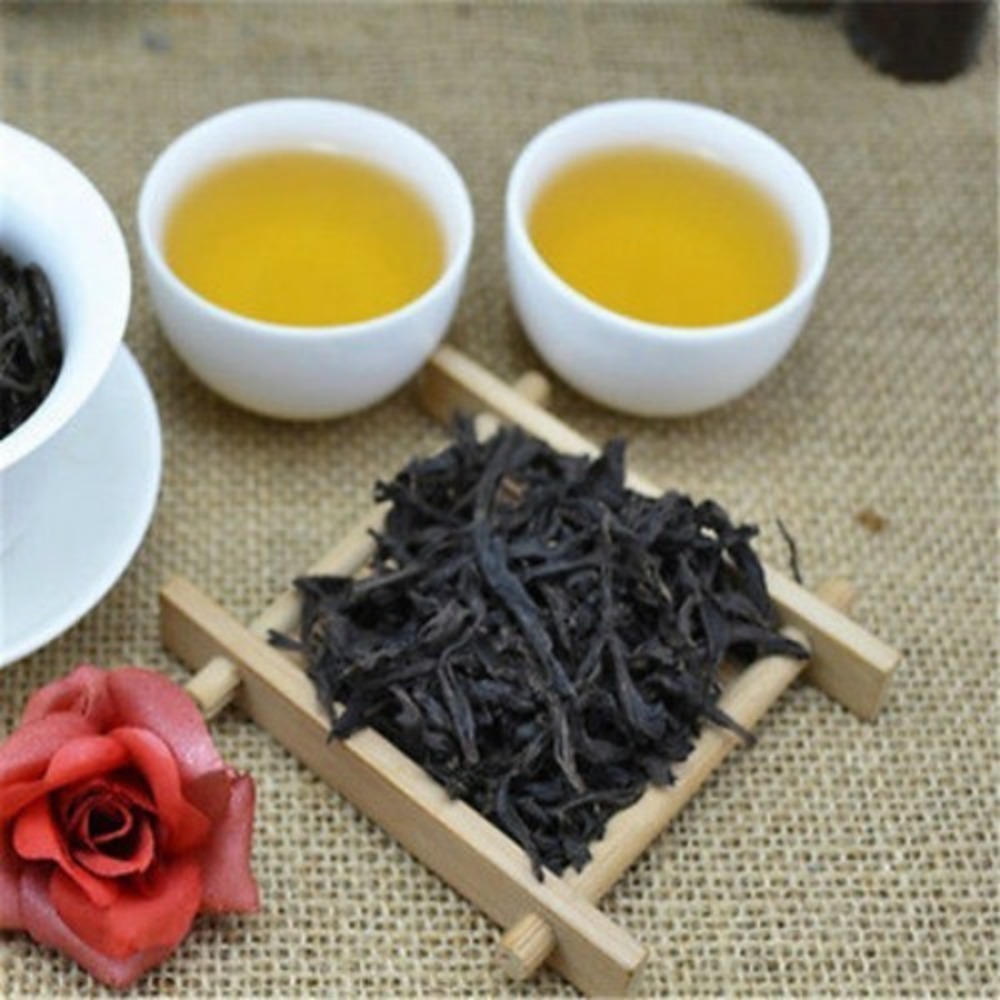
- Buy whole, unbroken leaves: ball-rolled tight nuggets for Tieguanyin/Dong Ding, long twisted strips for Yancha and Dan Cong signal hand-processing.
- Check the harvest date and prefer spring or winter picks within 12 months; roasted Yancha benefits from 1–2 years' rest to mellow roast.
- Match roast to brewing: unroasted/light oolong needs 90–95°C water; medium-to-heavy roast handles 95–100°C and multiple short infusions.
- For gongfu, use a 5–7 g leaf dose per 100–120 ml vessel with 10–20 second first steep; Western brewing needs 3–4 g per 250 ml.
Specs
| Oxidation Level | 10–20% green to 60–70% dark |
|---|---|
| Leaf Style | Ball-rolled vs twisted strip |
| Roast Level | Unroasted to charcoal-roasted |
| Origin Region | Anxi, Wuyi, Taiwan, Guangdong |
Related searches
What to check before buying
- Measure your brewing vessel: a 100–150 ml gaiwan suits 5–7 g leaf doses typical of oolong gongfu brewing.
- Confirm your kettle reaches 95–100°C; light oolong is brewed cooler, roasted oolong needs near-boiling water.
- Store in an airtight, opaque tin away from light and odors; oolong absorbs moisture and kitchen smells within weeks of opening.
- Check the label states origin (Anxi, Wuyi, Taiwan) and harvest season, not just 'oolong tea'.
FAQ
Data sources: eBay / Amazon listings and product attribute feeds Data updated Nov 18, 2026.
Some links on this page are affiliate links. If you buy after clicking one, we may earn a commission at no extra cost to you. This does not change which products appear here or their order. Affiliate disclosure.