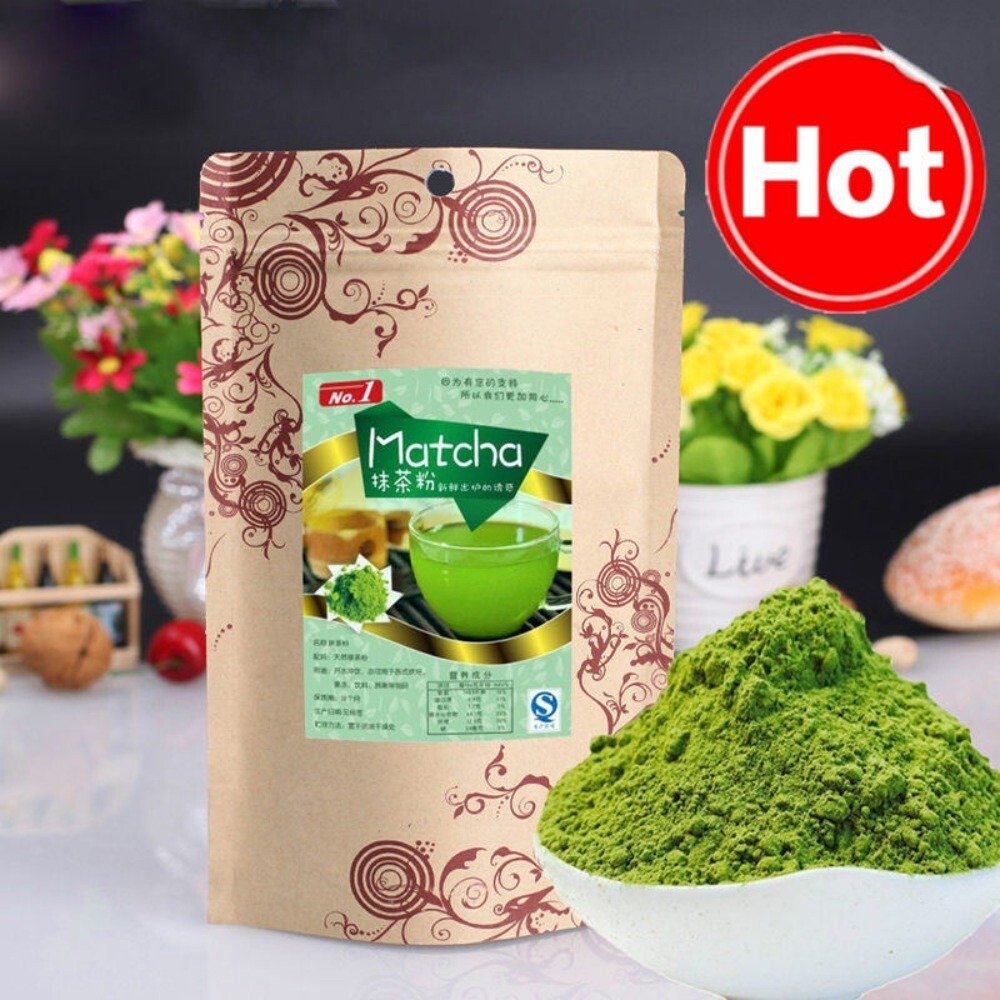

Photos from current listings. Actual item, color, and included accessories may vary.
Matcha Tea Buying Guide
Matcha is shade-grown green tea stone-milled into a fine powder, and the decisive trade-off is grade: ceremonial (young first-flush leaves, vibrant green, sweet-umami, drinkable whisked) versus culinary/latte (later leaves, yellow-green, bitter, for blending). The clear rule: buy ceremonial only if you will whisk it with hot water and drink it straight; buy culinary/latte grade for smoothies, baking, and milk drinks, where its stronger bite and lower cost are assets.


At a glance
- Category
- Snacks, Tea & Coffee
- Data updated
- Nov 18, 2026
Current offers
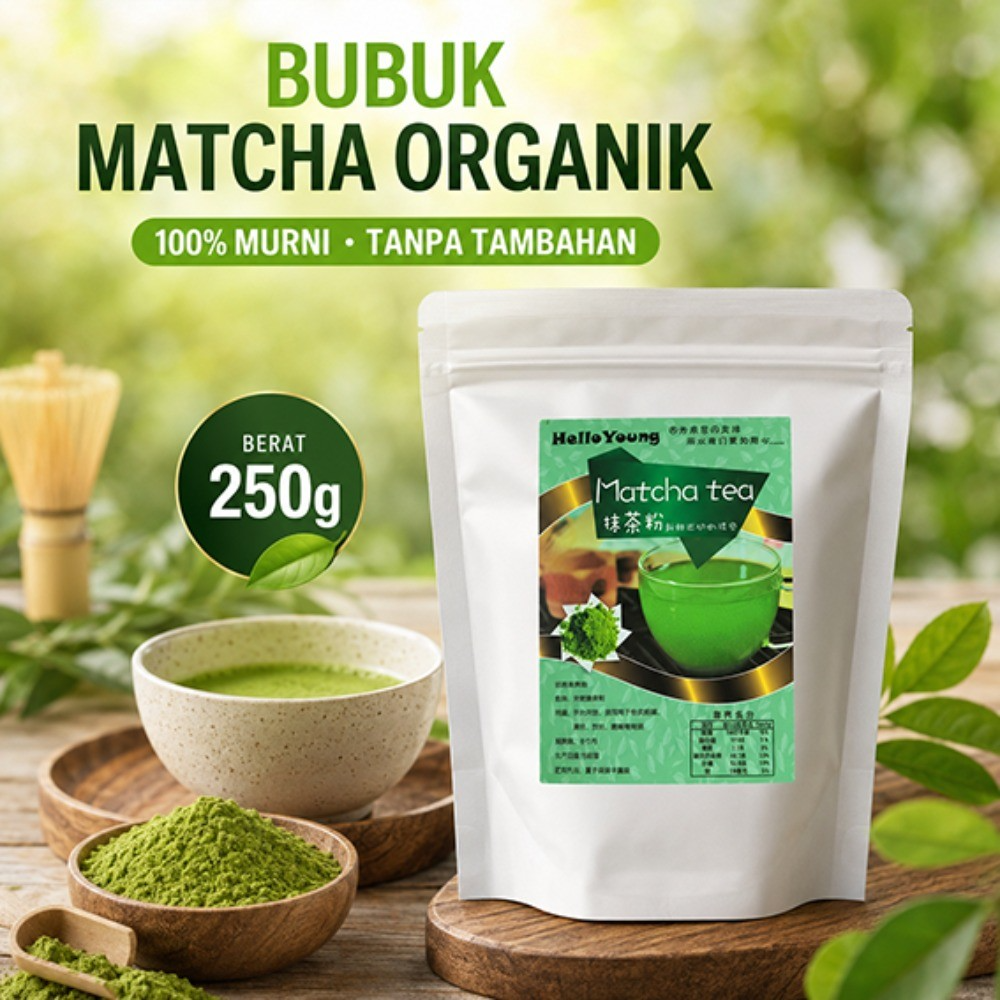
Highlights
- Ceremonial grade uses first-flush tencha leaves with stems and veins removed, yielding a deep jade color and natural sweetness; culinary grade includes later flushes and stem material, giving a duller olive tone and astringency.
- Stone-milled matcha is ground slowly to a talc-like powder (typically in the low-micron range); poorly milled or heat-damaged powder clumps and tastes bitter, so fine, uniform texture is a key quality marker.
- Shade-growing for roughly 20–30 days before harvest boosts chlorophyll and L-theanine, which is why authentic Japanese matcha is vivid green and umami-forward rather than grassy-bitter.
- Tin or opaque sealed packaging with a tight seal protects matcha from light, heat, and oxygen, which degrade its color and flavor within weeks once opened; clear bags and loose bulk pouches are a durability red flag.
Best use cases
- Best fit: buy ceremonial grade (typically 30–100g tins) if you whisk with 70–80°C water and drink straight—this is the only grade where sweetness and zero bitterness matter.
- Best fit: buy culinary/latte grade in larger 250g+ pouches if you blend with milk, make smoothies, or bake—its stronger flavor stands up to dilution and heat.
- Wrong fit: skip ceremonial grade for baking or heavy milk drinks—you pay a premium for subtlety that milk and sugar will bury.
- Wrong fit: skip culinary grade for straight whisked tea—its astringency and dull color make a poor usucha; use it only as an ingredient.
Buying tips
- Match tin size to use: 30–50g ceremonial tins stay fresh for roughly 2–4 weeks of daily whisking; a 250g culinary pouch suits weekly smoothie or latte use over a few months.
- Choose Japanese-origin matcha (Uji, Nishio, Kagoshima) for ceremonial; origin labeling plus grade wording is the strongest quality signal over generic 'green tea powder'.
- Check the ingredient list reads only 'matcha' or 'green tea powder'—added sugar, maltodextrin, or 'matcha blend' wording signals a latte mix, not pure matcha.
- Buy opaque, resealable tins or foil-lined pouches; avoid clear bags and large bulk bags of ceremonial grade, which lose color and aroma before you finish them.
Specs
| Grade | Ceremonial vs Culinary/Latte |
|---|---|
| Origin | Japan (Uji, Nishio) vs generic |
| Package Size | 30–100g tin vs 250g+ pouch |
| Ingredients | Pure matcha vs sweetened blend |
Related searches
What to check before buying
- Confirm your intended use—straight whisking, latte/smoothie blending, or baking—before picking ceremonial versus culinary grade; the grade should match the preparation method.
- Verify storage space and container type: matcha needs an airtight, opaque container in a cool, dark spot; a fridge is acceptable only if sealed against moisture and odor.
- Check the package weight against your consumption rate so the powder is used within a few weeks of opening, especially for ceremonial grade.
- Ensure you have the companion tools—a fine-mesh sifter and a bamboo whisk (chasen) or milk frother—since unsifted matcha clumps regardless of grade.
FAQ
Data sources: eBay / Amazon listings and product attribute feeds Data updated Nov 18, 2026.
Some links on this page are affiliate links. If you buy after clicking one, we may earn a commission at no extra cost to you. This does not change which products appear here or their order. Affiliate disclosure.