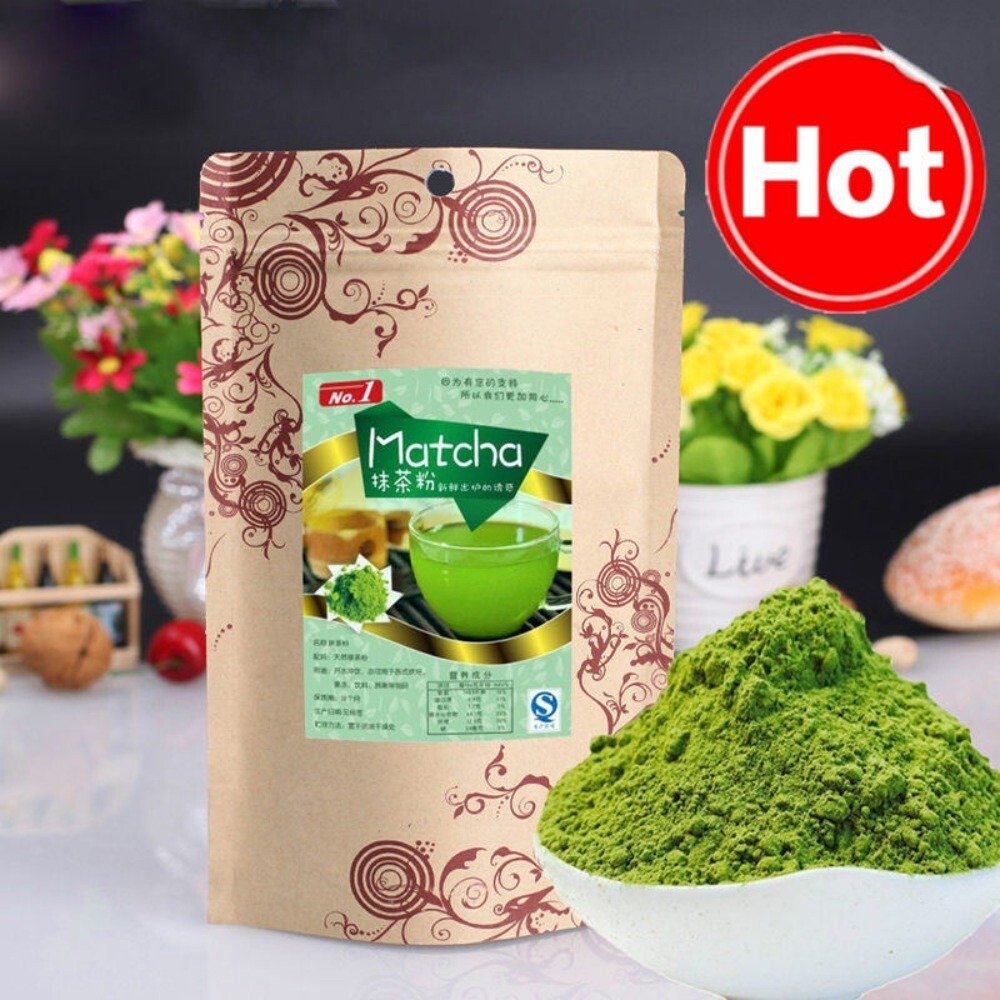

Photos from current listings. Actual item, color, and included accessories may vary.
Matcha Green Tea Powder Buying Guide
Matcha green tea powder is finely milled shaded green tea, graded by leaf quality and processing into ceremonial, premium, and culinary tiers. The core trade-off is between vivid umami-rich flavor from young first-harvest leaves and bitter astringency from older, stem-included leaves cut with fillers. The decision rule: buy ceremonial grade only for straight whisked tea, premium for daily lattes, and culinary for baking or smoothies where sugar and milk mask defects.


At a glance
- Category
- Snacks, Tea & Coffee
- Data updated
- Nov 18, 2026
Current offers
Highlights
- Ceremonial grade uses only first-harvest tencha leaves with stems and veins removed, yielding 100% pure matcha with deep emerald color and natural sweetness.
- Culinary grade blends later-harvest leaves and may include stems, producing a duller olive tone, stronger bitterness, and lower L-theanine content suited to recipes.
- Color is the fastest quality signal: vivid bright green indicates fresh shaded leaves, while yellow-green or dull olive signals older harvest, oxidation, or filler.
- Japanese origin matters for processing standards: Uji, Nishio, and Kagoshima regions follow shaded cultivation (20-30 days) that boosts chlorophyll and amino acids.
Best use cases
- Buy ceremonial grade if you drink matcha whisked with hot water only; skip it for smoothies or baking where its delicate umami is wasted and bitterness is masked.
- Buy premium or latte grade for daily milk-based drinks and iced lattes; this tier balances vivid color and smoothness at a lower cost than ceremonial.
- Buy culinary grade for baking, ice cream, and protein shakes; avoid culinary grade for traditional tea because stems and later-harvest leaves make it harsh and bitter.
Buying tips
- Check the grade label and harvest season: first-harvest (spring) ceremonial matcha is sweeter; later-harvest culinary matcha is more astringent and suited to cooking.
- Look for single-origin Japanese matcha from Uji, Nishio, or Kagoshima; blended or non-Japanese 'matcha-style' powders often contain stems and lack the shading step.
- Choose a tin or resealable opaque pouch over clear bags; matcha oxidizes and degrades rapidly with light, heat, and air exposure.
- For daily use, 100g tins stay fresh within 4-6 weeks after opening; larger 250g bags suit high-volume baking or shared office use.
Specs
| Grade | Ceremonial / Premium / Culinary |
|---|---|
| Origin | Japan (Uji, Nishio, Kagoshima) |
| Harvest | First harvest vs later harvest |
| Package Size | 100g tin / 250g pouch / bulk bag |
Related searches
What to check before buying
- Confirm your intended use: straight tea drinkers should select ceremonial grade, while latte and baking users can choose premium or culinary grade.
- Check the package is opaque, resealable, and stored away from light and heat; clear bags or loose cellophane accelerate flavor loss.
- Verify the label states 100% Japanese matcha with no added sugar, milk powder, or fillers if you want pure tea.
- Ensure you have a fine-mesh sifter and a bamboo whisk (chasen) for ceremonial preparation; culinary use only requires a blender or spoon.
FAQ
Data sources: eBay / Amazon listings and product attribute feeds Data updated Nov 18, 2026.
Some links on this page are affiliate links. If you buy after clicking one, we may earn a commission at no extra cost to you. This does not change which products appear here or their order. Affiliate disclosure.