Photos from current listings. Actual item, color, and included accessories may vary.
Loose Leaf Tea Buying Guide
Loose leaf tea is whole-leaf or broken-leaf Camellia sinensis (plus herbal infusions) sold unbagged, so water can fully expand the leaf and release more aromatic oil than fannings in paper pouches. The trade-off is grade and freshness versus convenience: orthodox whole-leaf grades (FTGFOP, SFTGFOP) and single-origin lots deliver layered flavor but demand an infuser and correct steep temperatures. Buy whole-leaf orthodox tea from a seller that states grade, harvest, and origin; treat pre-ground fannings, dust-grade 'loose' blends, and unlabeled date codes as shelf-life compromises.

At a glance
- Category
- Snacks, Tea & Coffee
- Data updated
- Nov 18, 2026
Current offers
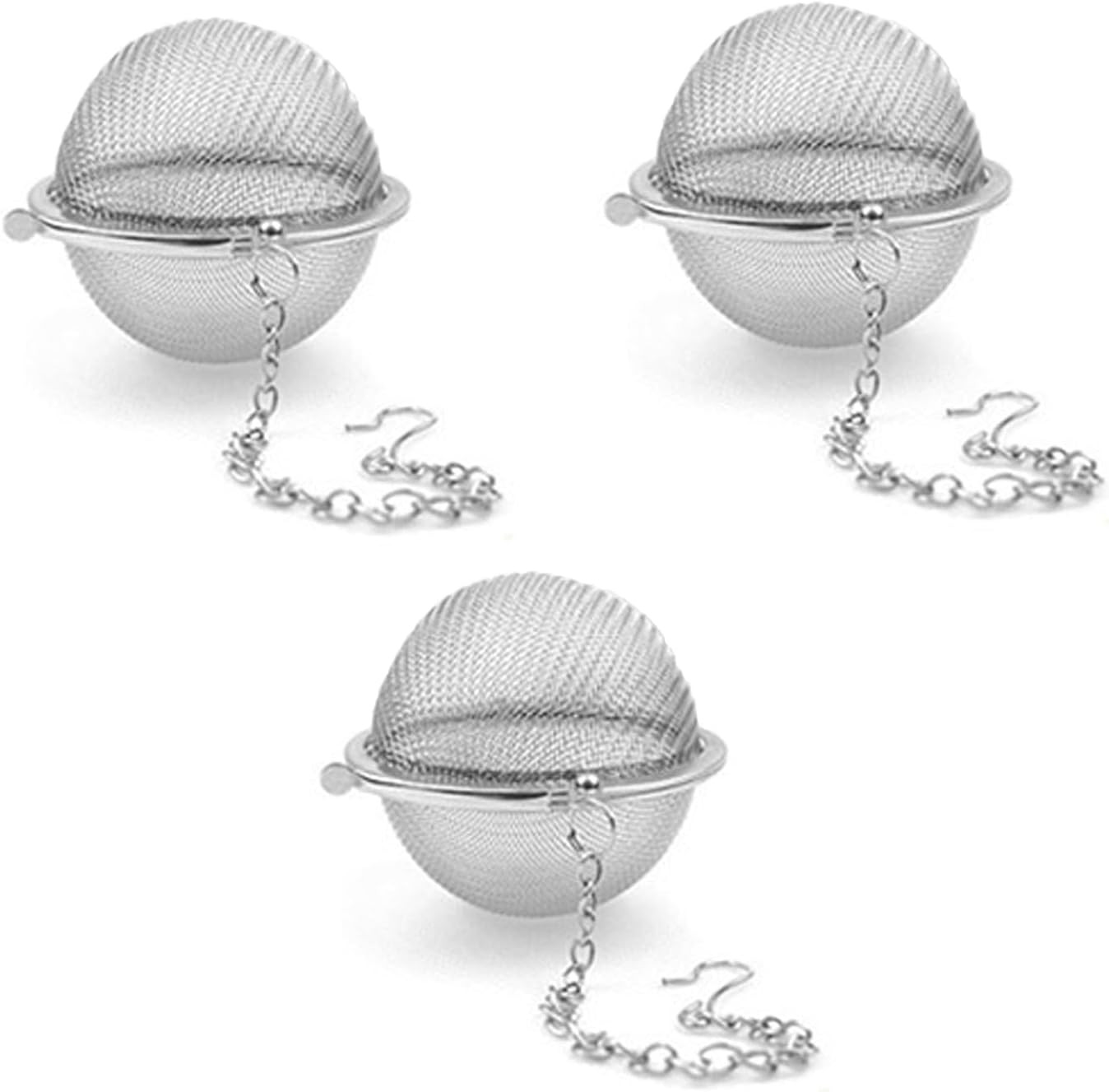 3PCS Premium Tea Infusers, Loose Leaf Tea, Upgraded Tea Strainers and Tea Balls$9.23
 View on eBay
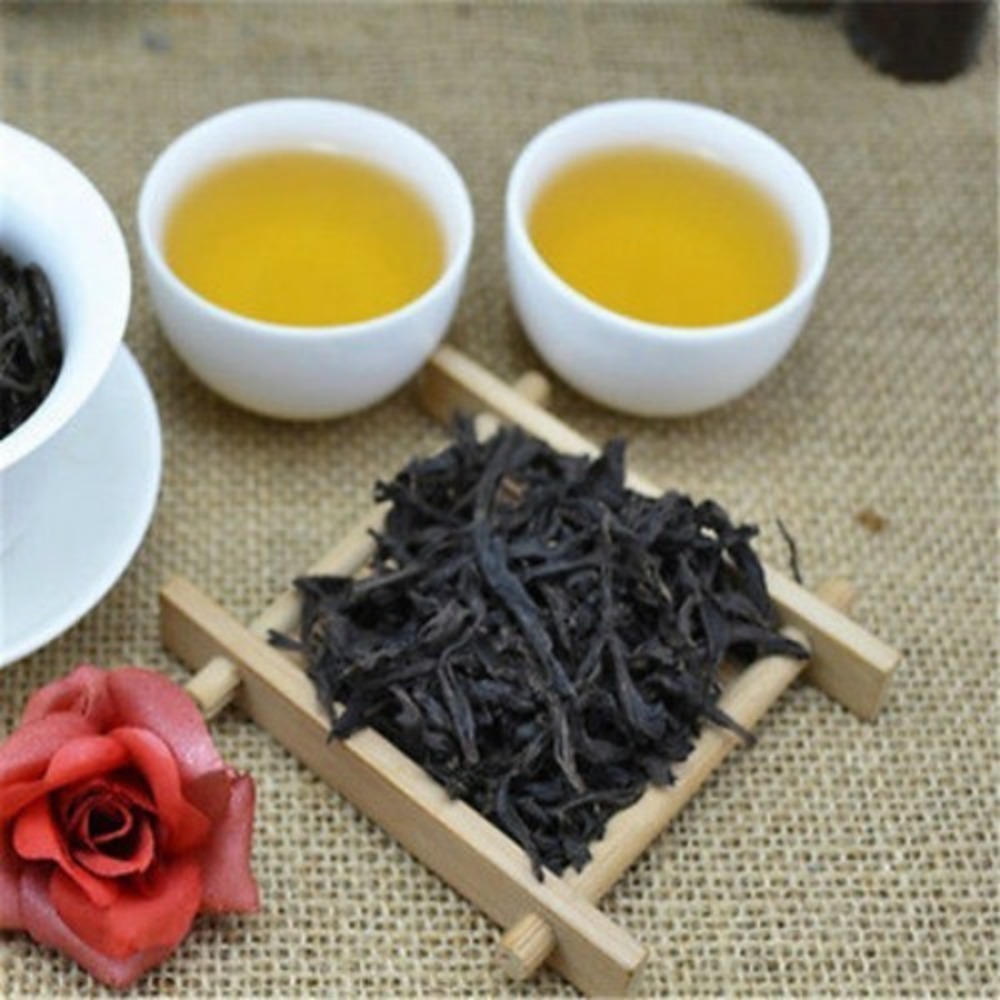 CIFbuy Da Hong Pao Oolong Tea Premium Chinese Rock Loose Leaf Tea$32.99
 View on Mallflare
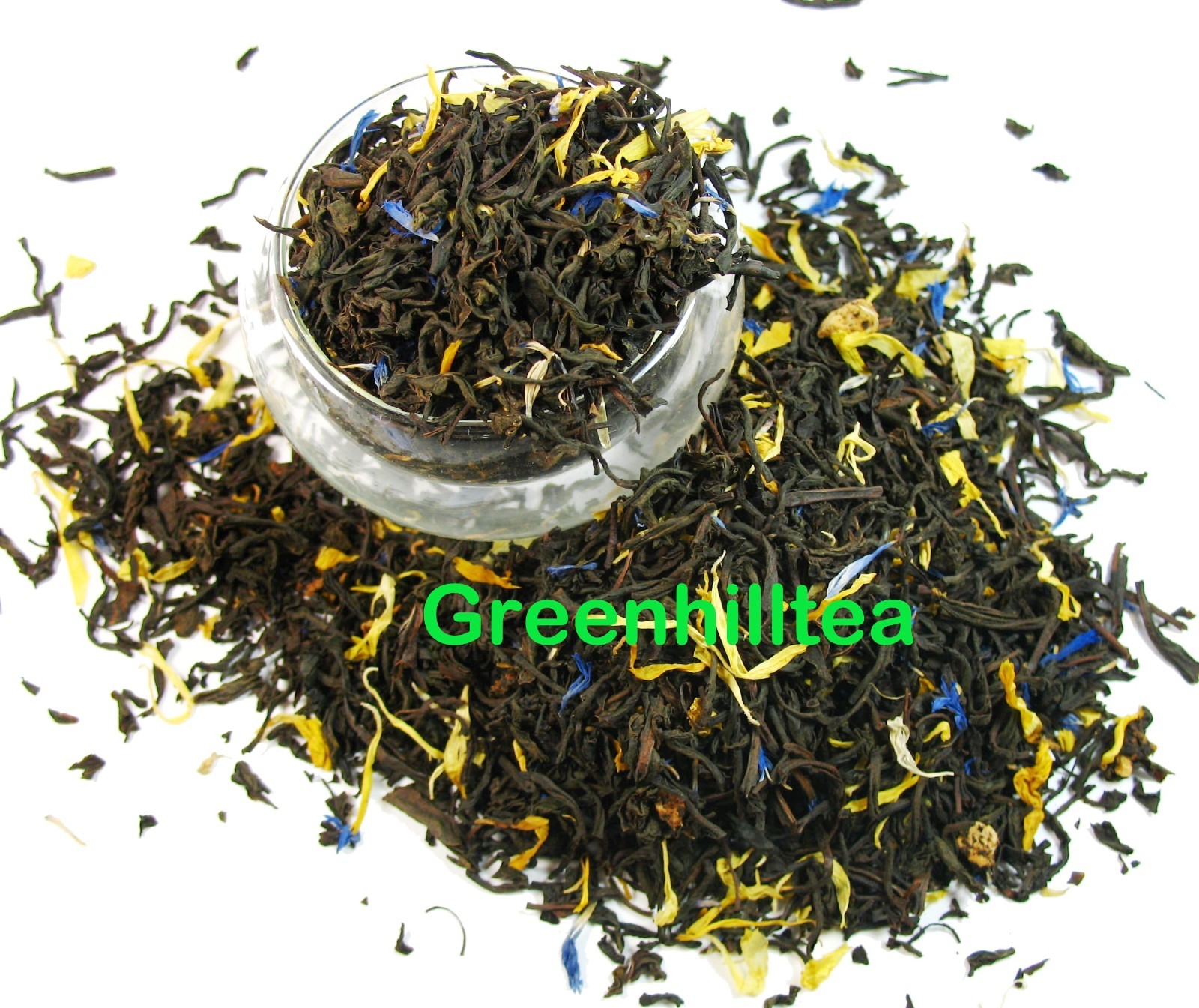 Blue lady black tea loose leaf tea 1/4 LB bag$12.50View on eBay
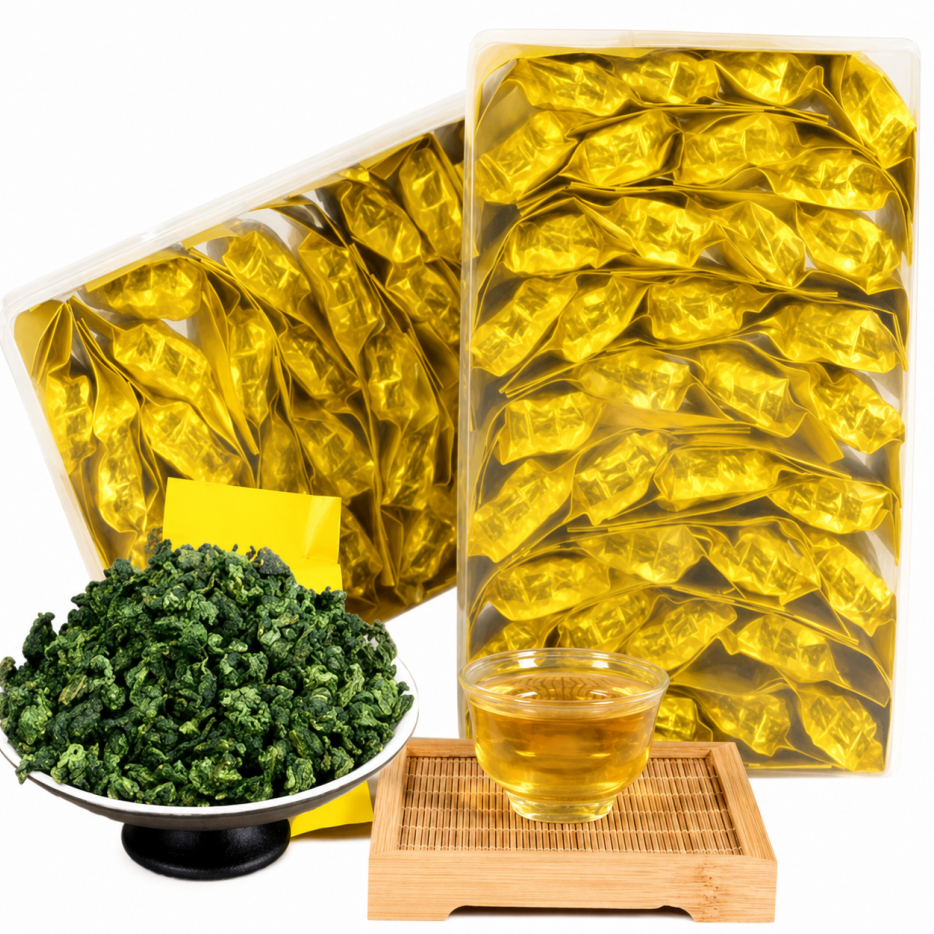 CIFbuy Anxi Tieguanyin Oolong Tea 250g Green Style Loose Leaf$32.99View on Mallflare
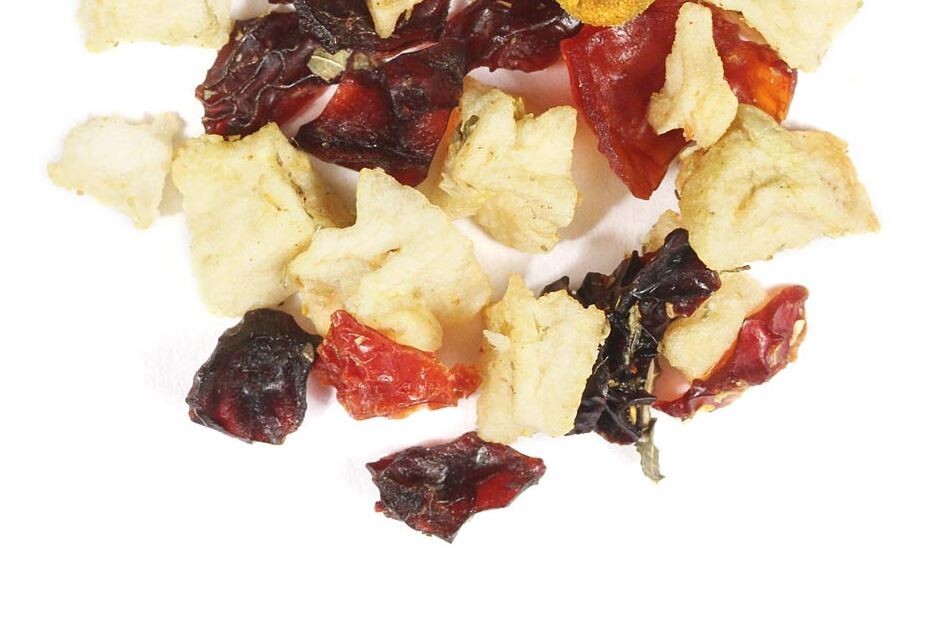 Peach serenity herbal loose leaf tea 5 ounce bag decaf$14.00View on eBay
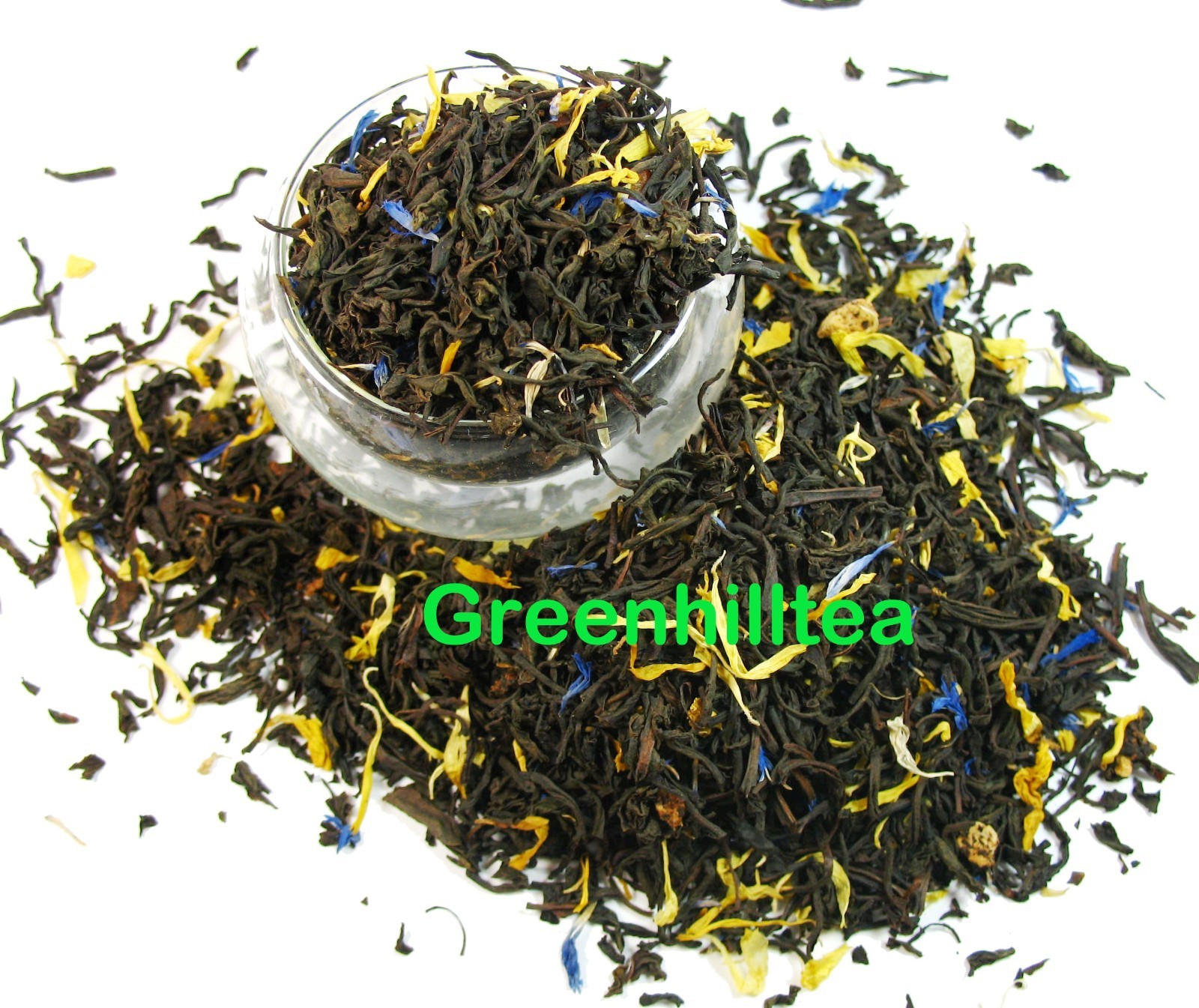 Blue lady natural flavored black tea loose leaf tea 1/2 LB bag$15.99View on eBay
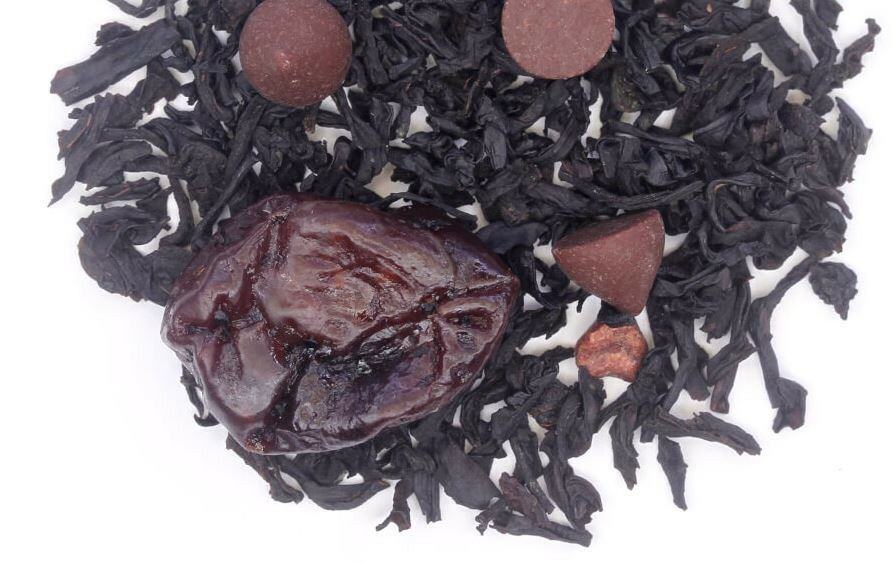 Black forest cake loose leaf tea 5 ounce bag chocolate and cherry flavor new$16.00View on eBay
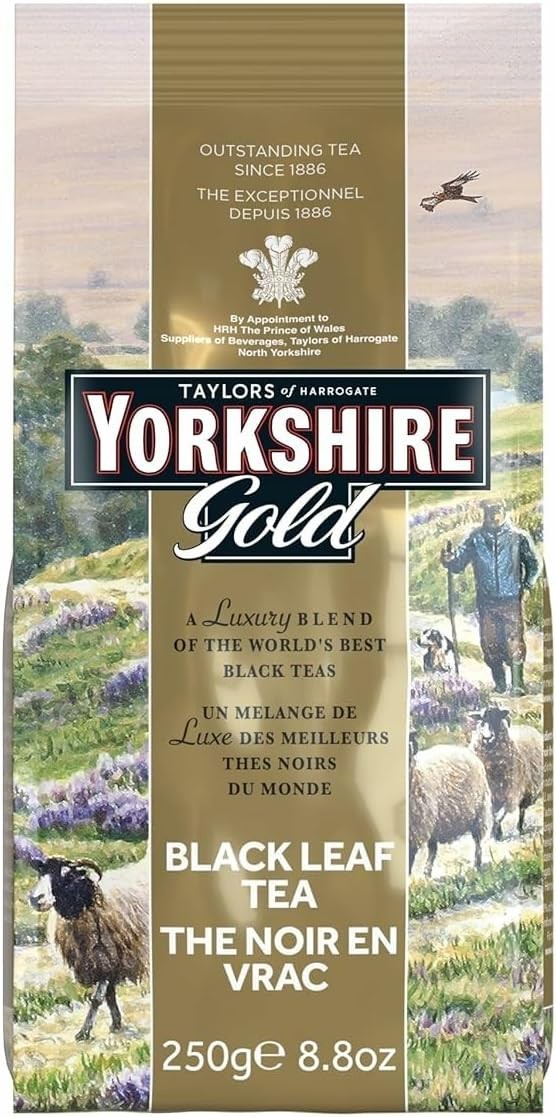 Gold, Loose Leaf Tea, Black Tea, 8.8 Ounce, Premium Blend, Rich, Smooth, and$16.14View on eBay
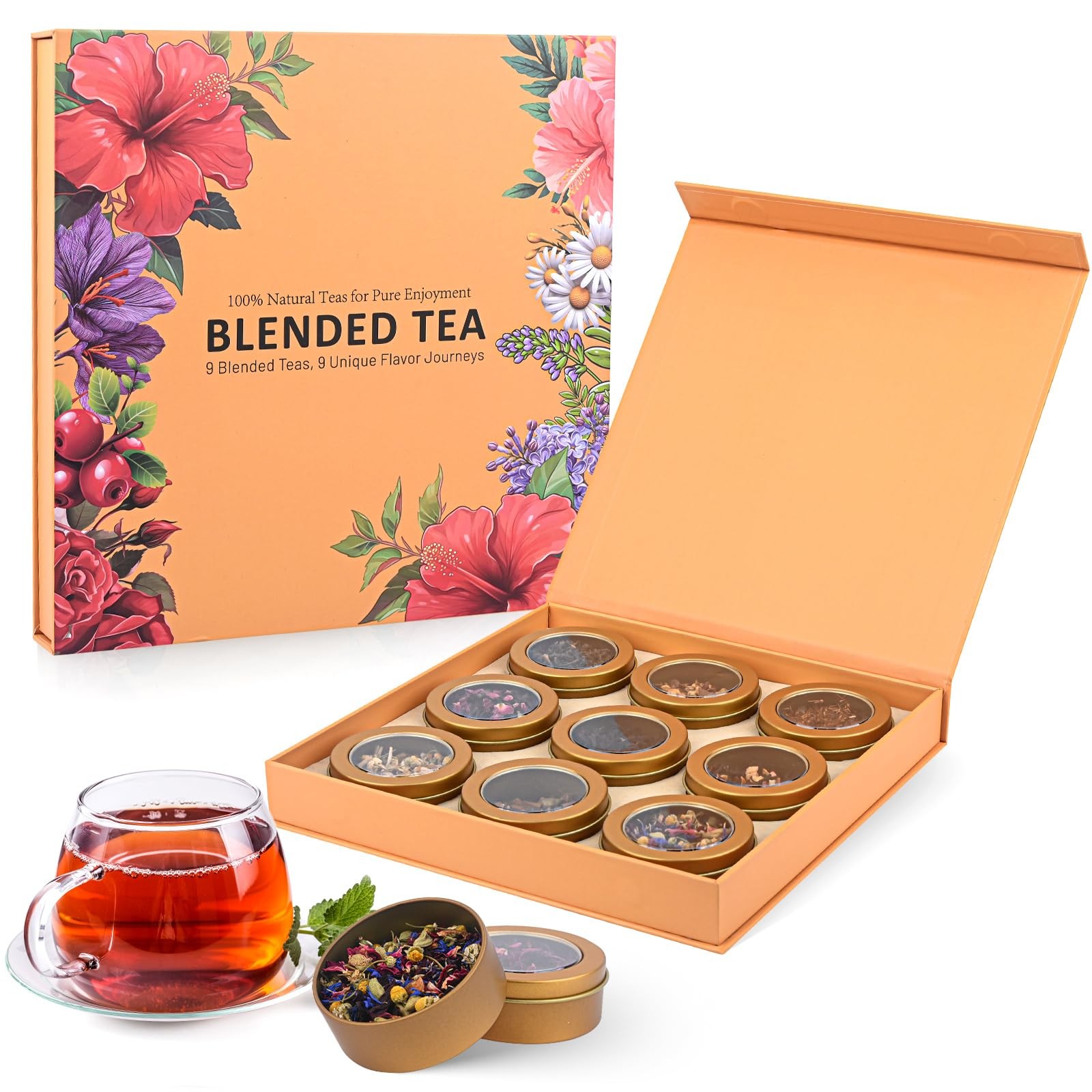 Tea Gift Set, 9 Blend Loose Leaf Tea Sampler for Family, Friends and Lover$17.62View on eBay
- Tea Gift Set, 9 Blend Loose Leaf Tea Sampler for Family, Friends and Lover$17.84View on eBay
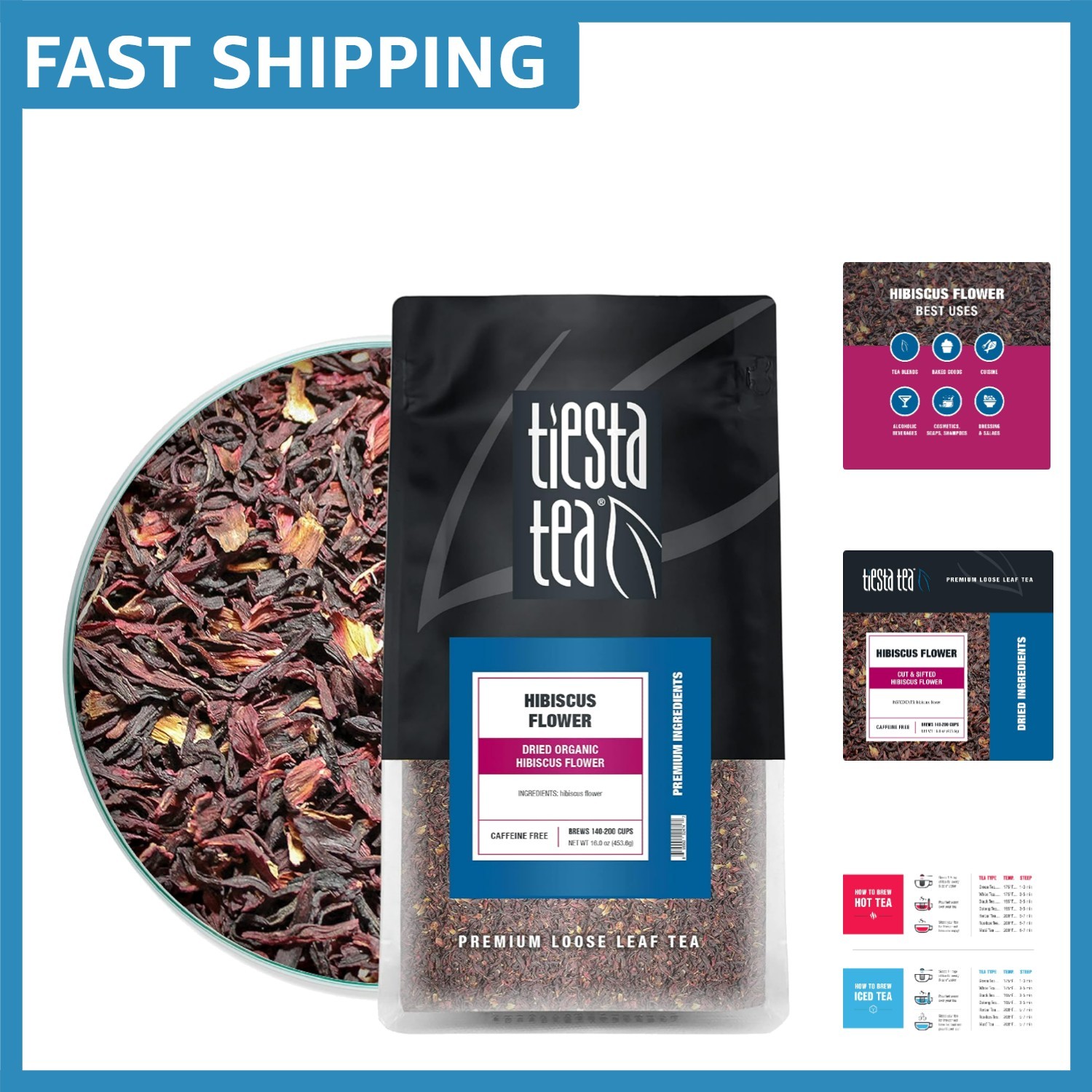 16oz Organic Hibiscus Loose Leaf Tea - Gluten-Free with 545 Days Shelf Life$18.89View on eBay
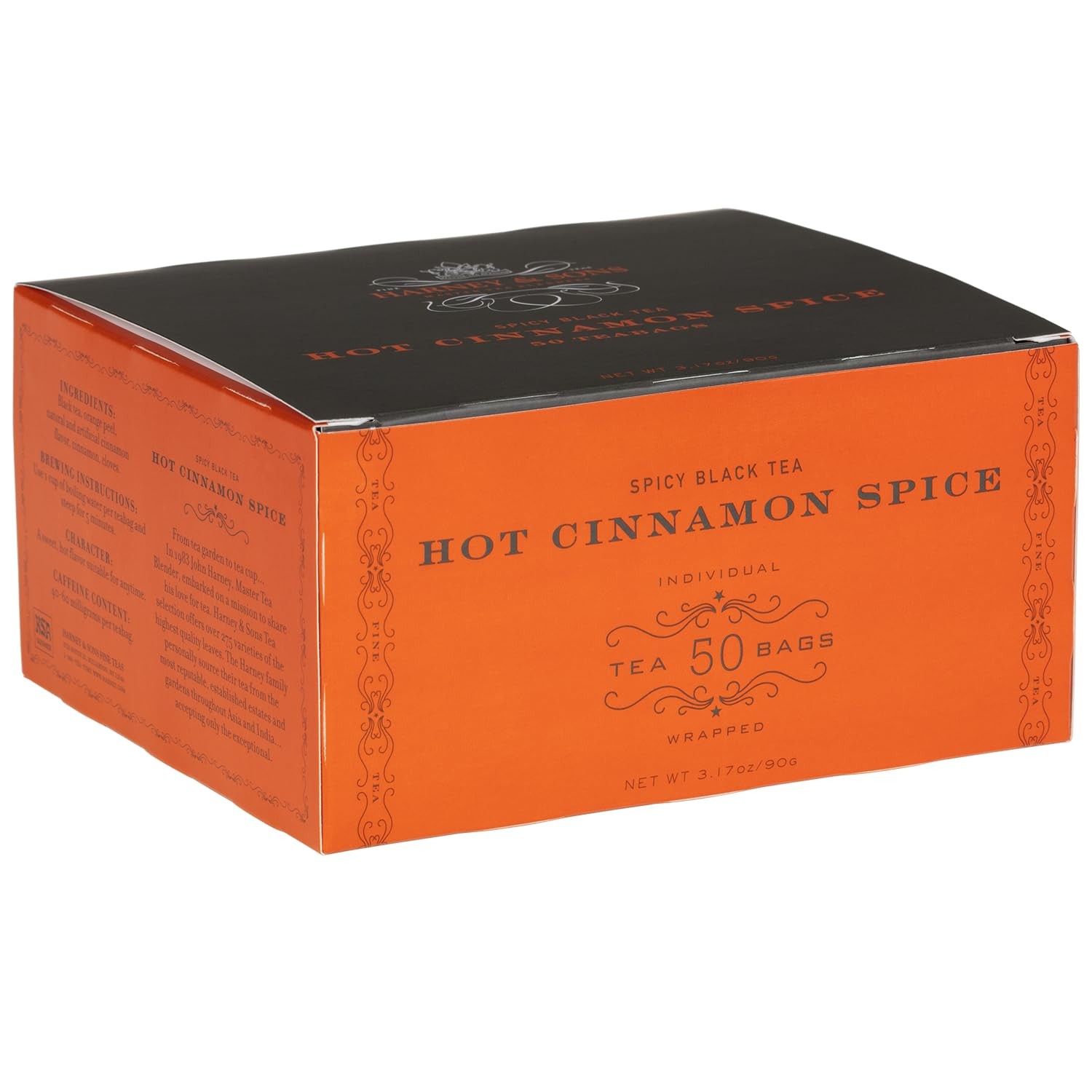 Harney and Sons Hot Cinnamon Spice Black Tea Bags 50 Count Loose Leaf Tea$19.51View on eBay
- Tea Gift Set, 9 Blend Loose Leaf Tea Sampler for Family, Friends and Lover$21.27View on eBay
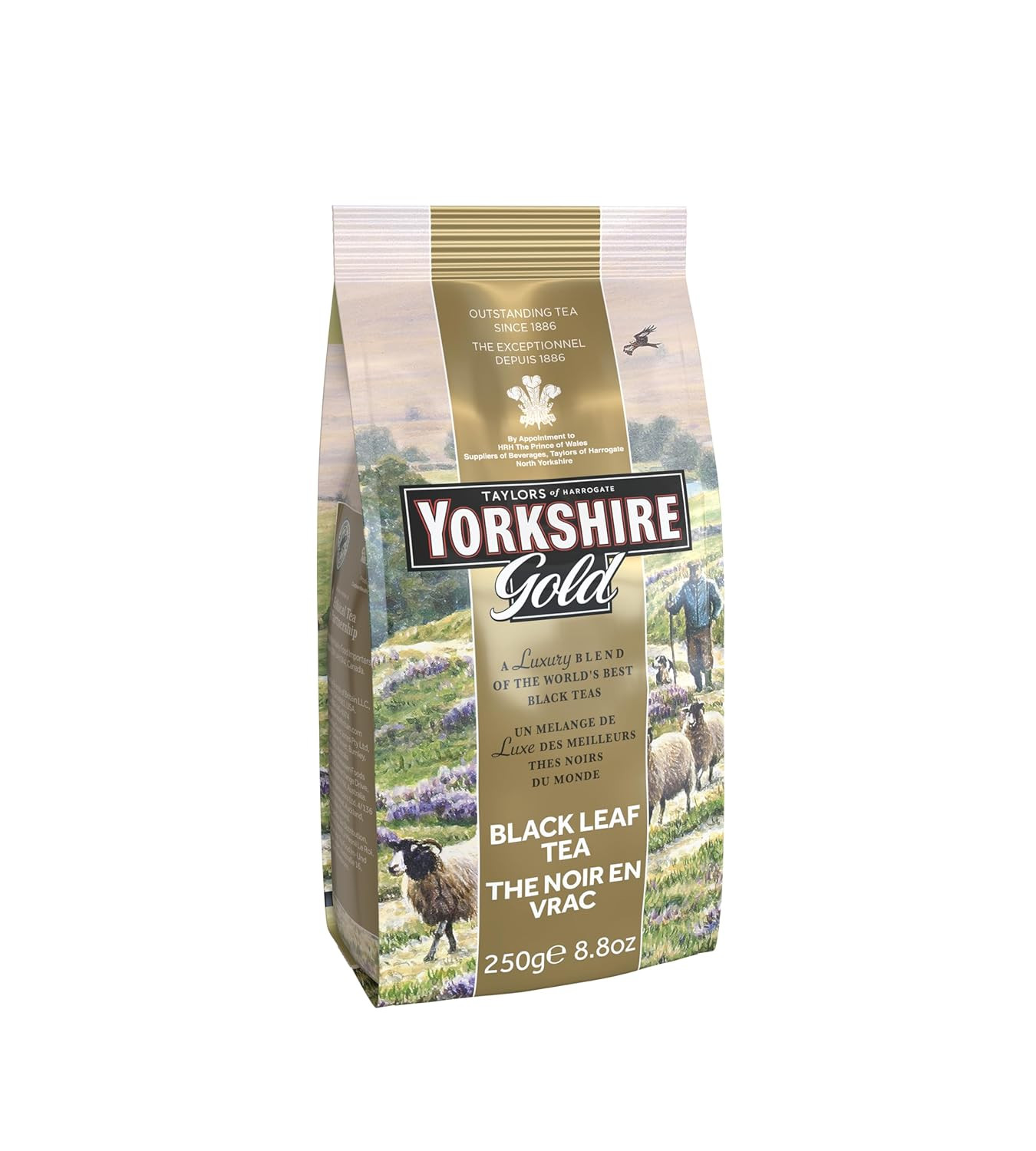 , Gold, Loose Leaf Tea, Black Tea, 8.8 Ounce, Premium Blend, Rich, Smooth, and S$23.95View on eBay
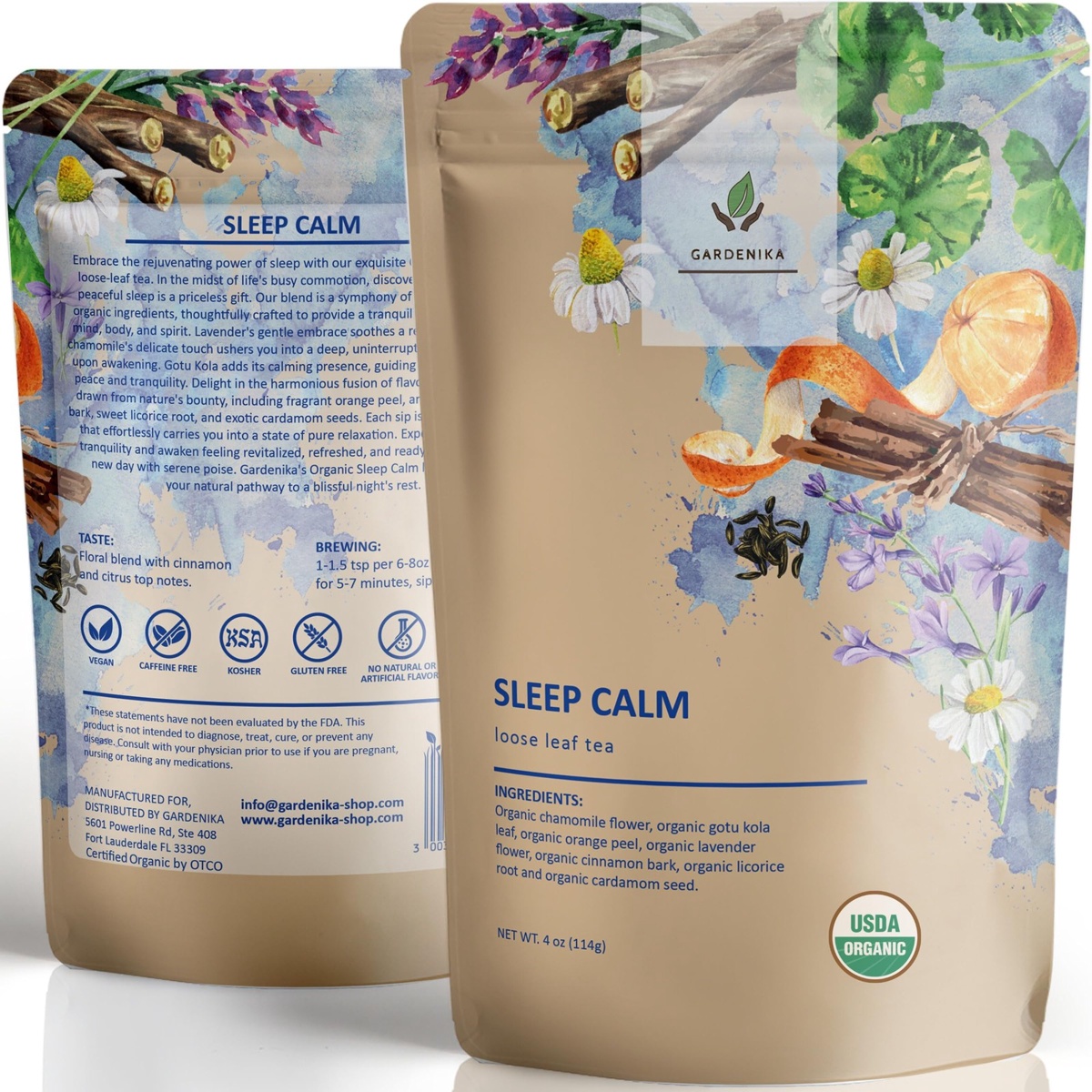 Organic Sleep Loose Leaf Tea with Chamomile and Lavender Flowers, Herbal, Caf...$25.66View on eBay
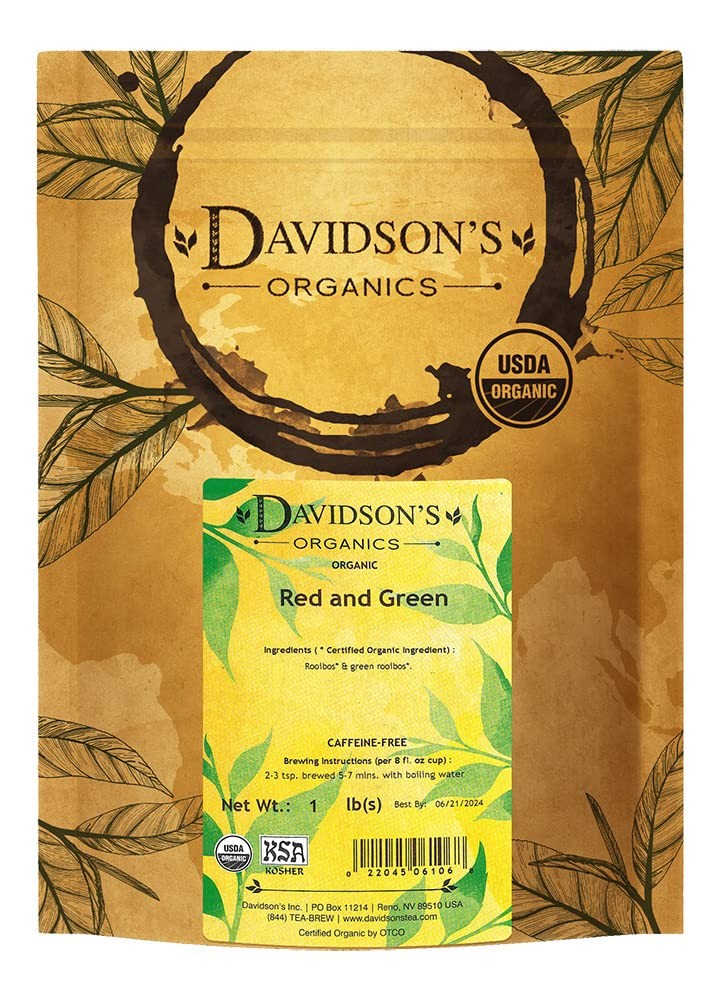 Davidson's Organic Red And Green Loose Leaf Tea 1 Pound Robust Flavor$25.89View on eBay
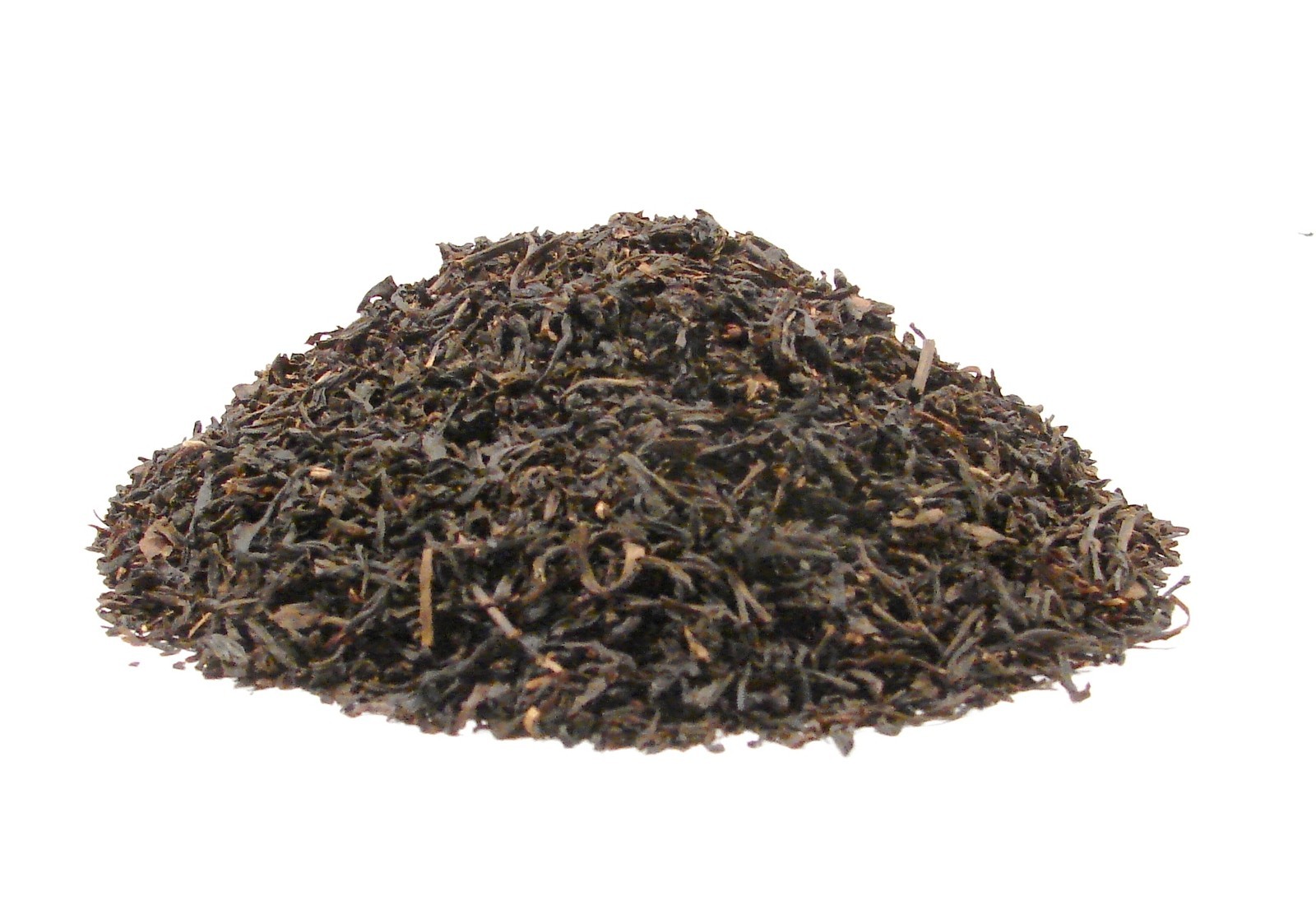 China Black Loose Leaf Tea - 2 Pound Bag - Bulk Beakfast and Sun Type Tea$26.24View on eBay
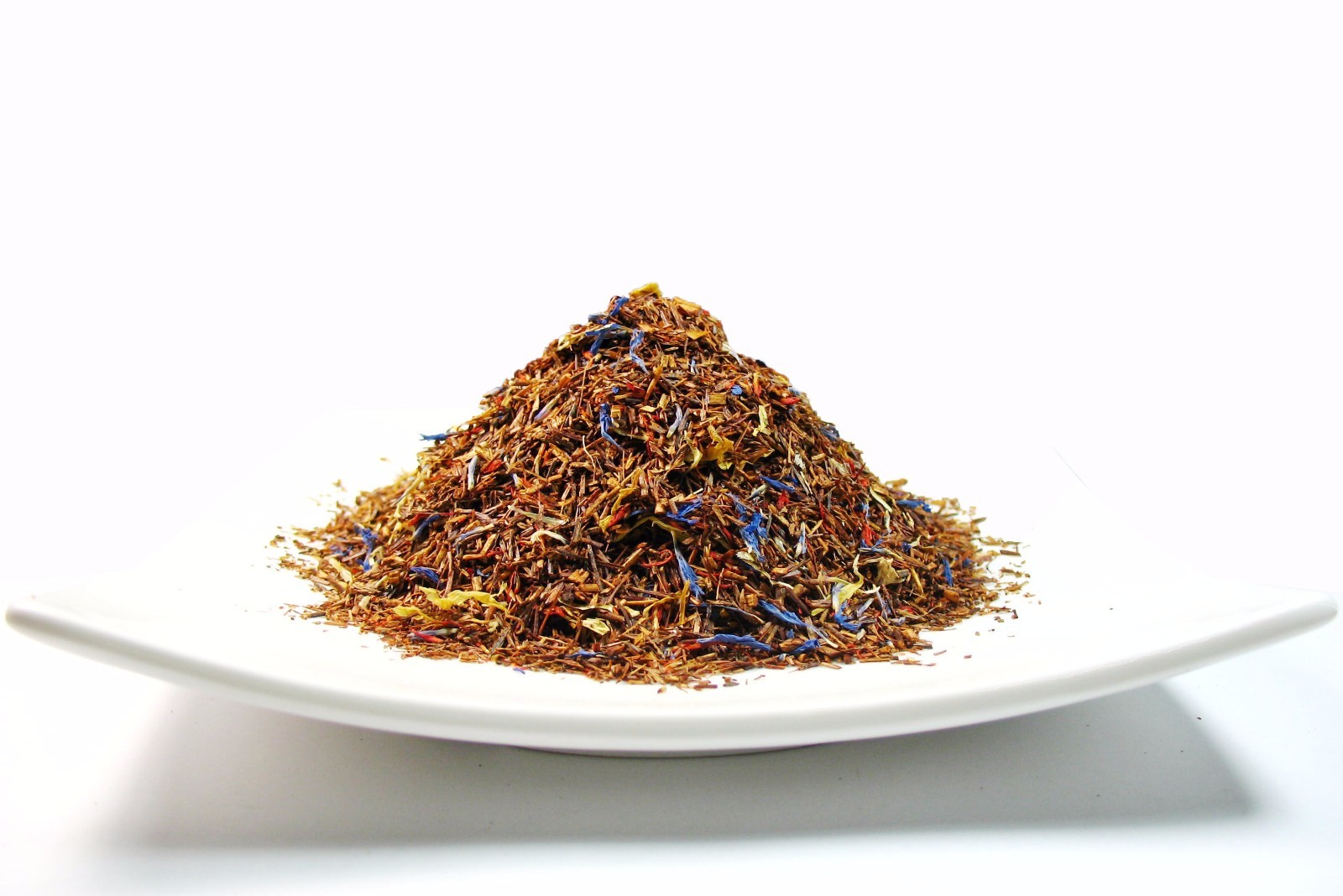 Rainbow rooibos South African GMO and caffeine free loose leaf tea 1 LB Bag,$32.00View on eBay
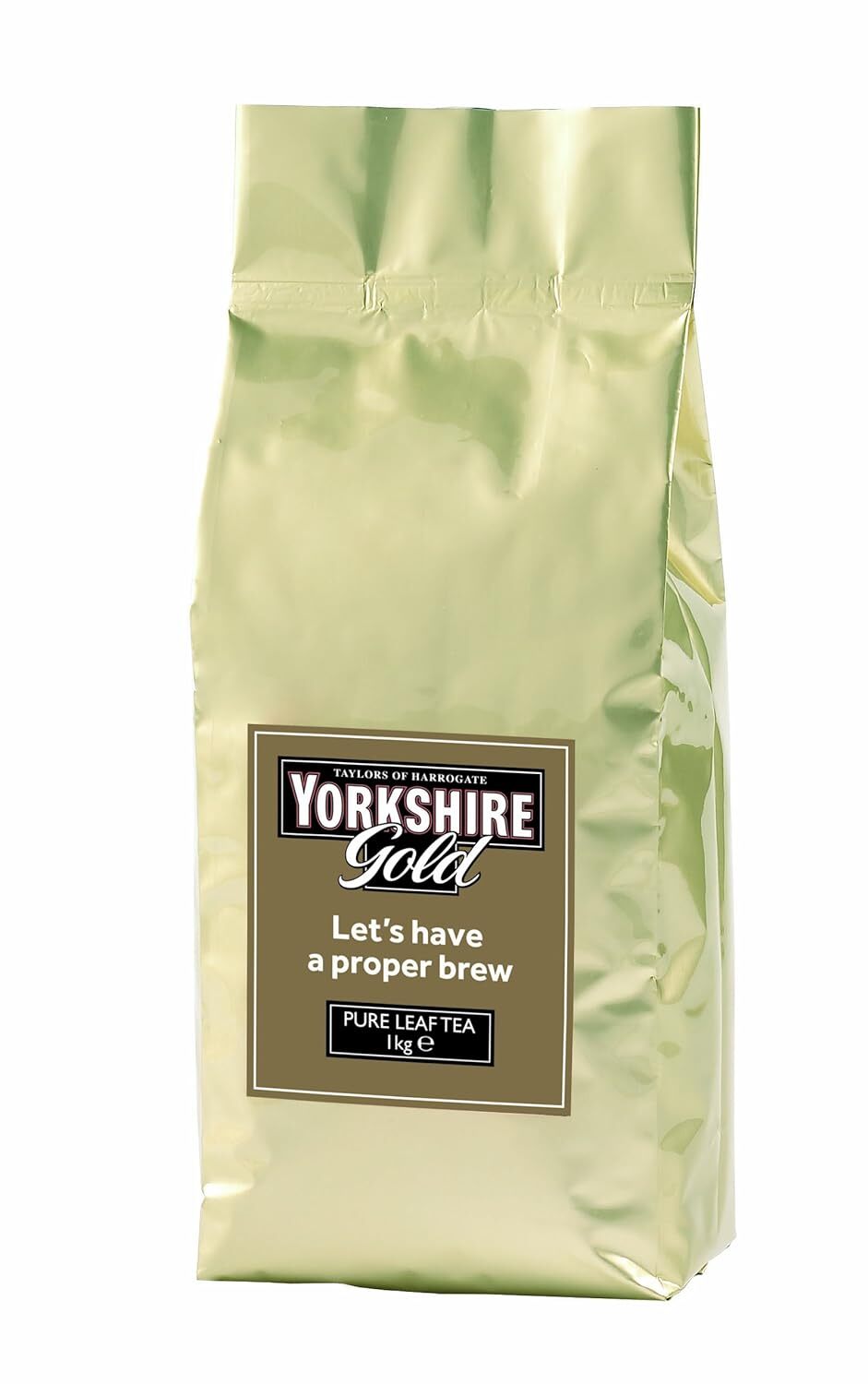 Taylors Of Harrogate Yorkshire Gold Loose Leaf Tea, Kilo Bag, 35.27 Ounce (Pack$39.69View on eBay
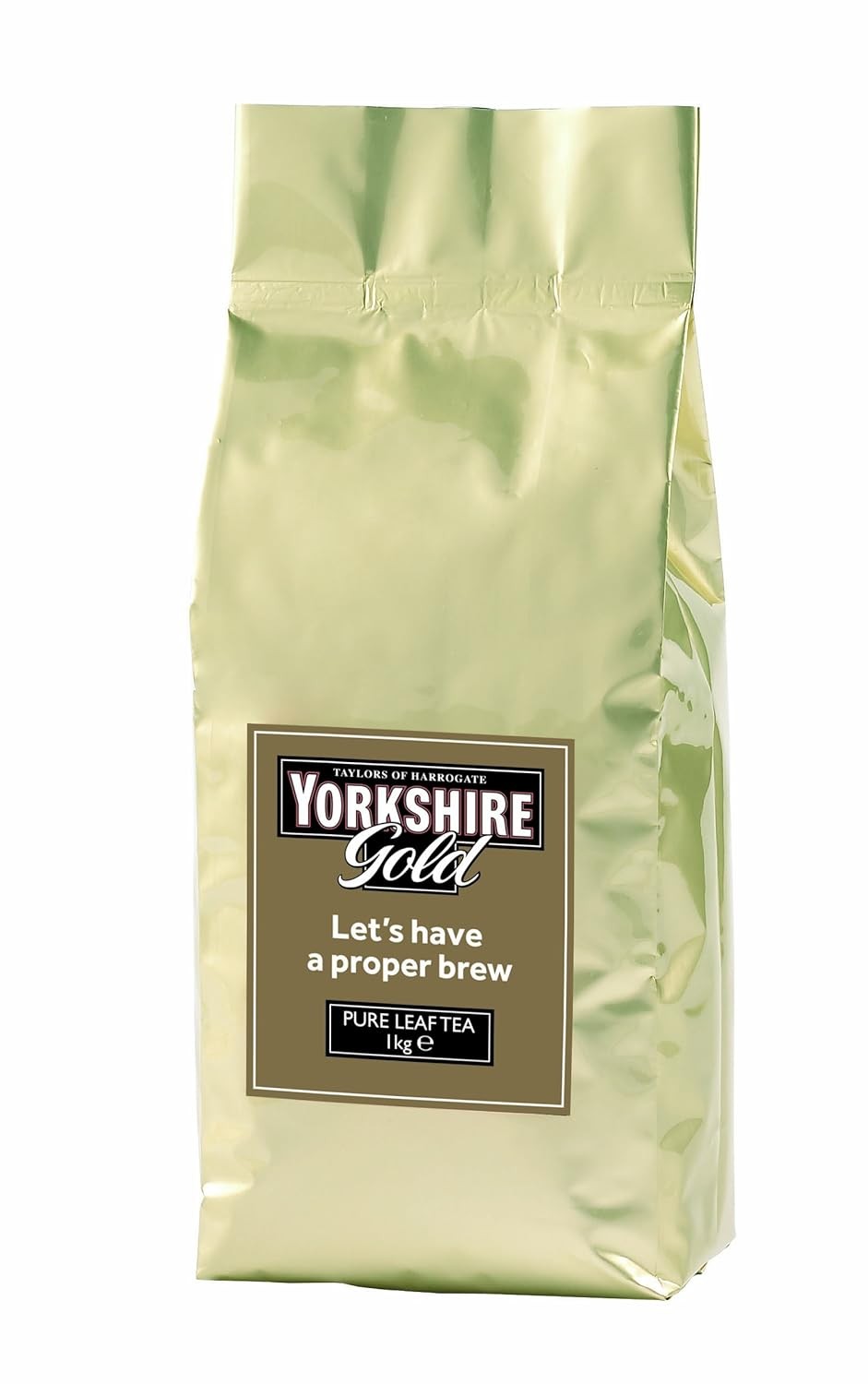 Taylors of Harrogate Yorkshire Gold Loose Leaf Tea, 2.2 Pound (Pack 1)$42.99View on eBay
Highlights
- Orthodox whole-leaf grades (FTGFOP, SFTGFOP) keep intact leaf structure for multi-infusion brewing, while CTC (crush-tear-curl) granules extract fast but turn bitter and yield one steep.
- Green and white teas oxidize below 8-10% and need 70-80°C water; black and oolong teas are fully or partially oxidized and steep best at 90-100°C.
- Whole-leaf teas tolerate 2-5 re-steeps at 3-5 g per 300 ml, whereas fannings roughly halve yield and release tannins within the first infusion.
- Herbal 'teas' (rooibos, chamomile, peppermint) contain no caffeine and are not Camellia sinensis; flavored blends use natural or artificial flavoring oils that fade faster than the leaf itself.
Best use cases
- Daily black or oolong drinker: buy 250-454 g (8 oz-1 lb) whole-leaf lots from a single origin—the weight tier amortizes cost per cup and stays fresh if resealed.
- Green or white tea drinker: buy smaller 50-100 g lots and brew at 70-80°C to avoid scorching delicate leaves; skip 1 lb bags that will stale before you finish them.
- Gift or sampler shopper: pick a 9-blend sampler set to compare oxidation styles, then commit to a full-size lot of the one variety you finish first.
Buying tips
- Dose roughly 3 g whole leaf per 300 ml (about 1 heaped teaspoon), so a 100 g bag yields 30-35 cups—size your purchase to your weekly cups times shelf life.
- Choose orthodox whole-leaf grades over CTC or dust for layered flavor; broken-leaf grades are the value middle ground for strong breakfast blends.
- Match oxidation to water temperature: green/white 70-80°C, oolong 85-95°C, black and pu-erh 95-100°C; a variable-temperature kettle matters more than the leaf for green tea.
- For flavored blends (Earl Grey, chocolate-cherry, peach), natural flavoring oils taste cleaner than artificial; bergamot-forward Earl Grey should show real oil, not just 'flavoring'.
Specs
| Leaf Grade | Orthodox whole-leaf vs CTC vs fannings |
|---|---|
| Oxidation Level | Green/white <10% to black 100% |
| Steep Temp | 70-100°C by tea type |
| Pack Size | 50 g-454 g / sampler sets |
Related searches
What to check before buying
- Confirm you own a basket infuser, gaiwan, or teapot with a fine mesh—whole leaf needs room to unfurl; paper tea bags pinch expansion.
- Measure storage: whole-leaf tea keeps 6-12 months in an airtight, opaque tin away from light and heat; buy lot sizes you can finish inside that window.
- Check your kettle's temperature control range (70-100°C); a fixed 100°C boil will scorch green and white teas.
- For flavored or herbal blends, confirm caffeine content on the label—herbals are caffeine-free, while decaf black tea is decaffeinated, not naturally caffeine-free.
FAQ
Data sources: eBay / Amazon listings and product attribute feeds Data updated Nov 18, 2026.
Some links on this page are affiliate links. If you buy after clicking one, we may earn a commission at no extra cost to you. This does not change which products appear here or their order. Affiliate disclosure.