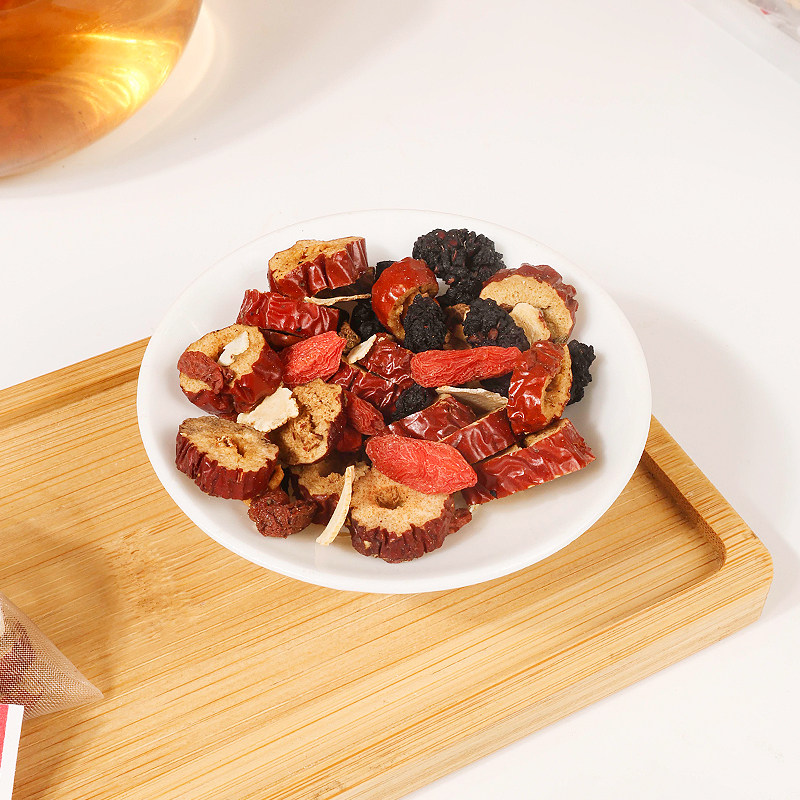

Photos from current listings. Actual item, color, and included accessories may vary.
Kidney Health Tea Buying Guide
Kidney health teas are botanical blends marketed to support renal function, typically built around traditional herbs like ginseng, wolfberry, mulberry, and red date. The core trade-off is between whole-herb, named-ingredient blends with measurable botanical content and vague 'five-treasure' or proprietary formulas that hide dosages behind lifestyle marketing. Choose teas that list each herb and its part (root, leaf, berry) with a clear net weight per bag; skip blends where the ingredient panel is a single 'herbal blend' line or where 'kidney' appears only in the product title.


At a glance
- Category
- Snacks, Tea & Coffee
- Data updated
- Nov 18, 2026
Current offers
Highlights
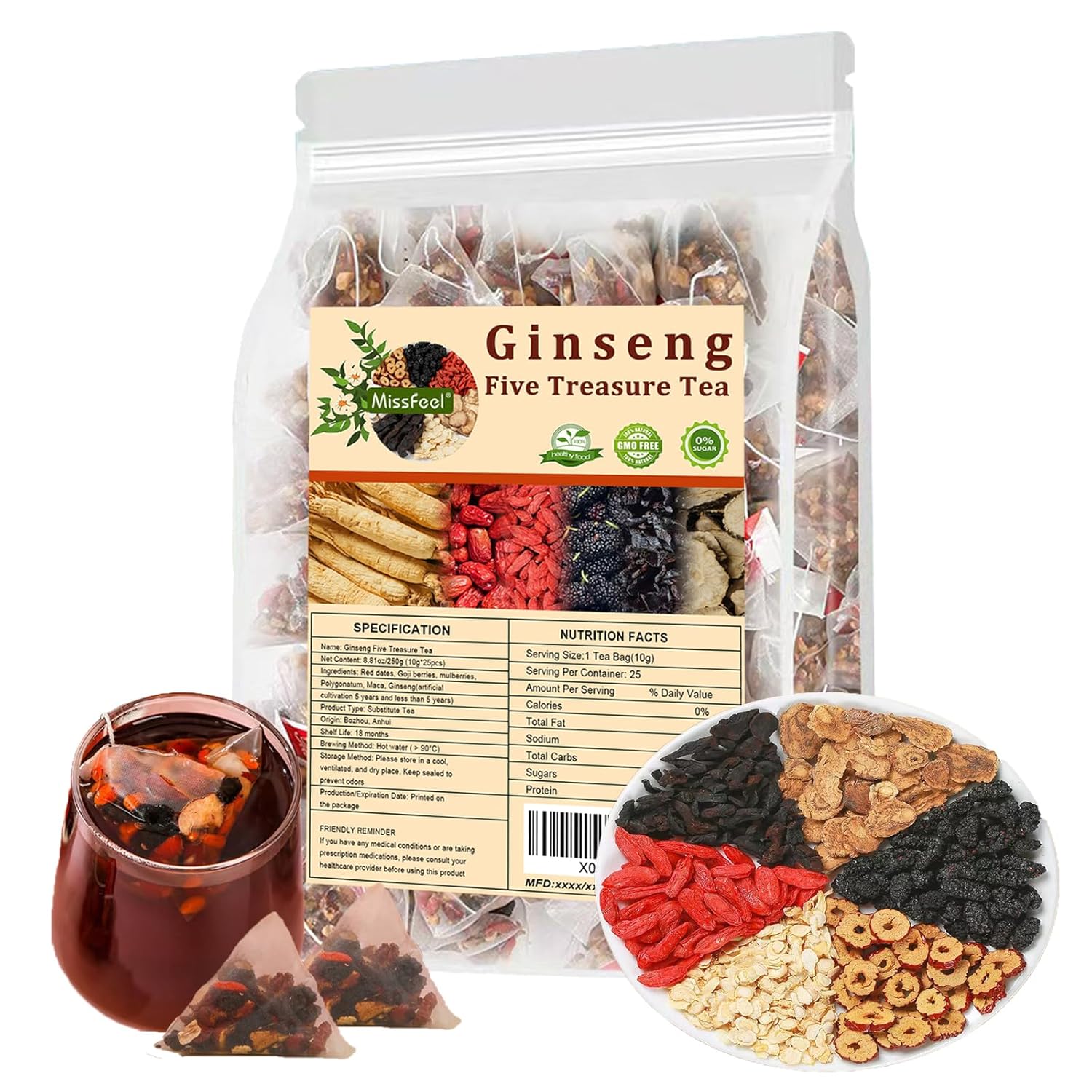
- Five-treasure ginseng blends combine ginseng root with wolfberry, red date, mulberry, and other botanicals; efficacy depends on actual ginseng root percentage, not the 'five treasure' name.
- Whole dried berries and roots retain measurable polysaccharides and flavanoids; finely crushed 'tea dust' in paper bags delivers weaker infusion and faster staling.
- Individually wrapped, foil-lined sachets preserve volatile ginsenosides and prevent moisture uptake; loose paper bags in a single pouch lose aroma and potency within weeks of opening.
- Caffeine-free herbal formulas suit daily and evening use; blends containing green or black tea add caffeine and should be limited if sleep or blood pressure is a concern.
Best use cases
- Best fit: Buy a named-herb ginseng five-treasure blend with whole wolfberry and red date pieces if you want a daily caffeine-free botanical tea and can read the ingredient list.
- Best fit: Choose a mulberry-leaf or mulberry-fruit forward blend if you prefer a lighter, less sweet cup without ginseng's earthy bitterness.
- Wrong fit: Skip 'kidney tea' products whose only kidney reference is the title and whose ingredient panel is a generic 'herbal blend' with no herb percentages.
- Wrong fit: Avoid highly sweetened red-date-heavy blends if you are managing blood sugar; added sugar or honey crystals undermine the health positioning.
Buying tips
- Check the net weight per bag: whole-herb sachets typically run 2–4 g; anything under 1.5 g is mostly dust and delivers weak infusion.
- Look for ginseng listed as root (not 'ginseng flavor' or 'ginseng extract powder'); whole or sliced root is the marker of a quality five-treasure blend.
- Prefer foil-wrapped individual sachets over a single bulk pouch; opened botanicals absorb moisture and lose aroma within 4–6 weeks.
- Confirm the herb part is named (wolfberry fruit, mulberry leaf, red date) rather than a single 'proprietary blend' line with no breakdown.
Specs
| Herb Base | Ginseng root / wolfberry / mulberry |
|---|---|
| Sachet Weight | 2–4 g whole-herb per bag |
| Caffeine | Caffeine-free herbal blends |
| Packaging | Foil sachets vs bulk pouch |
Related searches
What to check before buying
- Read the full ingredient panel and confirm each herb is named with its plant part; reject single-line 'herbal blend' labels.
- Check net weight per sachet and total sachet count to estimate cost per cup and whether the dose is meaningful.
- Verify caffeine content: choose caffeine-free blends for evening or daily unrestricted use.
- Check packaging format (foil sachets vs bulk pouch) against your climate; humid environments demand sealed sachets.
FAQ
Data sources: eBay / Amazon listings and product attribute feeds Data updated Nov 18, 2026.
Some links on this page are affiliate links. If you buy after clicking one, we may earn a commission at no extra cost to you. This does not change which products appear here or their order. Affiliate disclosure.