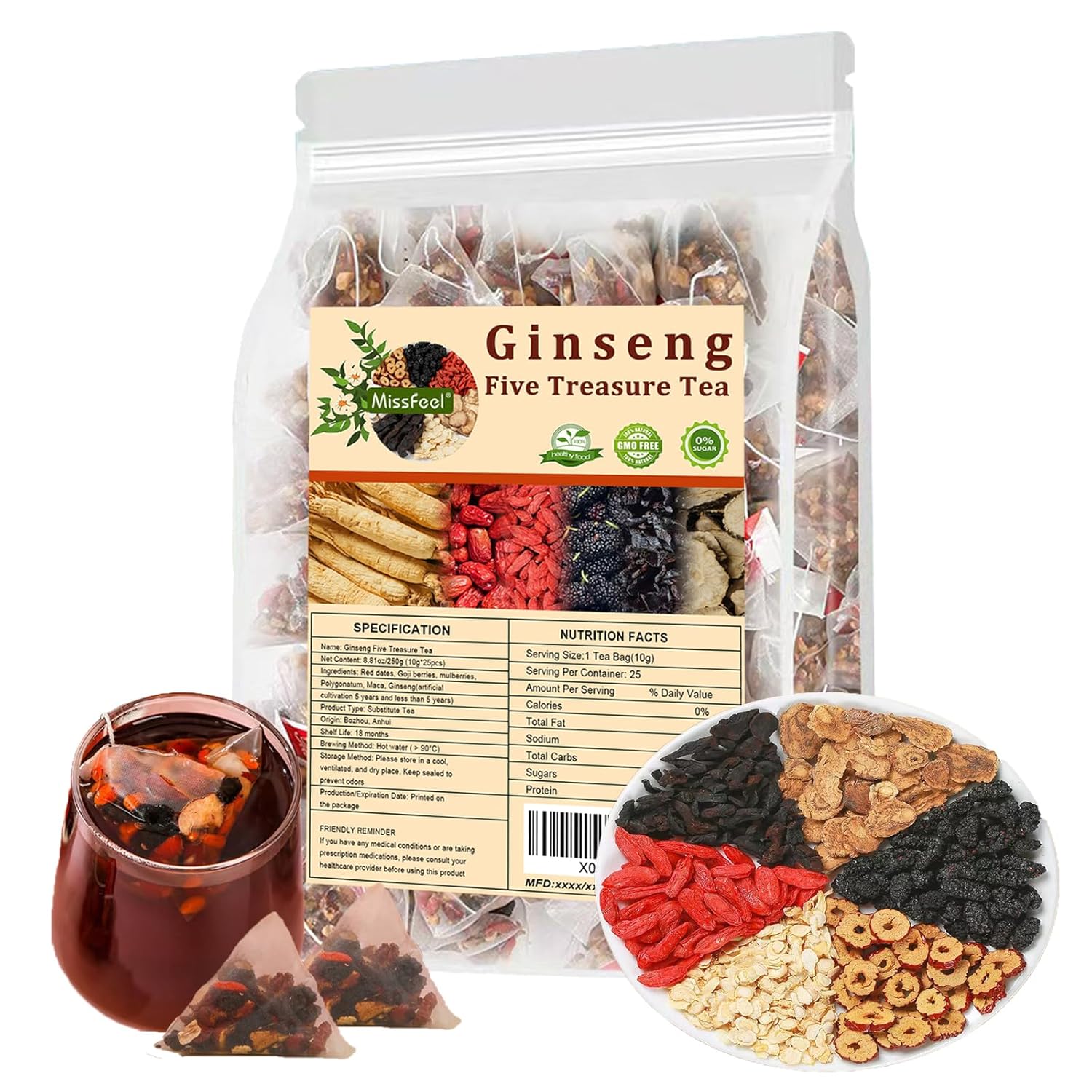

Photos from current listings. Actual item, color, and included accessories may vary.
Herbal Tea Kidney Health Buying Guide
Herbal teas marketed for kidney health range from single-ingredient botanicals to multi-herb blends, but the primary trade-off is between transparent, pharmacologically studied ingredients (nettle, dandelion, corn silk) and vague proprietary 'kidney formulas' that list no meaningful quantities. The decision rule: choose products that disclose exact herb species and part used (leaf, root, silk) per serving, and avoid blends relying on ginseng or stimulant herbs as the lead ingredient for daily kidney support.


At a glance
- Category
- Snacks, Tea & Coffee
- Data updated
- Nov 18, 2026
Current offers
Highlights
- Diuretic action comes from specific botanicals: stinging nettle leaf (Urtica dioica), dandelion leaf (Taraxacum officinale), and corn silk (Zea mays) are the three best-studied gentle diuretics; root vs leaf matters because dandelion root is a bitter digestive, not a diuretic.
- Corn silk and nettle work via increased urine output without potassium depletion in traditional use, whereas blends built around ginseng (Panax) are stimulant adaptogens, not kidney-specific diuretics — label order reveals the real formula.
- Whole-leaf and cut-and-sift teas in pyramid or large flat sachets infuse more water-soluble actives than fine fannings/dust in standard pouches; 2–3 g of herb per bag is the functional threshold, below which the tea is mostly flavoring.
- Single-herb packages let you dose and rotate (e.g., nettle in the morning, corn silk in the afternoon); multi-herb 'formula' bags with 10+ ingredients typically deliver subclinical amounts of each, making them lifestyle beverages rather than targeted support.
Best use cases
- Best fit: buy a single-ingredient nettle leaf or corn silk tea (loose or 2 g+ sachets) if you want a daily gentle diuretic to support urinary flow — steep 5–10 minutes and drink 2–3 cups between meals.
- Best fit: choose a transparent 2–3 herb blend (nettle + dandelion leaf + corn silk) with species and part listed per ingredient when you want convenience without stimulants; skip any 'kidney formula' whose first ingredient is ginseng or a flavoring.
- Wrong fit: do not pick ginseng-led 'five treasure' or 'eight treasure' combination teas for kidney support — those are warming qi-tonic blends with red date and wolfberry, better suited to general fatigue, not urinary/diuretic goals.
- Wrong fit: avoid fine-dust tea bags and flavored 'kidney cleanse' blends with senna or licorice root for regular use; senna is a laxative and licorice can raise blood pressure with prolonged intake.
Buying tips
- Read the ingredient list in descending order: for kidney-support intent, nettle, dandelion leaf, or corn silk should appear first; if ginseng, red date, or wolfberry lead, it is a tonic blend, not a diuretic tea.
- Check herb weight per bag: functional sachets are typically 2–3 g; if the net weight divided by bag count is under 1.5 g, you are buying aroma and color, not a meaningful herbal infusion.
- Prefer whole-leaf, cut-and-sift, or pyramid sachets over dust/fannings — larger particles retain volatile actives and brew a clearer, more potent cup; loose leaf gives the most control at roughly 1 tsp (2–3 g) per 8 oz cup.
- Rotate single herbs rather than relying on one 10-ingredient formula: 2–4 weeks of nettle, then corn silk, avoids building tolerance and lets you identify which botanical suits you; discontinue and consult a clinician if on diuretics or blood-pressure medication.
Specs
| Lead Herb | Nettle leaf / Corn silk / Dandelion leaf |
|---|---|
| Herb Weight per Bag | 2–3 g functional / <1.5 g flavor |
| Format | Loose leaf / Pyramid sachet / Flat bag |
| Caffeine | 0 mg (herbal infusion, no Camellia) |
Related searches
What to check before buying
- Confirm the product is a true infusion (Camellia sinensis-free) — check that green/black tea is not a base, since caffeine and oxalates are undesirable for daily kidney-focused hydration.
- Match the format to your routine: loose leaf needs a 300–400 ml infuser and 5–10 min steep; sachets need a mug and boiling water — pick pyramid sachets if you want whole-leaf quality without loose-leaf gear.
- Screen for contraindication herbs before buying: avoid senna, licorice root, and high-dose parsley/celery seed in daily blends; these are short-term or condition-specific, not everyday kidney teas.
- Verify the package states species and plant part (e.g., 'Urtica dioica leaf', 'Zea mays silk') rather than only common names or 'proprietary blend' — unambiguous labeling is the single best predictor of a serious herbal product.
FAQ
Data sources: eBay / Amazon listings and product attribute feeds Data updated Nov 18, 2026.
Some links on this page are affiliate links. If you buy after clicking one, we may earn a commission at no extra cost to you. This does not change which products appear here or their order. Affiliate disclosure.