Photos from current listings. Actual item, color, and included accessories may vary.
Herbal Tea Buying Guide
Herbal tea is a caffeine-free infusion of dried botanicals—leaves, flowers, roots, seeds, or bark—rather than true Camellia sinensis tea. The core trade-off is between whole-leaf/root cut-and-sifted material that preserves volatile oils and flavor versus fine fannings and dust packed for speed and low cost. Buy whole-leaf or coarse-cut single-origin botanicals for flavor and repeat brewing, and treat fine-cut bagged blends as convenient but lower-extraction options.

At a glance
- Category
- Snacks, Tea & Coffee
- Data updated
- Nov 18, 2026
Current offers
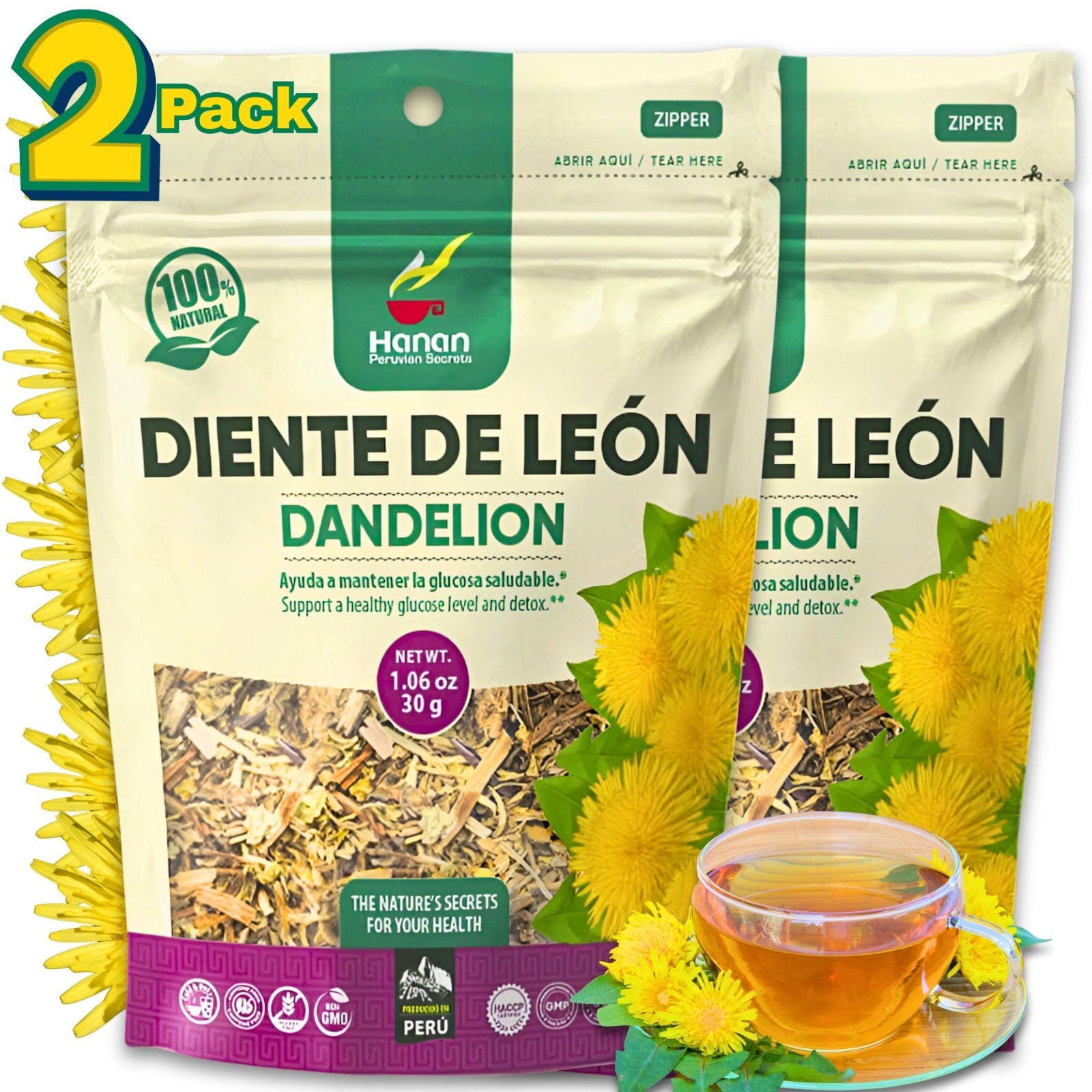 Dandelion Loose Leaf and Root Tea - Te de Diente de Leon Herbal Tea from Peru 2$19.99
 View on eBay
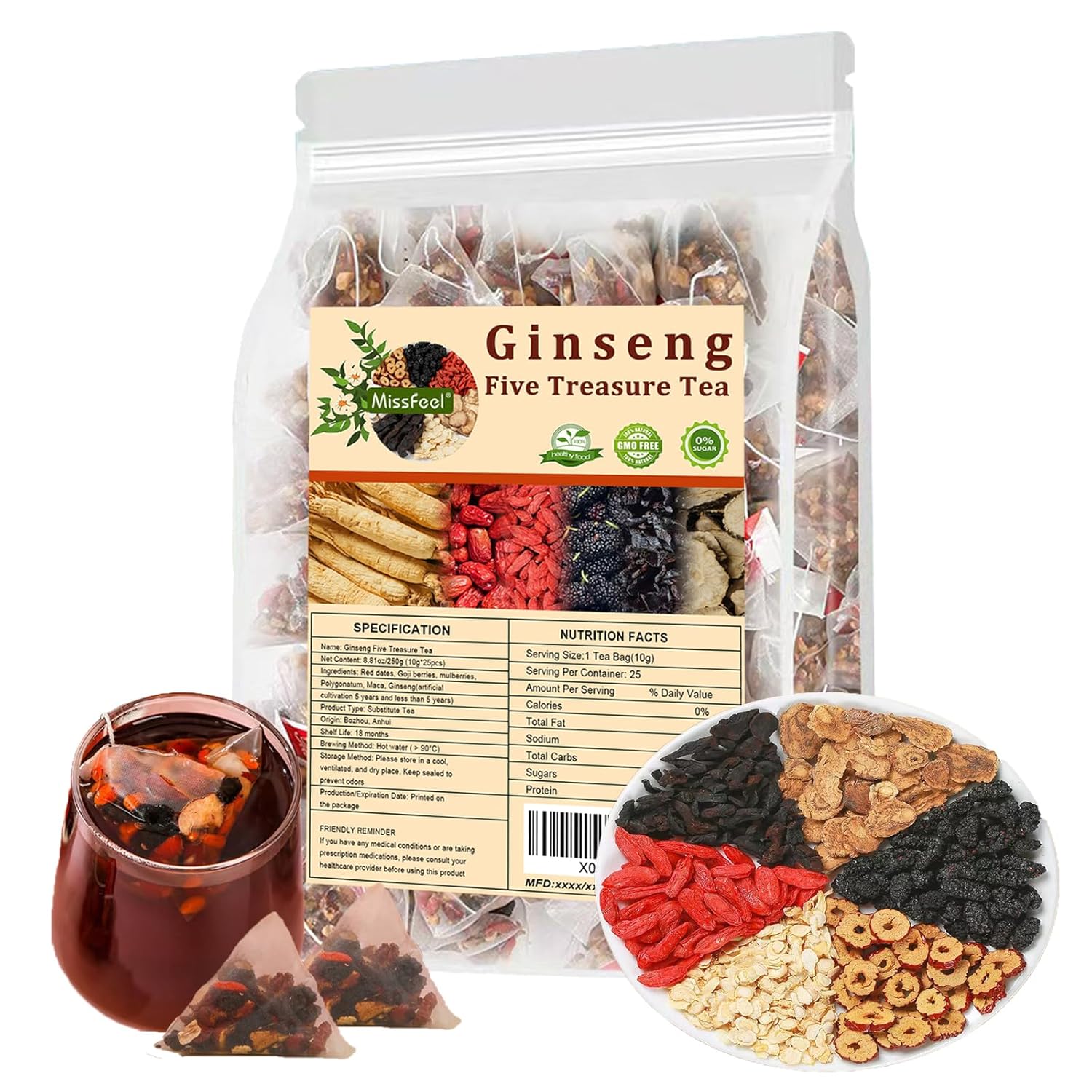 25bags Kidney Tea Formula Ginseng Five Treasure TeaCombination Scented Tea Eight Tea RedDate Wolfberry Tea Men's Tea Health TeaMulberry Herbal Tea Beverage$16.99
 View on Mallflare
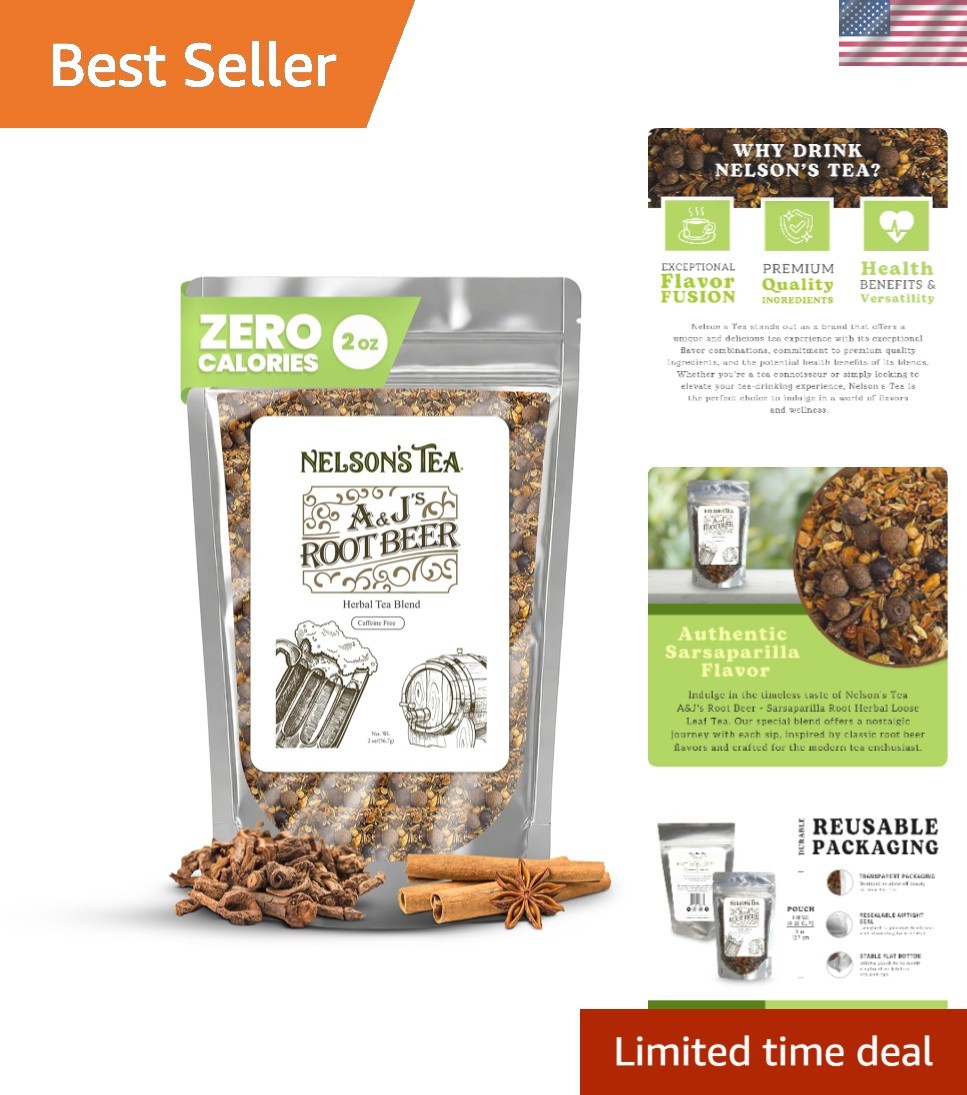 Handcrafted Really Root Beer Herbal Tea - , Gluten-Free, and Unique Taste$22.49View on eBay
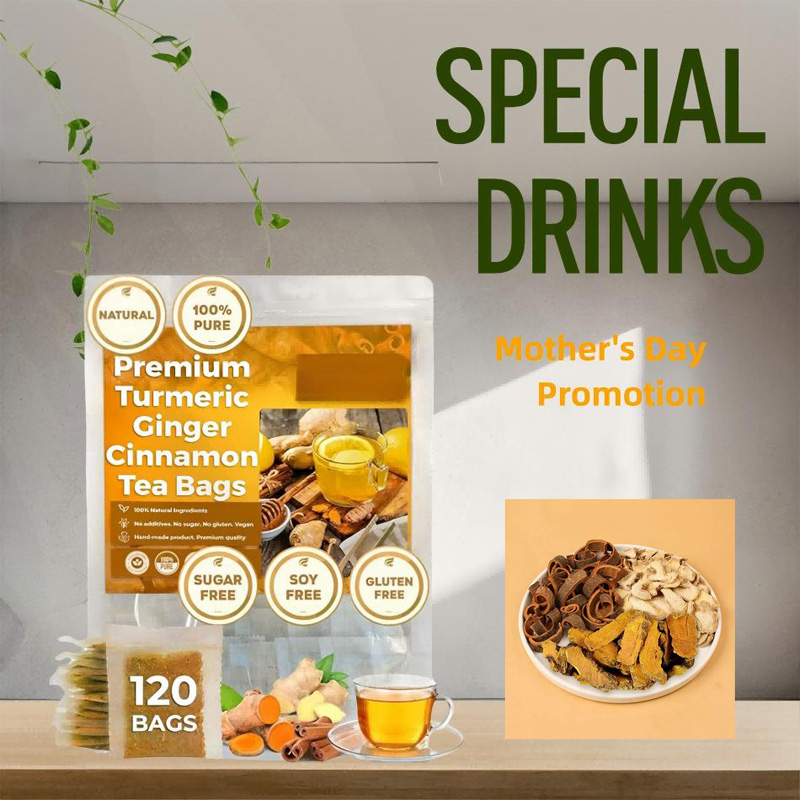 120 Bags Turmeric Ginger Cinnamon Tea Anti-Inflammatory Herbal Tea, Caffeine Sugar Gluten Free Vegan Wellness Drink$18.99View on Mallflare
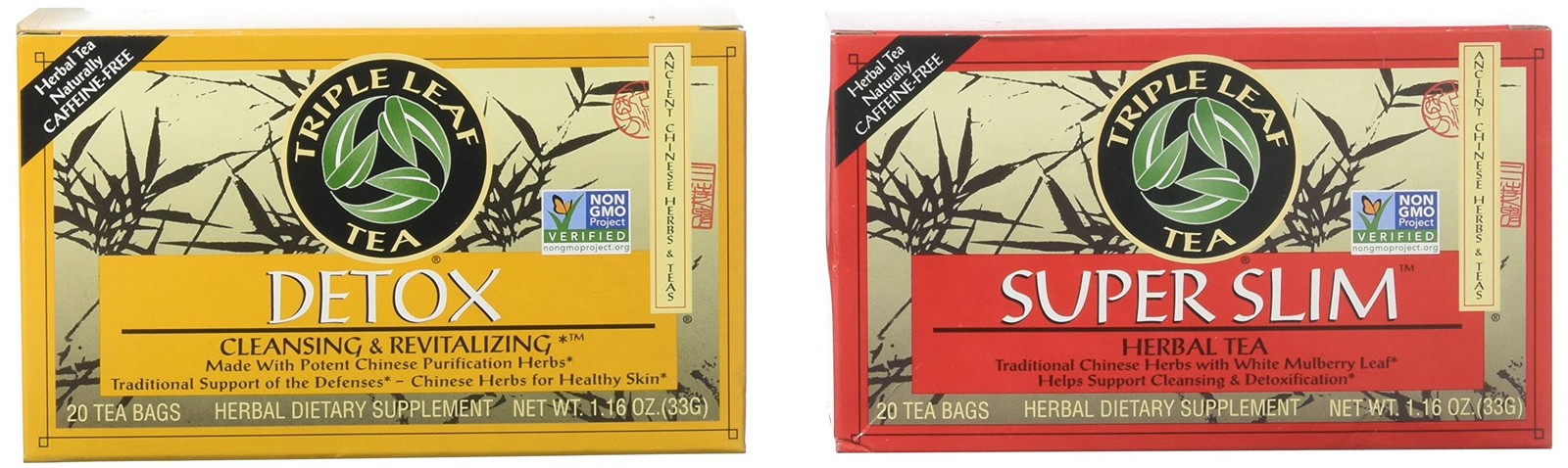 Caffeine Free Herbal Tea Variety Pack, Detox and Super Slimming Flavors, 2 Boxes$22.62View on eBay
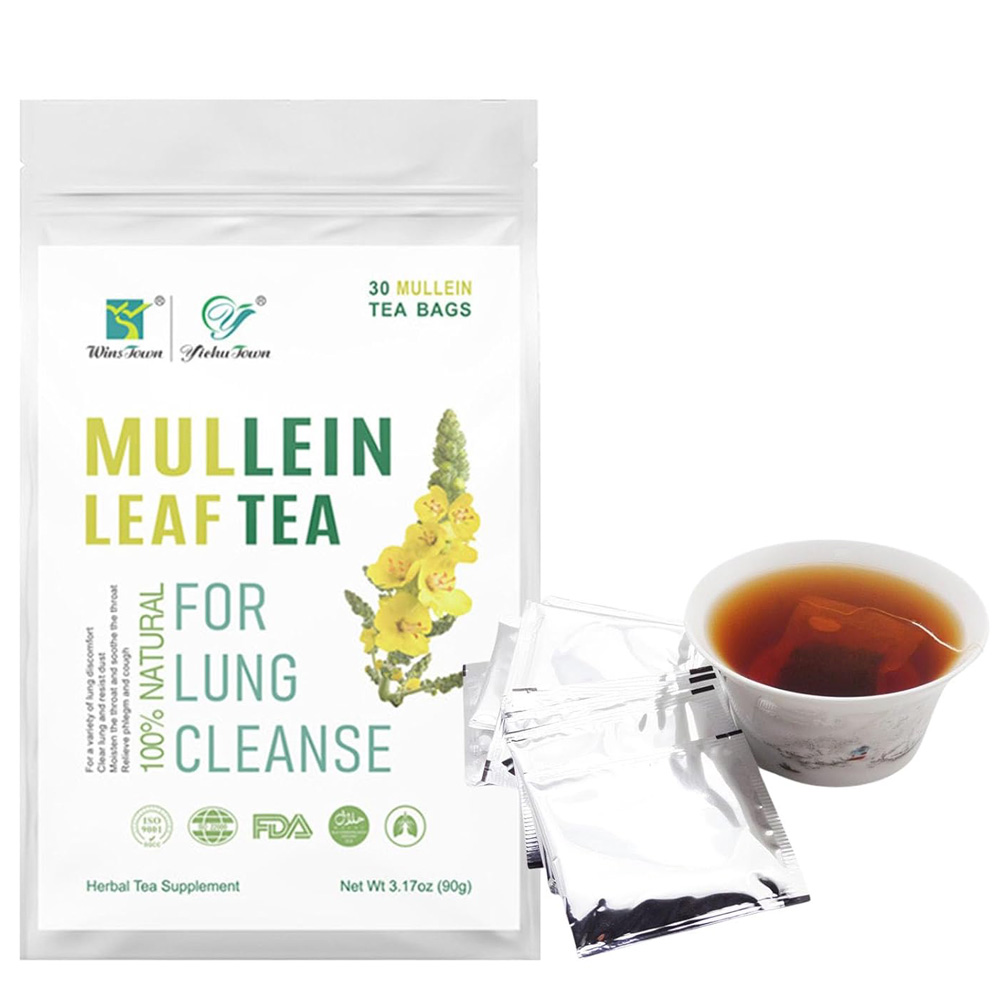 Hairy Flower Tea,Natural Herbal Tea,Mullein Leaf Tea, 30 Bags$18.99View on Mallflare
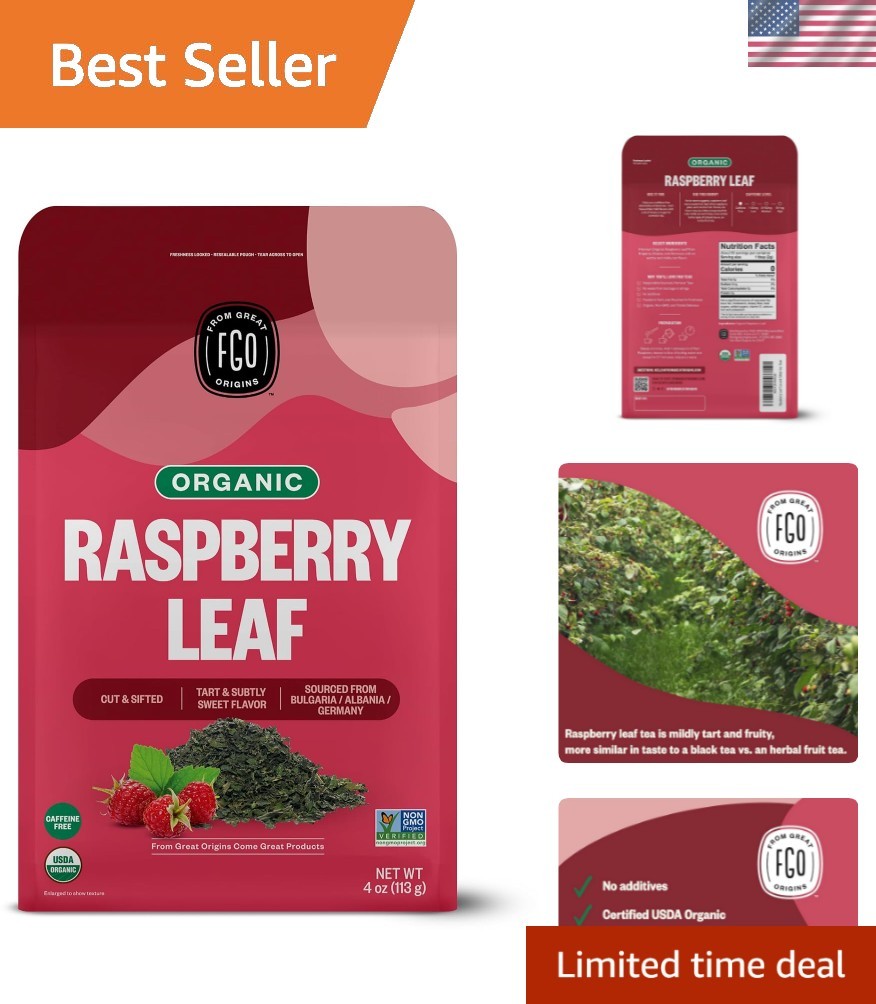 Organic Red Raspberry Loose Leaf Herbal Tea, Cut and Sifted, Caffeine Free, R...$26.95View on eBay
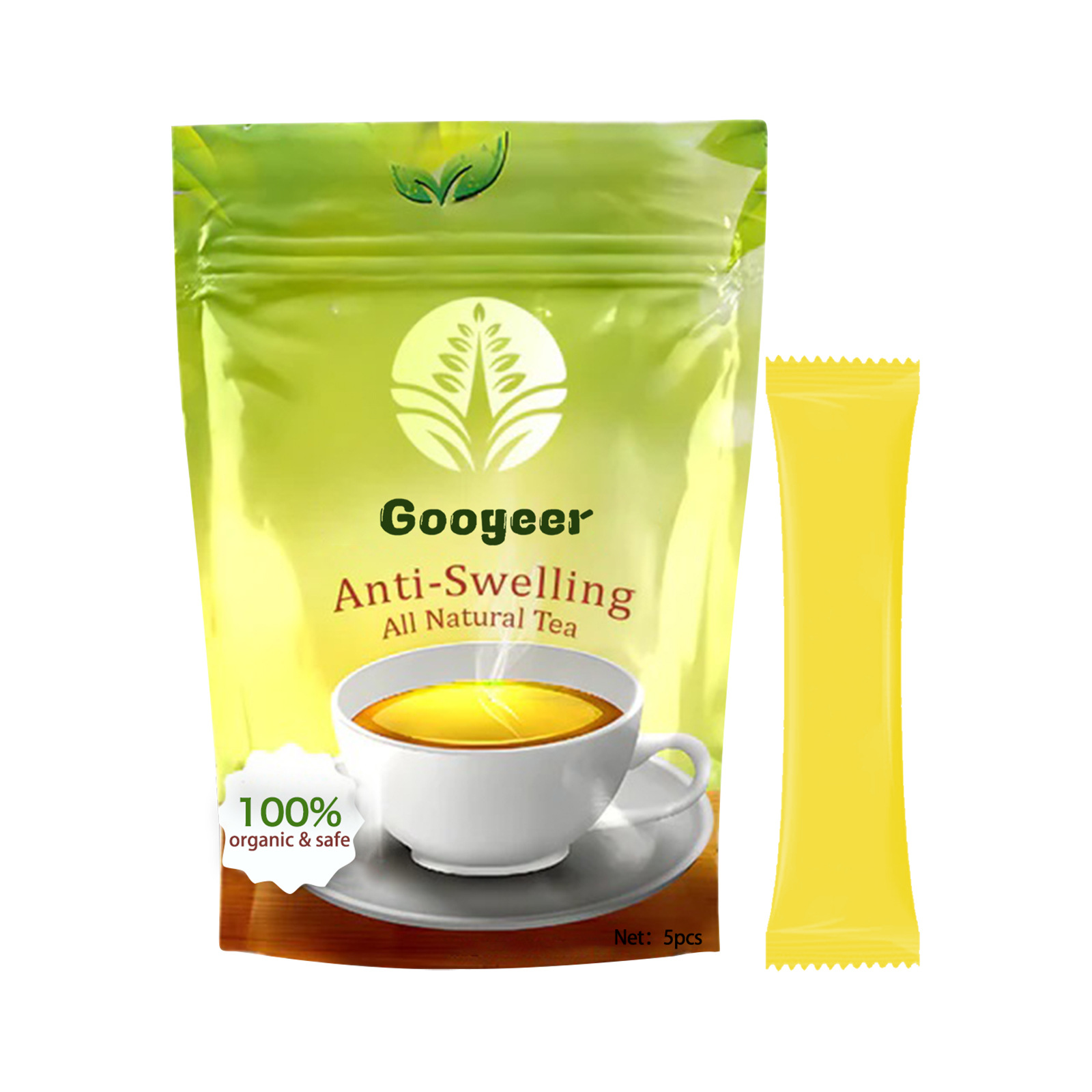 Anti Swelling All Natural Tea, Organic Ginger Lemon Propolis Herbal Tea For Body Detox & Digestive Support$20.99View on Mallflare
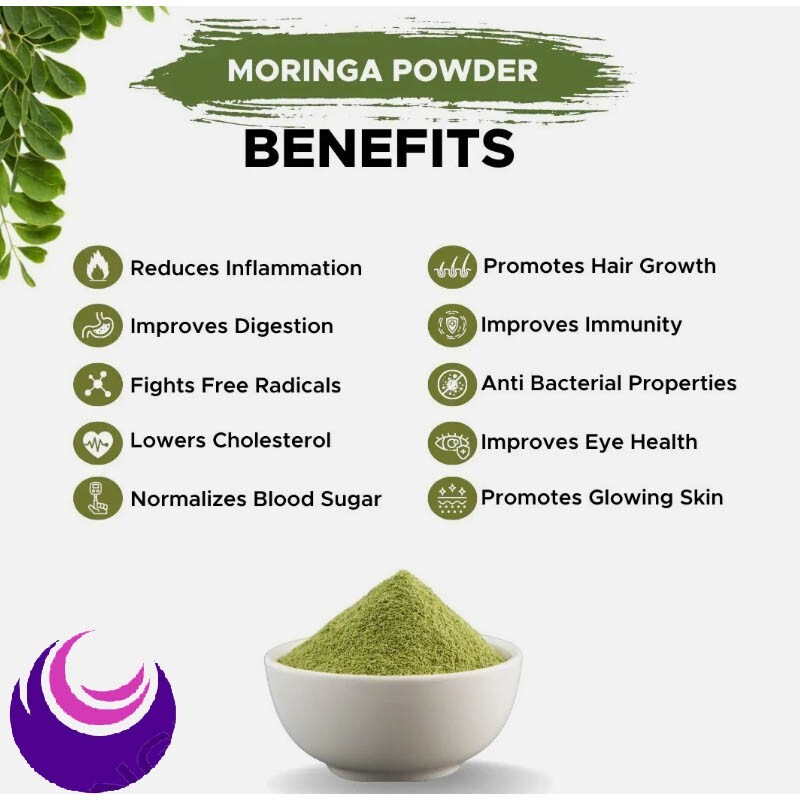 Dried Moringa Oleifera Leaves Powder Natural Pure Organic Ceylon Herbal Tea 200g$28.99View on eBay
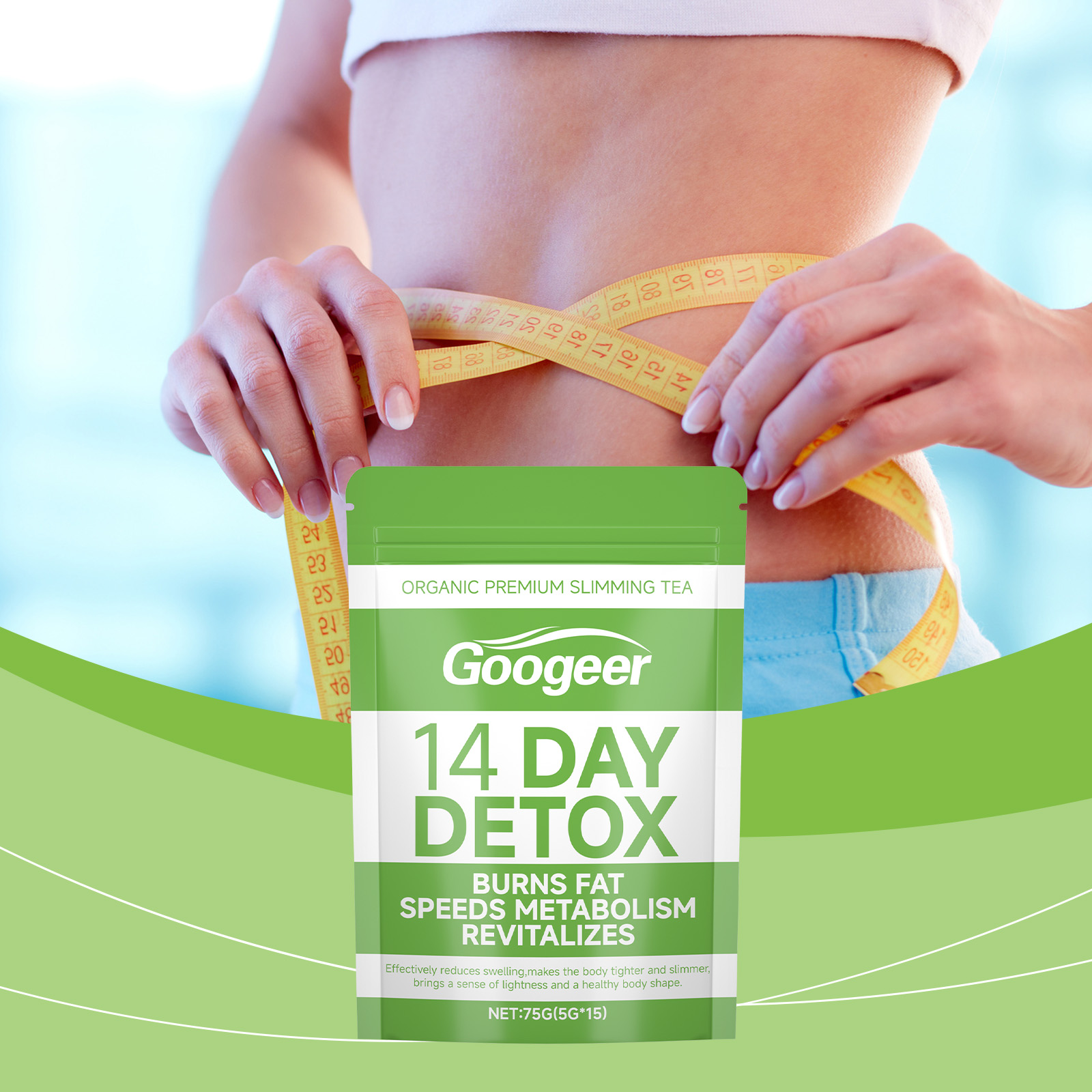 14 Day Detox Slimming Tea, Natural Herbal Tea With Licorice & Tangerine Peel, Support Metabolism & Fat Burning, Daily Wellness Drink$20.99View on Mallflare
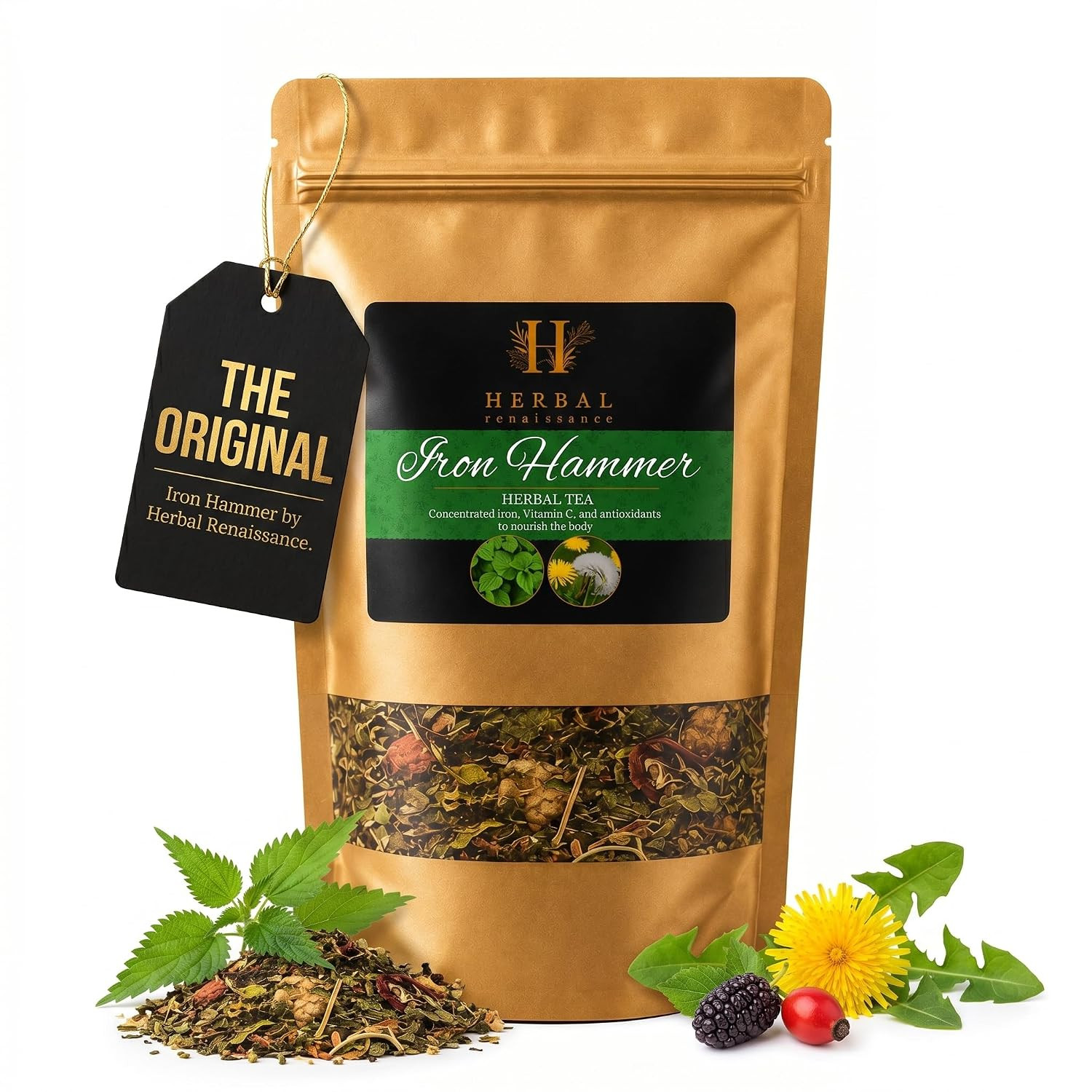 Iron Hammer Herbal Tea for Kidney and Liver Detox 4oz | Loose Leaf Kidney Tea wi$63.77View on eBay
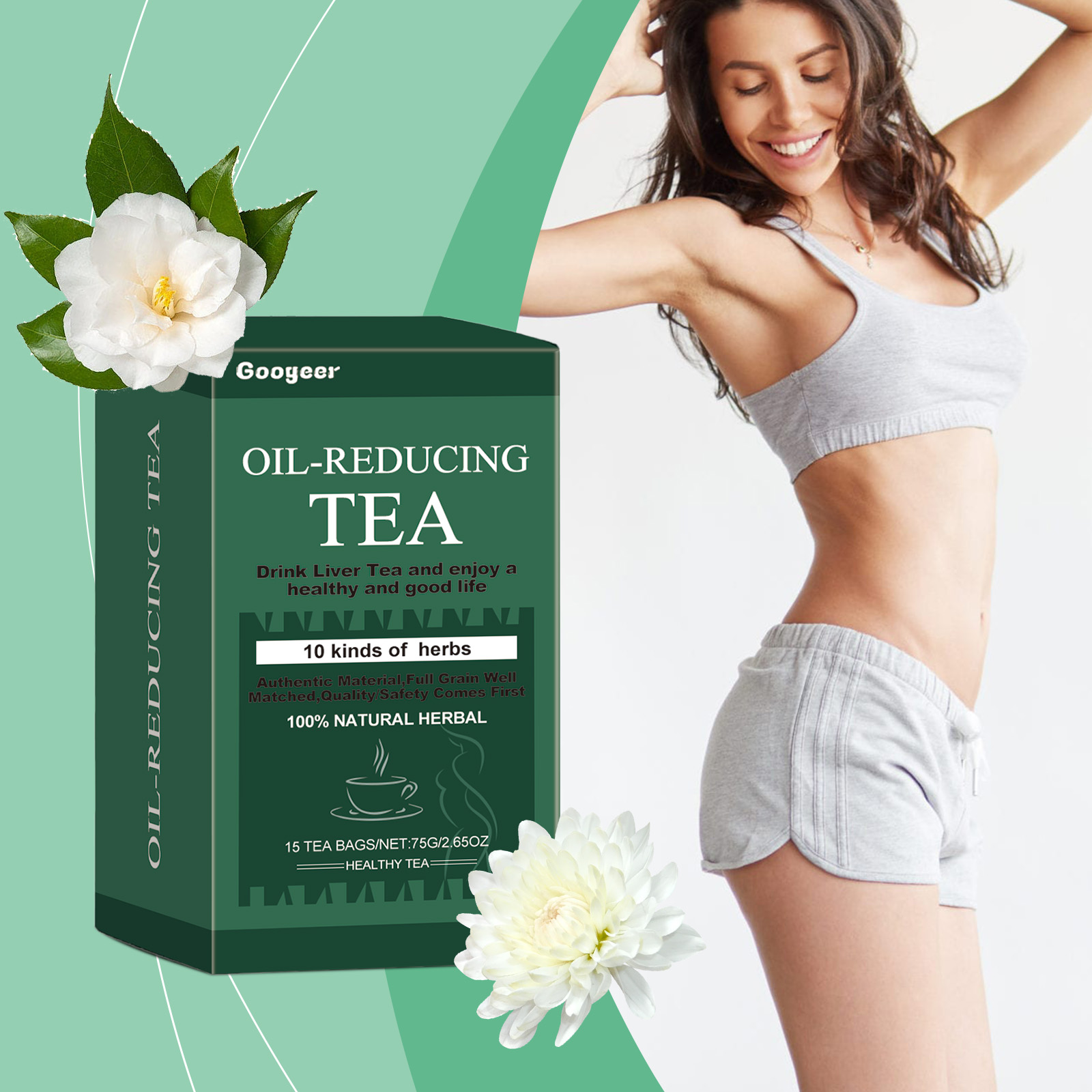 Oil Reducing Herbal Tea, Natural Botanical Tea With Gardenia, Chrysanthemum & Honeysuckle, 15 Tea Bags$20.99View on Mallflare
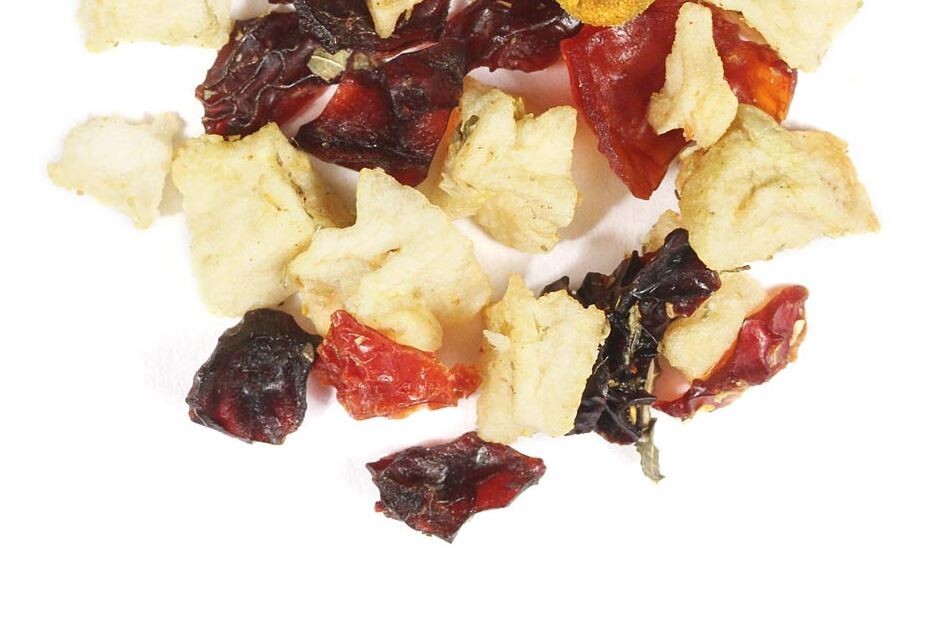 Peach serenity herbal loose leaf tea 5 ounce bag decaf$14.00View on eBay
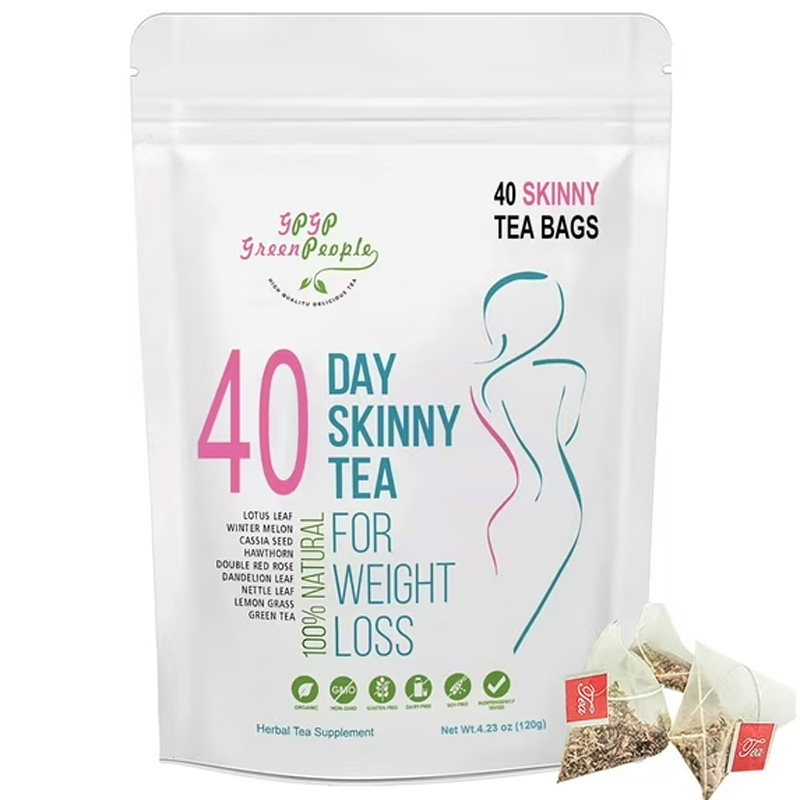 Leaf Lung Cleanse Tea Bags, Natural Herbal Detox Tea For Support, Metabolism & Immune Boost$20.99View on Mallflare
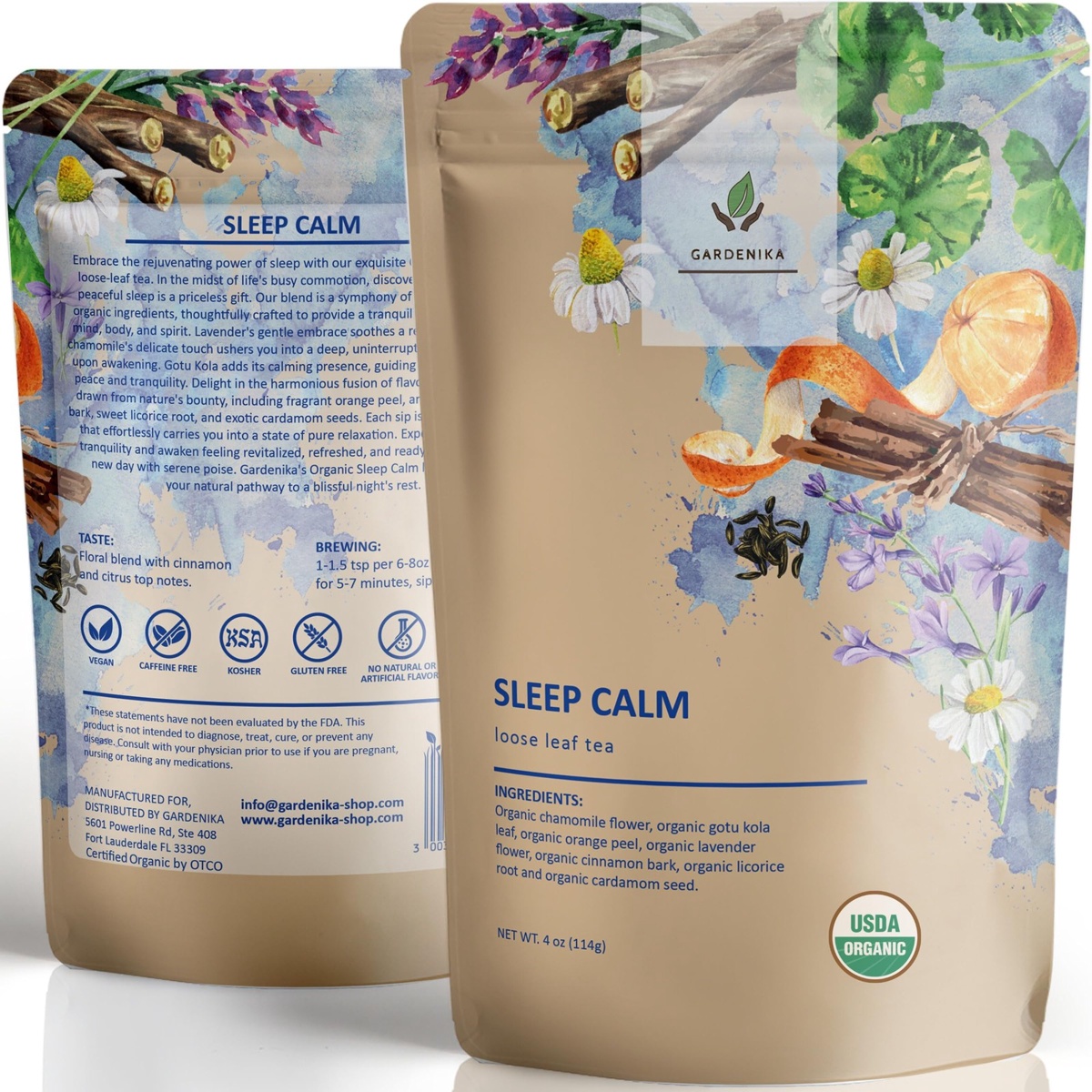 Organic Sleep Loose Leaf Tea with Chamomile and Lavender Flowers, Herbal, Caf...$25.66View on eBay
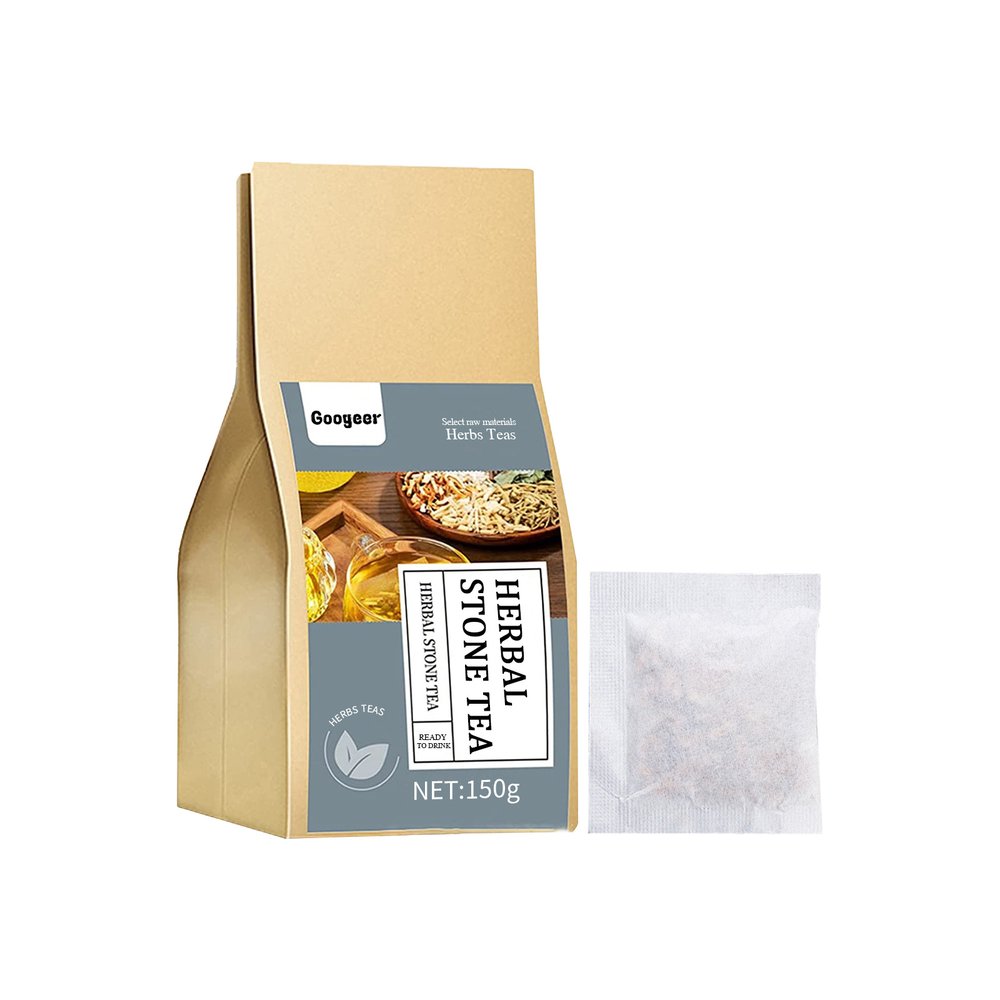 Other Health Food Herbal Stone Tea$20.99View on Mallflare
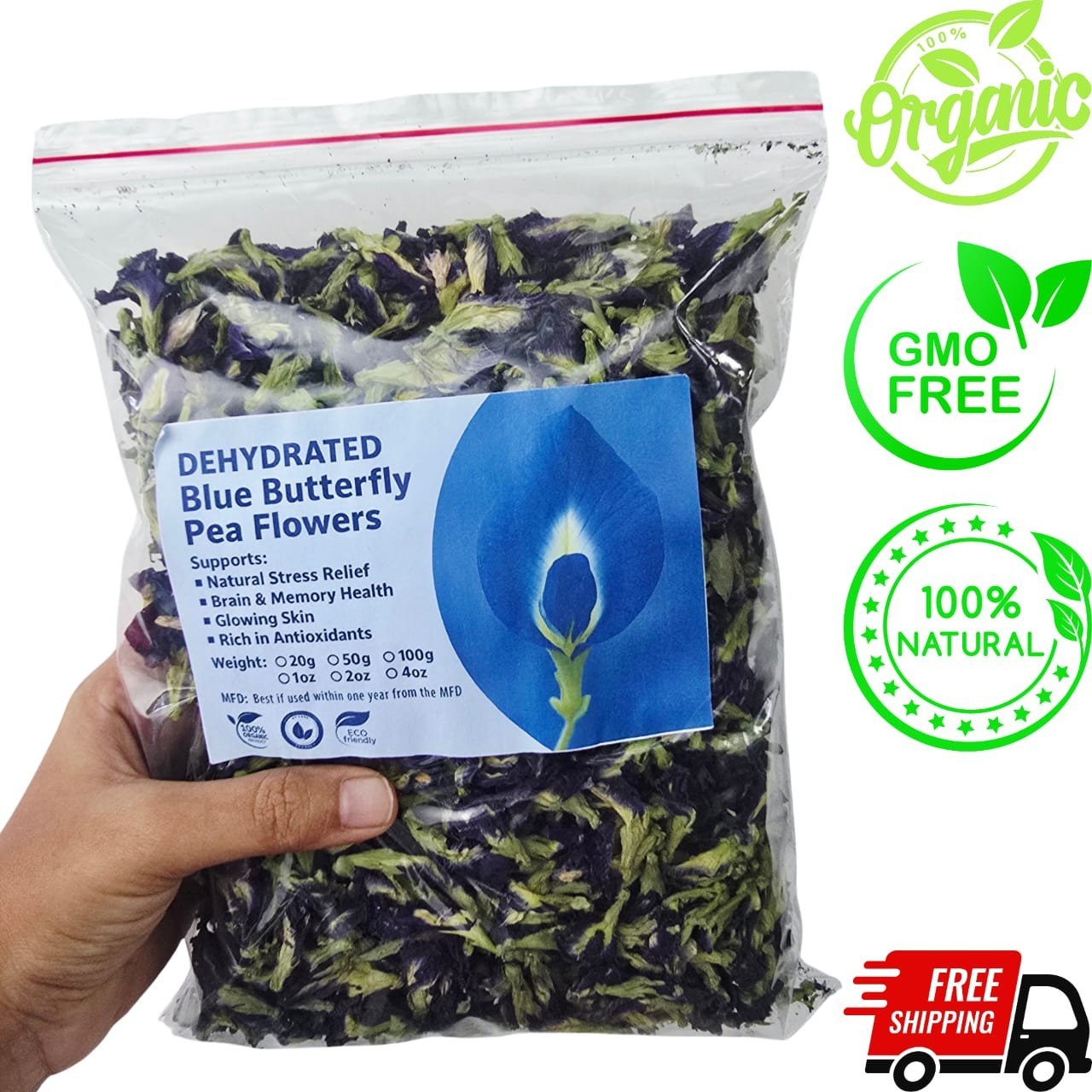 Blue Tea, Butterfly Pea Flower Tea 100% Natural Organic Clitoria ternatea Herbal$154.99View on eBay
Highlights
- Cut grade determines extraction: whole-leaf and cut-and-sifted (S30-S40 mesh) botanicals retain volatile oils for 2-3 infusions, while fannings/dust release fast but go flat in one steep.
- Caffeine-free status is botanical-dependent: rooibos, chamomile, peppermint, hibiscus, and ginger are naturally caffeine-free; blends containing green tea, matcha, or yerba mate are not.
- Bag material affects taste and safety: unbleached paper or PLA/plant-based mesh avoids the plastic aftertaste and microplastic shedding of conventional nylon/polypropylene pyramid bags.
- Functional claims (detox, slimming, anti-inflammatory) are not standardized; efficacy depends on actual botanical actives—gingerol in ginger, curcumin in turmeric, anthocyanins in hibiscus—and their concentration per serving.
Best use cases
- For caffeine-free evening wind-down, choose single-ingredient chamomile, peppermint, or rooibos in whole-leaf or coarse-cut form; skip 'detox' blends that stack senna or licorice and can disrupt sleep or blood pressure.
- For morning energy without caffeine, pick ginseng, yerba mate (contains caffeine), or guayusa blends; for true caffeine-free energy support choose maca or rhodiola—avoid marketing-only 'energy' teas with no adaptogen listed.
- For inflammation-focused routines, select turmeric-ginger blends with black pepper (piperine boosts curcumin absorption) or ginger-lemon; avoid generic 'anti-inflammatory' labels that list no active botanicals or doses.
- For digestive support, choose peppermint, ginger, or fennel single-herb teas; skip slimming/detox teas containing senna or cascara, which are laxatives and not daily wellness drinks.
Buying tips
- Match cut to brewing method: use whole-leaf or cut-and-sifted for teapots and infusers (2-3 g per 8 oz, 5-7 min at 200-212°F); use fine-cut bags for single-cup convenience at 1 bag per 6-8 oz.
- Prioritize single-ingredient or short-label blends over long proprietary blends so you can verify the actual active botanical and avoid filler ingredients like maltodextrin or 'natural flavors'.
- Choose unbleached paper or plant-based (PLA) mesh bags over nylon/polypropylene pyramids to avoid plastic taste and microplastic release at brewing temperature.
- For loose-leaf value, buy 4-ounce (113 g) or larger resealable pouches: at 2-3 g per cup this yields 38-56 servings, far more economical than individually bagged portions.
Specs
| Caffeine Content | Caffeine-free botanicals vs tea/mate blends |
|---|---|
| Cut Grade | Whole-leaf / cut-and-sifted vs fannings/dust |
| Bag Material | Unbleached paper / PLA mesh vs nylon pyramid |
| Primary Botanical | Single-herb vs multi-herb proprietary blend |
Related searches
What to check before buying
- Confirm your brewing vessel: loose-leaf needs a 300-500 ml infuser or teapot with a fine mesh (0.3-0.5 mm) to catch cut-and-sifted particles; bagged tea needs only a mug.
- Check caffeine sensitivity: read the ingredient list for Camellia sinensis, matcha, yerba mate, or guayusa if you need strictly caffeine-free; 'herbal' alone does not guarantee zero caffeine.
- Verify bag material and steep temperature compatibility: paper and PLA bags are fine to 212°F; nylon pyramids may impart taste above 200°F.
- Storage: choose resealable, opaque pouches or tins; whole-leaf and cut-and-sifted botanicals stay fresh 12-18 months sealed, while ground/dust blends fade in 6-9 months.
FAQ
Data sources: eBay / Amazon listings and product attribute feeds Data updated Nov 18, 2026.
Some links on this page are affiliate links. If you buy after clicking one, we may earn a commission at no extra cost to you. This does not change which products appear here or their order. Affiliate disclosure.