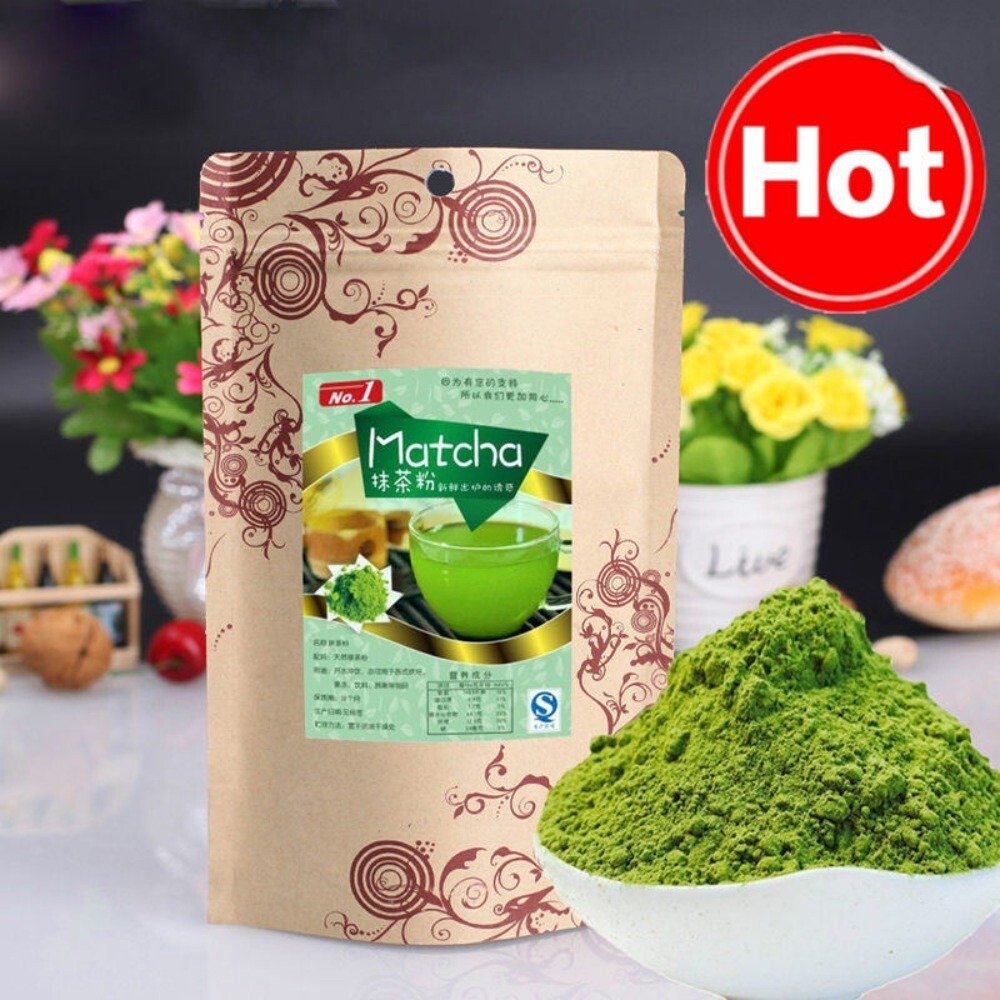

Photos from current listings. Actual item, color, and included accessories may vary.
Green Tea Powder Buying Guide
Green tea powder spans ceremonial matcha, culinary-grade matcha, and generic powdered green tea, with grade and processing method driving the decisive trade-off between vivid umami sweetness and bitter astringency. Ceremonial grades are stone-ground from shade-grown tencha leaves and whisk into a smooth, sweet foam, while culinary and generic powders are suited for lattes, baking, and smoothies where milk and sugar mask bitterness. The clear rule: buy ceremonial grade only for plain whisked drinking, and choose culinary or generic grades for any recipe with added dairy, fruit, or sugar.


At a glance
- Category
- Snacks, Tea & Coffee
- Data updated
- Nov 18, 2026
Current offers
Highlights
- Ceremonial matcha uses shade-grown tencha leaves (20–30 days of shading) stone-ground below 30–40°C to preserve L-theanine sweetness and bright green color.
- Culinary matcha is harvested later with less shading and often air-milled, yielding a stronger, more astringent flavor that survives milk, sugar, and baking heat.
- Generic green tea powder is fully steamed and ground from standard sencha or bancha leaves, with a darker, grassier, more bitter profile and far lower cost per gram.
- Freshness is the dominant quality variable: matcha oxidizes within weeks of opening, so vacuum-sealed, nitrogen-flushed tins with a tight date code outperform any grade label without one.
Best use cases
- Plain usucha (thin tea) or koicha (thick tea): buy ceremonial grade, ideally first-harvest Uji or Nishio matcha, and skip culinary bags entirely.
- Daily matcha latte or smoothie: choose culinary or latte-grade matcha at 2–4× the ceremonial quantity per serving; ceremonial grade is wasted under milk and sugar.
- Baking, ice cream, and protein shakes: use culinary or generic green tea powder; high-heat and dairy applications bury delicacy, so buy the cheapest grade with a strong green color.
- Budget daily drinking without whisking: generic powdered sencha in larger bags is the right call; ceremonial-grade bags at the same volume signal stale or mislabeled stock.
Buying tips
- Serving math: one bowl uses about 1–2 g of ceremonial matcha (2 g per 60–70 ml), so a 30 g tin yields roughly 15–30 servings—buy small tins for freshness.
- Grade-to-price ladder: ceremonial > premium culinary > culinary > generic powder; if the price per gram is far below the grade norm, the grade claim is unreliable.
- Look for origin and harvest: Uji (Kyoto), Nishio (Aichi), and Yame (Fukuoka) are the benchmark regions; first-harvest (ichibancha) leaf is sweeter and less bitter than later flushes.
- Check the grind and color: ceremonial matcha should be talc-fine and vivid jade green; dull olive or yellow-green powder indicates older leaf, oxidized stock, or a lower grade.
Specs
| Grade | Ceremonial / Culinary / Generic powder |
|---|---|
| Leaf Source | Shade-grown tencha vs sencha/bancha |
| Grind | Stone-ground (fine) vs air-milled |
| Origin | Uji / Nishio / Yame vs unspecified |
Related searches
What to check before buying
- Confirm your brewing kit: a bamboo chasen and chawan are needed for ceremonial whisking; a milk frother or shaker suffices for culinary lattes.
- Match tin size to consumption: opened matcha degrades within 4–8 weeks, so buy 30–100 g tins if you drink daily and smaller if occasional.
- Check sieve and clump behavior: fine powder that clumps in the bag is normal, but hard caked lumps signal moisture exposure—reject those bags.
- Verify the package date code and storage: matcha should be sealed, opaque, and refrigerated after opening; clear bags on a warm shelf are a red flag.
FAQ
Data sources: eBay / Amazon listings and product attribute feeds Data updated Nov 18, 2026.
Some links on this page are affiliate links. If you buy after clicking one, we may earn a commission at no extra cost to you. This does not change which products appear here or their order. Affiliate disclosure.