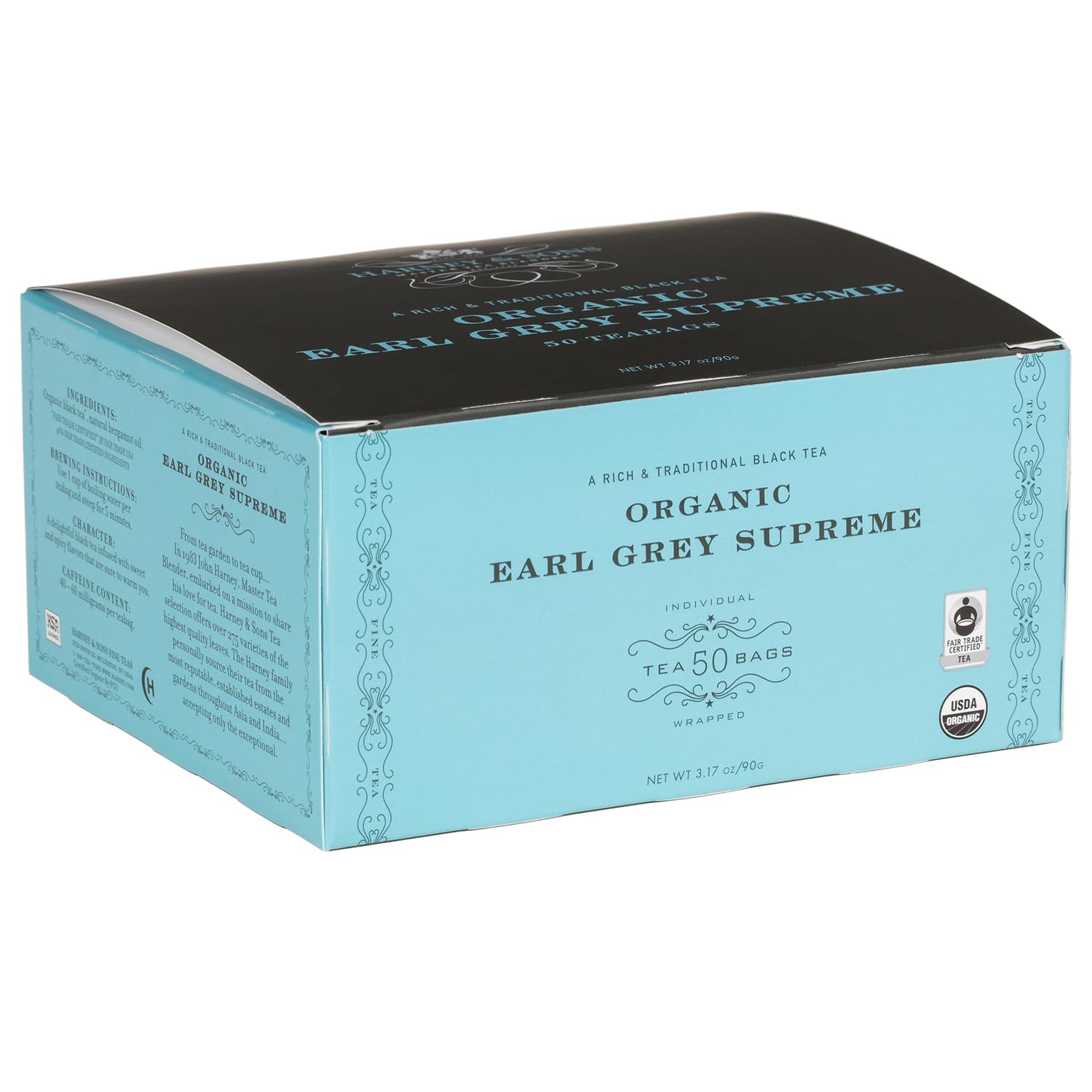

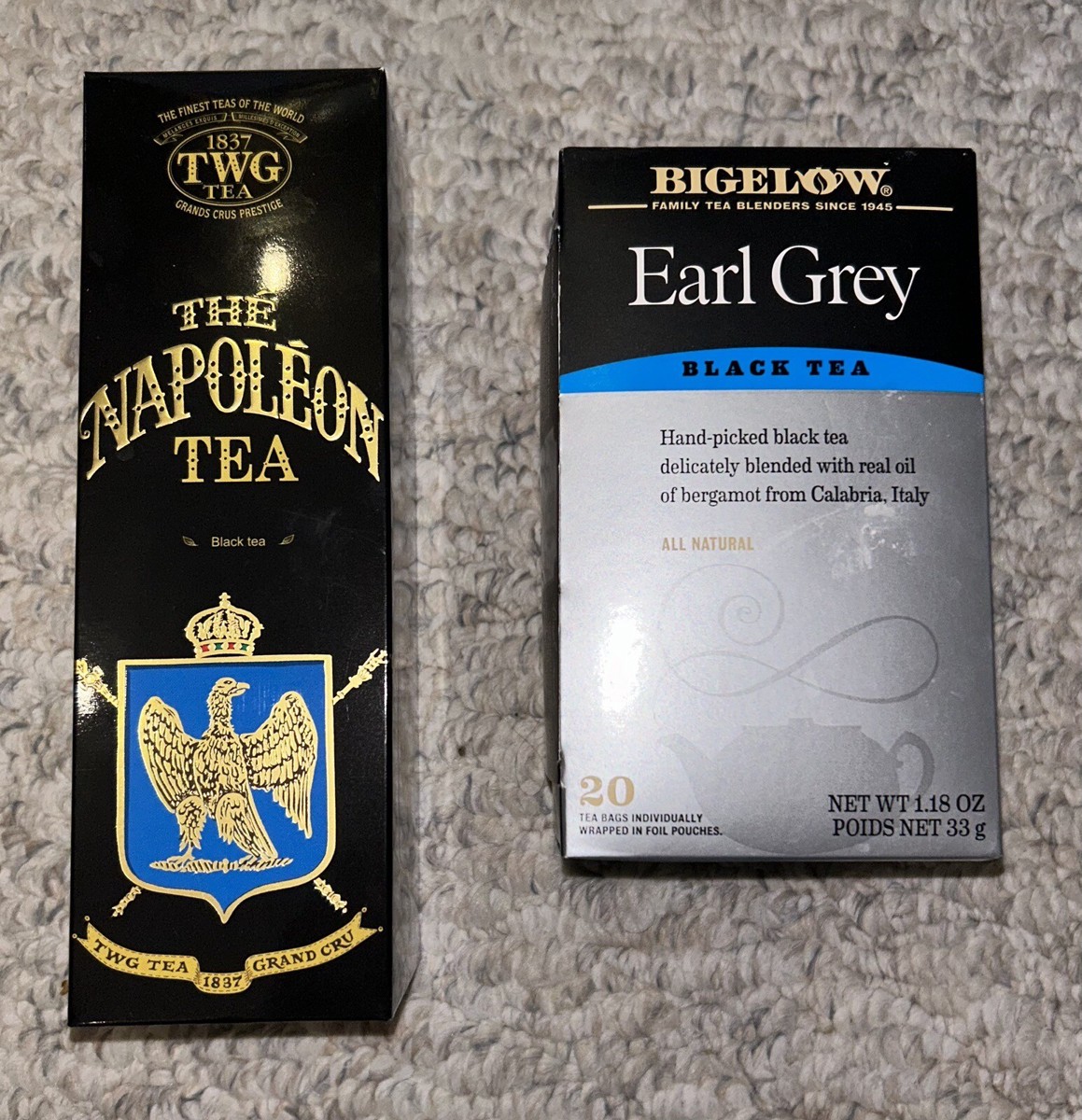
Photos from current listings. Actual item, color, and included accessories may vary.
Earl Grey Loose Leaf Tea Buying Guide
Earl Grey loose leaf tea is a black tea scented with bergamot oil, where the core trade-off is between natural bergamot flavoring (bright, nuanced, volatile) and synthetic flavoring (strong, consistent, flat). The decisive rule: prioritize whole-leaf orthodox black tea with cold-pressed bergamot oil; treat dust-grade fannings or generic 'flavoring' labels as compromises that go bitter and lose aroma within months.


At a glance
- Category
- Snacks, Tea & Coffee
- Data updated
- Nov 18, 2026
Current offers
Highlights
- Leaf grade separates quality tiers: whole-leaf orthodox (FTGFOP, SFTGFOP) retains oils and unfolds in multiple infusions; broken or fannings grades release aroma fast but turn astringent and flat by the second steep.
- Bergamot source is the flavor benchmark: natural cold-pressed bergamot oil gives a rounded citrus-floral top note; synthetic bergamot (often labeled 'flavoring' or 'bergamot flavor') tastes sharp and soapy and fades faster in storage.
- Base tea origin defines body: Ceylon (Sri Lanka) gives a bright, crisp cup; Indian Assam adds malt and strength; Chinese Keemun brings a softer, smoky-sweet backbone—blends labeled 'Ceylon' vs 'Assam' vs 'Chinese' are not interchangeable.
- Flavoring method matters for shelf life: oil-sprayed leaves peak within 6–12 months of packing; double-scented or encapsulated flavoring holds longer but can taste artificial, so packing date beats 'best by' date for aroma retention.
Best use cases
- Best fit: daily hot drinkers who want a bright, bergamot-forward cup—choose a Ceylon-based whole-leaf Earl Grey in a 200–500 g loose pack and brew 3 g per 200 ml at 95 °C for 3 minutes.
- Best fit: milk-and-sugar drinkers—pick an Assam-heavy or 'Earl Grey Strong' blend because malt body survives milk; skip delicate Chinese Keemun-based blends that vanish under dairy.
- Wrong fit: iced-tea or cold-brew only—avoid natural-oil whole-leaf versions, which mute in cold water; use a broken-grade or explicitly 'icing' blend with higher flavor loading instead.
- Wrong fit: single-cup convenience buyers—loose leaf requires a basket infuser, French press, or teapot; choose tea bags or sachets if you will not manage leaf and water ratios.
Buying tips
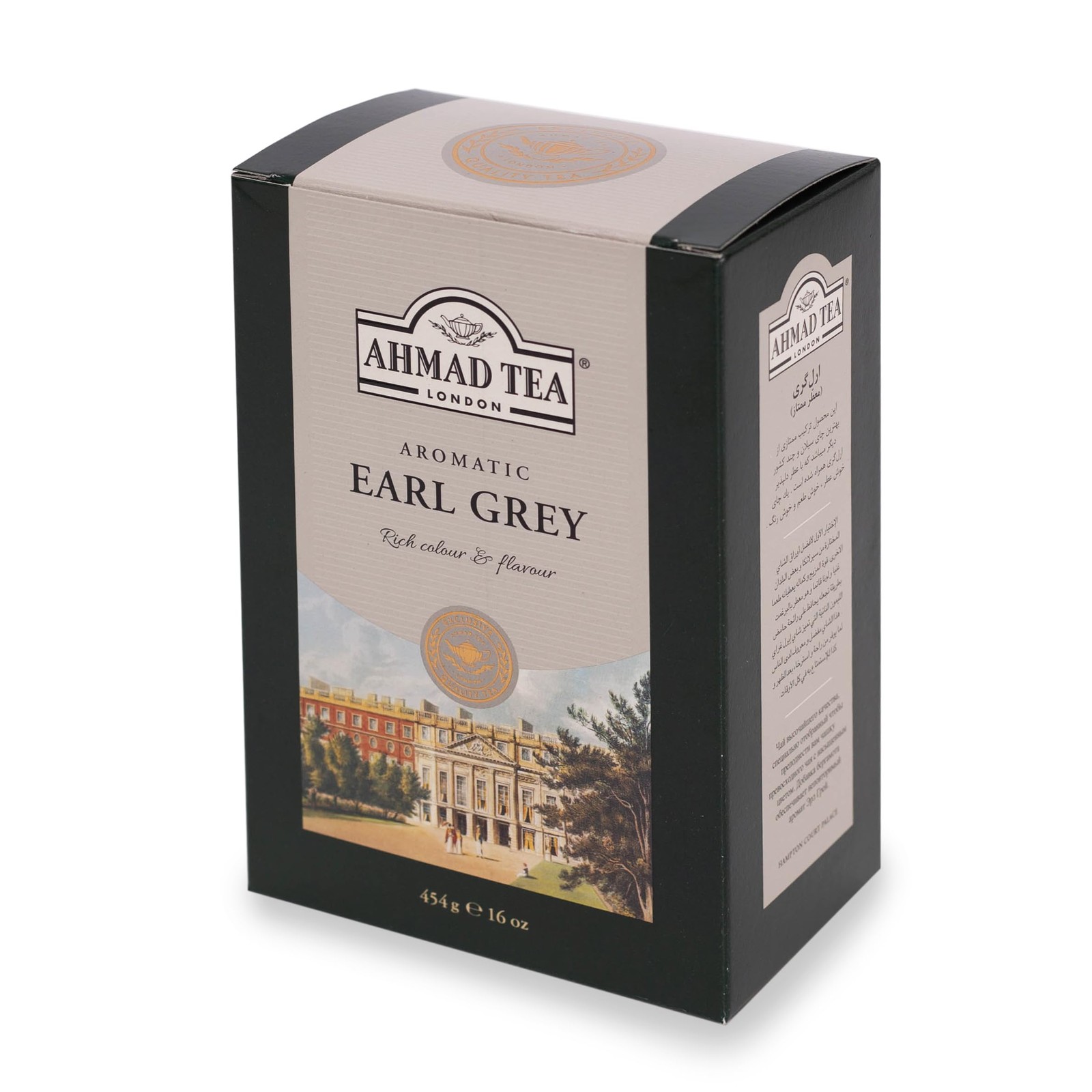
- Match pack size to drinking rate: a 454 g (1 lb) loose pack is roughly 150–200 cups at 2.5–3 g each—buy it only if you drink daily and store it airtight, dark, and cool to finish within 6–9 months.
- Read the ingredient line, not the name: 'black tea, bergamot oil' signals natural flavoring; 'black tea, natural and artificial flavors' or 'flavoring' signals synthetic or partial synthetic—this is the single clearest quality filter.
- Check leaf appearance in photos or descriptions: whole, twisted, uniform dark strands indicate orthodox processing; dusty, broken, grayish particles indicate fannings that steep bitter and lose aroma quickly.
- Choose base origin for your water: soft water favors bright Ceylon; hard water flattens delicate flavor, so an Assam or stronger bergamot blend compensates—escalate strength rather than adding more leaf.
Specs
| Leaf Grade | Whole-leaf orthodox vs broken/fannings |
|---|---|
| Flavoring Type | Natural bergamot oil vs artificial flavor |
| Base Tea Origin | Ceylon / Assam / Chinese Keemun |
| Caffeine Level | Caffeinated black tea (~30-60 mg/cup) |
Related searches
What to check before buying
- Confirm you own a brew vessel that fits loose leaf: a 300–600 ml teapot with infuser basket, a French press, or a fine-mesh infuser—leaf needs room to unfurl; a narrow ball infuser under-expands whole leaf.
- Check packing or harvest date, not just best-by: aroma oils degrade after opening, so a pack dated within the last 6–12 months (or a harvest year code) outperforms an older 'best by' date.
- Verify storage capacity: loose leaf needs an airtight, opaque tin or Mylar bag with minimal headspace; a 454 g pack requires roughly a 1–1.5 L container—buy a smaller pack if you lack airtight storage.
- Confirm caffeine expectation: Earl Grey is always black tea and therefore caffeinated (roughly 30–60 mg per 200 ml cup); if you need decaf, look for explicitly 'decaffeinated' labeling, not a different bergamot blend.
FAQ
Data sources: eBay / Amazon listings and product attribute feeds Data updated Nov 18, 2026.
Some links on this page are affiliate links. If you buy after clicking one, we may earn a commission at no extra cost to you. This does not change which products appear here or their order. Affiliate disclosure.