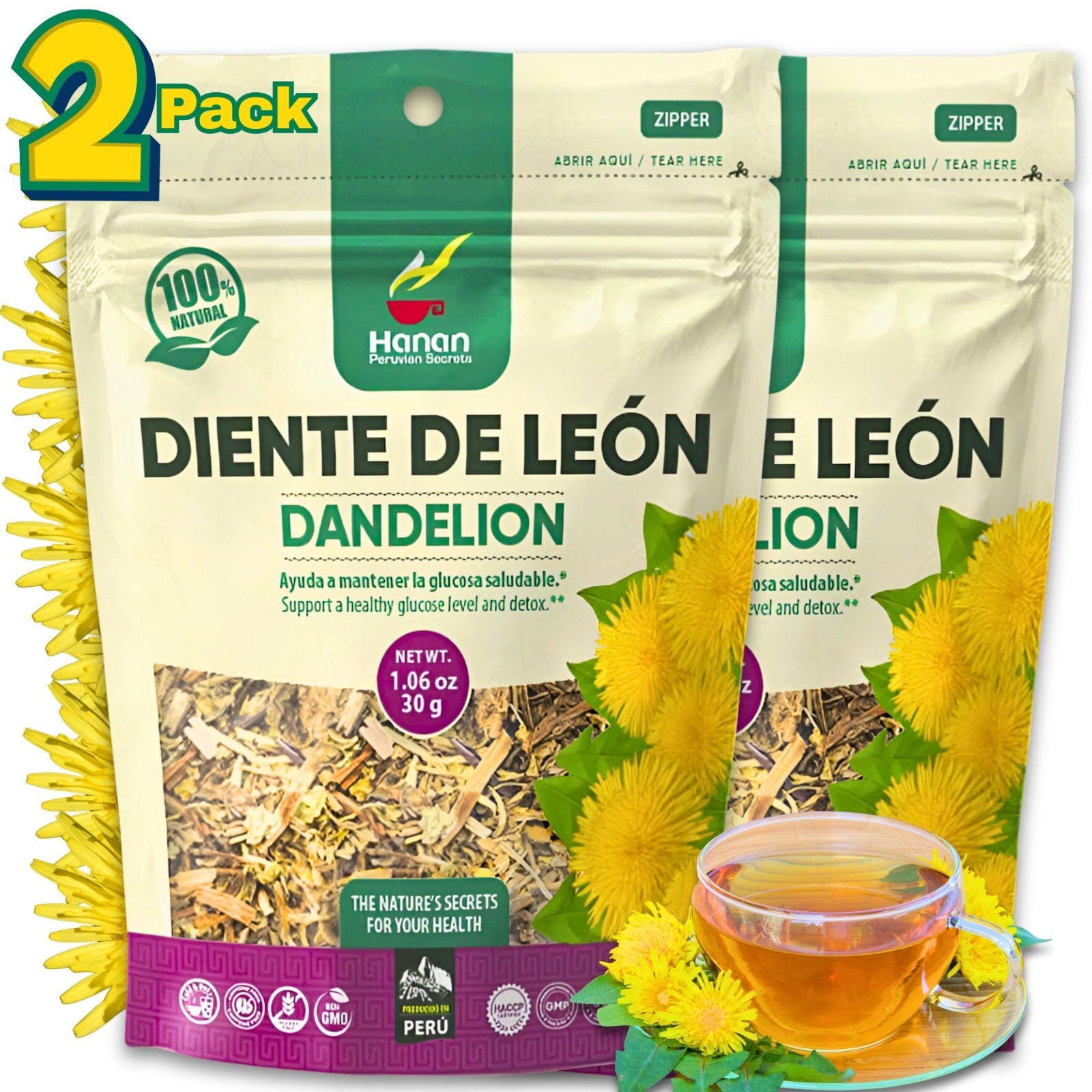

Photos from current listings. Actual item, color, and included accessories may vary.
Dandelion Tea Buying Guide
Dandelion tea is a caffeine-free herbal infusion made from the roasted root or dried leaf of Taraxacum officinale, valued mainly for kidney and liver support. The core trade-off is between root (earthy, roasted, traditionally used for digestion and liver) and leaf (milder, higher in potassium, traditionally used as a diuretic for kidneys), plus loose vs. bagged format. Buy whole-root or cut-leaf product with clearly stated plant part and origin; avoid blends where dandelion is a minor ingredient or where the part is unspecified.


At a glance
- Category
- Snacks, Tea & Coffee
- Data updated
- Nov 18, 2026
Current offers
Highlights
- Plant part determines effect: roasted root is earthy and traditionally used for liver/digestion; leaf is mild and traditionally used as a diuretic for kidney flushing.
- Loose whole-root or cut-and-sifted leaf preserves volatile compounds and lets you dose by tablespoon; fine dust in cheap bags tastes muddier and extracts faster.
- Roasted root (often labeled 'dandelion coffee') is darker and nuttier; raw dried root is more bitter and better for tincture-style strong decoctions.
- Single-origin Peruvian or European dandelion is common; verify the label states 'Taraxacum officinale' and the exact part rather than a generic 'dandelion herb' blend.
Best use cases
- For kidney-focused daily drinking, choose dried leaf (often sold as 'dandelion leaf tea') steeped 5–10 minutes; skip roasted root if the goal is mild diuretic support.
- For liver/digestion or a coffee substitute, choose roasted root and decoct 10–15 minutes; skip leaf-only bags that lack the earthy roasted body.
- For loose-leaf brewing with a strainer, buy cut-and-sifted root or leaf in larger format; skip single-serve bags only if you need convenience over dose control and freshness.
- For blending with nettle, peppermint, or ginger, buy plain single-ingredient dandelion; skip pre-blended 'detox' mixes where dandelion is a minor fraction.
Buying tips
- Buy products that name the plant part (root vs. leaf) and species (Taraxacum officinale); 'dandelion herb' alone is ambiguous and often mostly leaf.
- For leaf tea, use about 1–2 teaspoons (2–3 g) per cup and steep 5–10 minutes; for root, use 1–2 teaspoons and simmer 10–15 minutes for full extraction.
- Choose loose cut-and-sifted or whole-root over fine powder; powder clouds the cup and is hard to strain without a fine-mesh infuser.
- Prefer resealable, opaque packaging with a harvest or best-by date; dandelion root and leaf lose aroma and potency within 12–18 months of opening.
Specs
| Plant Part | Root / Leaf / Root+Leaf blend |
|---|---|
| Form | Loose cut-sifted / Whole root / Tea bags |
| Roast Level | Raw dried vs Roasted (dandelion coffee) |
| Species | Taraxacum officinale (100% single herb) |
Related searches
What to check before buying
- Confirm your brewing gear: a fine-mesh strainer or infuser basket for loose leaf/root, or a teapot with built-in filter; bags need only a mug.
- Check the ingredient list for 100% Taraxacum officinale and no added 'detox' laxatives (senna) if you want plain dandelion.
- Verify the part (root, leaf, or root+leaf blend) matches your goal: leaf for kidney flushing, roasted root for liver/digestion and coffee-like flavor.
- Store in an airtight container away from light and heat; buy quantities you will finish within 6–12 months for best flavor.
FAQ
Data sources: eBay / Amazon listings and product attribute feeds Data updated Nov 18, 2026.
Some links on this page are affiliate links. If you buy after clicking one, we may earn a commission at no extra cost to you. This does not change which products appear here or their order. Affiliate disclosure.