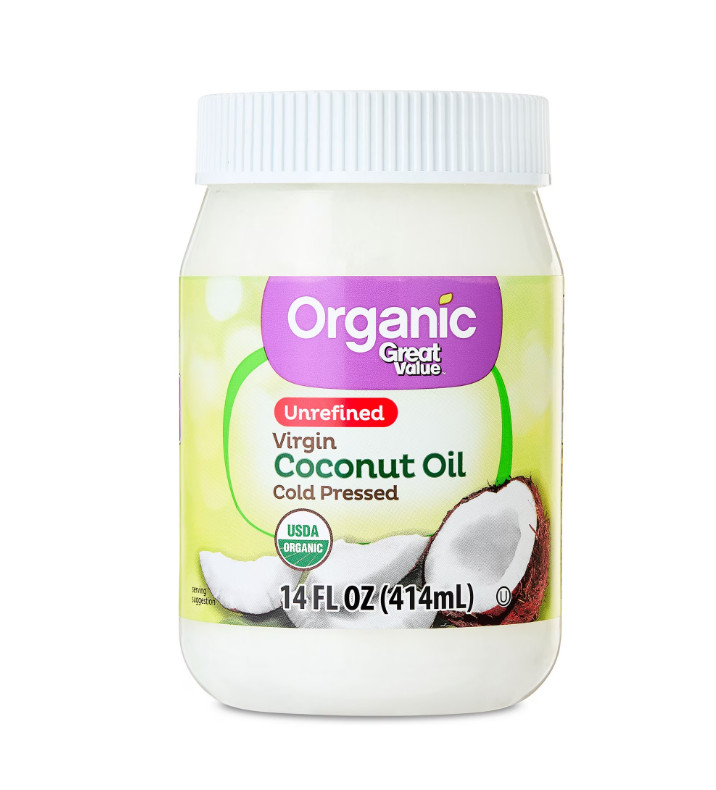

Photos from current listings. Actual item, color, and included accessories may vary.
Great Value Organic Unrefined Virgin Coconut Oil Buying Guide
Great Value Organic Unrefined Virgin Coconut Oil is a private-label, minimally processed coconut oil sold in 14 fl oz glass jars, prized for its unrefined flavor and organic certification. The key trade-off in this segment is unrefined (virgin) versus refined oil: virgin retains coconut aroma and taste with a lower smoke point, while refined is neutral but more heavily processed. Choose virgin if you want true coconut flavor for no-heat or low-heat uses; choose refined only for high-heat neutral cooking.


At a glance
- Brand
- Not synced yet
- Model
- Not synced yet
- MPN
- Not synced yet
- Category
- Rice, Flour, Oil & Condiments
- Status
- Offers available
- Data updated
- Nov 18, 2026
Current offers
Highlights
- Unrefined virgin oil is expeller-pressed from fresh coconut meat without chemical bleaching or deodorizing, preserving natural aroma and flavor.
- Organic certification requires non-GMO coconuts grown without synthetic pesticides, verified by USDA organic seal on the label.
- Virgin coconut oil smoke point is roughly 350°F (175°C), lower than refined coconut oil at about 400–450°F, limiting high-heat frying.
- Sold in 14 fl oz glass jars; glass protects oil from light and plastic migration, and the jar is reusable and recyclable.
Best use cases
- Best for no-bake and low-heat cooking: stir-fries, sautéing at medium heat, baking, and bulletproof coffee where coconut flavor is welcome.
- Best for skin and hair care: food-grade virgin coconut oil is safe for topical use as a moisturizer or hair mask.
- Wrong fit for deep frying or searing at high heat—use refined coconut oil or a high-smoke-point fat like avocado oil instead.
- Wrong fit if you dislike coconut taste in savory dishes—choose refined coconut oil for a neutral flavor profile.
Buying tips
- Check the label for 'unrefined' and 'virgin' together; 'pure' coconut oil alone often means refined and deodorized.
- Look for the USDA organic seal; Great Value organic products carry it, while non-organic versions do not.
- Prefer glass jars over plastic tubs to avoid light degradation and potential chemical leaching, especially for long storage.
- Compare unit price per fluid ounce: 14 fl oz is a small jar, so larger sizes or multipacks may lower cost per ounce.
Specs
| Processing | Unrefined (virgin) vs refined |
|---|---|
| Smoke Point | 350°F virgin / 400–450°F refined |
| Certification | USDA Organic (non-GMO) |
| Packaging | Glass jar vs plastic tub |
Alternatives to compare
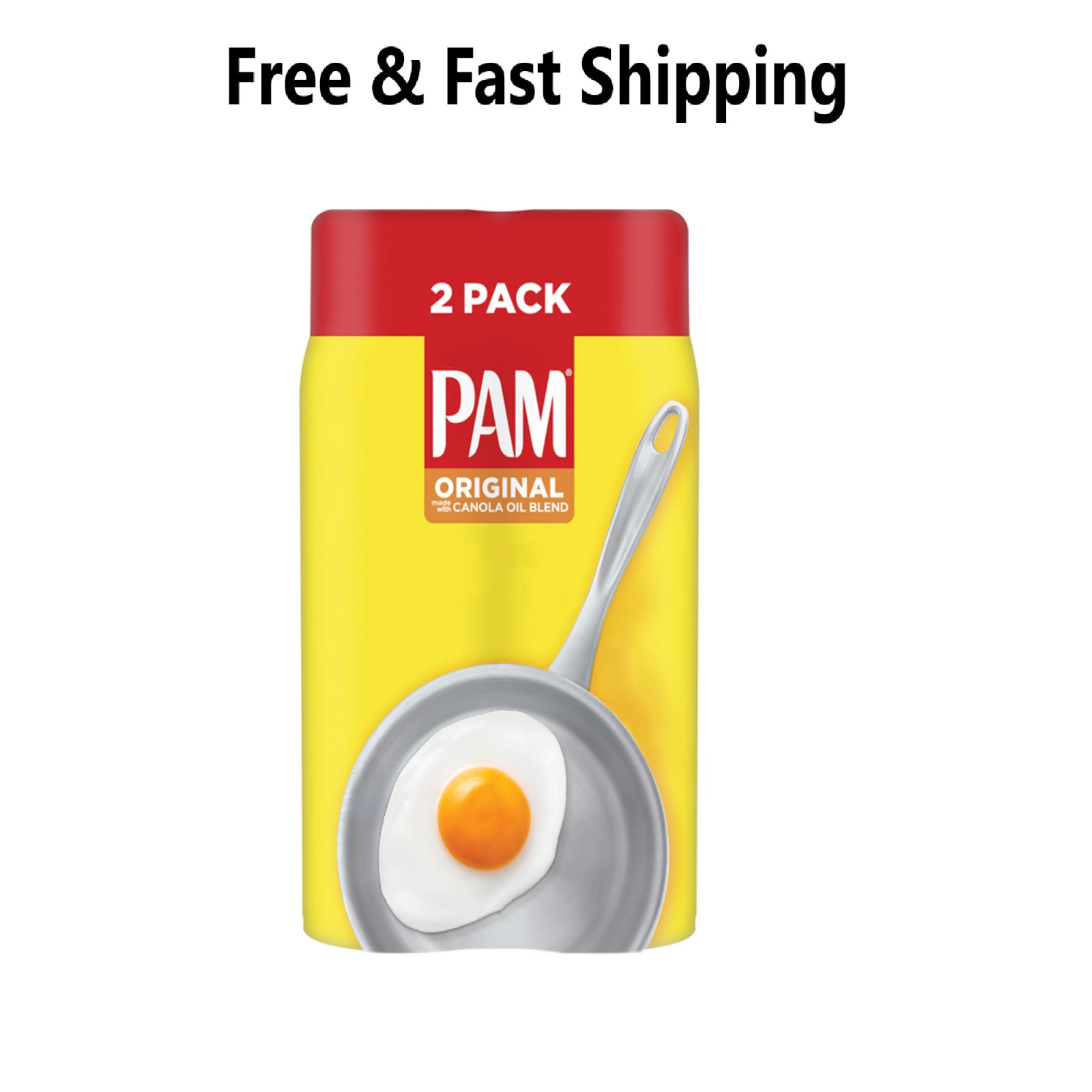
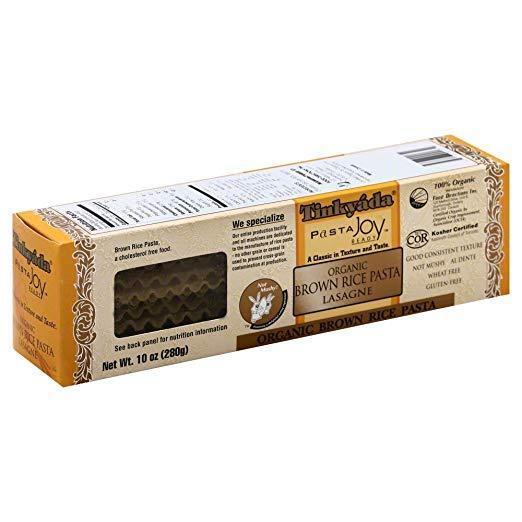
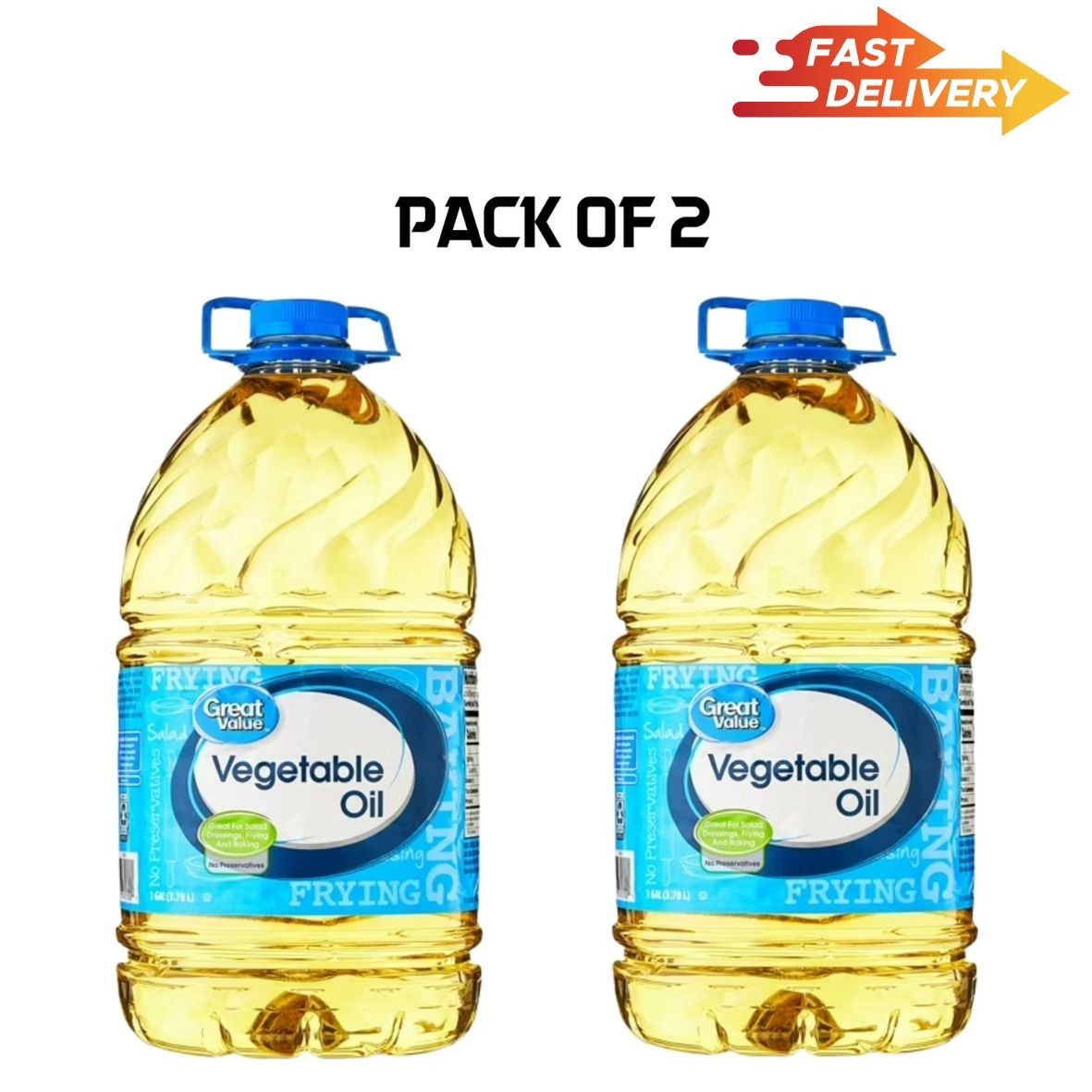
Related searches
What to check before buying
- Confirm you have a cool, dark storage spot—virgin coconut oil solidifies below 76°F and liquefies above, which is normal.
- Measure your typical batch size: 14 fl oz yields about 28 tablespoons, so buy multiple jars if you use it daily.
- Check the jar fits your pantry shelf; glass jars are heavier and breakable compared with plastic tubs.
- Ensure you have a clean, dry spoon for scooping to avoid introducing water or crumbs that shorten shelf life.
FAQ
Data sources: eBay / Amazon listings and product attribute feeds Data updated Nov 18, 2026.
Some links on this page are affiliate links. If you buy after clicking one, we may earn a commission at no extra cost to you. This does not change which products appear here or their order. Affiliate disclosure.