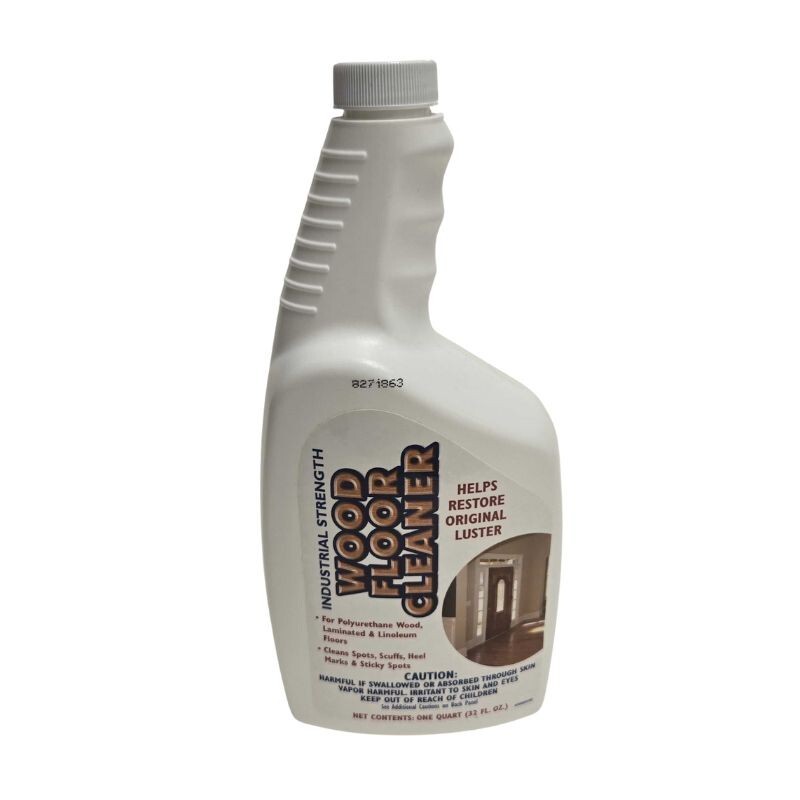

Photos from current listings. Actual item, color, and included accessories may vary.
Wood Floor Cleaner Buying Guide
Wood floor cleaners are formulated to lift grime from sealed hardwood, engineered wood, and bamboo without damaging the finish or leaving dulling residue. The decisive trade-off is between water-based pH-neutral cleansers that are safe for polyurethane and factory finishes versus solvent/wax-heavy products that feed oiled or waxed wood but can cloud modern coatings. Buy only if the formula matches your floor's finish; skip generic all-purpose or steam-style cleaners that void hardwood warranties.


At a glance
- Category
- Household Cleaning & Paper Supplies
- Data updated
- Nov 18, 2026
Current offers
Highlights
- Water-based, pH-neutral (around 7) cleaners are the safe default for polyurethane, aluminum-oxide, and factory-finished engineered wood; solvent or high-alkaline formulas can dull or strip these coatings.
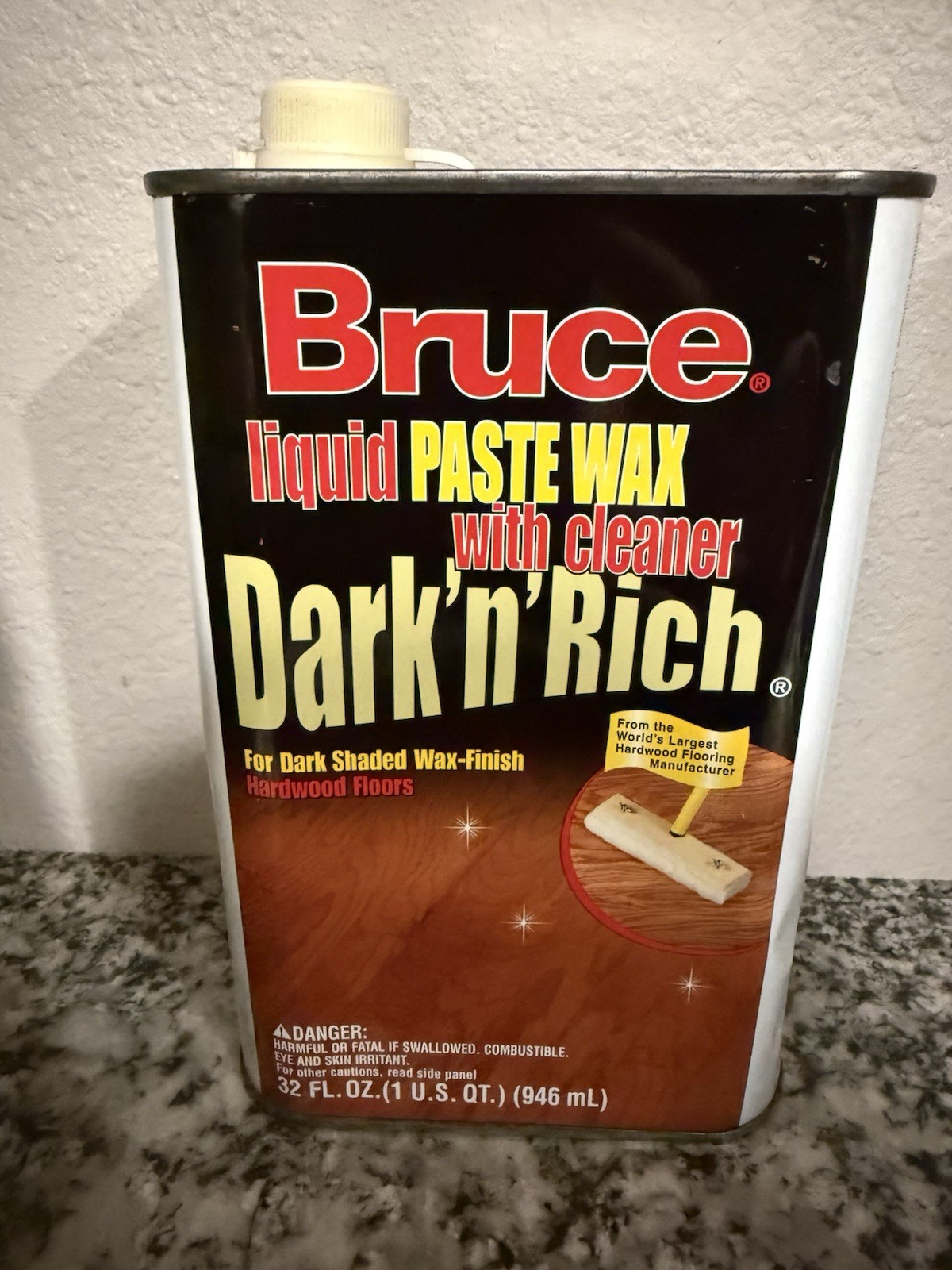
- Wax and oil-based products (paste wax, liquid wax with cleaner) are for penetrating-oil or wax-finished floors only—applying them over polyurethane leaves a smeary film that traps dirt.
- Concentrate vs ready-to-use is the real cost lever: concentrates dilute at roughly 1:4 to 1:10 with water, while 32 fl oz ready-to-use bottles cover only a few rooms per fill.
- Residue-free surfactants and no-rinse formulas matter more than scent or 'industrial strength' labels; sticky films attract soil and force more frequent cleaning.
Best use cases
- Best fit: modern sealed hardwood or engineered floors with polyurethane/aluminum-oxide finish—pick a pH-neutral water-based concentrate and a microfiber mop dampened, not soaked.
- Best fit: older waxed or oiled solid hardwood—pick a liquid wax-with-cleaner or paste wax product and buff, accepting a longer maintenance cycle.
- Wrong fit: steam mops and vinegar-heavy DIY mixes on any wood—excess moisture wicks into seams, swells edges, and voids most hardwood warranties.
- Wrong fit: solvent 'industrial strength' cleaners on factory-finished engineered planks—they can attack the wear layer and leave hazy patches.
Buying tips
- Match formula to finish: pH-neutral water-based for polyurethane/UV-cured coatings; wax or oil-based for penetrating-oil and wax finishes—never cross them.
- Choose concentrate over ready-to-use for whole-home coverage: a 32 fl oz concentrate diluted per label typically cleans several times the area of a 32 fl oz RTU bottle.
- Avoid products with added silicone or heavy surfactants on sealed wood; they build a residue layer that dulls sheen and attracts dirt.
- For large rooms, a spray-and-mop kit with washable microfiber pads beats spray bottles—pads lift soil mechanically and rinse clean for reuse.
Specs
| Formula Type | Water-based pH-neutral vs wax/oil |
|---|---|
| Finish Compatibility | Polyurethane/engineered vs waxed solid |
| Concentration | Concentrate (dilute 1:4–1:10) vs RTU |
| Residue Profile | No-rinse, residue-free surfactants |
Related searches
What to check before buying
- Identify your finish first: polyurethane/engineered wear layer takes pH-neutral water-based cleaner; wax/oiled solid wood takes wax or oil-based product.
- Measure floor area to estimate dilution volume—concentrate coverage is printed per gallon of mixed solution, not per bottle.
- Check for open seams, cracks, or lifting edges; any gap that lets water pool means switch to a barely-damp mop or dry method.
- Confirm the product is no-rinse and residue-free; rinse-required formulas add a second wet pass that raises moisture exposure.
FAQ
Data sources: eBay / Amazon listings and product attribute feeds Data updated Nov 18, 2026.
Some links on this page are affiliate links. If you buy after clicking one, we may earn a commission at no extra cost to you. This does not change which products appear here or their order. Affiliate disclosure.