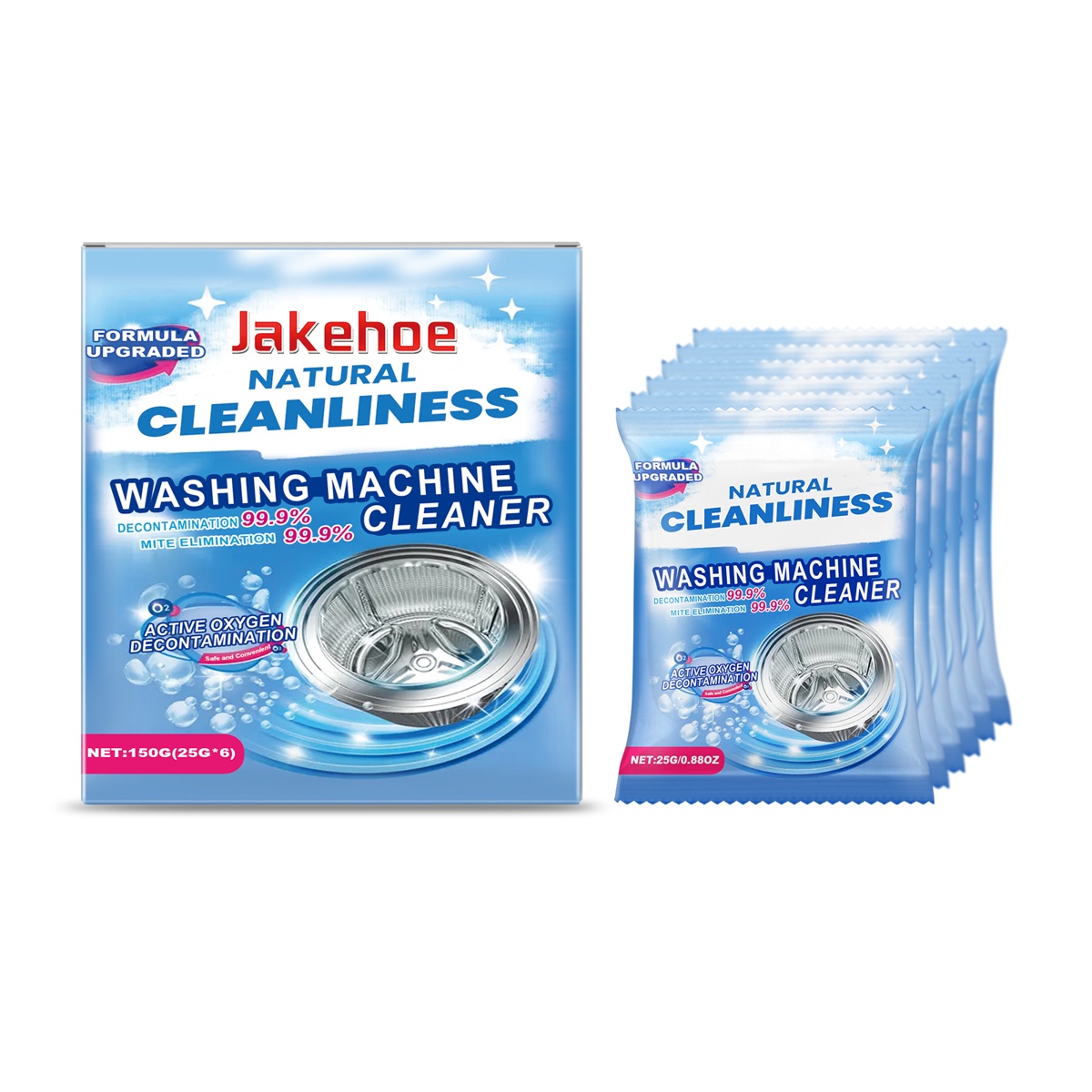

Photos from current listings. Actual item, color, and included accessories may vary.
Washing Powder Buying Guide
Washing powder is a dry, alkalinity-driven detergent format where the core trade-off is stain-fighting power versus skin and fabric gentleness, determined by surfactant load, builder chemistry, and whether optical brighteners or enzymes dominate. The clear decision rule: choose enzyme-and-oxygen formulas for heavy soil and greasy stains, and switch to fragrance-free, dye-free, enzyme-minimal or soap-based powders for sensitive skin or delicate fibers. Skip any powder whose visible ingredients or claims emphasize chlorine bleach or high-temperature activation if you wash cool or have reactive skin.


At a glance
- Category
- Household Cleaning & Paper Supplies
- Data updated
- Nov 18, 2026
Current offers
Highlights
- Anionic-surfactant load (typically 10-25% in mainstream powder) drives soil suspension; higher load cleans better but risks irritation and fading on dark or wool fabrics.
- Builder type separates tiers: zeolite-and-carbonate builders soften hard water effectively, while phosphate-free citrate builders need warmer water and more mechanical agitation.
- Enzyme systems (protease, amylase, lipase, cellulase) only work below 60°C; powder with a strong enzyme claim is wasted on hot washes and must be skipped if you routinely boil-wash.
- Oxygen bleach (sodium percarbonate) releases hydrogen peroxide above 40°C for color-safe whitening; chlorine bleach powder gives sharper whites but degrades elastane and causes yellowing on synthetics.
Best use cases
- For sensitive skin or baby laundry, pick a fragrance-free, dye-free, enzyme-light powder and skip any formula labeled with optical brighteners, chlorine bleach, or 'extra fresh' scent beads.
- For greasy workwear, kitchen towels, and heavy soil, use a protease-lipase enzyme powder at 40-60°C and skip gentle/soap-based powders that lack surfactant strength.
- For front-load high-efficiency (HE) machines, choose a low-suds HE-certified powder and skip standard top-load formulas that over-foam and trigger rinse faults.
- For hand-washing or twin-tub use, a compact high-alkalinity powder dissolved fully in warm water works; skip pods and low-suds HE powder that under-clean without drum agitation.
Buying tips
- Match dose to water hardness: soft water needs roughly half the scoop; hard water (above 180 mg/L CaCO3) needs full dose plus a carbonate builder or separate softener.
- For front-loaders, confirm an 'HE' or low-suds mark; regular powder in an HE drum causes excess foam that extends cycles and leaves residue in the door seal.
- Check the enzyme/bleach system against your wash temperature: percarbonate and enzymes need 40-60°C, so cool-wash households should prioritize surfactant-heavy formulas instead.
- For dark and wool loads, select non-biological (enzyme-free) neutral-pH powder; biological powder's protease digests protein fibers and dulls dark dyes over repeated washes.
Specs
| Formula Type | Biological enzyme vs non-biological |
|---|---|
| Builder System | Zeolite/carbonate vs citrate/phosphate-free |
| Bleach System | Oxygen percarbonate vs chlorine vs none |
| Machine Compatibility | HE low-suds vs standard top-load |
Related searches
What to check before buying
- Confirm your machine type (front-load HE vs top-load agitator) because suds level and dose per load differ substantially between the two architectures.
- Test your water hardness with a strip or municipal report; above 180 mg/L requires builder-rich powder or a separate water softener to avoid gray, stiff laundry.
- Measure your usual load size and drum capacity so you dose by kilograms of dry laundry rather than by eye, preventing residue and overuse.
- Check that your wash temperatures reach 40°C or higher if you rely on oxygen bleach or enzymes; otherwise pick a cool-water surfactant formula.
FAQ
Data sources: eBay / Amazon listings and product attribute feeds Data updated Nov 18, 2026.
Some links on this page are affiliate links. If you buy after clicking one, we may earn a commission at no extra cost to you. This does not change which products appear here or their order. Affiliate disclosure.