Photos from current listings. Actual item, color, and included accessories may vary.
Toilet Cleaner Buying Guide
Toilet cleaners fall into three functional camps: acidic descalers for hard-water mineral scale, alkaline/chlorine cleaners for organic stains and sanitizing, and continuous-release blocks or foaming powders for maintenance. The primary trade-off is cleaning power versus surface safety: strong acids and chlorines etch porcelain glaze and attack rubber flappers over time, while gentle enzyme or surfactant formulas need longer dwell time. The decision rule is simple — match the chemistry to the stain type (white chalky scale = acid, brown/rust ring = acid plus reducer, pink/black biofilm = chlorine or oxidizer), and avoid any formula that lists hydrochloric acid for daily use on older or glazed bowls.

At a glance
- Category
- Household Cleaning & Paper Supplies
- Data updated
- Nov 18, 2026
Current offers
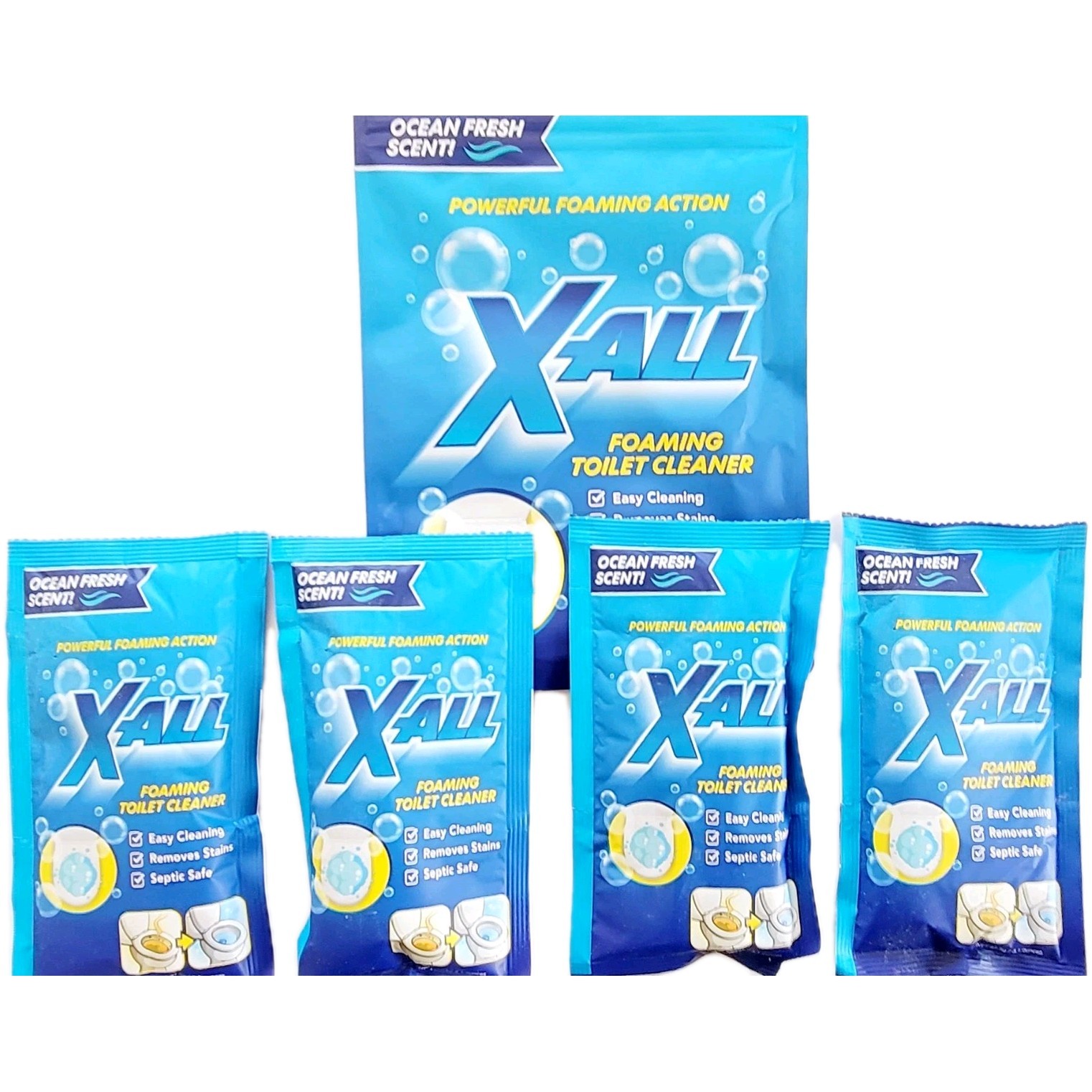 X-ALL Foaming Toilet Cleaner, Self-Activating Powder, 1 Pack(4 Treatments)$14.70
 View on eBay
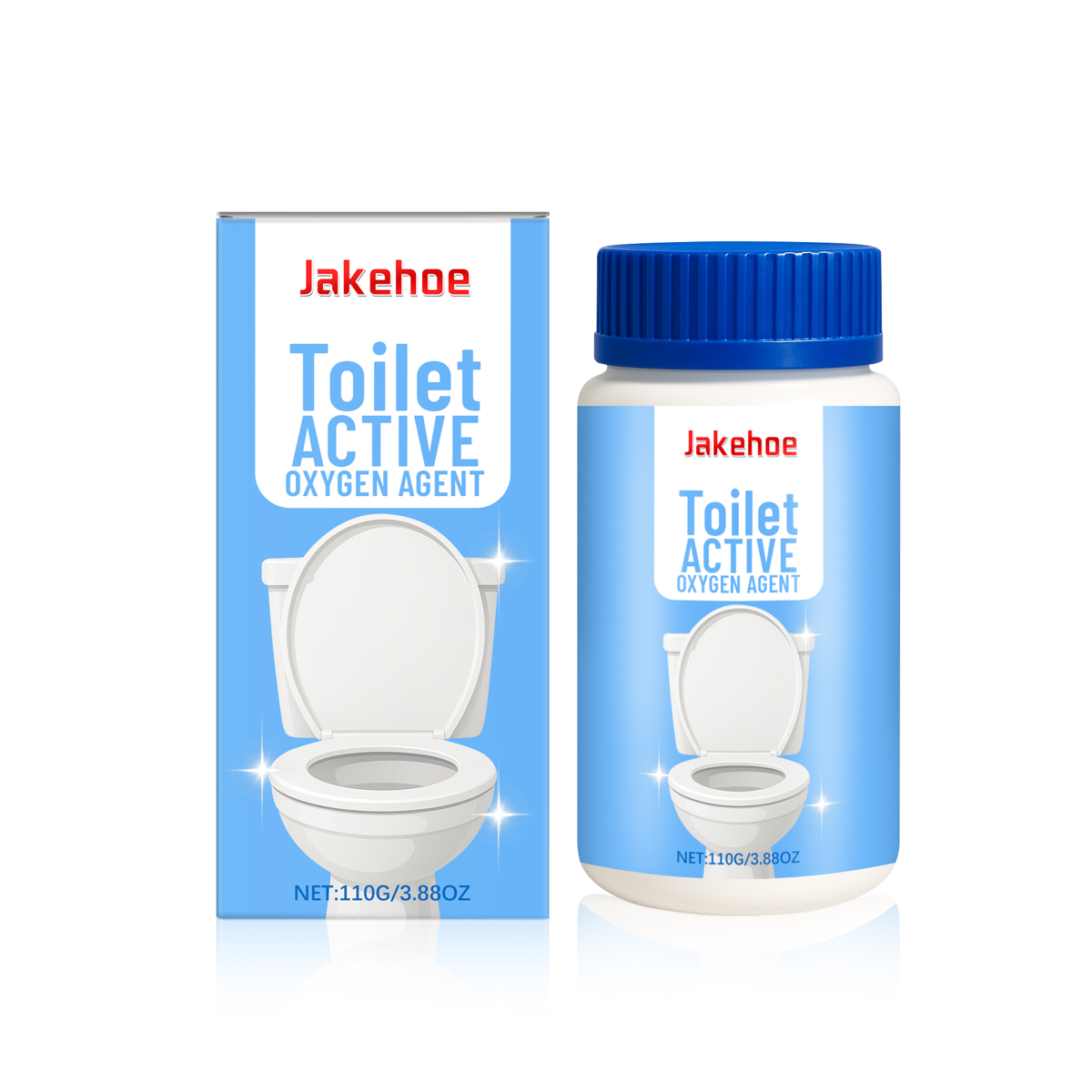 Jakehoe Active Toilet Cleaner Powder Is A Household Bowl Cleaning, Odor Removal, Decontamination, And Scale$19.99
 View on Mallflare
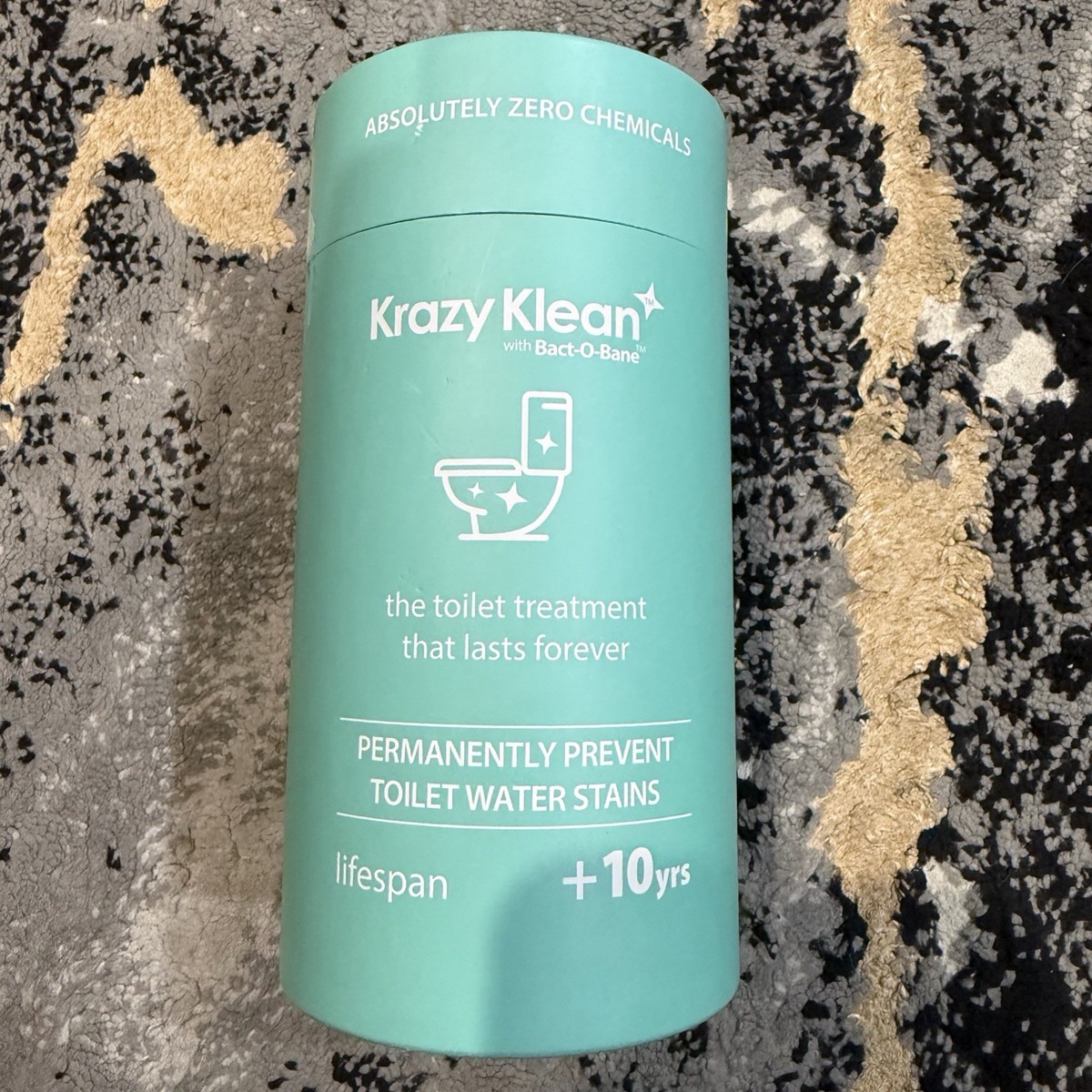 Krazy Klean Pro Toilet Cleaner Household Cleaning Solution | Pack of 1$19.99View on eBay
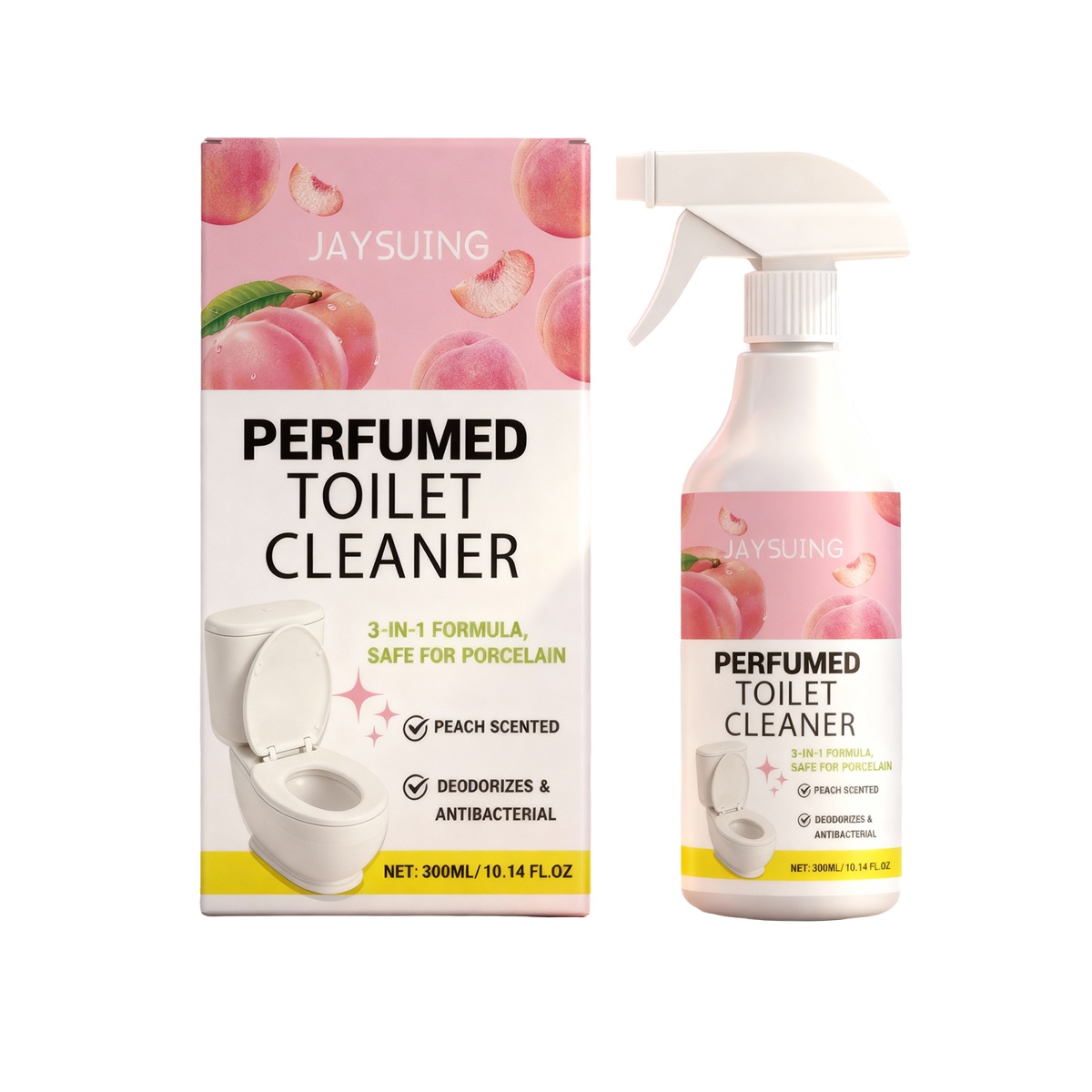 Jaysuing Scented Toilet Cleaner, Bowl Stubborn Stains And Scale Remover, Deodorizer, Aromatic Foam$19.99View on Mallflare
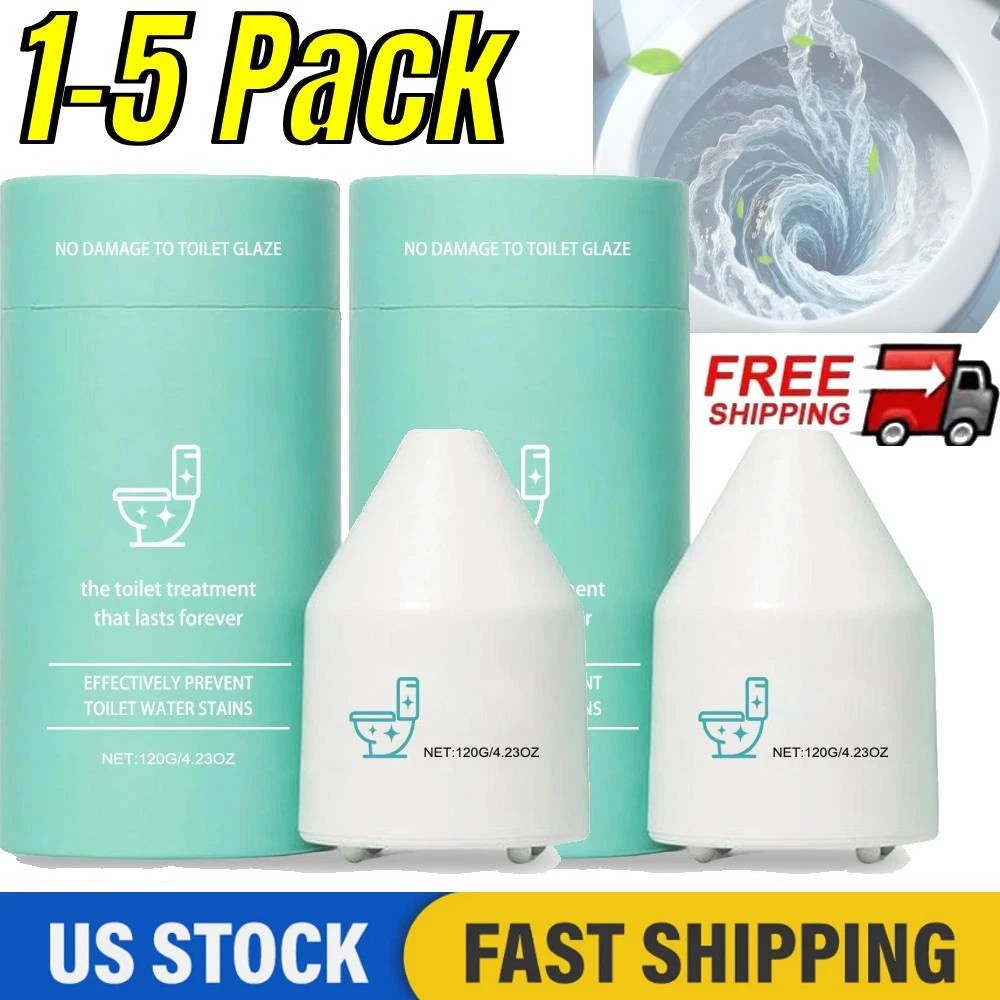 Pack Krazy Klean Pro Toilet Bowl Cleaner, Crazy Klean Toilet Cleaner Easy to Use$28.95View on eBay
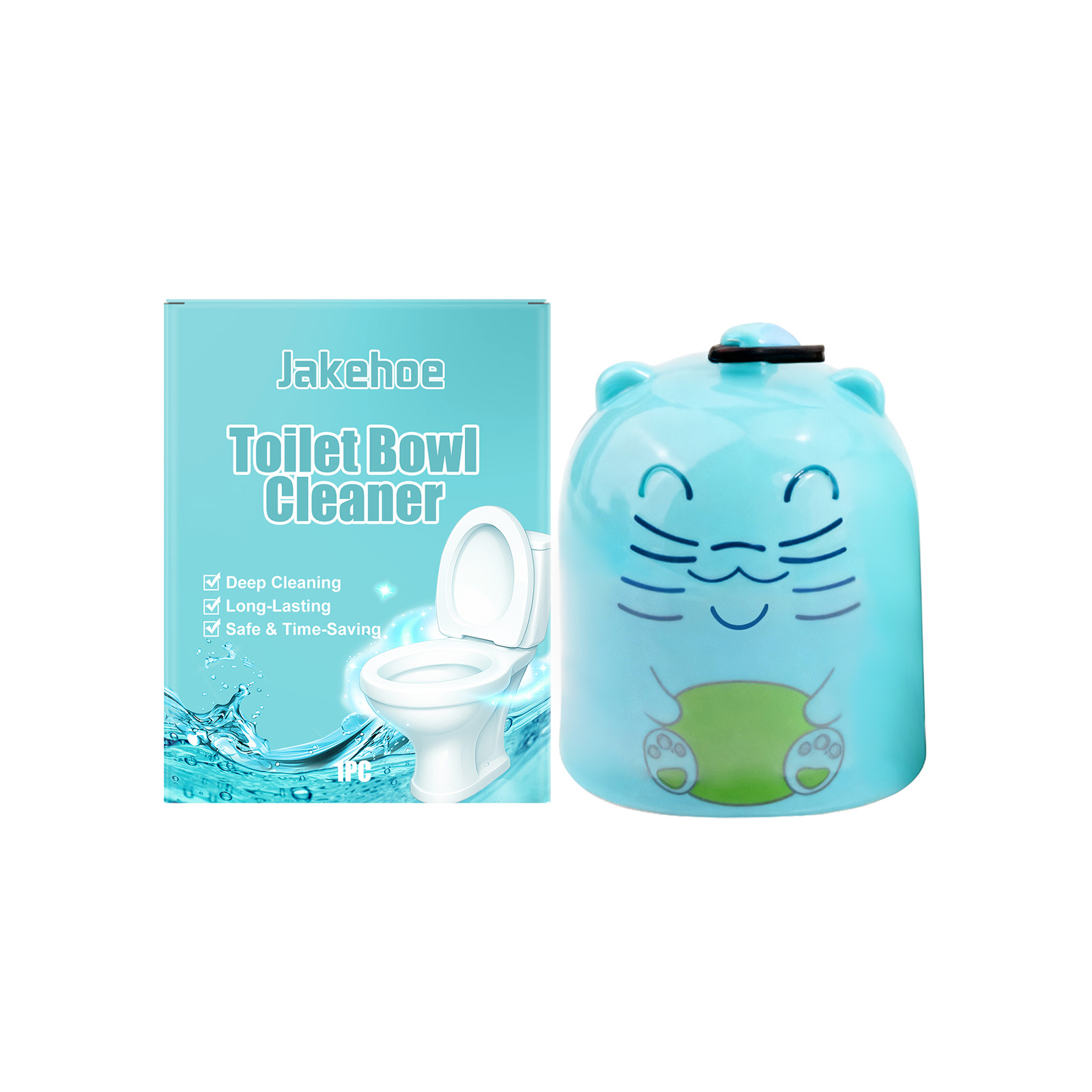 Jakehoe Toilet Cleaner Is A Household Bathroom Cleaning, Decontamination, Scale Removal And Fragrance Retention Type$19.99View on Mallflare
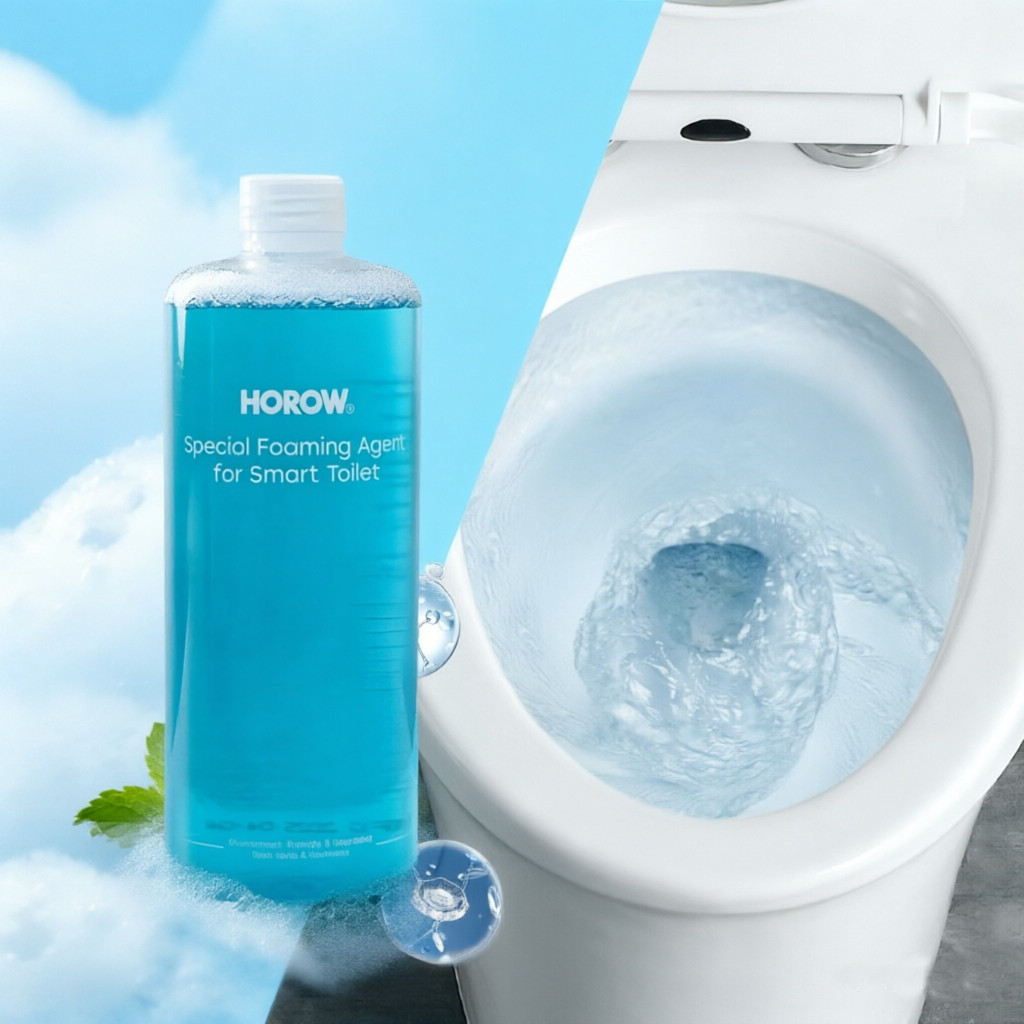 HOROW 2x Splash Toilet Cleaner Foam Shield Smart Toilet Special Foam Agent 480ML$35.29View on eBay
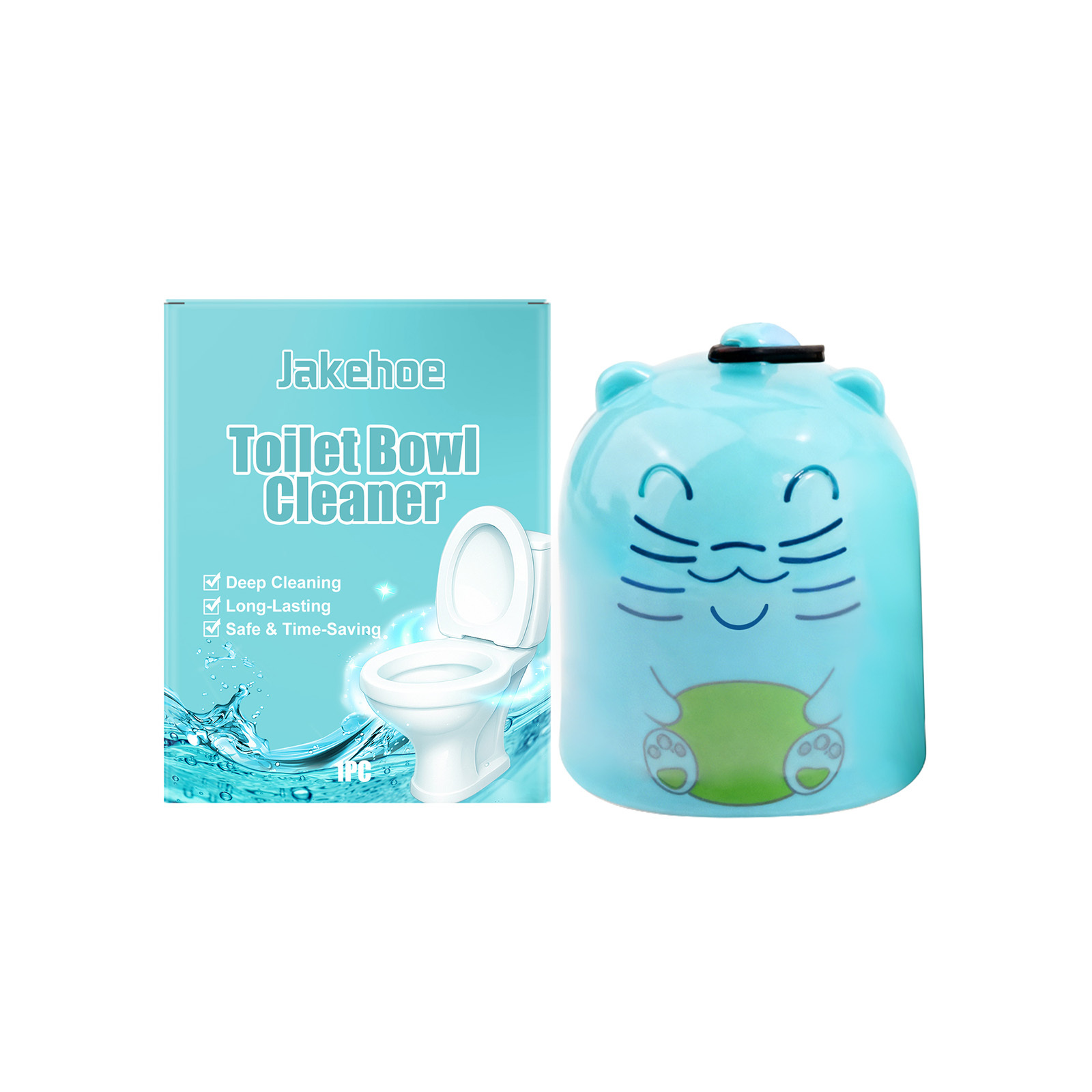 Furniture Care Toilet Cleaner Is A Household Bathroom Cleaning$22.99View on Mallflare
 Pack Krazy Klean Pro Toilet Bowl Cleaner, Crazy Klean Toilet Cleaner Easy to Use$50.98View on eBay
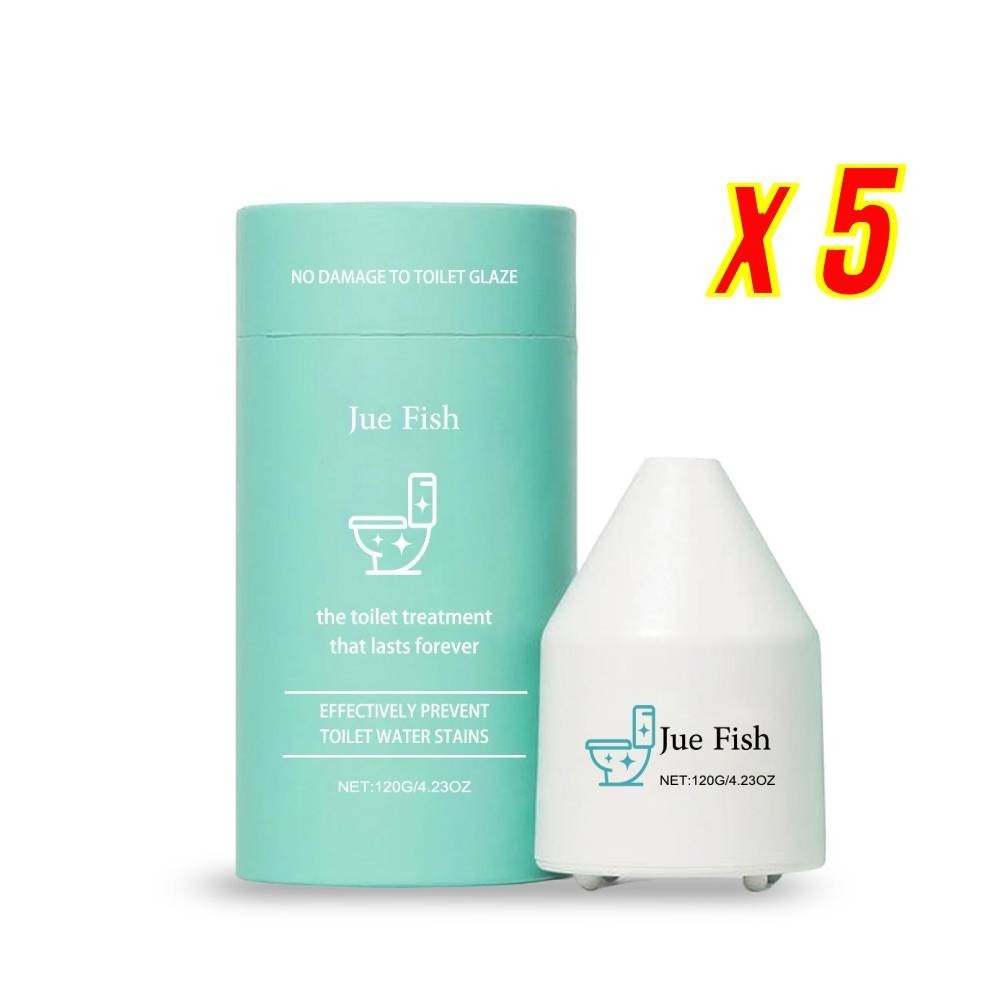
 JUE FISH Toilet Cleaning Block, 1 Piece$14.99View on Mallflare
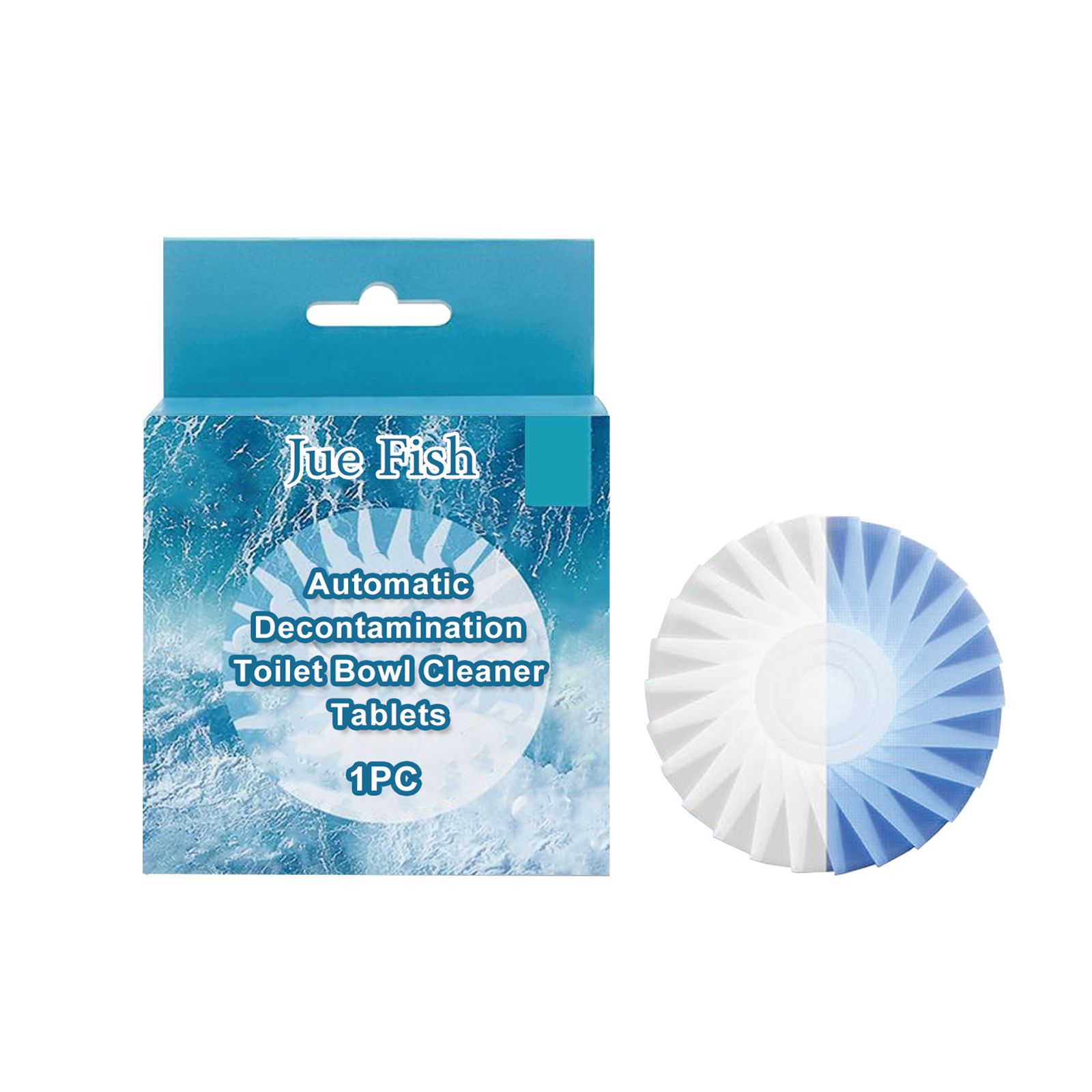
 Zep Acidic Toilet Bowl Stain Eraser Wintergreen Scent 32 fl oz 3-Pack$13.85View on eBay
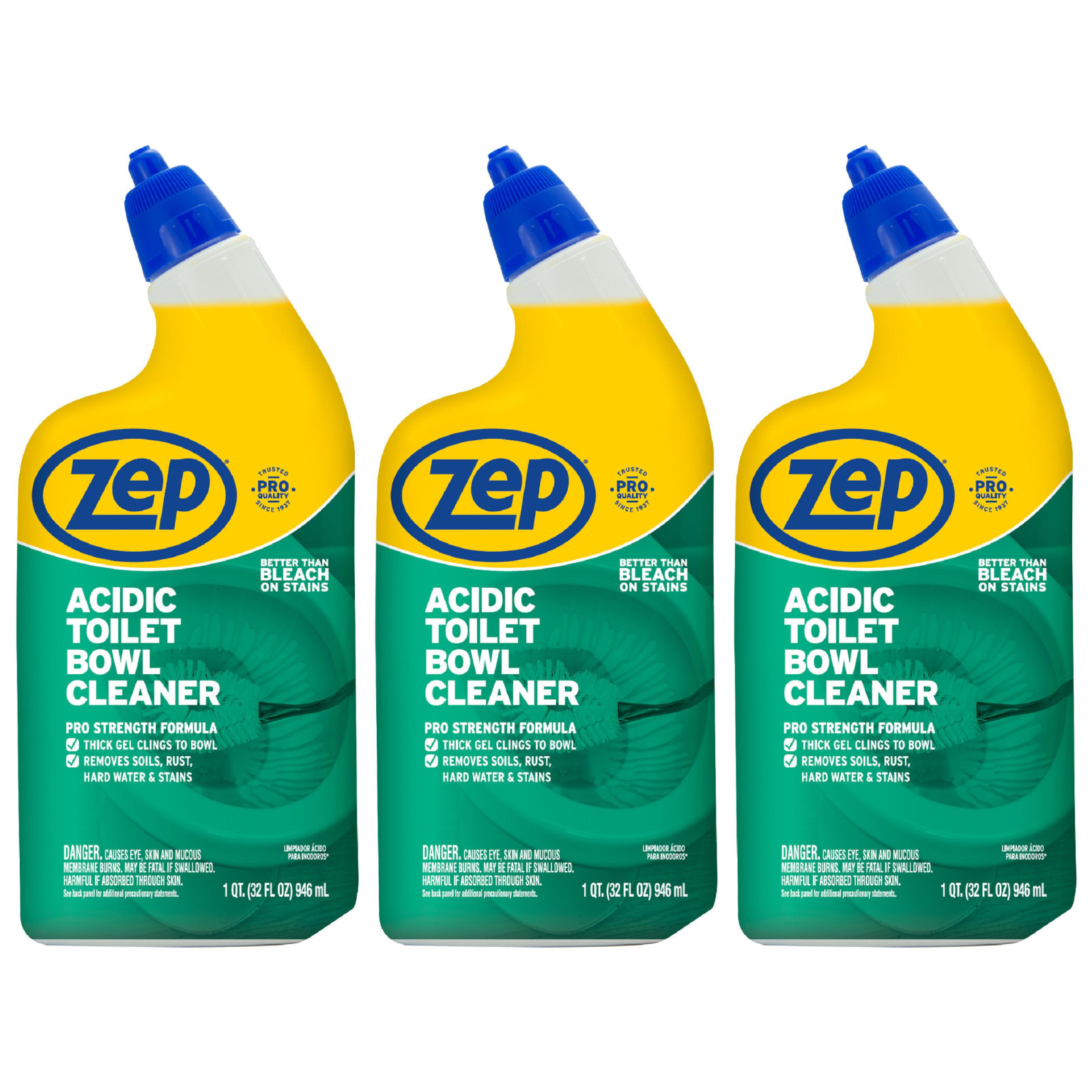
 JAKEHOE Toilet Tank Cleaning Sticks, 8 x 14 g (112 g Total)$14.99View on Mallflare
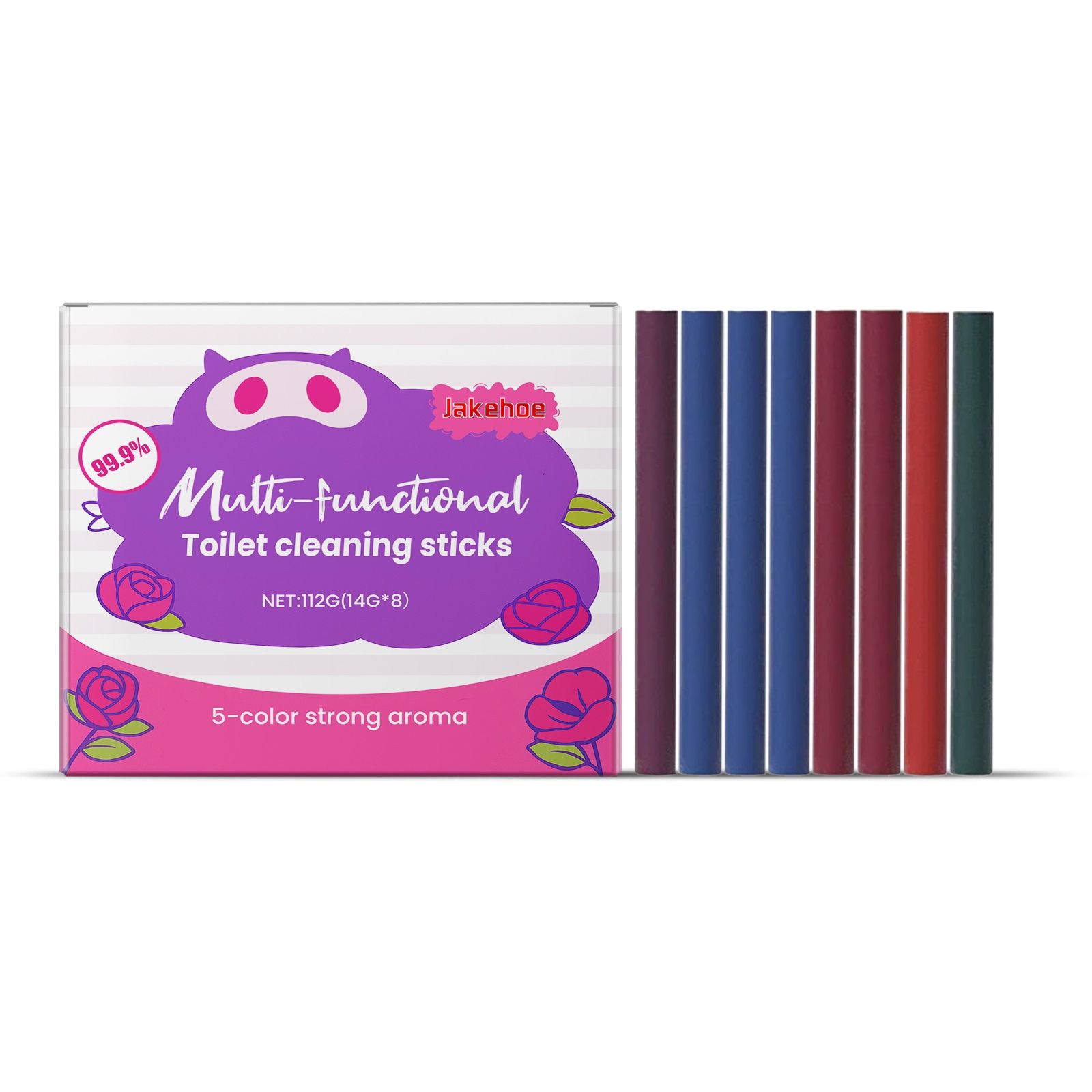
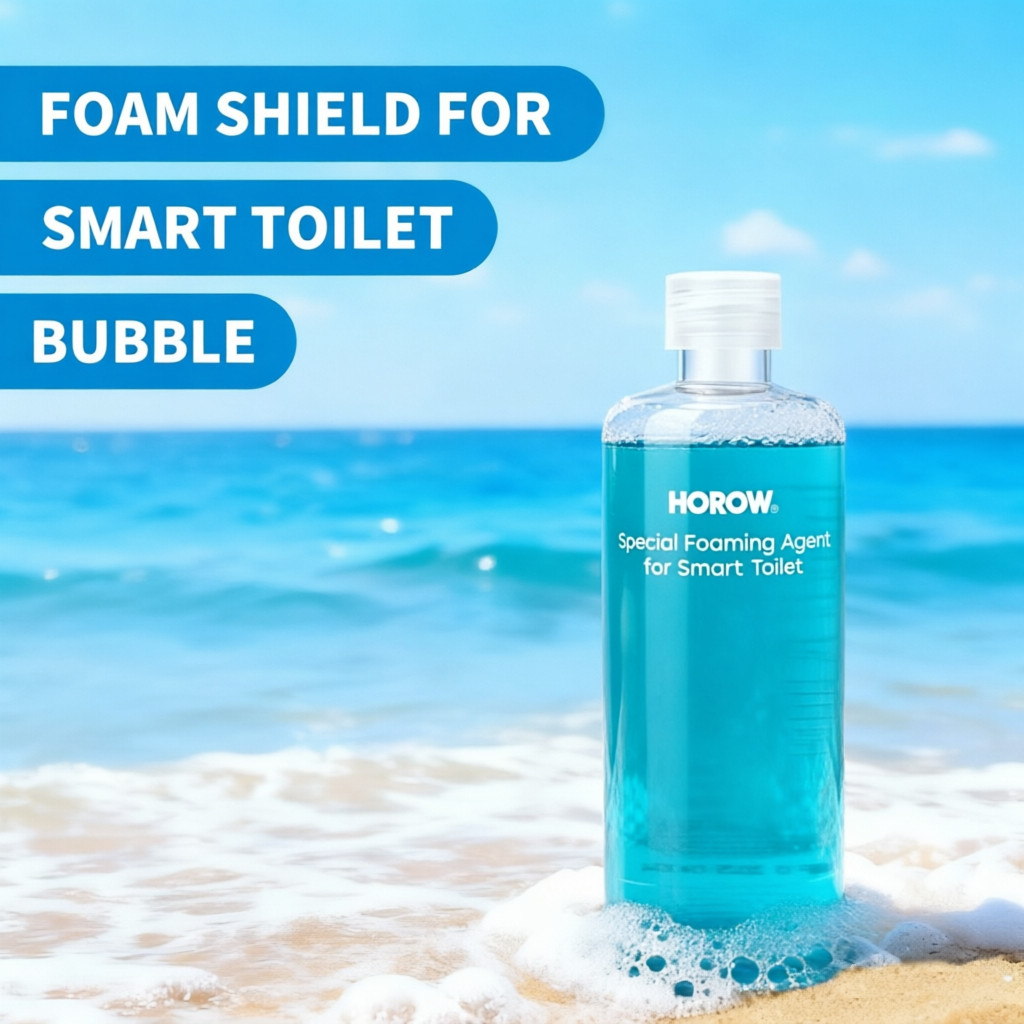 HOROW Smart Toilet Foam Agent Splash Proof Foaming Cleaning Liquid 480ml 2Pack$39.99View on eBay
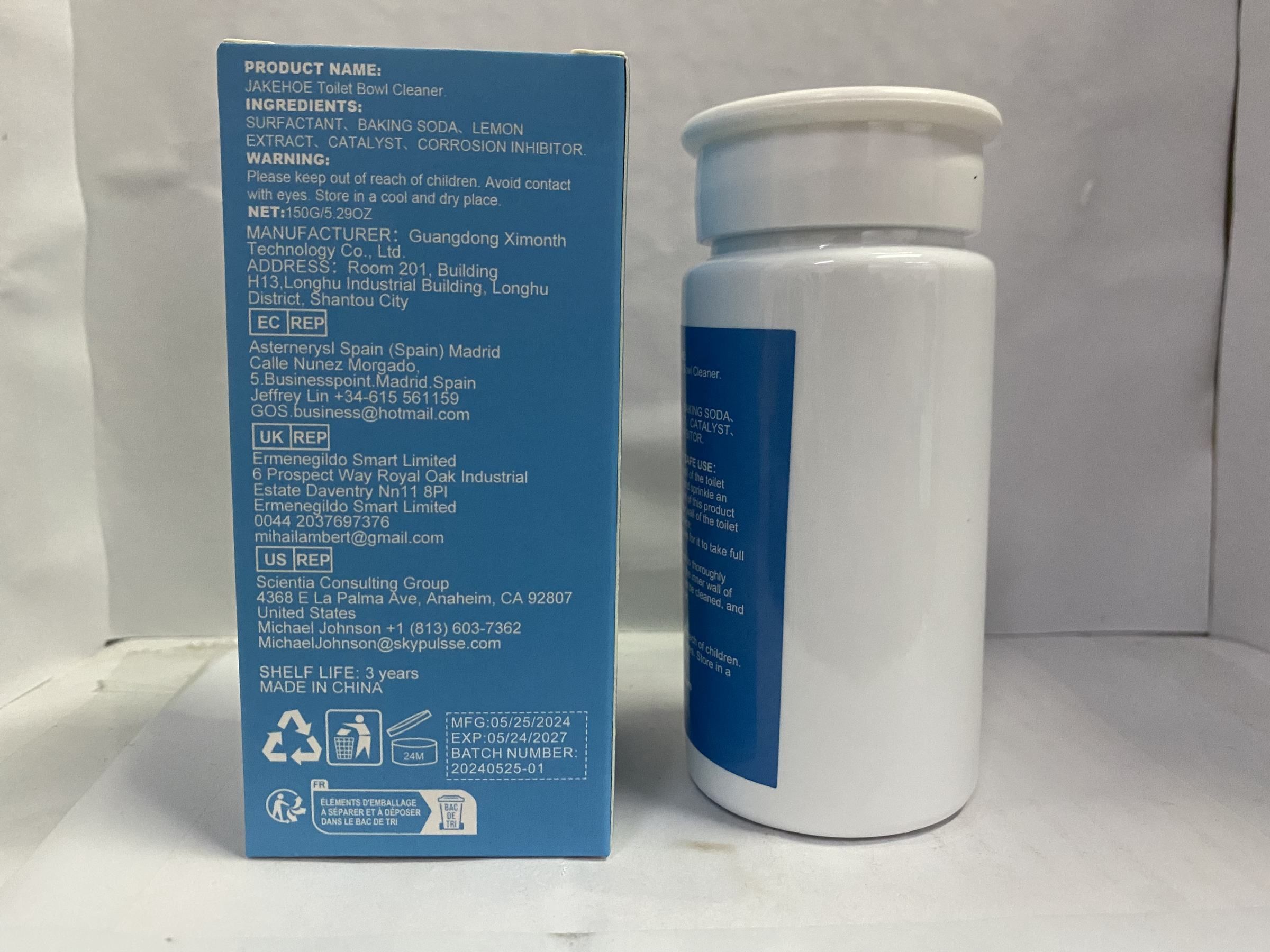 JAKEHOE Foaming Toilet Bowl Cleaning Powder, 150 g / 1 Pack$14.99View on Mallflare
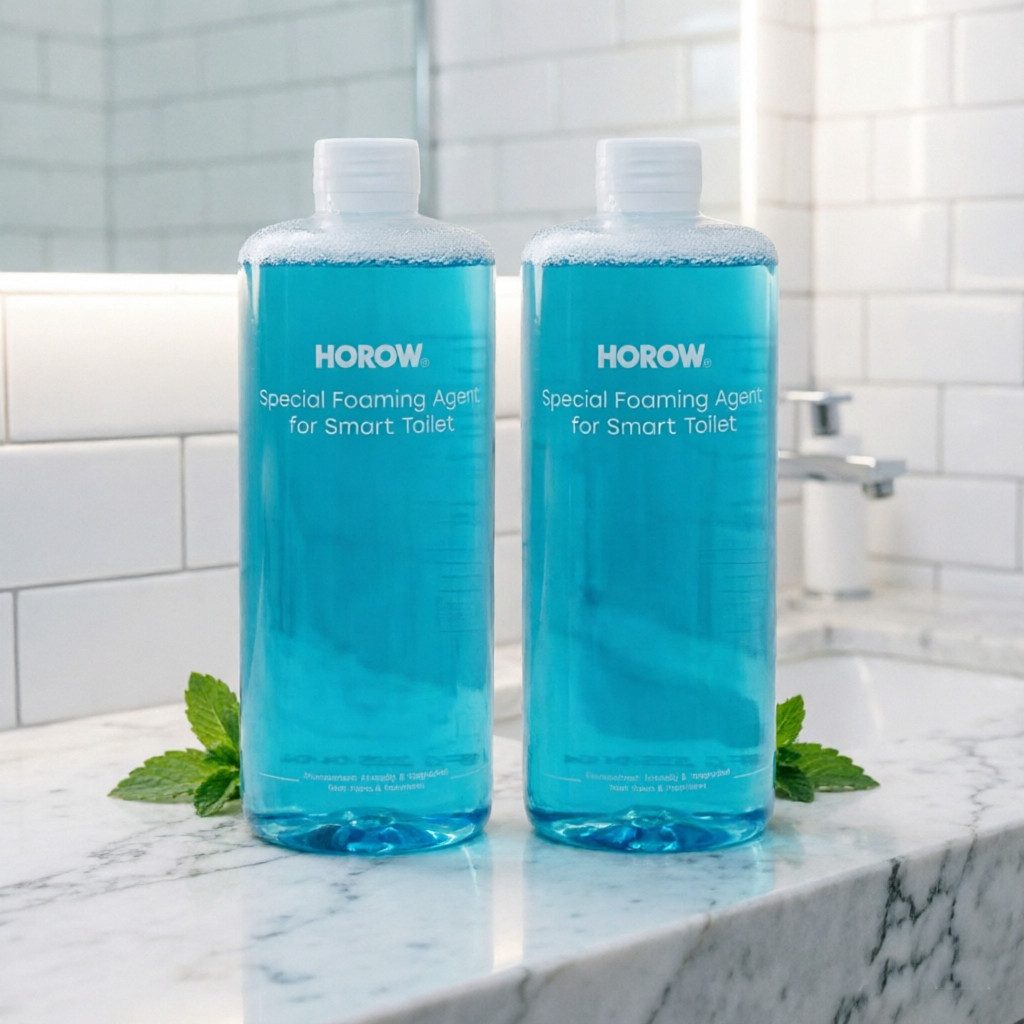 HOROW 2Pcs Smart Toilet Foam Agent Splash Proof Foaming Cleaning Liquid 480ml$39.99View on eBay
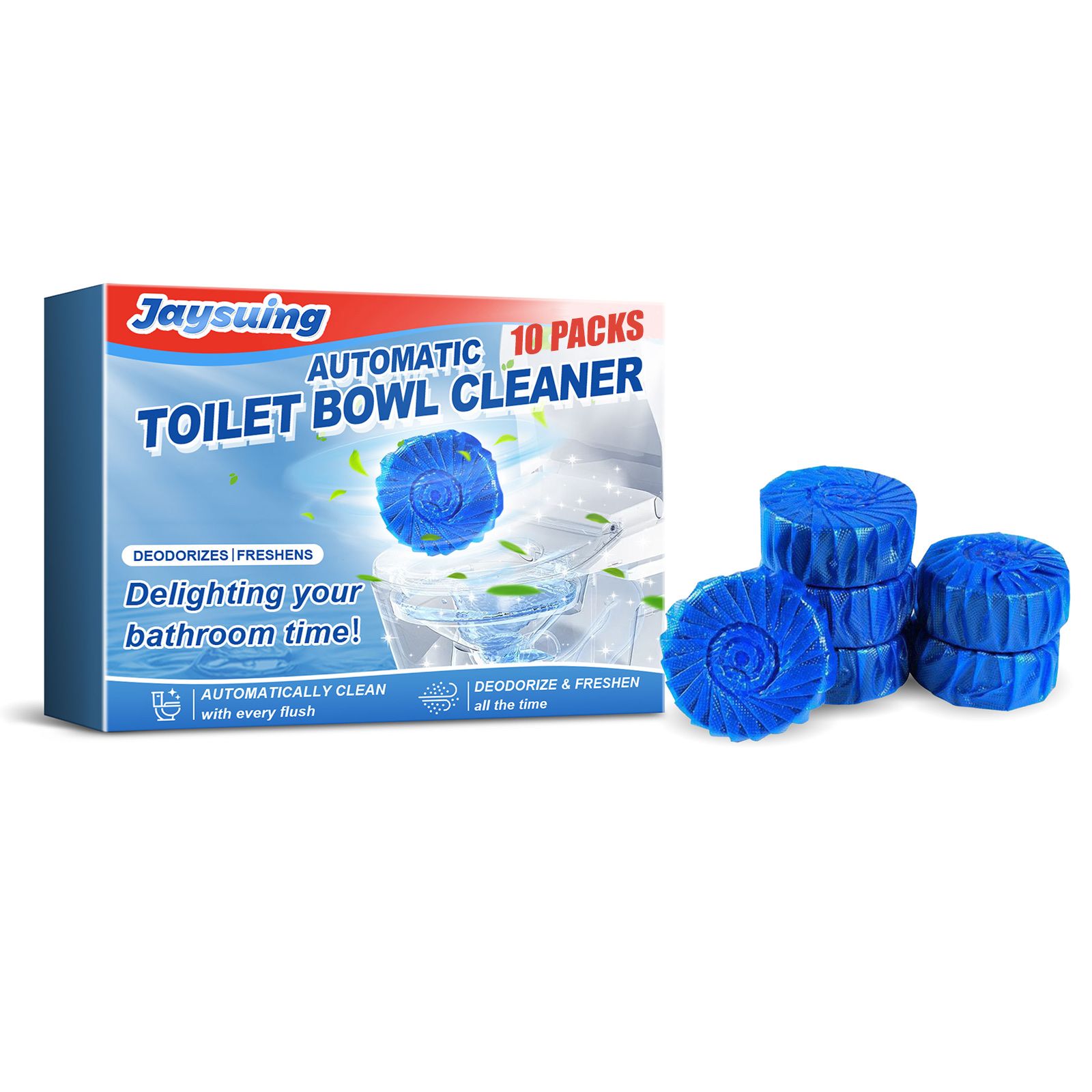 JAYSUING Automatic Toilet Tank Cleaner Blocks, 10 Count$14.99View on Mallflare
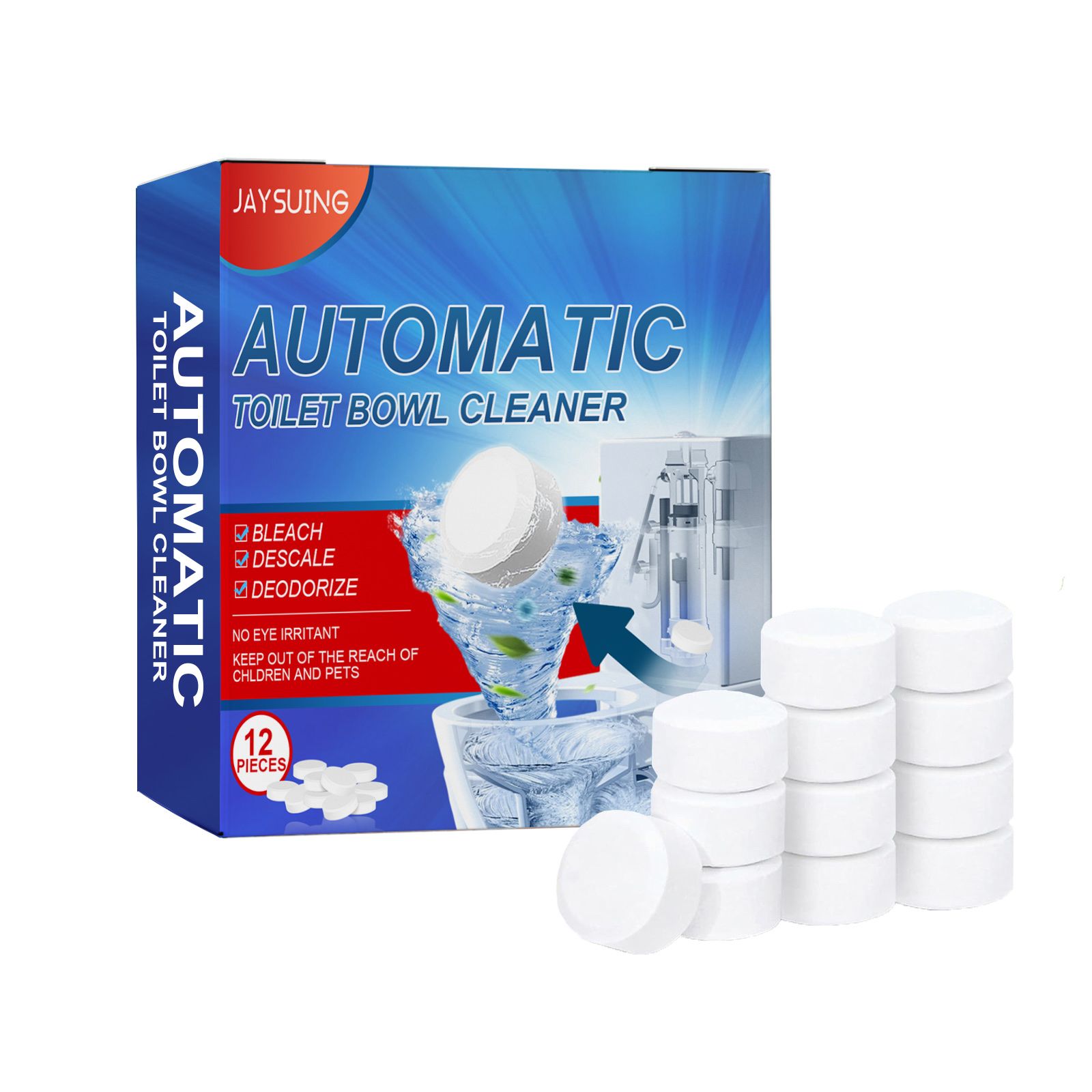 JAYSUING Toilet Bowl Cleaning Tablets, 12 Pieces$14.99View on Mallflare
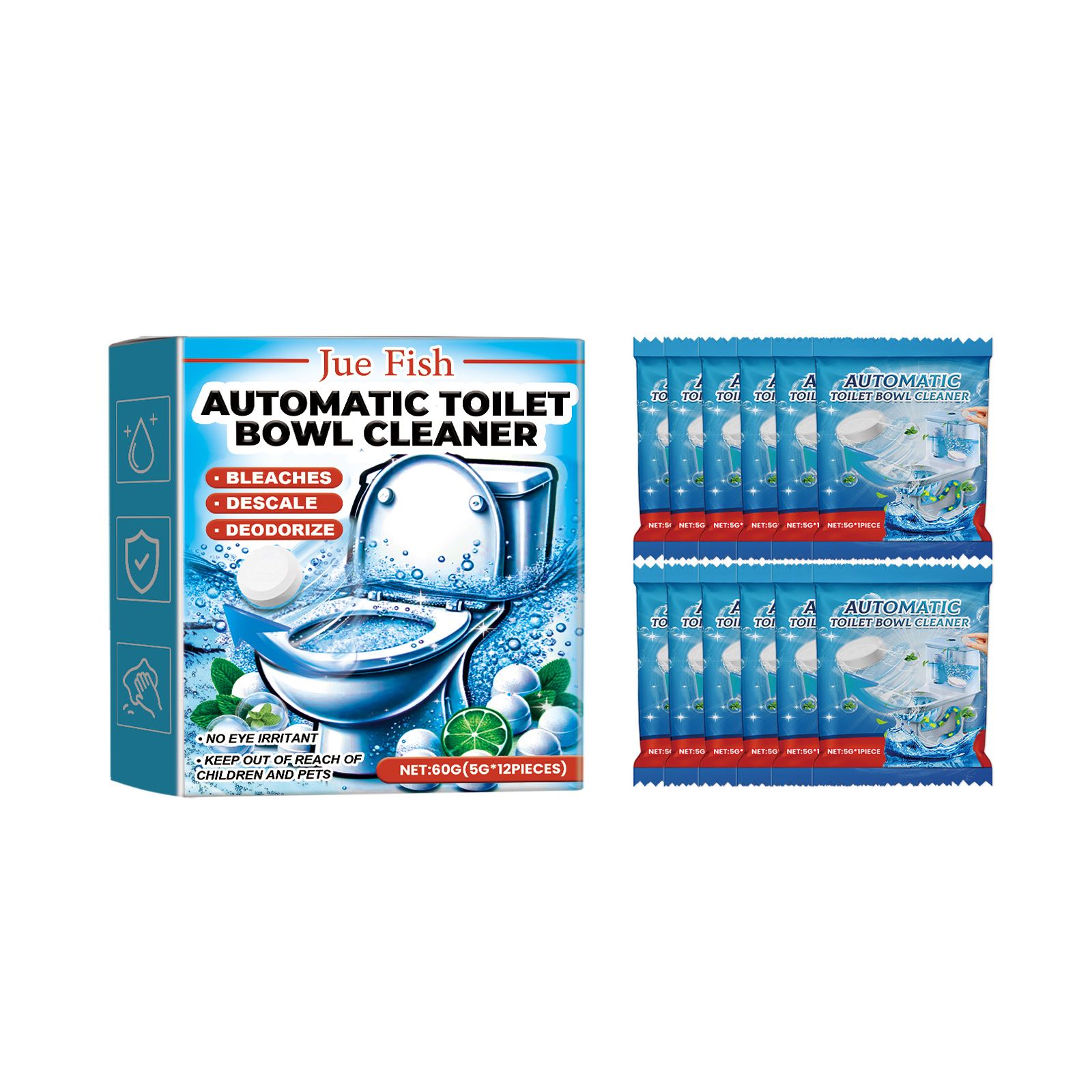 JUE FISH Automatic Toilet Bowl Cleaning Tablets, 60 g$14.99View on Mallflare
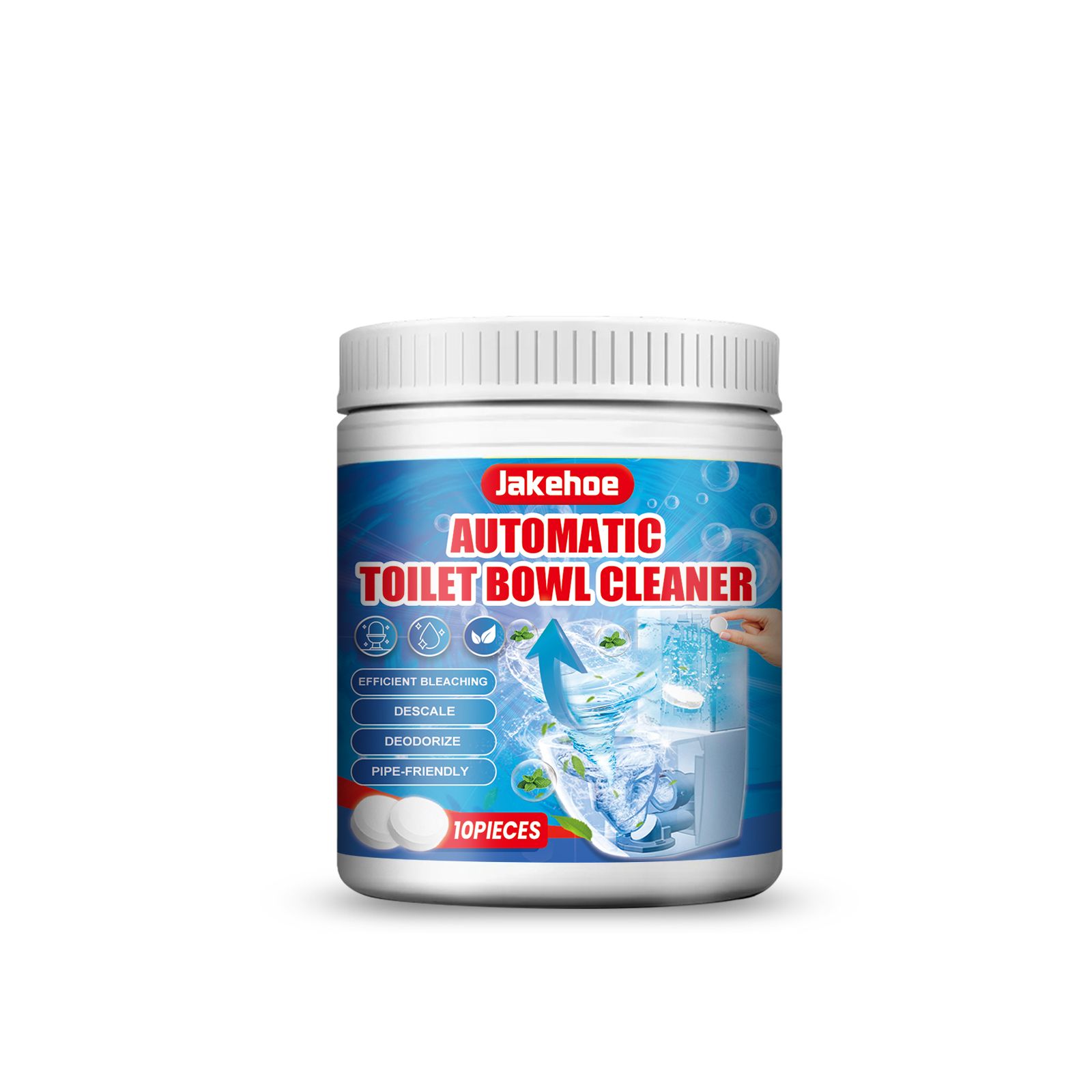 JAKEHOE Toilet Bowl Cleaning Tablets, 10 Pieces$14.99View on Mallflare
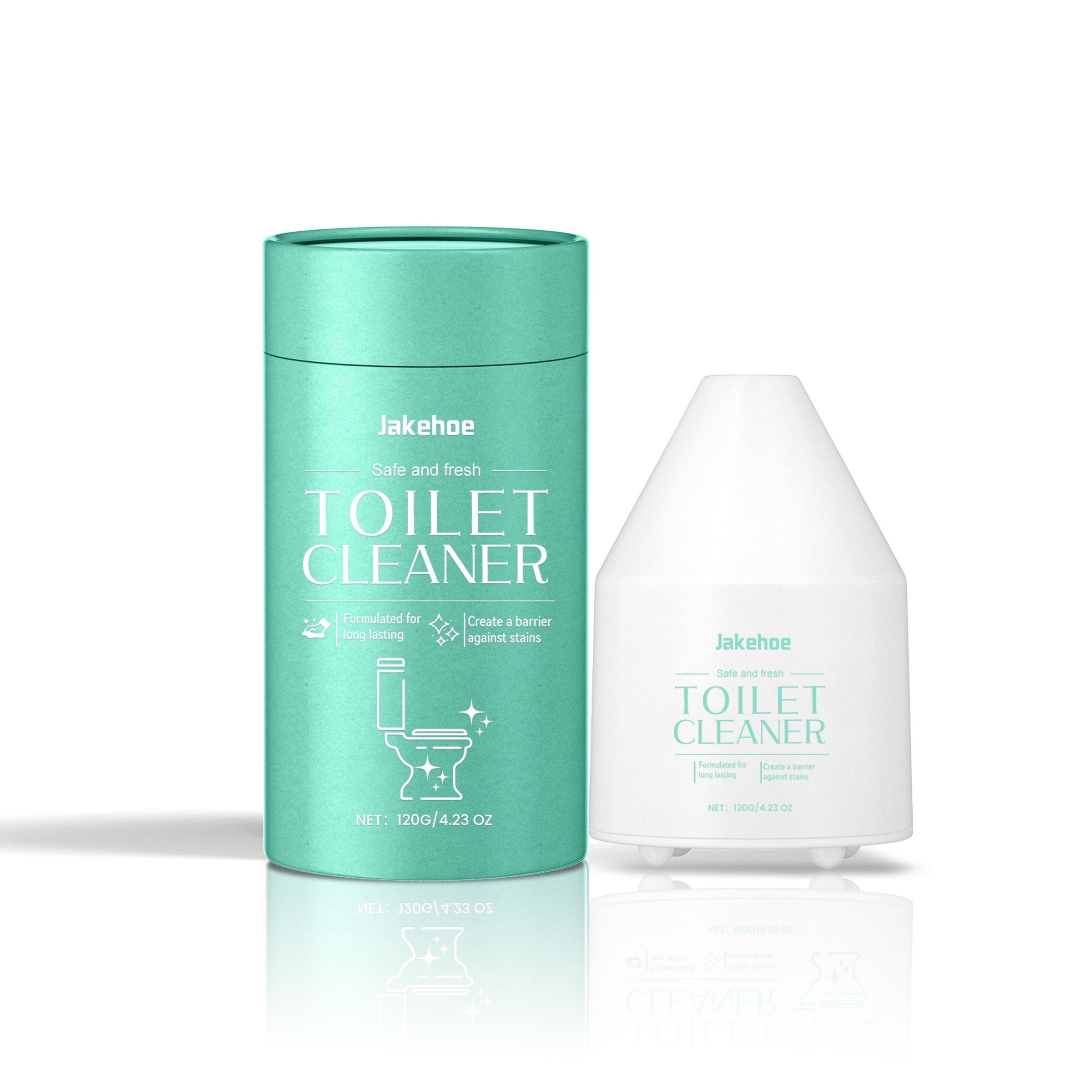 JAKEHOE Toilet Tank Cleaning Block Kit, 3 Blocks with Dosing Container, 120 g Total$16.99View on Mallflare
Highlights
- Hard-water scale is calcium carbonate and dissolves only below pH 4; citric, sulfamic, and hydrochloric acids work, while alkaline bleach cleaners leave the white ring untouched.
- Hydrochloric-acid bowl cleaners strip glaze and corrode metal fittings; sulfamic or citric acid gels deliver comparable descaling with far lower porcelain and flapper risk.
- Chlorine (sodium hypochlorite) cleaners kill biofilm and whiten organic stains but neutralise instantly when mixed with acid cleaners, releasing toxic chlorine gas.
- Continuous-release blocks and foaming powders rely on surfactants and low-dose chlorine; they prevent film buildup but cannot remove existing mineral scale.
Best use cases
- Hard-water belt with visible white scale ring: choose a sulfamic- or citric-acid gel descaler applied to a dry bowl and left 10–20 minutes; skip enzyme-only or bleach-only products.
- Daily maintenance in a soft-water household: pick a low-foam surfactant gel or a slow-release block; skip strong acids that will etch glaze with repeated use.
- Rust-colored iron or well-water stains: use an acid formula paired with a reducing agent (oxalic or citric), not chlorine, which sets iron stains darker.
- Septic-system homes: choose enzyme or surfactant-based cleaners and skip chlorine blocks and quaternary-ammonium disinfectants that disrupt the tank bacteria.
Buying tips
- For scale removal, confirm the active acid on the label — sulfamic or citric acid at 5–10% is effective and glaze-safe; hydrochloric acid above 10% is for severe descaling only, not weekly use.
- Gel viscosity matters: a thick gel clings to vertical bowl walls for the 10–15 minute dwell acid needs; thin liquids run to the water line and waste active ingredient.
- Match format to habit: powders and foaming tablets suit weekly deep cleans, slow-release blocks suit 2–4 week maintenance, and gels suit targeted stain work.
- Never combine an acid descaler with a chlorine block or bleach cleaner in the same bowl cycle — the reaction releases chlorine gas; rinse and flush between different chemistries.
Specs
| Active Chemistry | Acid descaler vs chlorine vs enzyme |
|---|---|
| Acid Type | Citric / sulfamic / hydrochloric |
| Format | Gel / powder / block / foam |
| Septic Safe | Enzyme & surfactant only |
Related searches
What to check before buying
- Identify stain type first: white chalky ring = mineral scale (acid), brown/orange = iron (acid plus reducer), pink/black = biofilm (chlorine or oxidizer).
- Confirm bowl material and age: older or already-etched glaze and colored porcelain need citric or sulfamic acid, not hydrochloric.
- Check plumbing: septic systems and older metal waste lines rule out strong acids and chlorine blocks.
- Verify ventilation — bathrooms without an exhaust fan need low-fume citric or enzyme formulas rather than hydrochloric or heavy chlorine.
FAQ
Data sources: eBay / Amazon listings and product attribute feeds Data updated Nov 18, 2026.
Some links on this page are affiliate links. If you buy after clicking one, we may earn a commission at no extra cost to you. This does not change which products appear here or their order. Affiliate disclosure.