Photos from current listings. Actual item, color, and included accessories may vary.
Toilet Bowl Cleaner Buying Guide
Toilet bowl cleaners split into two jobs: dissolving mineral scale and hard-water rings with acidic or chelating actives, versus maintaining odor and stain control with continuous in-tank or in-bowl dosing. The core trade-off is acid strength and contact time versus surface and plumbing safety—stronger acids (hydrochloric, sulfamic) strip scale fast but attack enamel, chrome, and older metal parts, while gentler citric/oxalic and enzyme formulas need longer dwell. Buy a targeted acidic gel or powder for visible hard-water scale, and a separate low-dose maintenance product for smell and fresh stains; skip anything that claims both at full strength.

At a glance
- Category
- Household Cleaning & Paper Supplies
- Data updated
- Nov 18, 2026
Current offers
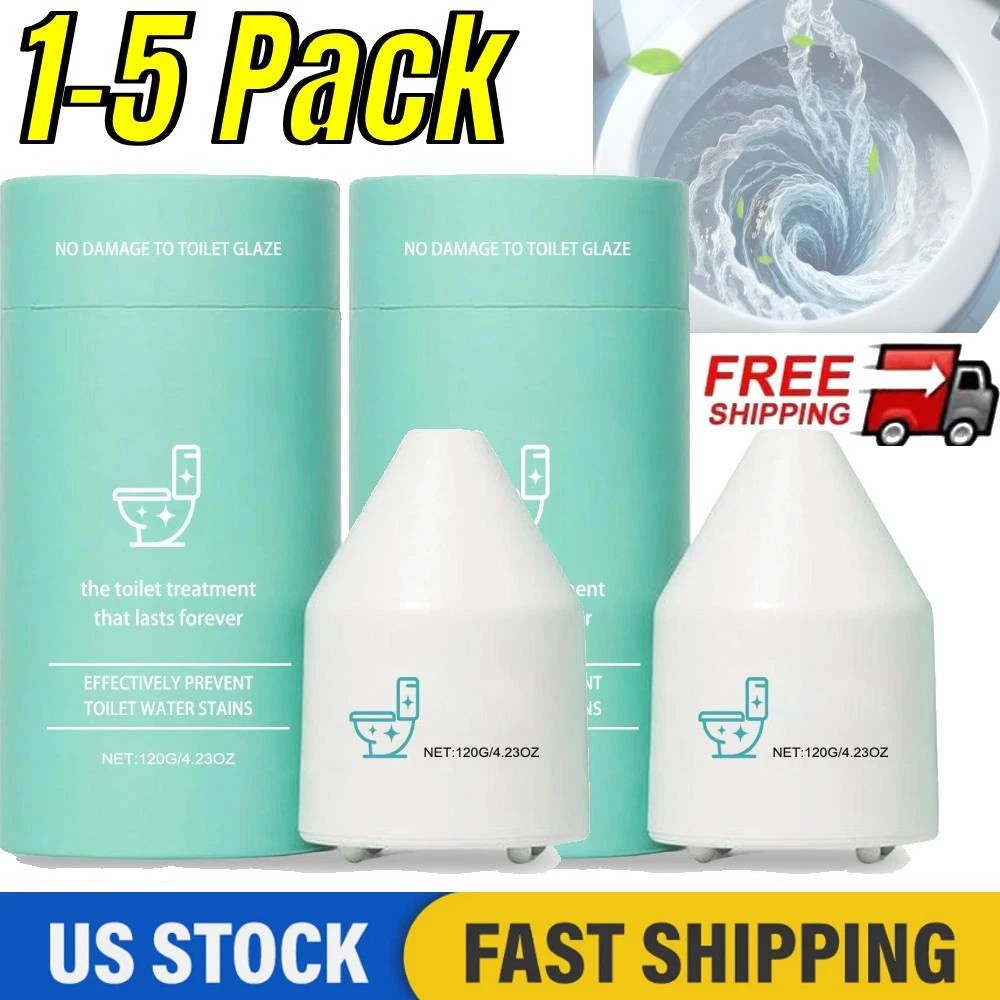 Pack Krazy Klean Pro Toilet Bowl Cleaner, Crazy Klean Toilet Cleaner Easy to Use$28.95
 View on eBay
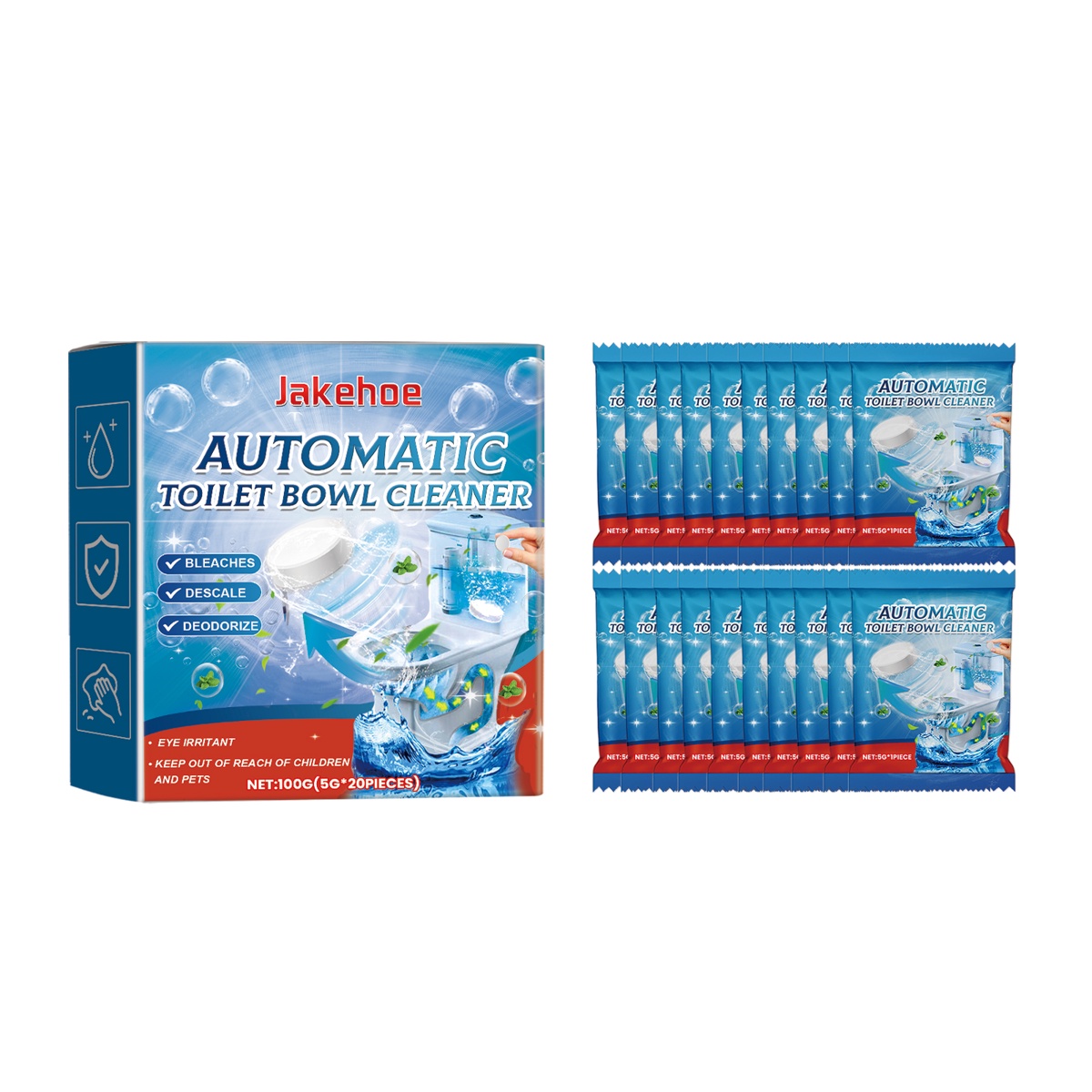 Jakehoe Automatic Toilet Bowl Cleaner, Cleaning Odor Urine Stains Dirt Spirit$19.99
 View on Mallflare
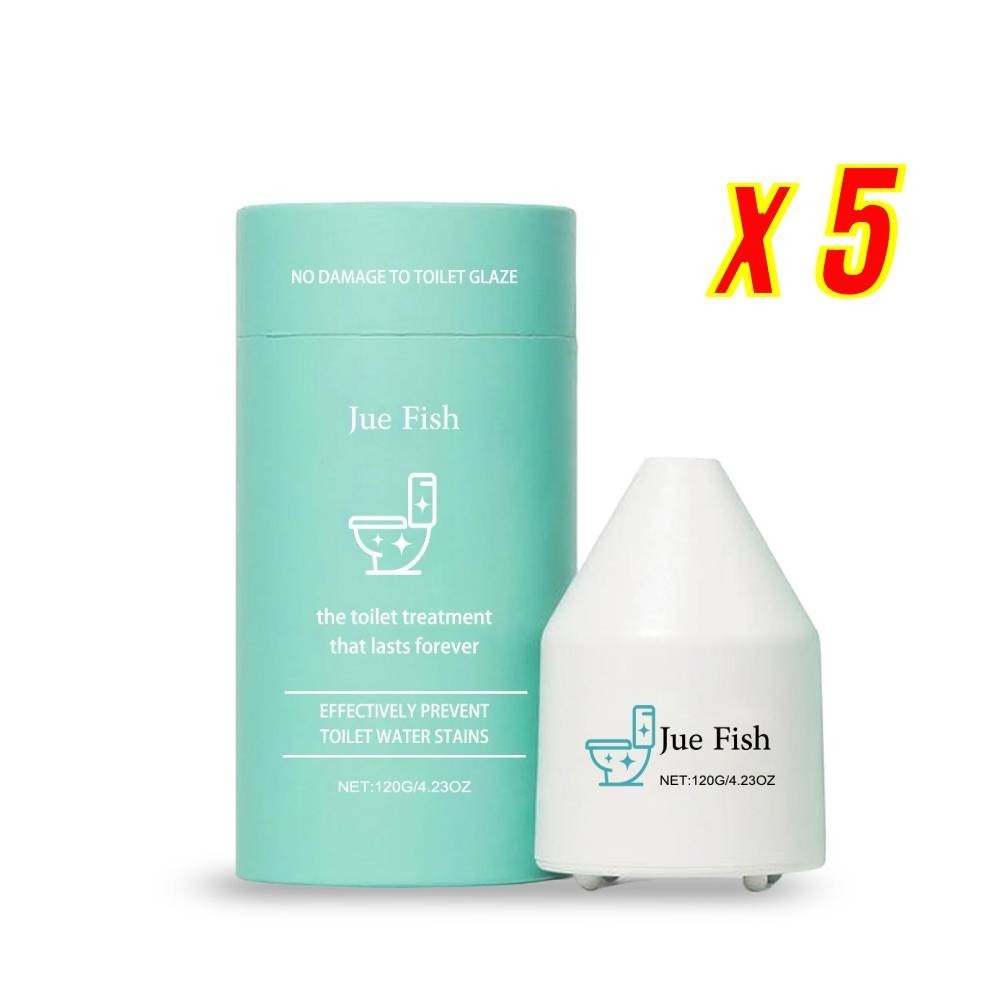 Pack Krazy Klean Pro Toilet Bowl Cleaner, Crazy Klean Toilet Cleaner Easy to Use$50.98View on eBay
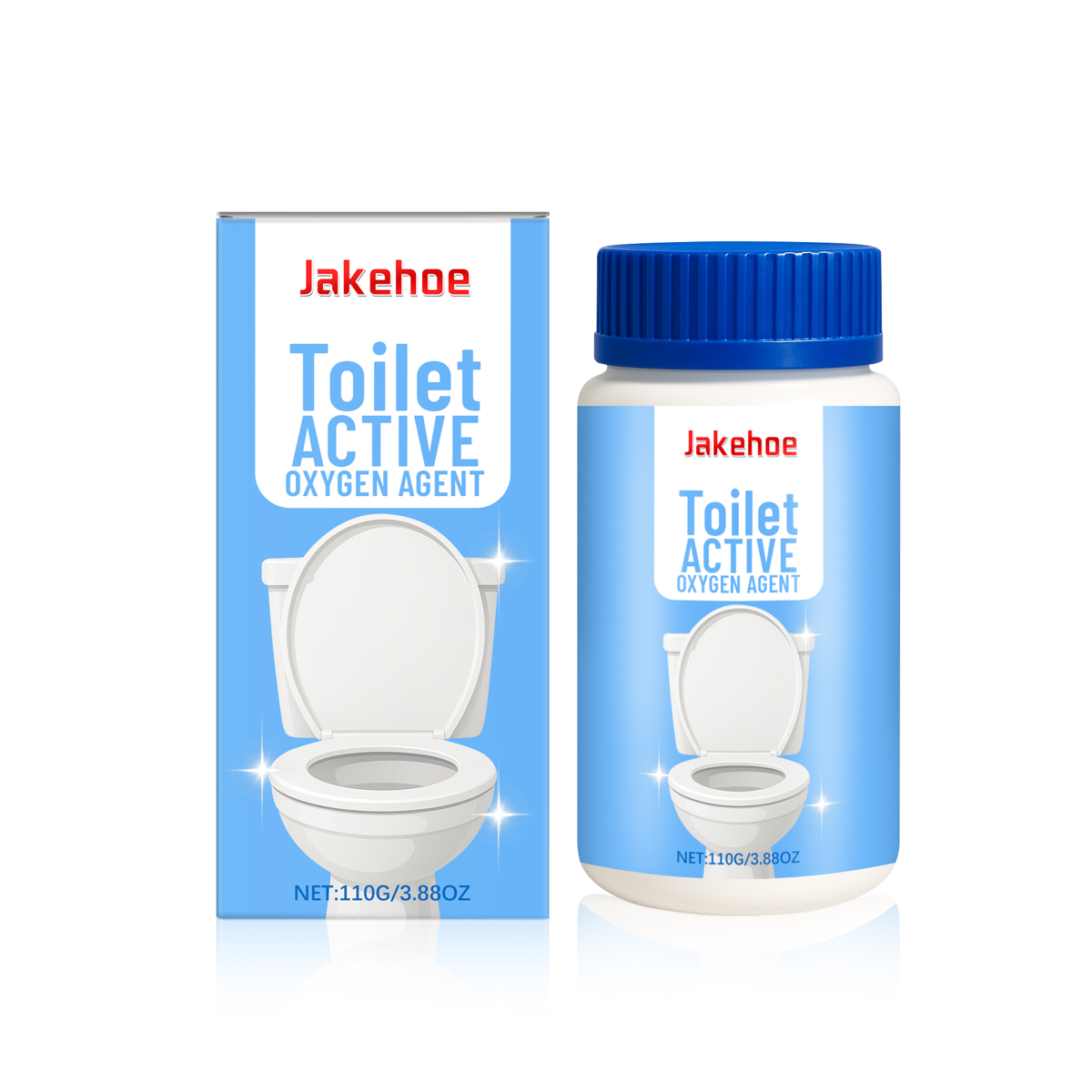 Jakehoe Active Toilet Cleaner Powder Is A Household Bowl Cleaning, Odor Removal, Decontamination, And Scale$19.99View on Mallflare
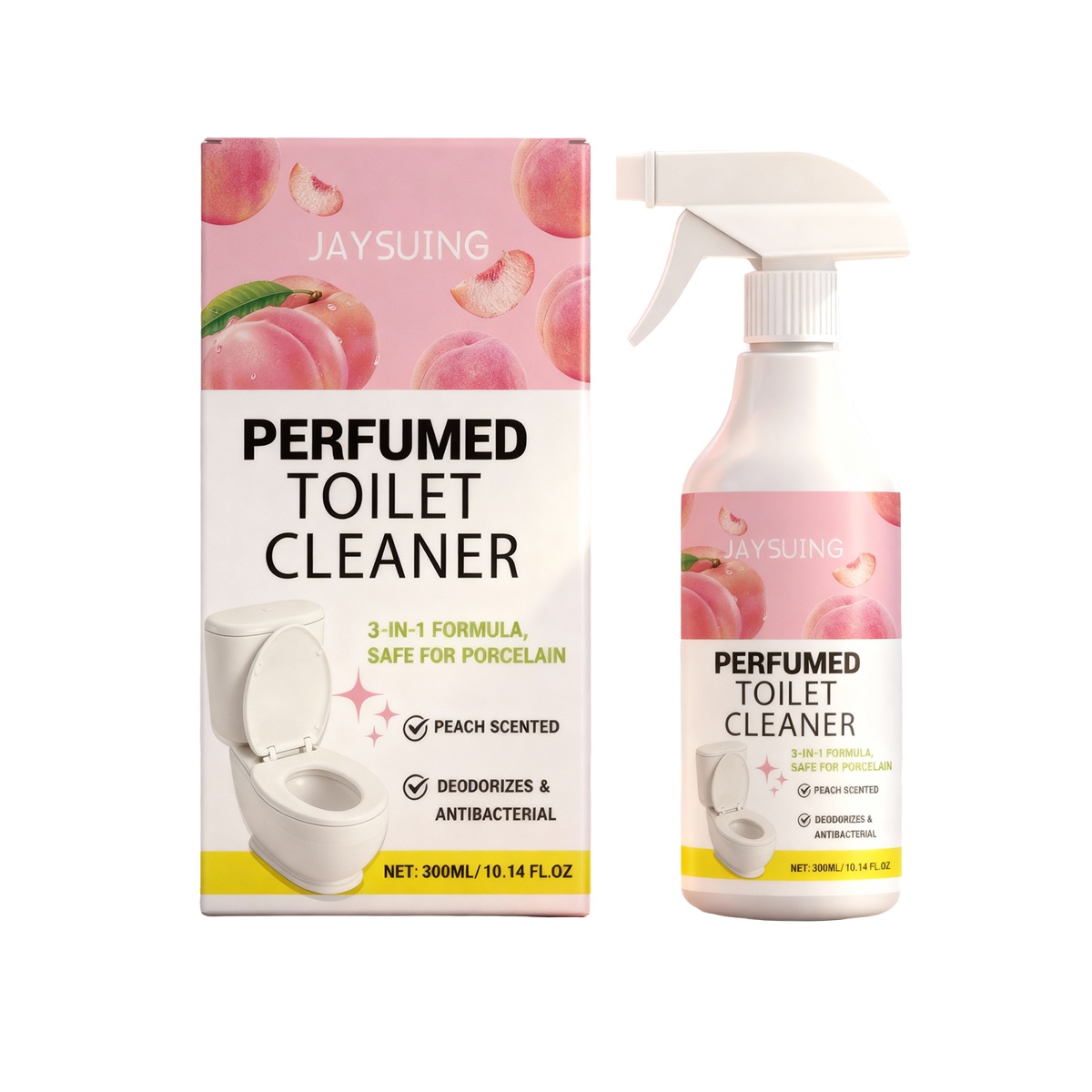 Jaysuing Scented Toilet Cleaner, Bowl Stubborn Stains And Scale Remover, Deodorizer, Aromatic Foam$19.99View on Mallflare
Highlights
- Hard-water scale is calcium carbonate; only acidic actives (hydrochloric, sulfamic, citric, oxalic, phosphoric) or chelators (EDTA, gluconate) dissolve it—surfactant-only 'blue' liquids just wet the surface.
- Continuous in-tank tablets and automatic dispensers work via surfactant and dye release at every flush, so they control odor and light staining but cannot remove existing limescale rings.
- Gel and thick-liquid formulas cling to vertical porcelain for longer contact time than thin liquids or foams, which matters on the bowl wall above the water line.
- Acid strength is a safety ladder: hydrochloric acid attacks chrome, aluminum, and older brass valves; sulfamic and citric are the safer choice for septic systems and metal fixtures.
Best use cases
- Best fit: a thick acidic gel or powder with sulfamic or citric acid for visible white hard-water rings and crusted scale—apply, dwell, and scrub; skip it if you need daily odor control.
- Best fit: in-tank or in-bowl automatic dispensers/tablets for constant urine odor and light stain prevention in high-traffic bathrooms; wrong fit for removing existing mineral scale.
- Best fit: oxalic- or enzyme-based cleaners for iron and rust stains and septic-safe households; skip hydrochloric-acid products if you have a septic tank or metal fixture parts.
- Best fit: foaming or powder cleaners for under-rim and trapway buildup where a brush cannot reach; wrong fit for daily maintenance because of cost and over-application.
Buying tips
- Match the active to the stain: white chalky ring = calcium scale (acid), brown/orange = iron (oxalic or chelator), dark under-rim = organic biofilm (chlorine or enzyme).
- Choose gel over thin liquid for bowl walls above the waterline; gel cling time is the single biggest factor in vertical-surface cleaning.
- Check the plumbing: hydrochloric-acid cleaners are not for septic systems, chrome trim, or aluminum parts; sulfamic/citric formulas are the metal- and septic-safe tier.
- For automatic dispensers, confirm the refill format (tablet, cartridge, or gel block) and flush-volume compatibility—high-efficiency 1.28 gpf toilets dilute in-tank dosing faster, so use a lower-dose or time-release product.
Specs
| Active Chemistry | HCl / sulfamic / citric / oxalic / enzyme |
|---|---|
| Form Factor | Gel / liquid / powder / foam / tablet |
| Application Type | Manual scrub vs in-tank/in-bowl auto |
| Septic & Metal Safety | HCl-free, chrome/brass-safe tier |
Related searches
What to check before buying
- Identify your water hardness and stain color first—hard-water scale needs acid, iron needs oxalic/chelator, and organic odor needs enzyme or chlorine.
- Check fixture materials: chrome flush buttons, aluminum hinges, and brass valves rule out hydrochloric acid; use sulfamic or citric tiers.
- Confirm septic or sewer: septic systems require septic-safe (no hydrochloric acid, no chlorine tablets) formulas.
- Measure your toilet's flush volume (1.28 gpf HE vs 1.6 gpf standard) before using in-tank continuous dispensers so dosing matches dilution.
FAQ
Data sources: eBay / Amazon listings and product attribute feeds Data updated Nov 18, 2026.
Some links on this page are affiliate links. If you buy after clicking one, we may earn a commission at no extra cost to you. This does not change which products appear here or their order. Affiliate disclosure.