Photos from current listings. Actual item, color, and included accessories may vary.
Stainless Steel Cleaner Buying Guide
Stainless steel cleaners are formulated to remove grease, fingerprints, and water spots while leaving a protective, streak-free barrier on appliance surfaces. The key trade-off is between solvent-based sprays that cut heavy kitchen grease and water-based or plant-derived formulas that are safer on food-contact areas but may need more buffing. Choose a dedicated stainless cleaner with a proven anti-fingerprint film former; skip generic degreasers or abrasive pastes that can scratch the grain and void the finish.

At a glance
- Category
- Household Cleaning & Paper Supplies
- Data updated
- Nov 18, 2026
Current offers
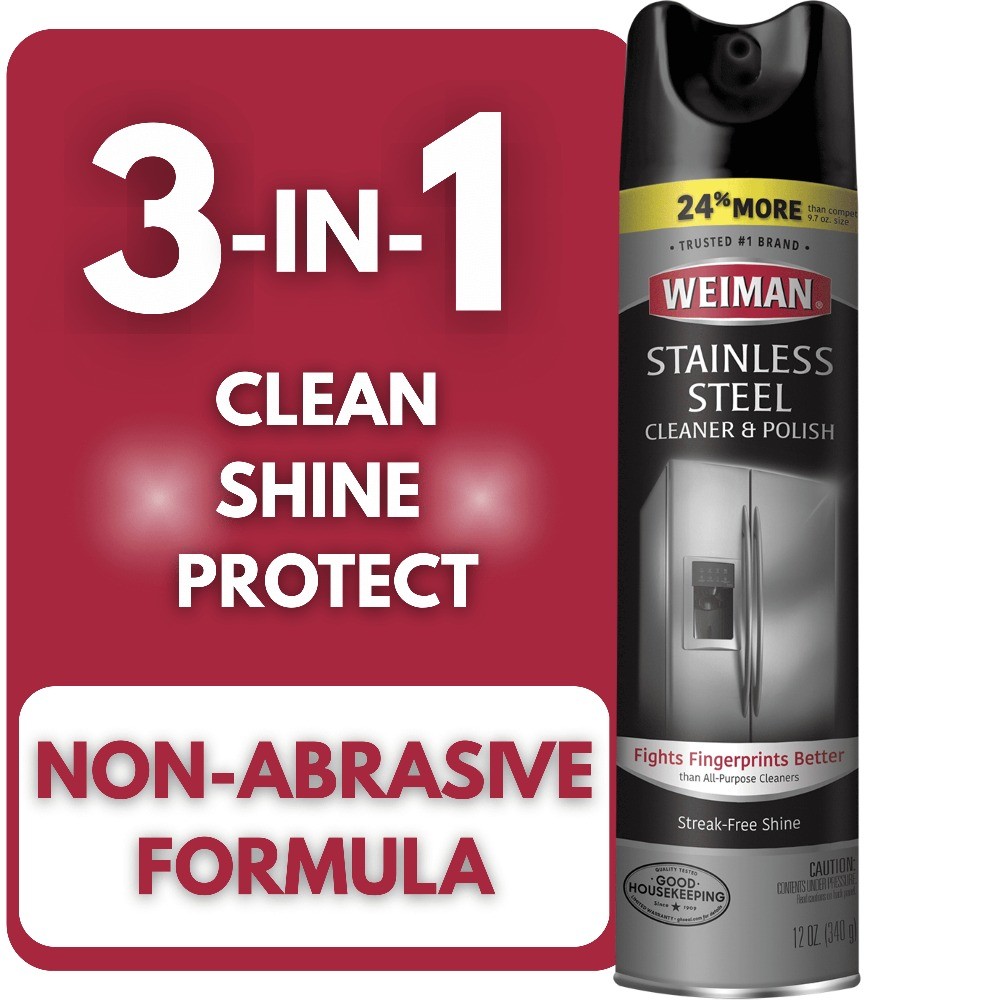 Weiman Stainless Steel Cleaner & Polish Spray for Kitchen and Home Appliances$5.27
 View on eBay
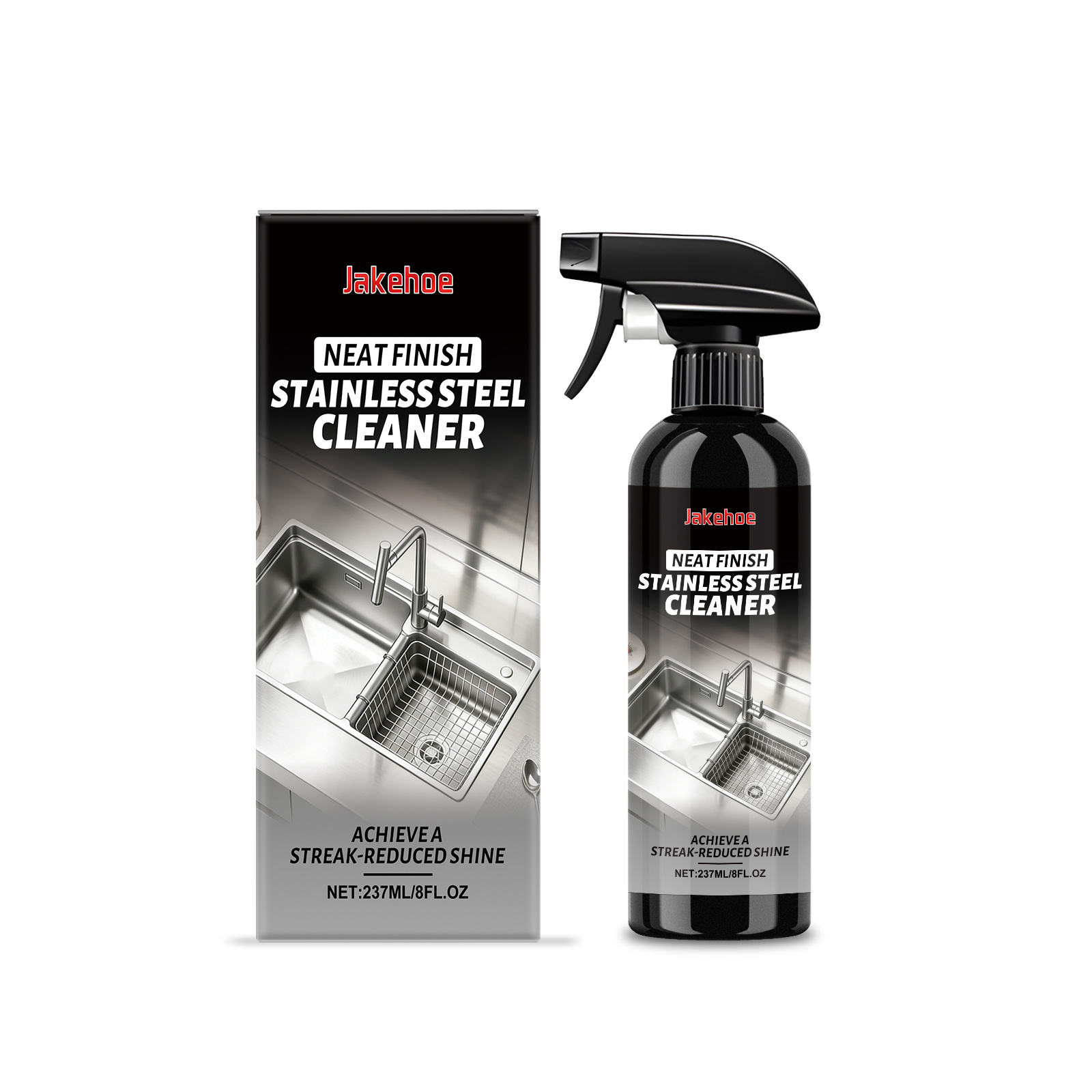 Home Cleaning Stainless Steel Cleaner Is A Daily Kitchen Appliance Dishwashing$23.99
 View on Mallflare
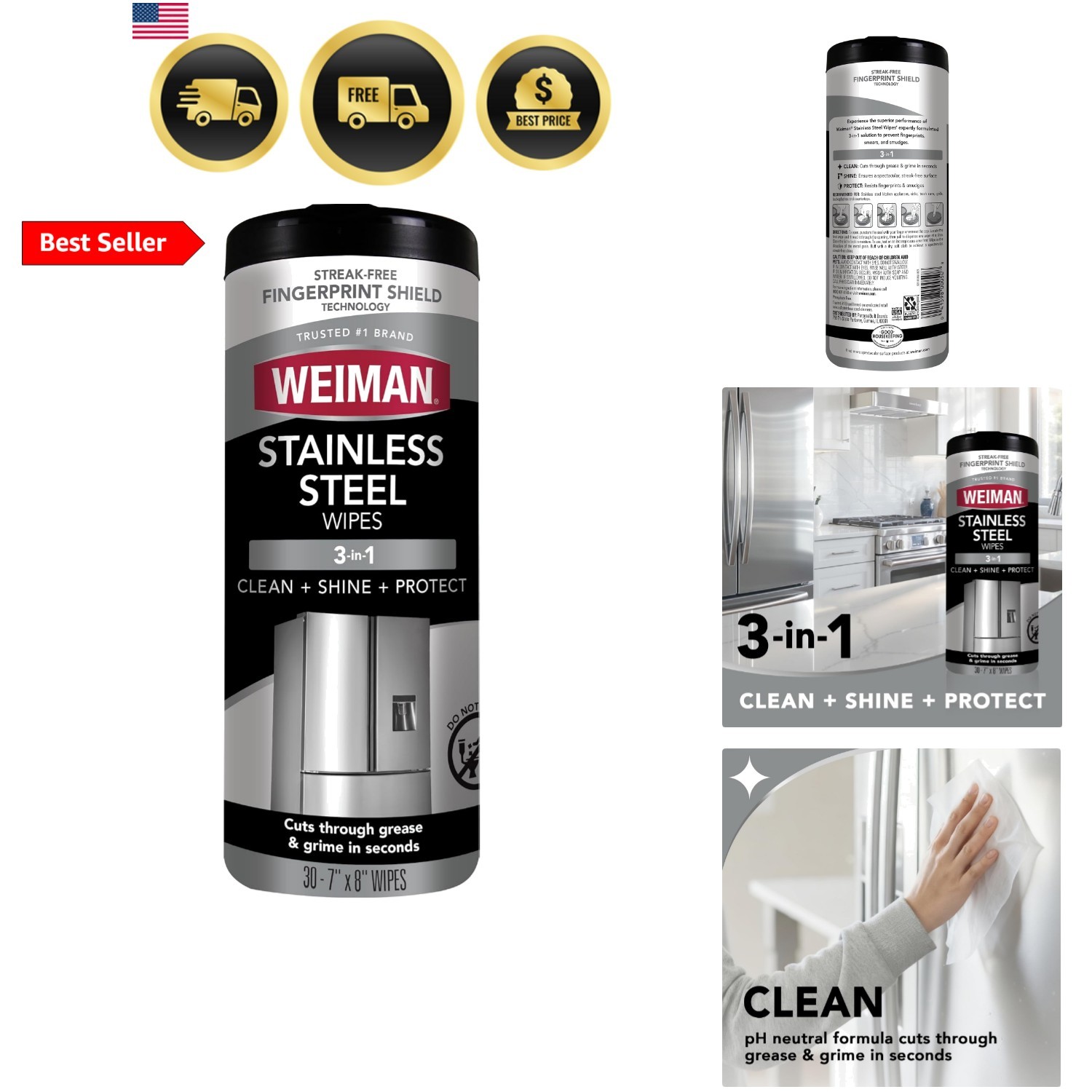 Stainless Steel Cleaner, 30 Count Wipes, Anti-Fingerprint, Removes Grease, Wa...$19.75View on eBay
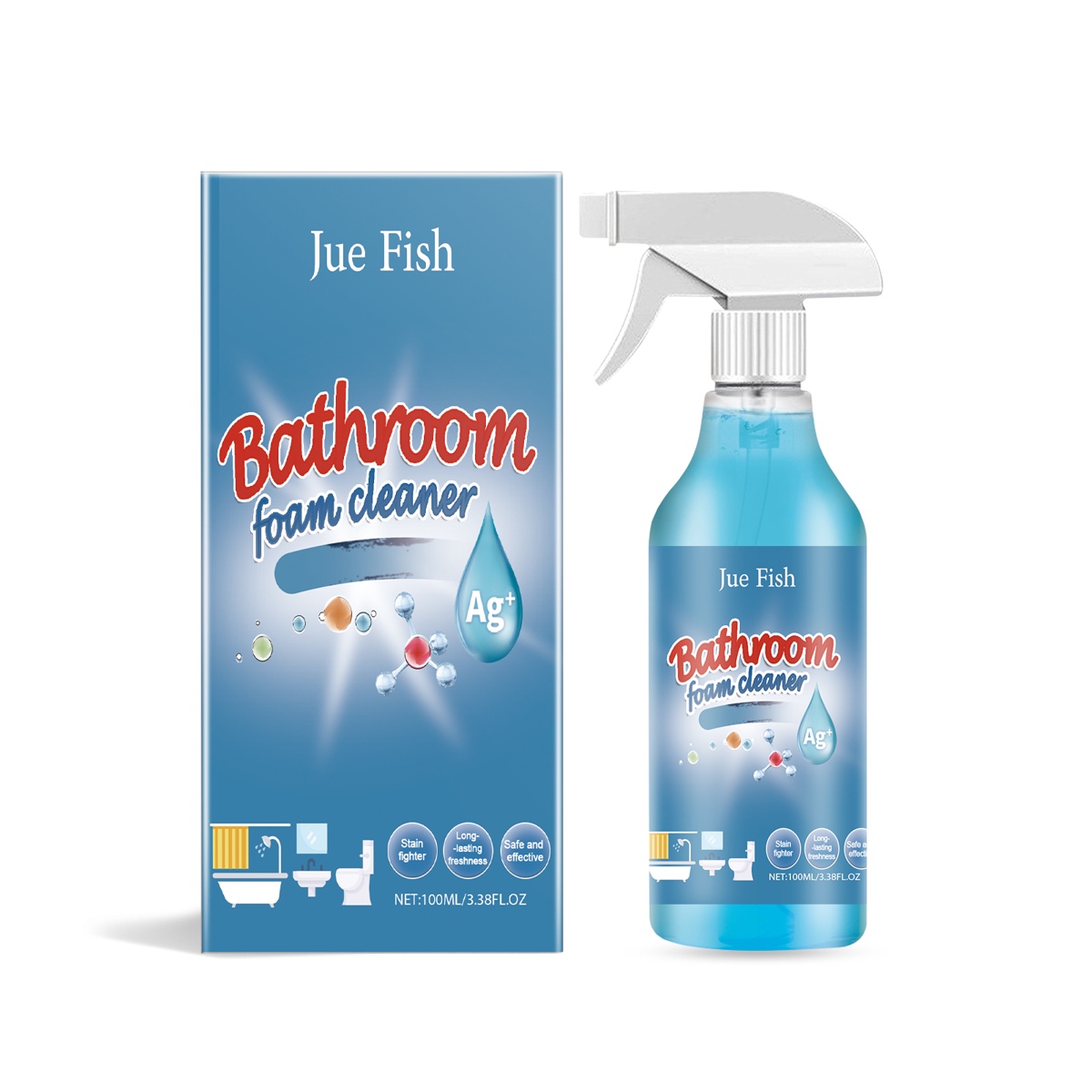 Jue-Fish Bathroom Cleaner, Clean Metal Glass Tiles Stainless Steel Water Stains And Scale$19.99View on Mallflare
 (6 Pack) Weiman Stainless Steel Cleaner & Polish for Kitchen Appliances, 12 oz$21.98View on eBay
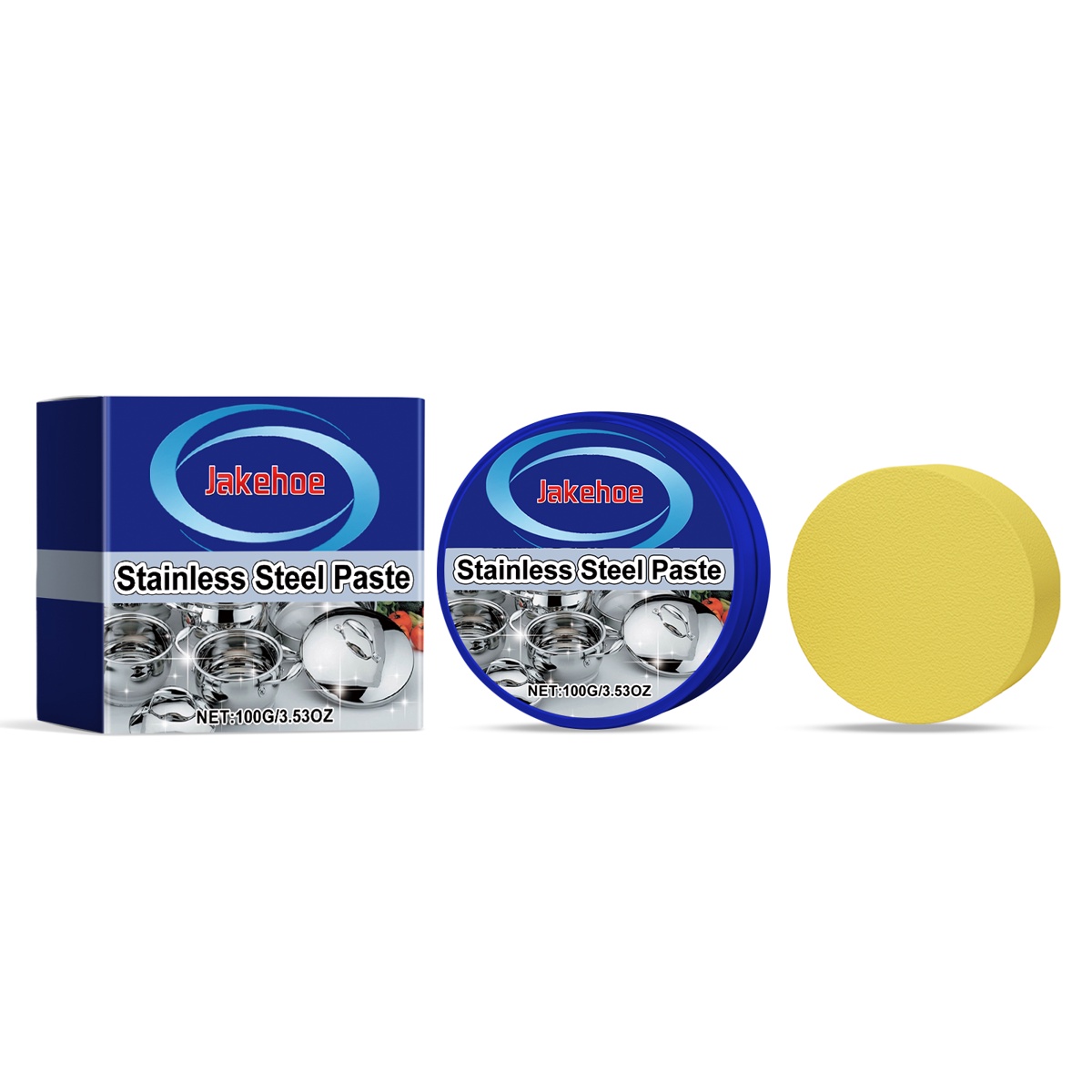 Jakehoe Stainless Steel Cleaning Paste Cooktop And Rust Removal Oil Stains Daily Maintenance Cleaner$19.99View on Mallflare
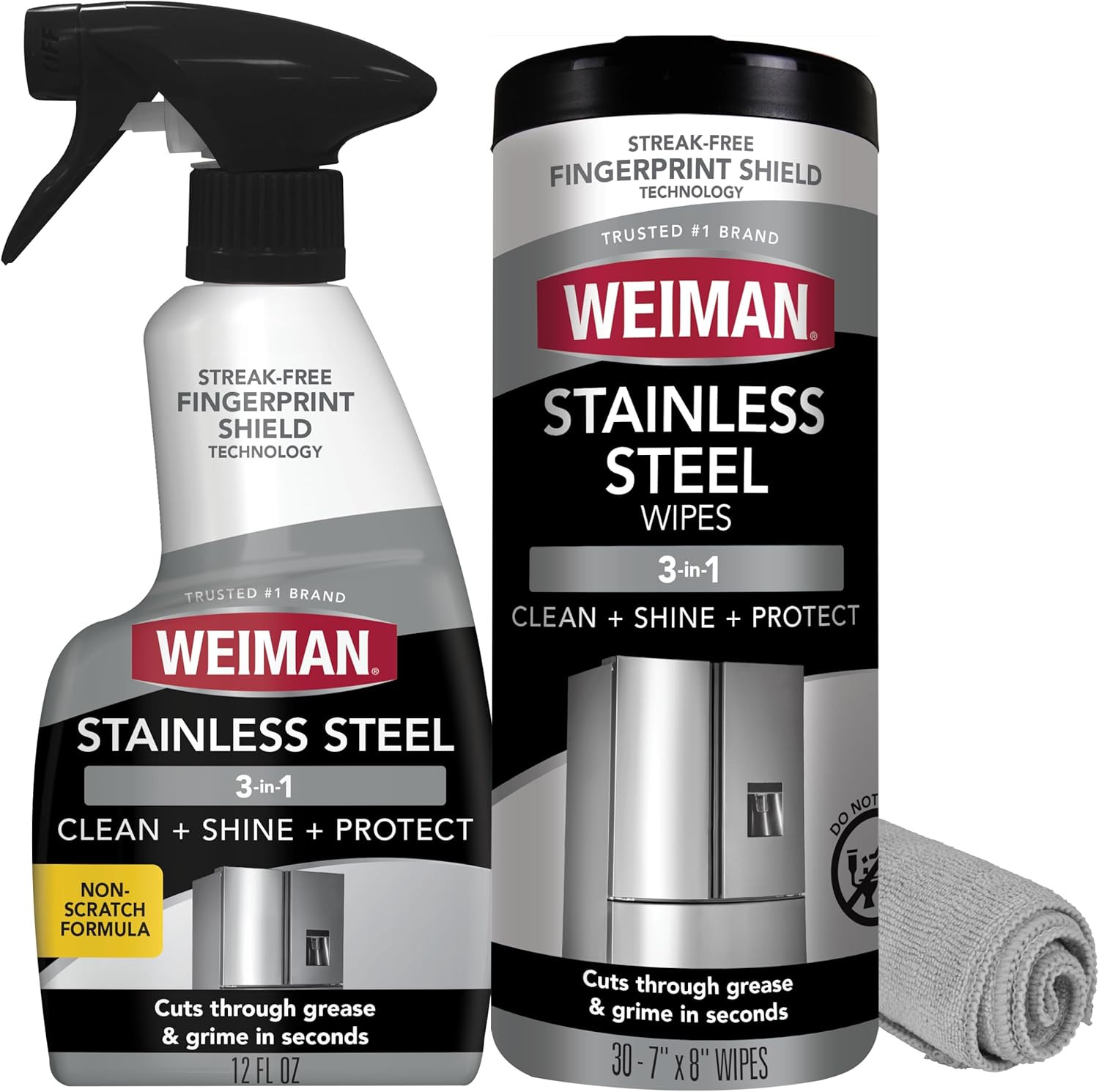 Stainless Steel Cleaner & Polish Kit, 3 Piece - Spray, Wipes & Cloth, Anti-Finge$35.93View on eBay
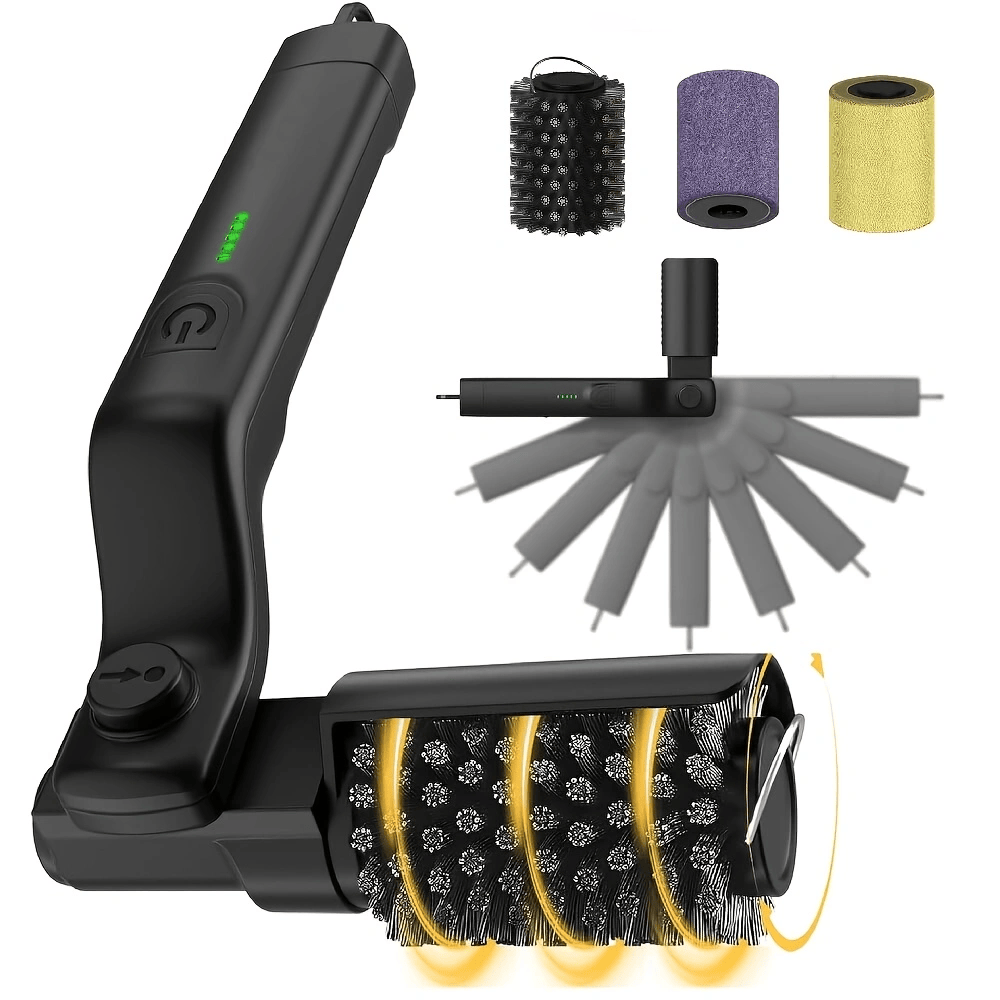 Professional Electric Rotary Grill Brush-3-Speed High-Torque Power Scrubber,304 Stainless Steel Bristle-Free Head,90 Mins Ultra-Long Runtime For Deep Cleaning,Heavy Duty Outdoor BBQ Cleaner$25.99View on Mallflare
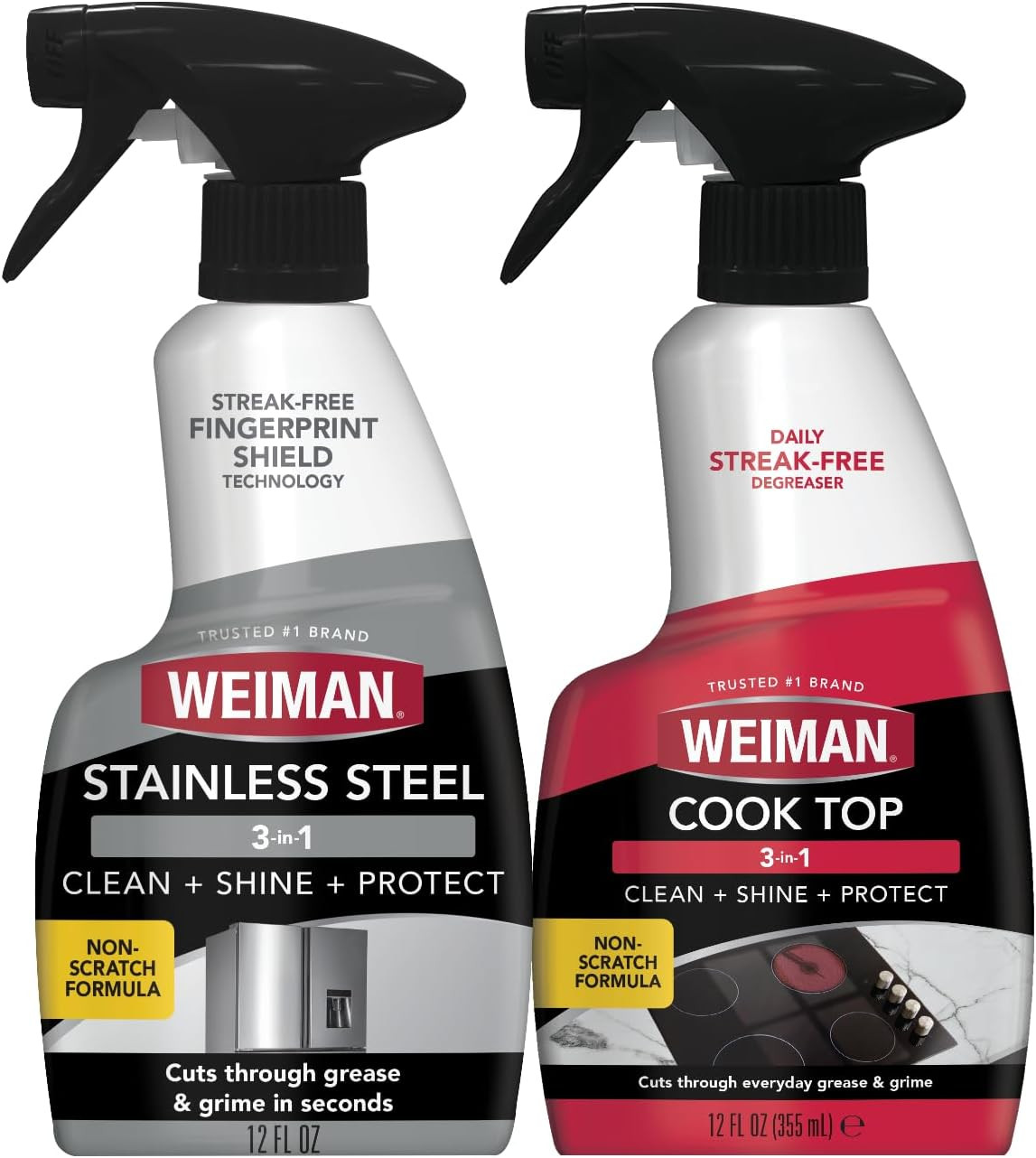 Stainless Steel Cleaner & Cooktop Daily Cleaner - 12 Ounce - Kitchen Appliance C$38.99View on eBay
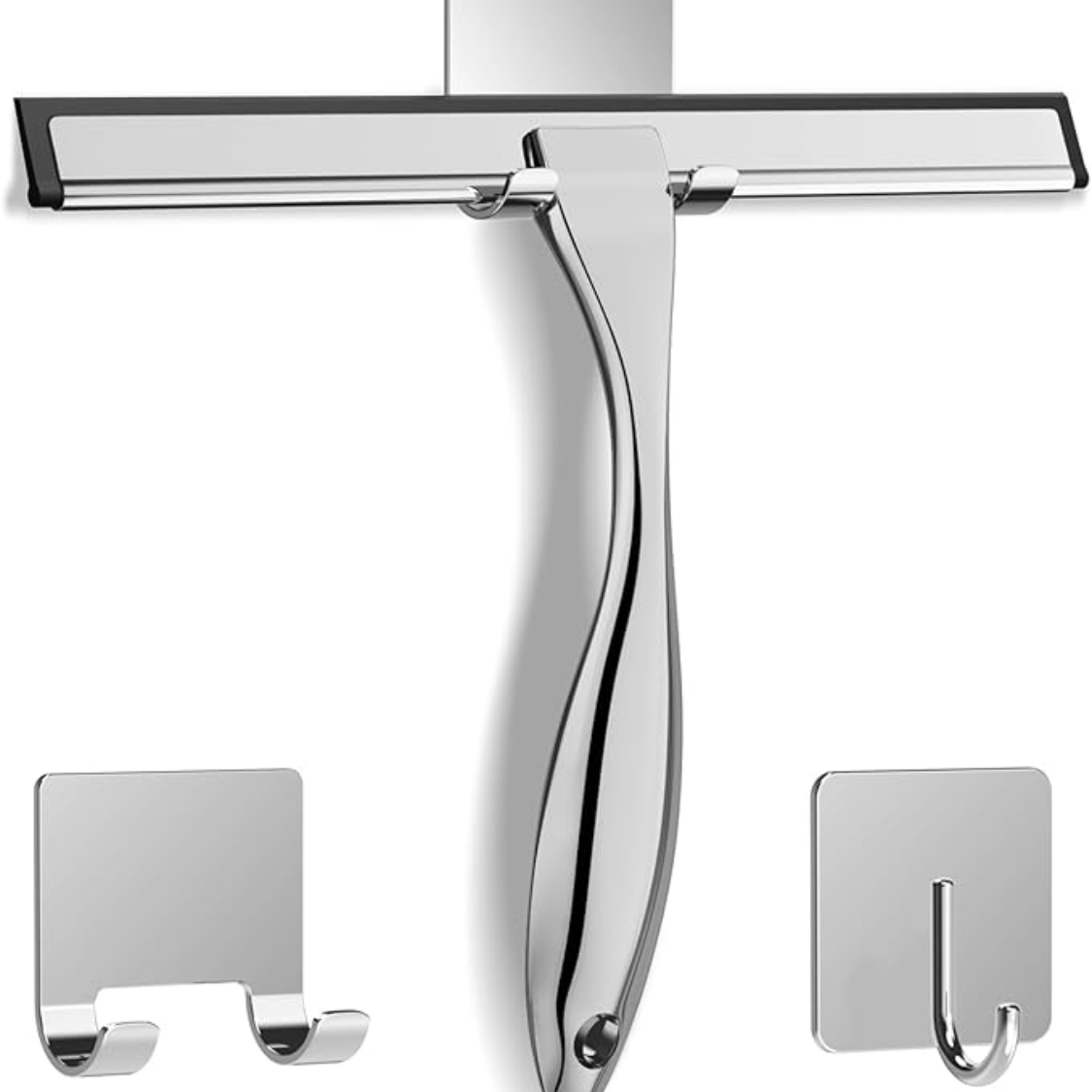 All-Purpose Stainless Steel Shower Squeegee For Glass Door With 2 Adhesive Hooks, Bathroom Cleaner Tool Household Window Mirror , Cleaning$40.99View on Mallflare
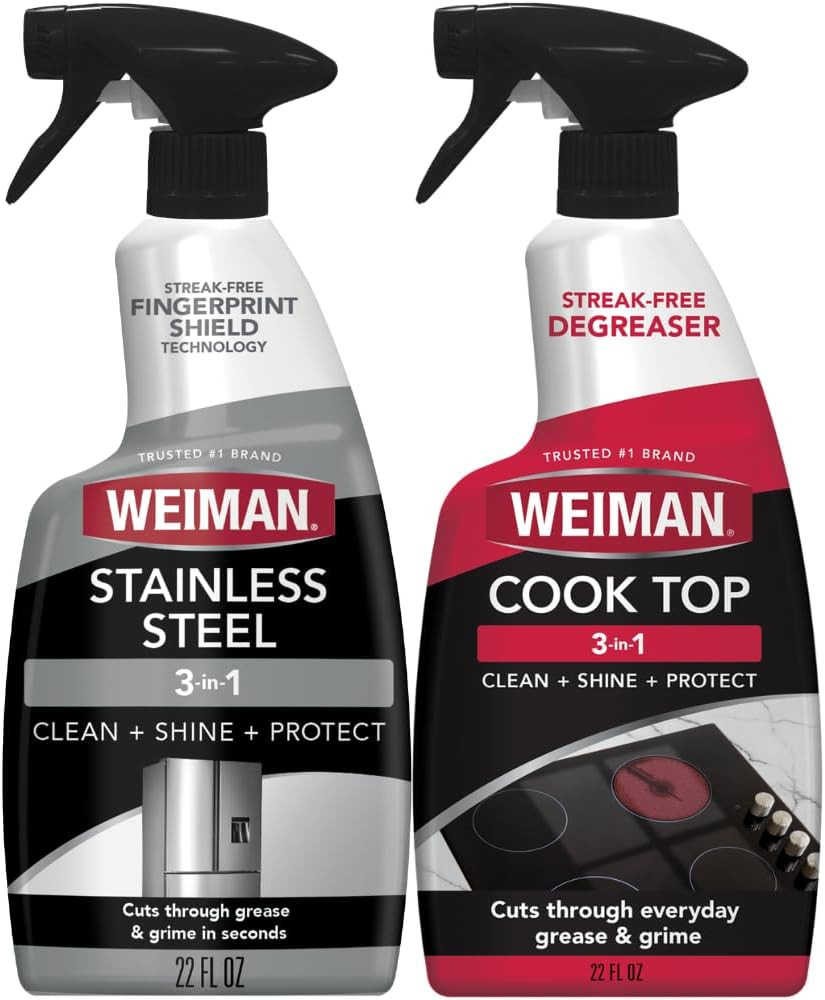 Stovetop Cleaner & Stainless Steel Cleaner - 22 Ounce - Daily Appliance Kitchen$41.86View on eBay
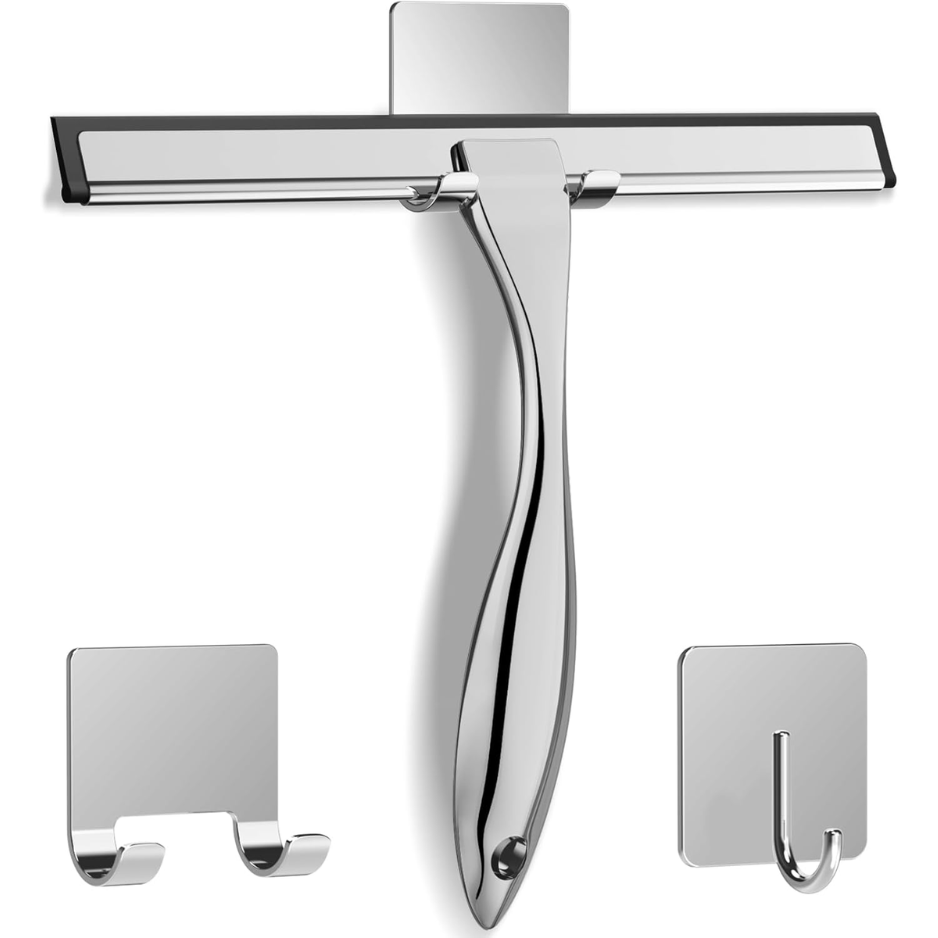 Stainless Steel Shower Squeegee 10 Inch With 2 Adhesive Hooks, Silver Glass Cleaner For Windows, Mirrors, Tile And Car$52.99View on Mallflare
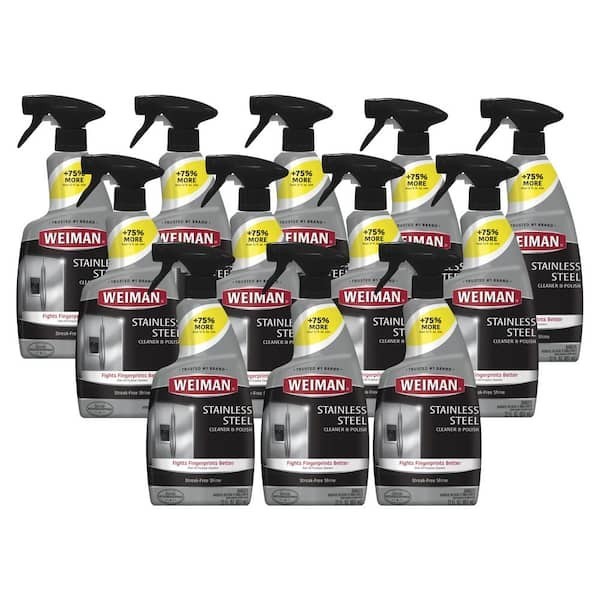 Weiman 22 oz. Stainless Steel Cleaner and Polish Spray (12-Pack)$102.99View on eBay
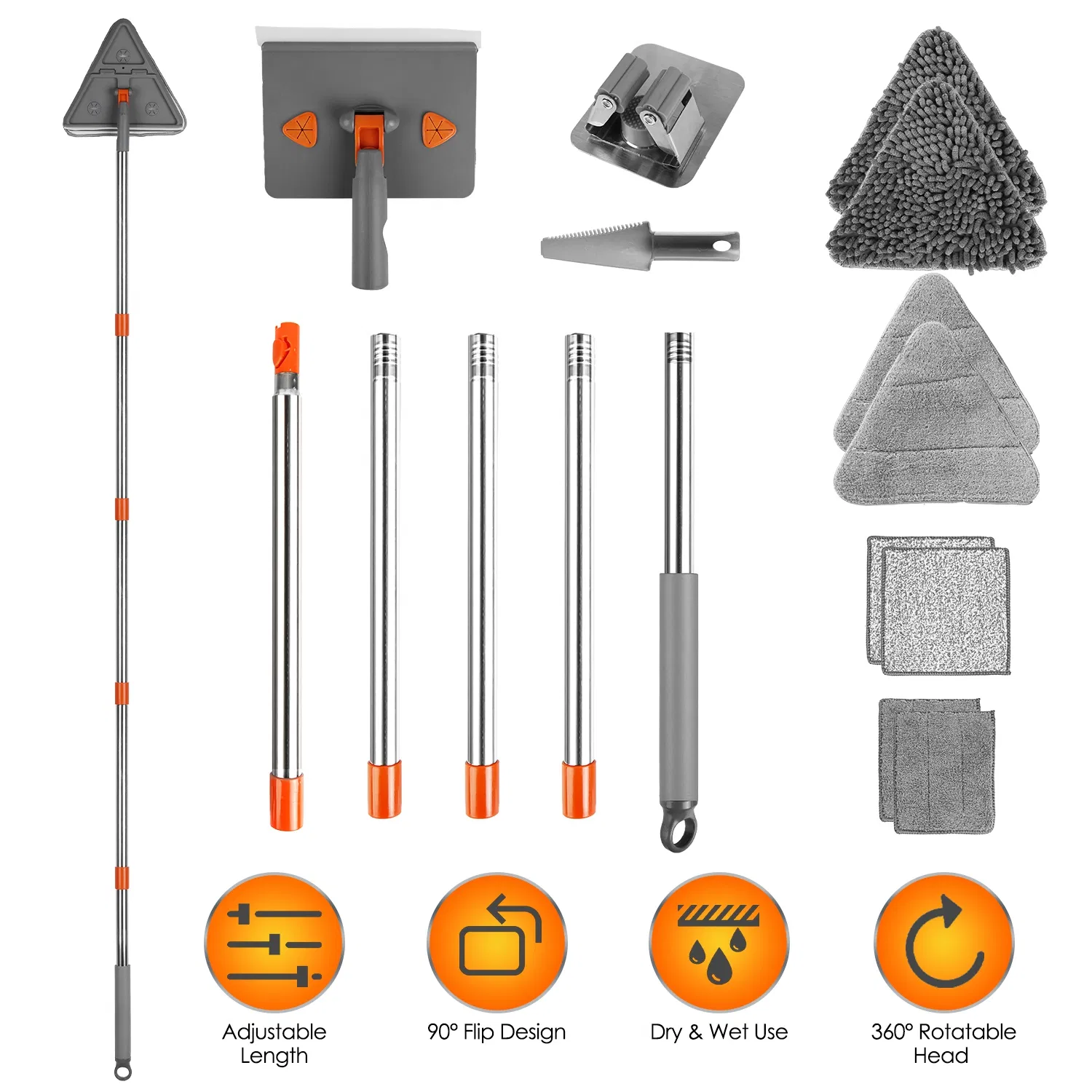 2-in-1 Wall Baseboard Cleaner Mop, 5-Section Extendable Stainless Steel Handle, 180° Rotatable Head, 8 Reusable Chenille & Flannel Pads for Indoor & Outdoor Cleaning$53.99View on Mallflare
Highlights
- Spray formulas rely on mineral oil or silicone emulsions to fill the microscopic grain and hide fingerprints; wipes use the same chemistry pre-saturated for quick touch-ups.
- Anti-fingerprint claims require a visible protective film; products without film-formers clean but leave no barrier, so prints return immediately.
- Abrasive pastes and powders remove rust and burnt-on residue but dull brushed grain; reserve them for sinks and outdoor grills, not appliance doors.
- Trigger sprays cover large panels economically; aerosol cans give finer mist but cost more per use and are harder to recycle.
Best use cases
- Best for daily kitchen appliance touch-ups: pre-saturated anti-fingerprint wipes — grab a 30-count canister for fridge and dishwasher fronts; skip pastes here.
- Best for heavy grease on range hoods and backsplashes: solvent-based spray plus a microfiber cloth; avoid water-only plant formulas that smear on oily film.
- Best for restoring brushed grain on sinks and outdoor grills: fine abrasive paste applied with the grain; never use it on mirror-finish or printed appliance panels.
- Wrong fit: glass cooktops and display screens — stainless cleaners leave an oily haze; use a dedicated glass cleaner instead.
Buying tips
- Match the formula to the finish: brushed stainless needs an oil-based polish to hide grain scratches; mirror or black stainless needs a water-based, residue-free spray.
- For food-contact zones (fridge handles, prep tables), pick a formula labeled food-safe or plant-derived; solvent sprays are for hoods and exteriors only.
- Buy the largest trigger bottle your storage allows and refill from concentrate; aerosol cans deliver less product per dollar and clog when half-empty.
- Check the label for 'streak-free' and 'anti-fingerprint' together; a cleaner that only degreases will leave the surface looking smeared without a film barrier.
Specs
| Formula Base | Oil-based polish vs water-based spray |
|---|---|
| Anti-Fingerprint Film | Film-former vs no barrier |
| Abrasive Level | Non-abrasive spray vs fine paste |
| Pack Format | Trigger spray / aerosol / wipes / paste |
Related searches
What to check before buying
- Identify your appliance finish: brushed, mirror, black stainless, or fingerprint-resistant coating — each demands a different formula strength.
- Measure the panel area you clean weekly; a 12-oz trigger covers roughly 30 square feet per can, so larger kitchens need the 22-oz or refill size.
- Confirm the cleaner is safe on adjacent materials (painted metal, plastic trim, glass) before spraying the full appliance.
- Store sprays away from heat and open flame; solvent-based aerosols are flammable and must not be left in a hot garage.
FAQ
Data sources: eBay / Amazon listings and product attribute feeds Data updated Nov 18, 2026.
Some links on this page are affiliate links. If you buy after clicking one, we may earn a commission at no extra cost to you. This does not change which products appear here or their order. Affiliate disclosure.