Photos from current listings. Actual item, color, and included accessories may vary.
Shower Cleaner Buying Guide
Shower cleaners split into two distinct product classes: chemical agents that dissolve soap scum, hard-water minerals, and hair clogs, and mechanical tools like squeegees that physically remove water and film before deposits form. The trade-off is chemistry strength versus surface safety — acid-based descalers attack calcium fast but etch marble, travertine, and unsealed grout, while pH-neutral surfactants are safe on stone but slower on mineral scale. The decision rule: match the active chemistry to your shower's surface material first, then add a mechanical drying tool to prevent the deposits you'd otherwise have to dissolve.

At a glance
- Category
- Household Cleaning & Paper Supplies
- Data updated
- Nov 18, 2026
Current offers
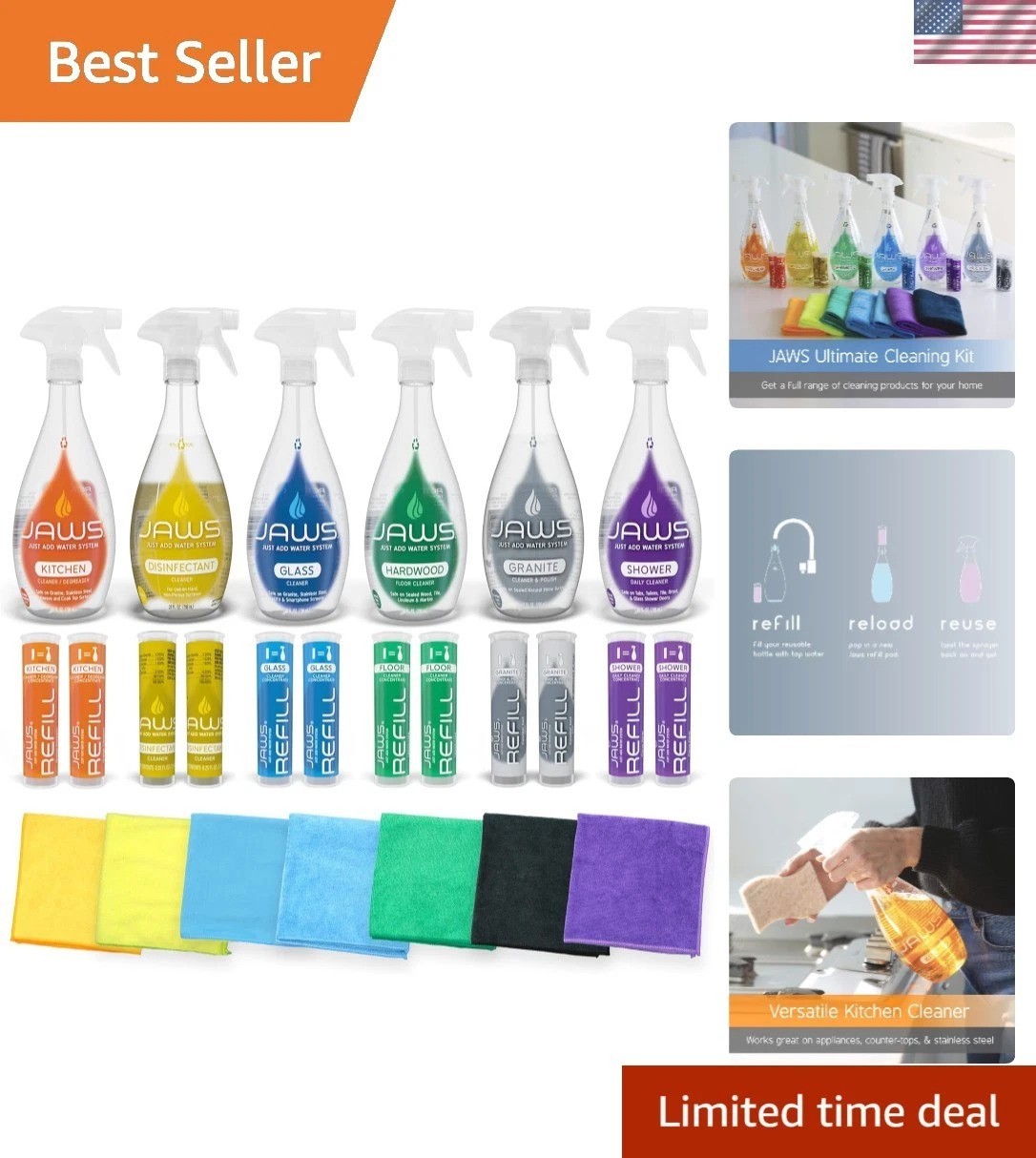 Cleaners Ultimate Cleaning Kit, Multi-Surface Kitchen, Glass, Shower, Granite...$149.97
 View on eBay
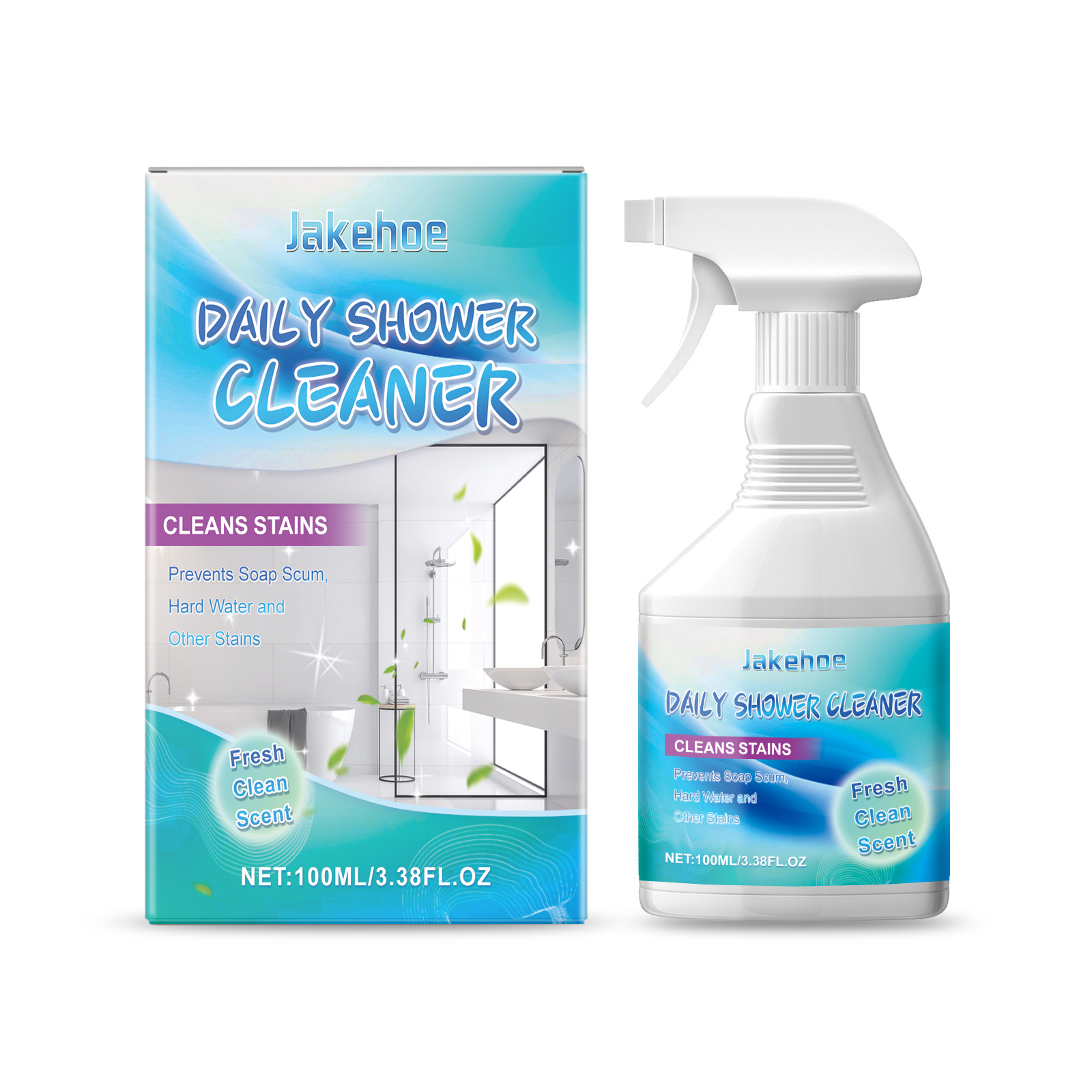 Shower Cleaner, 100ml, Bathroom Cleaning, Agent for Home$22.99
 View on Mallflare
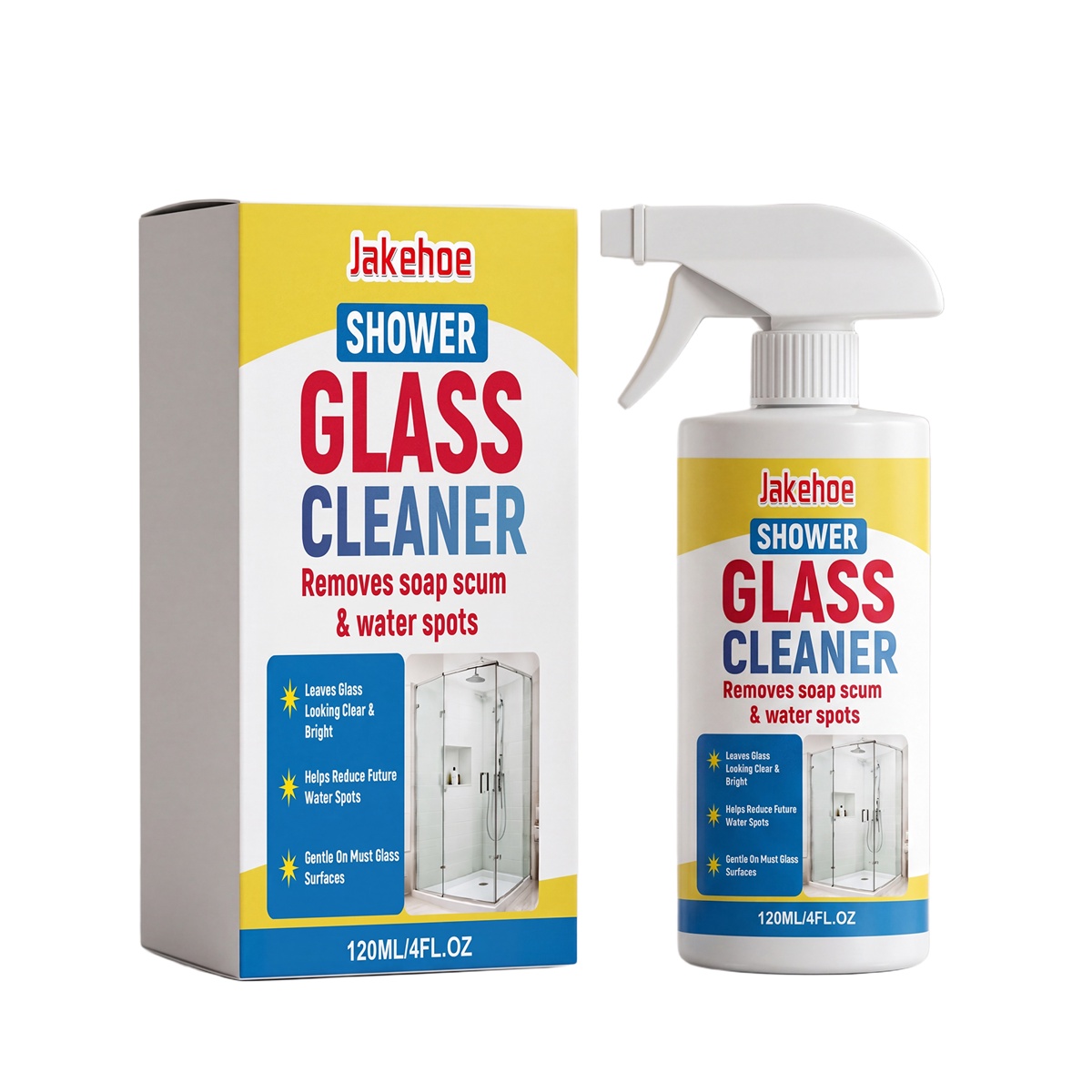 Jakehoe Shower Glass Cleaner, Cleaning Agent For Removing Water Stains And Dirt From Bathroom Mirror At Home$19.99View on Mallflare
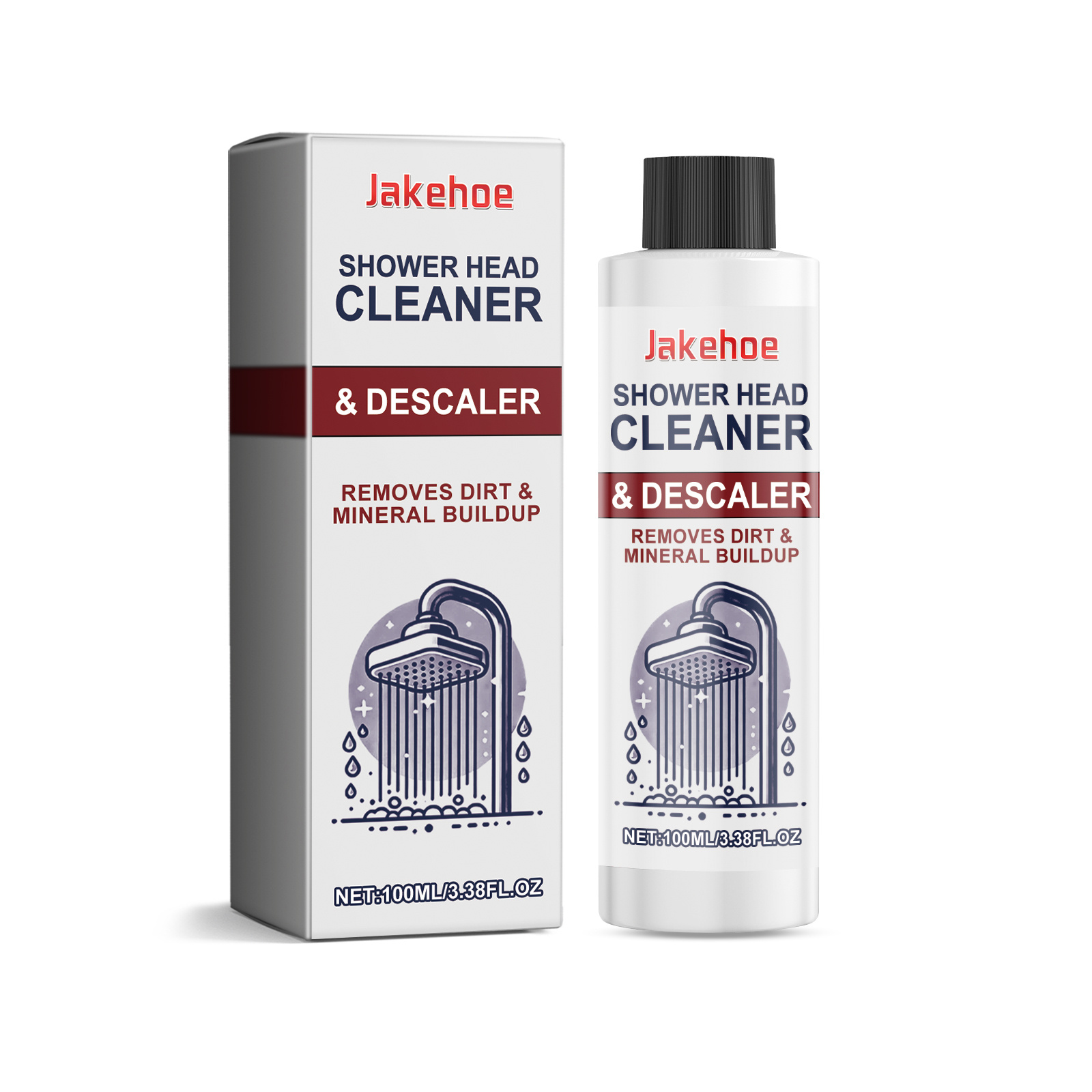 Cleaning Agent, Shower head cleaner, 100ml, Decontamination with Lauryl ether 7$22.99View on Mallflare
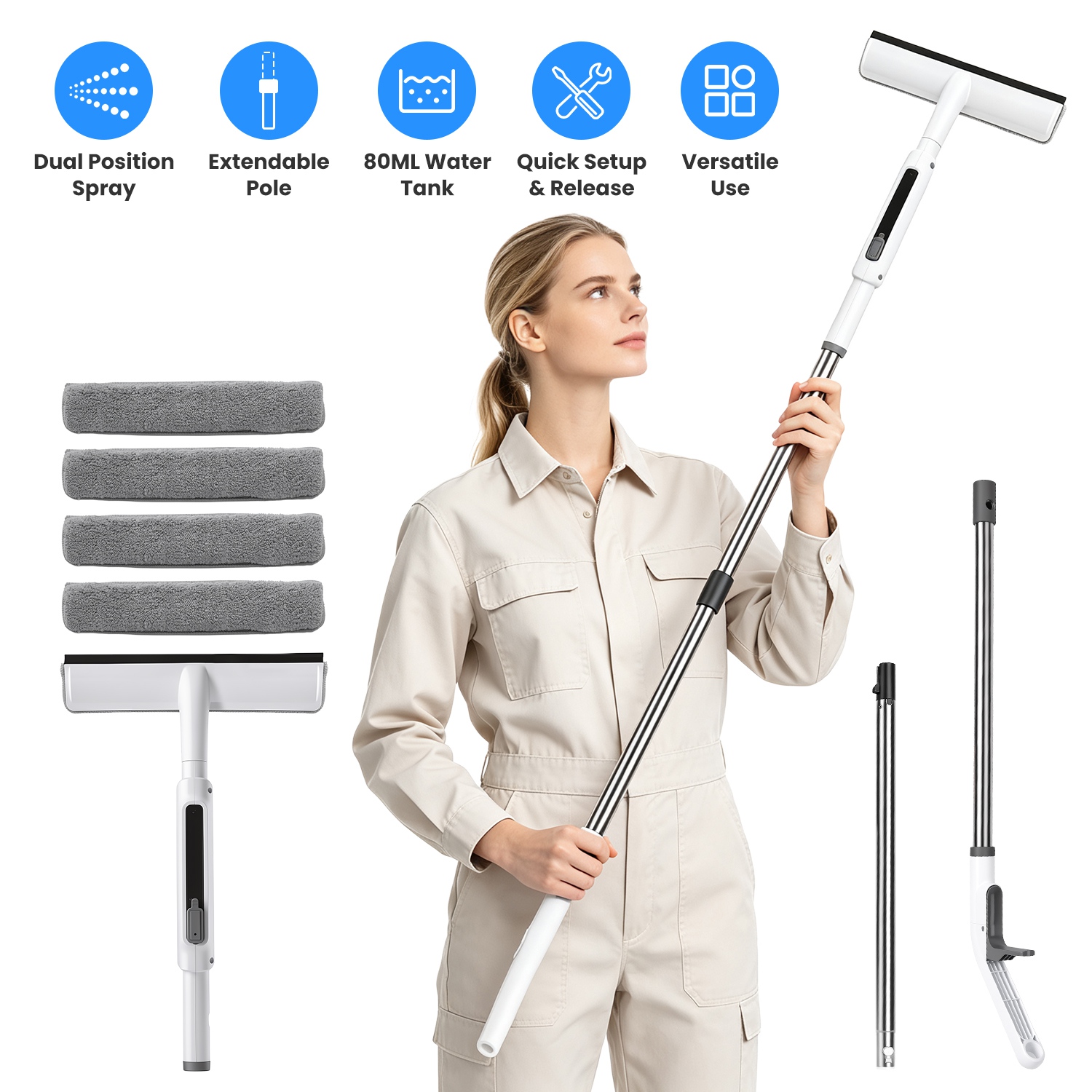 3 In 1 Spray Window Squeegee With Extendable Pole Cleaner Tool 80ml Water Tank Dual Trigger 5 Microfiber Pads Scraper For Windows Mirrors Shower Glass Car Windshields$36.99View on Mallflare
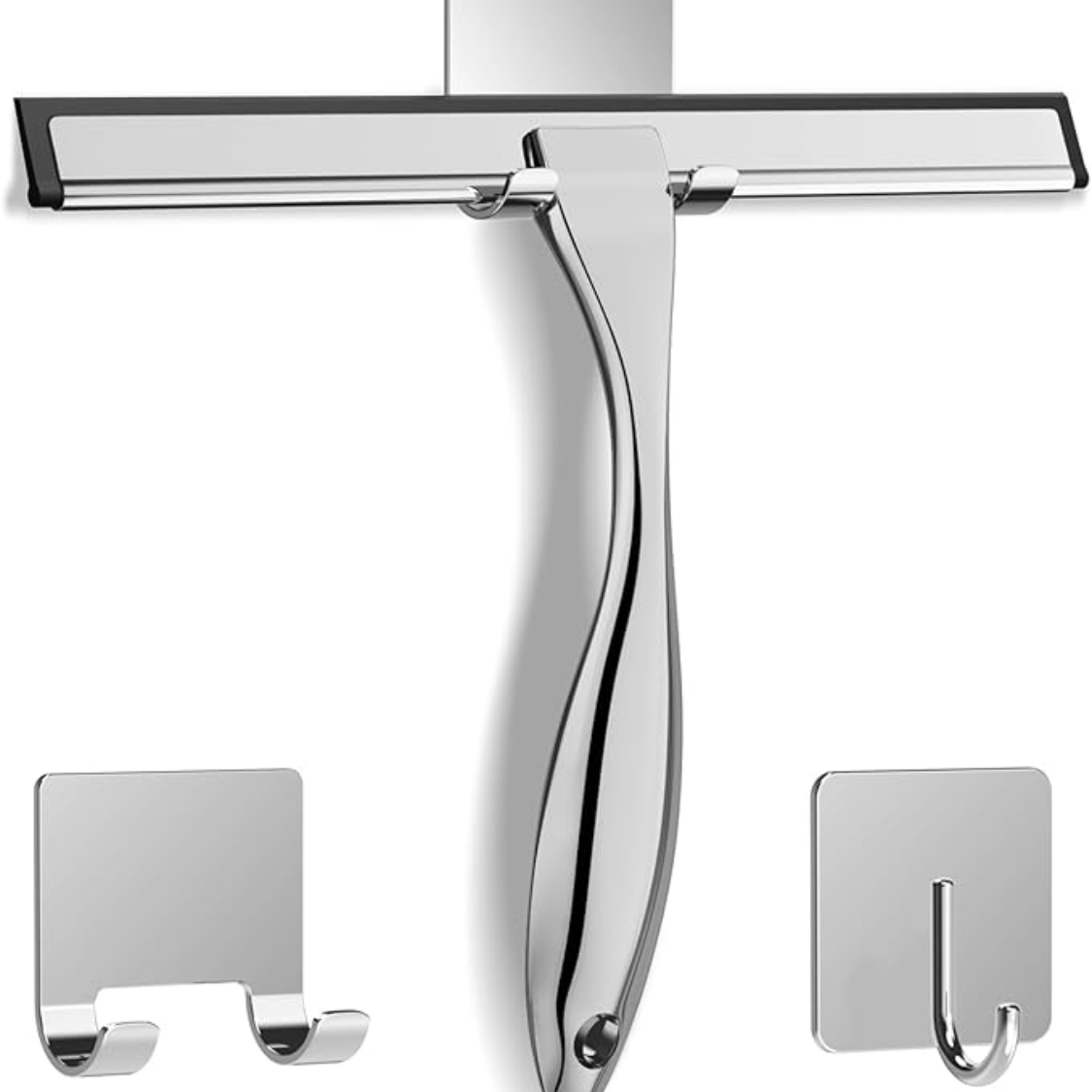 All-Purpose Stainless Steel Shower Squeegee For Glass Door With 2 Adhesive Hooks, Bathroom Cleaner Tool Household Window Mirror , Cleaning$40.99View on Mallflare
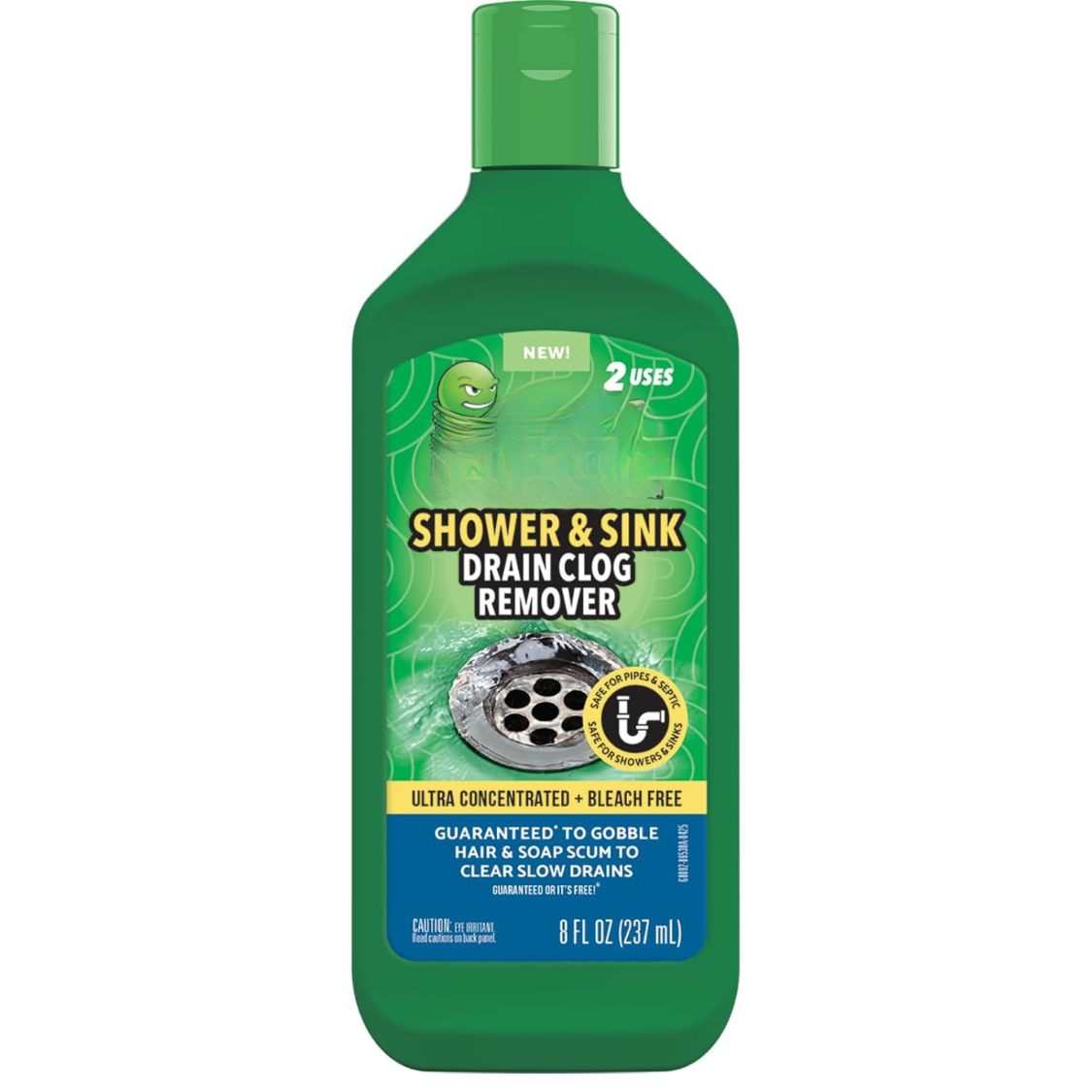 Ultra Concentrated Drain Clog Remover Cleaner Powerful Hair Grease Soap Dissolver For Bathroom, Kitchen, Shower, Sink Toilet Safe For Pipes Septic Systems$44.99View on Mallflare
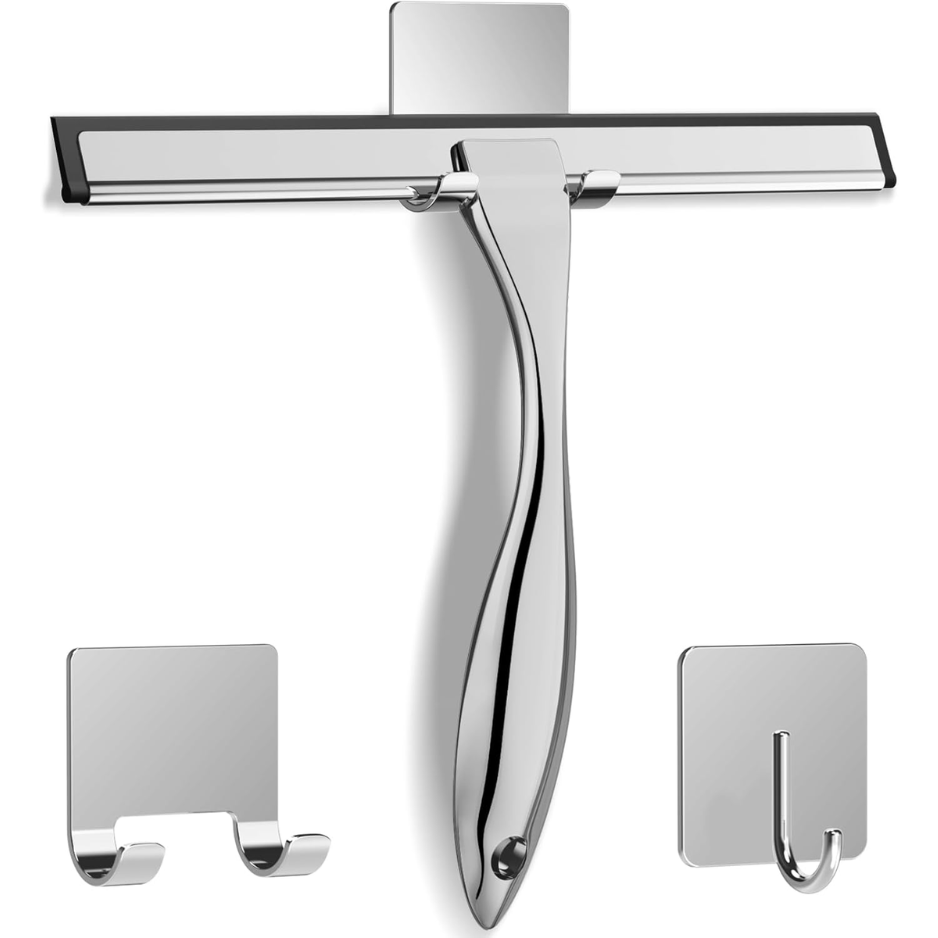 Stainless Steel Shower Squeegee 10 Inch With 2 Adhesive Hooks, Silver Glass Cleaner For Windows, Mirrors, Tile And Car$52.99View on Mallflare
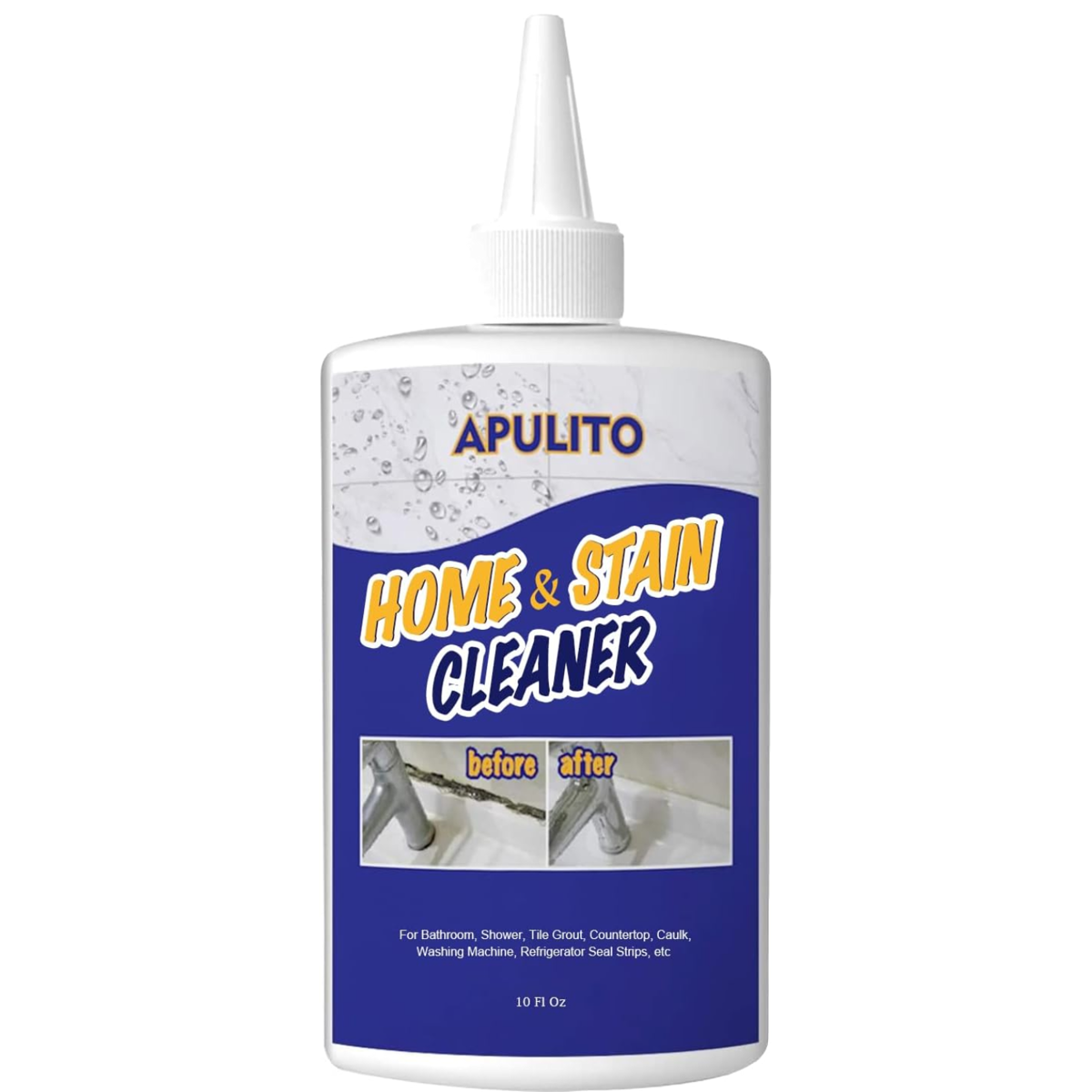 Household Cleaner Gel For Bathroom Shower Kitchen Tile Grout, Sinks Countertops 10 Fl Oz$54.99View on Mallflare
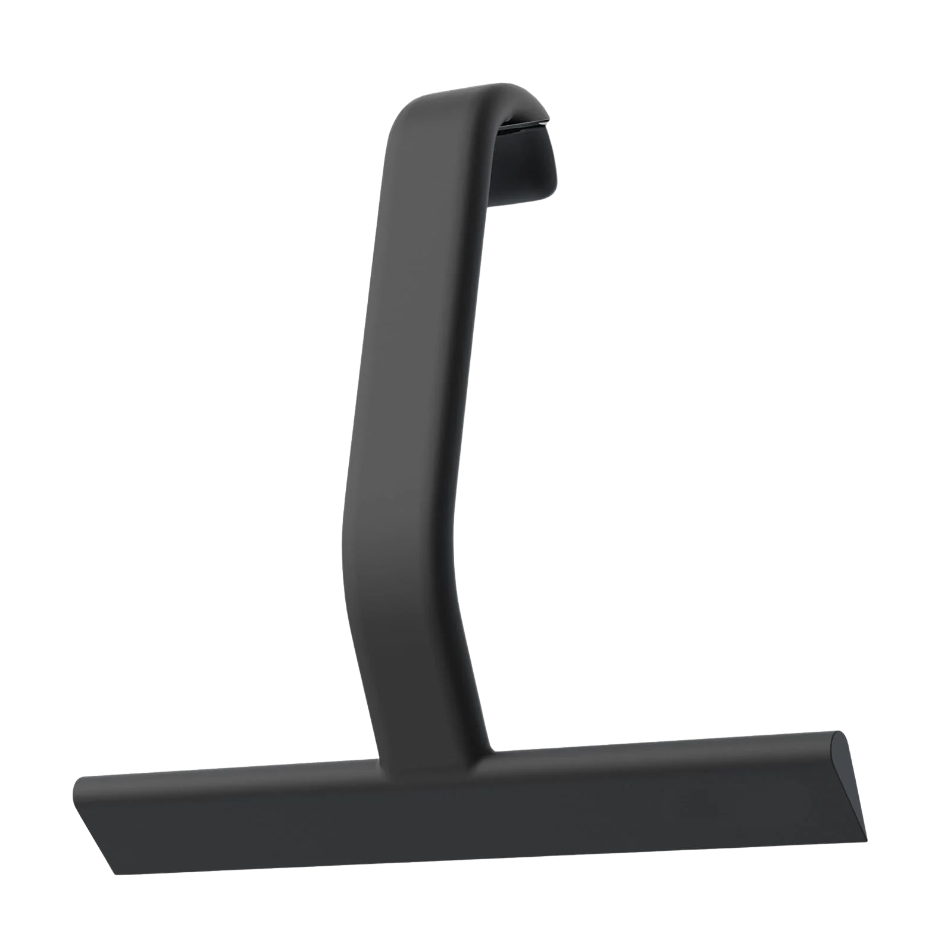 Shower Squeegee 10 Inch, Black Bathroom Glass Cleaner With Built In Hook For Doors, Windows And Smooth Surfaces$91.99View on Mallflare
Highlights
- Acid-based descalers (citric, lactic, hydrochloric) dissolve calcium and magnesium scale fast but permanently etch marble, travertine, and limestone; pH-neutral surfactant gels are the only safe default on natural stone.
- Squeegee blade material determines streak-free results: silicone edges conform to tile and curved glass without scratching coatings, while cheap PVC blades harden, chatter, and leave micro-scratches on anti-lime glass treatments.
- Drain and hair-clog dissolvers rely on strong alkali (sodium hydroxide) or oxidizing chemistry to break down keratin and soap curds; enzymatic formulas are gentler on older PVC and septic systems but need hours of dwell time.
- Concentrated 100ml liquid agents dilute into trigger bottles at roughly 1:10 to 1:20, delivering many sessions per bottle — dilution ratio, not bottle size, is the real cost driver of chemical shower cleaners.
Best use cases
- Choose an acid descaler if you have glass, ceramic tile, or porcelain and visible white hard-water film — skip it entirely on marble, travertine, or unsealed natural stone.
- Choose a pH-neutral gel or surfactant spray for daily maintenance on mixed or stone surfaces, and pair it with a 10-inch silicone squeegee used after every shower to stop film before it bonds.
- Choose an alkali or enzymatic drain dissolver only for slow-draining hair and soap clogs in the shower drain — never as a surface cleaner, and never in a fully blocked drain where it can't reach the clog.
- Skip extendable-pole squeegee kits for a standard shower enclosure — a fixed 10-inch squeegee with an adhesive hook covers a typical 30–36 inch glass panel in three passes with better blade pressure.
Buying tips
- Match chemistry to surface: citric or lactic acid for glass and ceramic, pH-neutral surfactant for stone and sealed grout, sodium-hydroxide gel for drains — read the active ingredient, not the label claim.
- Size the squeegee to the glass: a 10-inch blade clears a 30–36 inch shower door in 3–4 passes; 12-inch blades suit wide walk-in panels but are clumsy inside small enclosures.
- Pick silicone blades over PVC or rubber for shower glass — silicone resists hard-water stiffening, won't scratch anti-lime coatings, and holds a clean edge longer.
- For drain clogs, choose a gel over a liquid: gel sinks through standing water to reach the hair mass, while liquid dilutes and sits above the clog.
Specs
| Chemistry Type | Acid descaler / pH-neutral / alkali |
|---|---|
| Squeegee Blade | Silicone / rubber / PVC |
| Squeegee Width | 10 in standard / 12 in wide |
| Agent Volume | 100ml concentrate / 10 fl oz gel |
Related searches
What to check before buying
- Identify your shower surface material — glass, ceramic, porcelain, acrylic, marble, or sealed stone — because acid descalers are only safe on the first three.
- Measure your glass panel width and enclosure depth: 10-inch squeegees fit standard 30–36 inch doors; 12-inch blades need walk-in or open-panel geometry.
- Confirm ventilation: acid and alkali agents release fumes in enclosed bathrooms, so an exhaust fan or window is required during use.
- Check drain type and age — older PVC or septic systems call for enzymatic or septic-safe formulas, not high-alkali dissolvers.
FAQ
Data sources: eBay / Amazon listings and product attribute feeds Data updated Nov 18, 2026.
Some links on this page are affiliate links. If you buy after clicking one, we may earn a commission at no extra cost to you. This does not change which products appear here or their order. Affiliate disclosure.