Photos from current listings. Actual item, color, and included accessories may vary.
Microwave Oven Cleaner Buying Guide
Microwave oven cleaners are formulated to cut polymerized grease and baked-on food residue without damaging interior coatings or cavity surfaces. The core trade-off is between caustic/alkaline degreasers that dissolve heavy carbonized soil and gentler surfactant or enzyme-based formulas that protect acrylic, stainless, and painted liners. Choose an alkaline gel or foam for heavy baked-on grease on stainless cavities; choose a neutral or enzyme formula for daily wipe-down on coated or plastic interiors.


At a glance
- Category
- Household Cleaning & Paper Supplies
- Data updated
- Nov 18, 2026
Current offers
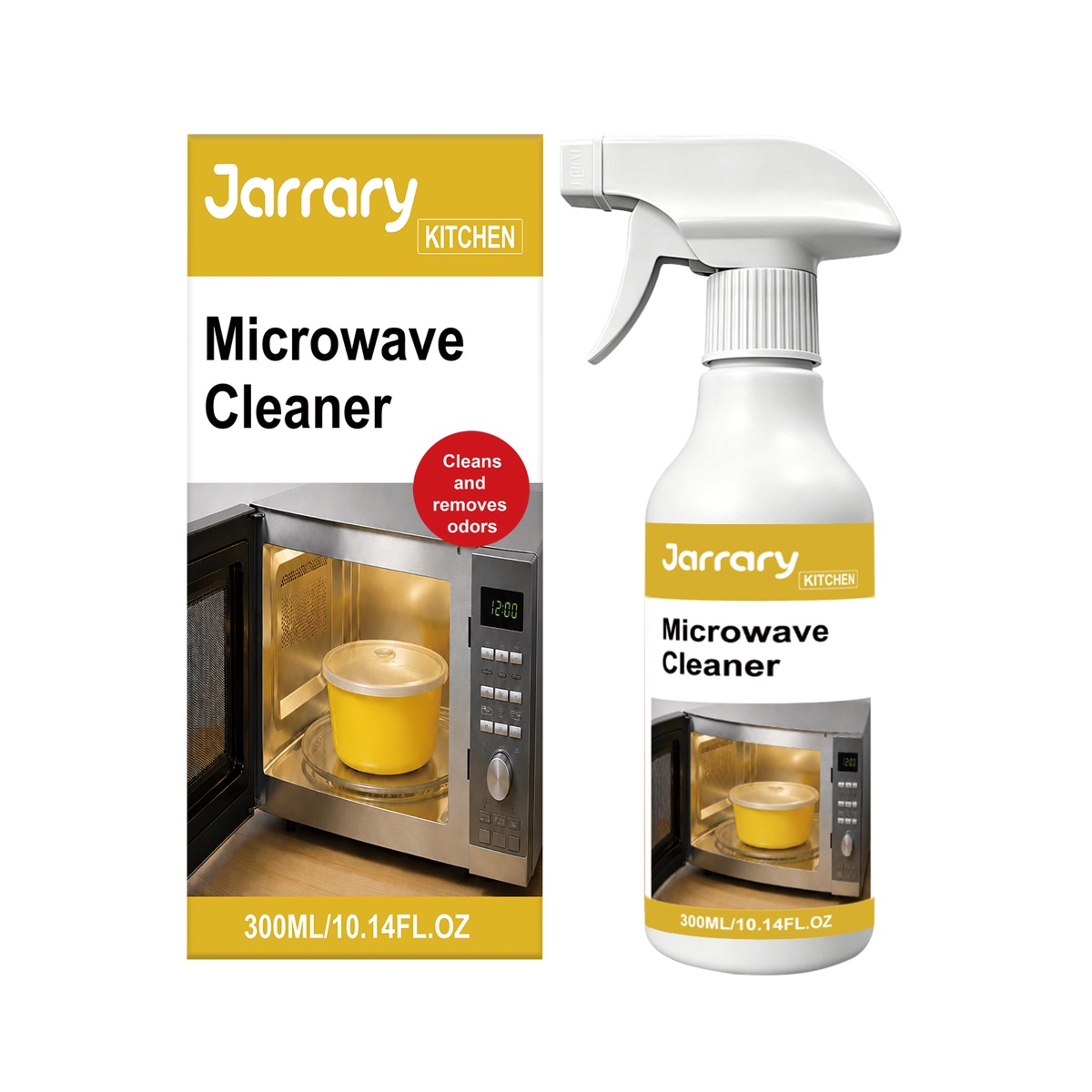 Jarrary Microwave Oven Cleaner - Remove Grease And Food Residues. Combined With Daily Cleaning And Maintenance.$19.99
 View on Mallflare
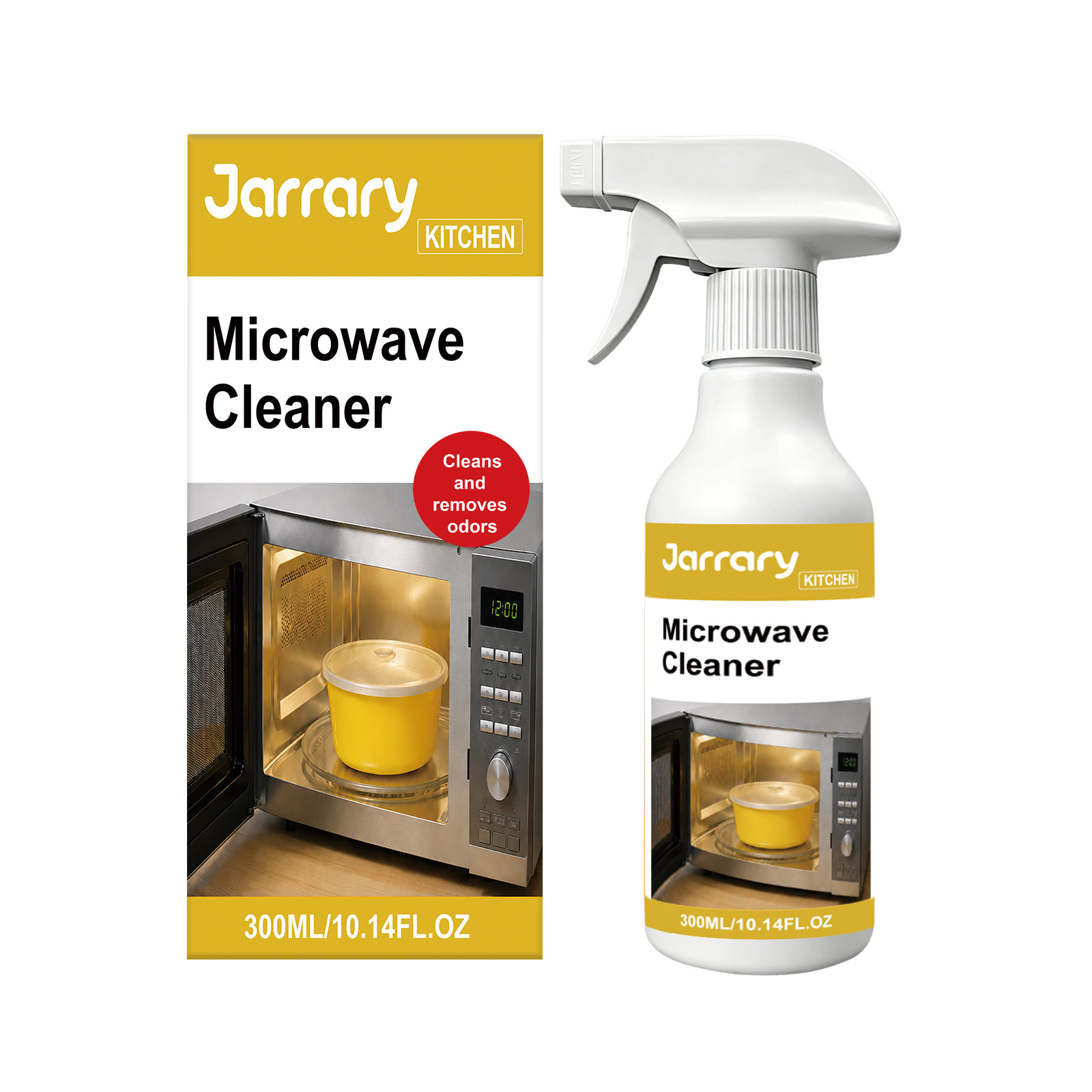 Houseld Supplies Microwave Oven Cleaner - Remove Grease And Food Residues$23.99View on Mallflare
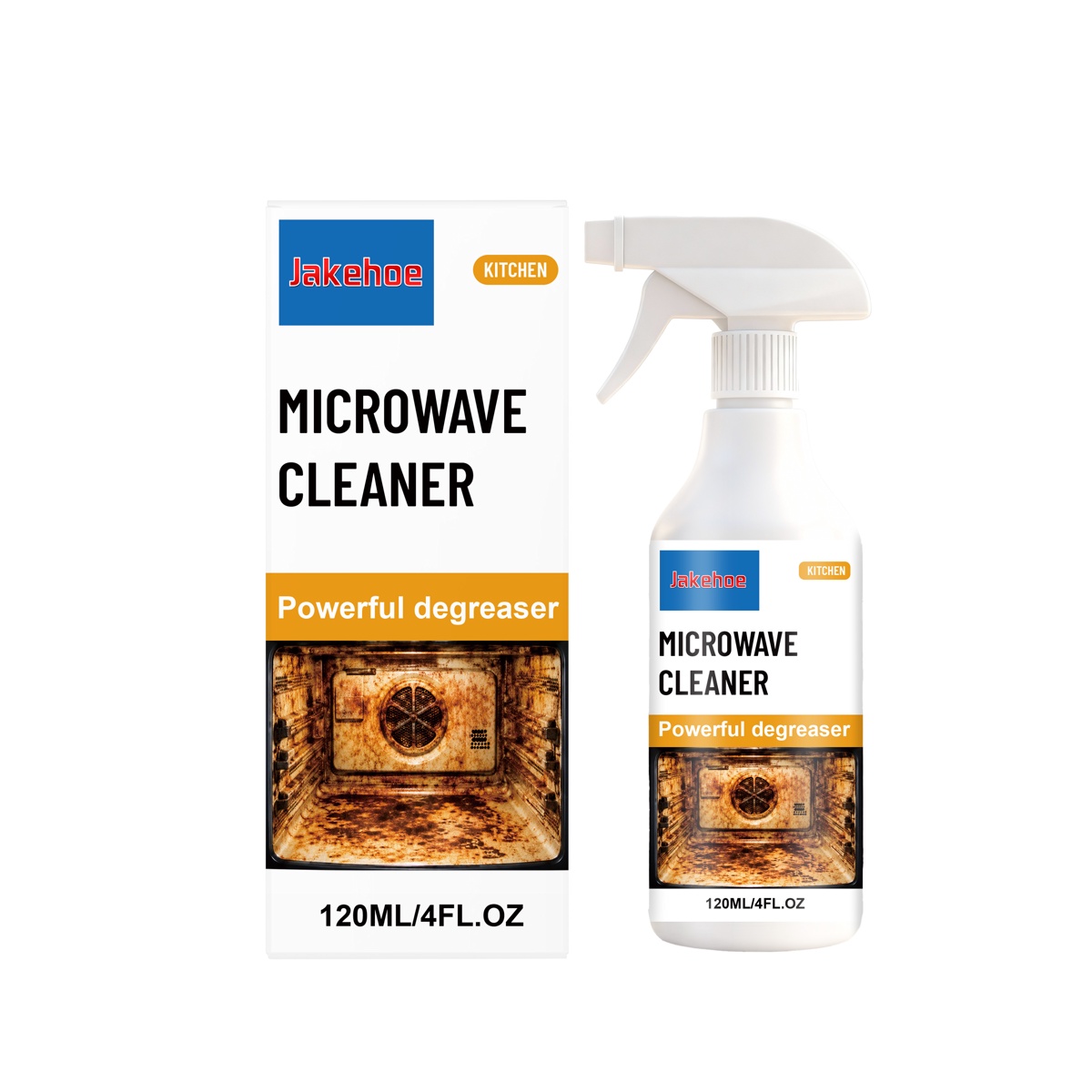 Jakehoe Microwave Cleaner, Daily Household Kitchen Oven Cleaning And Decontamination Agent For Removing Grease And Dirt$19.99View on Mallflare
Highlights
- Alkaline degreasers (pH 10-12) saponify polymerized grease fastest but can dull acrylic and painted cavity liners with repeated use.
- Enzyme-based cleaners break down food proteins and starches at neutral pH, making them safer for plastic turntables and coated interiors.
- Gel and foam formats cling to vertical walls and ceiling surfaces longer than sprays, improving dwell time on baked-on splatter.
- Trigger sprays cover large cavity areas quickly but pool on the floor; gels and foams are better for ceiling and side-wall soil.
Best use cases
- Best fit: alkaline gel or foam for stainless-steel cavity microwaves with heavy baked-on grease and carbonized splatter on walls and ceiling.
- Best fit: neutral enzyme spray for daily maintenance in coated or painted cavity microwaves and for plastic turntable and rack cleaning.
- Wrong fit: caustic oven cleaners (sodium hydroxide) for any microwave interior — they attack acrylic, painted liners, and door seals.
- Wrong fit: abrasive cream cleansers on stainless or coated cavities — they scratch surfaces and remove protective finishes.
Buying tips
- Match formula pH to cavity material: alkaline (pH 10-12) for stainless, neutral (pH 6-8) for acrylic, painted, or coated liners.
- Choose gel or foam for ceiling and wall soil; choose trigger spray only for flat floor and turntable cleaning.
- Check label for microwave-safe claim and dwell time (typically 1-5 minutes); longer dwell means stronger actives, requiring more ventilation.
- Avoid products containing sodium hydroxide or abrasives for microwave interiors; they damage door seals and cavity coatings.
Specs
| Formula pH | Alkaline pH 10-12 / Neutral pH 6-8 |
|---|---|
| Format | Gel / Foam / Trigger spray |
| Cavity Compatibility | Stainless / Painted / Acrylic liner |
| Dwell Time | 1-5 min typical for gel/foam |
Related searches
What to check before buying
- Confirm cavity material: stainless steel, painted steel, or acrylic liner — this determines whether alkaline or neutral pH is safe.
- Measure cavity dimensions and turntable diameter to ensure gel or foam applicator reaches ceiling and back walls.
- Check kitchen ventilation and whether the formula emits strong fumes; enzyme and neutral formulas are lower-VOC than caustic gels.
- Verify the product is labeled for microwave interior use, not just oven or stovetop, to avoid door-seal and coating damage.
FAQ
Data sources: eBay / Amazon listings and product attribute feeds Data updated Nov 18, 2026.
Some links on this page are affiliate links. If you buy after clicking one, we may earn a commission at no extra cost to you. This does not change which products appear here or their order. Affiliate disclosure.