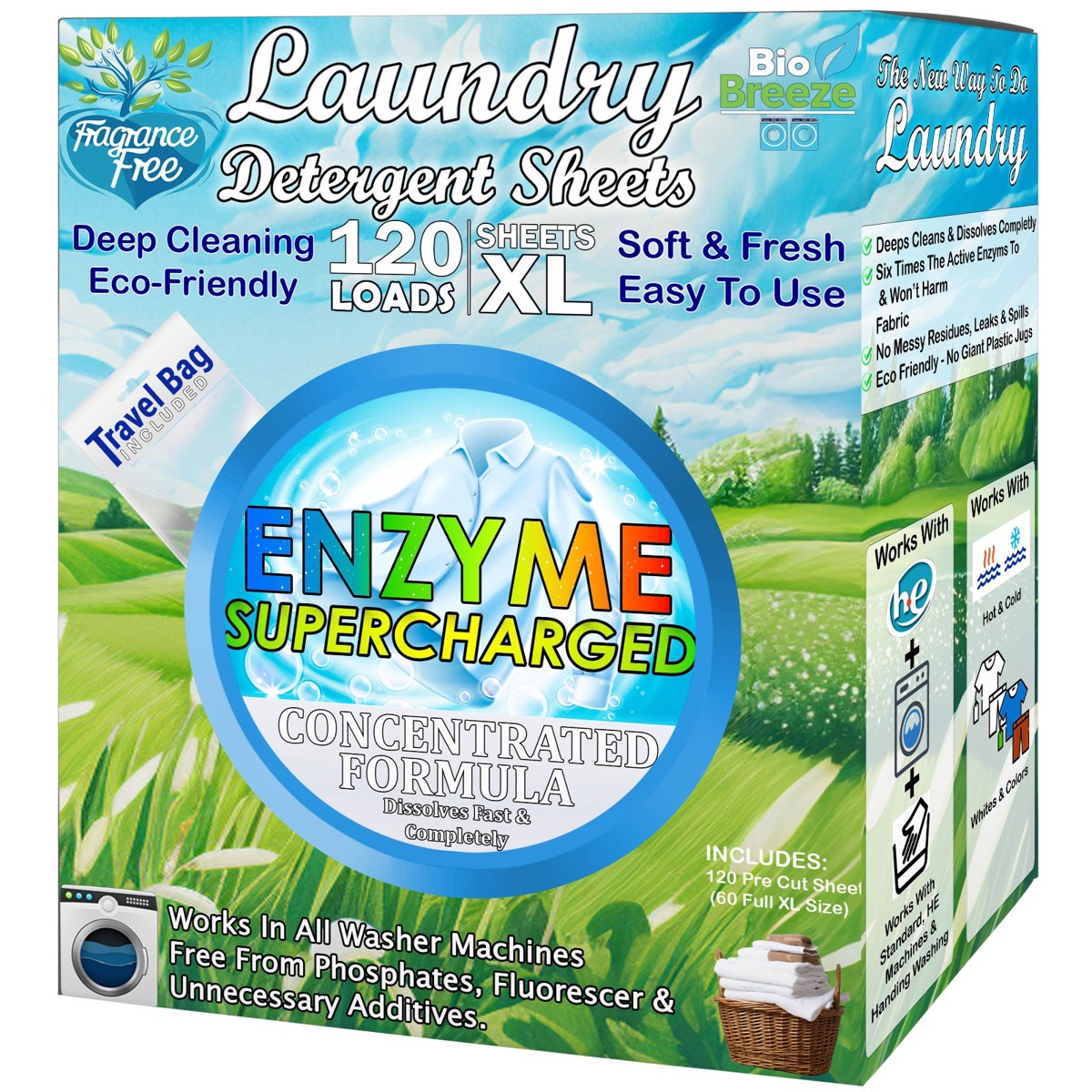

Photos from current listings. Actual item, color, and included accessories may vary.
Hypoallergenic Laundry Detergent Buying Guide
Hypoallergenic laundry detergents are formulated to minimize irritants and allergens, typically by excluding dyes, perfumes, and harsh surfactants. The core trade-off is cleaning power versus gentleness: enzyme-based liquid or sheet formats remove soils at low temperatures without residue, while free-and-clear liquids balance efficacy and mildness for sensitive skin. Choose enzyme-driven, dye-free formulas with full ingredient disclosure; avoid detergents with optical brighteners, synthetic musks, or chlorine bleach additives.


At a glance
- Category
- Household Cleaning & Paper Supplies
- Data updated
- Nov 18, 2026
Current offers
Highlights
- Surfactant systems: anionic (lauryl sulfate) clean aggressively but can irritate; nonionic (alcohol ethoxylates) and glucoside-based surfactants are milder and biodegradable.
- Enzyme blends (protease, amylase, lipase, cellulase) break down protein, starch, fat, and cellulose soils at 20–40°C, enabling effective cold-water cleaning without chlorine or high alkalinity.
- Free-and-clear formulas omit dyes, perfumes, and optical brighteners; sheet formats typically use PVA film that dissolves fully above 30°C and leaves minimal residue.
- Concentration tiers: standard liquids (1.5–2 oz per load), 2x/3x concentrates (0.75–1.5 oz), and ultra-concentrated sheets (1 sheet per regular load) directly affect cost-per-load and rinsing needs.
Best use cases
- Best for eczema or fragrance-sensitive households: pick a dye-free, perfume-free liquid or sheet with enzyme cleaning and no optical brighteners; skip any 'fresh scent' or 'antibacterial' variant.
- Best for cold-water and high-efficiency (HE) front loaders: choose enzyme-based sheets or 2x liquid; skip powder detergents that may not dissolve fully below 30°C and can leave residue in HE machines.
- Best for baby clothes and cloth diapers: select a free-and-clear liquid with full ingredient disclosure and no fabric softener or brightener; skip sheets if the diaper manufacturer specifies liquid-only washing.
- Wrong fit: heavily soiled workwear or grease-stained items—hypoallergenic formulas lack the solvent boost of conventional detergents; pre-treat with a fragrance-free stain remover instead.
Buying tips
- Match detergent concentration to load size: standard liquid ≈ 1.5–2 oz per regular load, 2x concentrate ≈ 0.75–1 oz, and one sheet per load up to 6–8 lb; adjust for hard water by adding 10–20% more product.
- Check the surfactant list: prioritize glucoside or alcohol ethoxylate-based formulas over pure lauryl sulfate for sensitive skin; avoid optical brighteners (stilbene derivatives) and synthetic musks.
- For HE washers, confirm the detergent is HE-compatible (low-sudsing); sheets and 2x concentrates are inherently low-sudsing and rinse cleanly in front loaders.
- Verify enzyme presence: protease and amylase handle body soils and food stains at low temperatures; lipase targets oils—formulas listing all three deliver the broadest cold-water cleaning.
Specs
| Formula Base | Liquid / Sheets / Powder |
|---|---|
| Surfactant Type | Anionic vs Nonionic/Glucoside |
| Enzyme Blend | Protease/Amylase/Lipase/Cellulase |
| Free-From Claims | Dye-free / Perfume-free / Brightener-free |
Related searches
What to check before buying
- Measure your washer drum capacity: front-loaders typically 4–5 cu ft, top-loaders 3.5–4.5 cu ft; dose per load size, not per drum volume, to avoid residue.
- Confirm water hardness: above 120 ppm (7 grains/gallon), add a fragrance-free water softener or increase detergent by 10–20% to maintain cleaning.
- Check garment care labels for 'no fabric softener' or 'liquid detergent only' restrictions—sheets may not be approved for flame-resistant or moisture-wicking fabrics.
- Ensure your machine's minimum cycle temperature: PVA sheets dissolve fully at 30°C and above; for cold washes below 20°C, use a liquid formula instead.
FAQ
Data sources: eBay / Amazon listings and product attribute feeds Data updated Nov 18, 2026.
Some links on this page are affiliate links. If you buy after clicking one, we may earn a commission at no extra cost to you. This does not change which products appear here or their order. Affiliate disclosure.