Photos from current listings. Actual item, color, and included accessories may vary.
Grill Degreaser Buying Guide
Grill degreaser is a heavy-duty alkaline or solvent-based cleaner formulated to cut polymerized grease, carbon, and burnt-on residue from grill grates, hoods, and drip trays. The primary trade-off is between caustic lye-based formulas that dissolve carbon fast but require skin/eye protection and thorough rinsing, versus gentler surfactant or enzyme blends that are safer on hands and surrounding surfaces but need longer dwell time and more scrubbing. Choose a lye-based gel or foam for deep seasonal restoration of carbon-caked grates, and a surfactant or citrus-based spray for routine post-cook maintenance on lightly soiled surfaces.

At a glance
- Category
- Household Cleaning & Paper Supplies
- Data updated
- Nov 18, 2026
Current offers
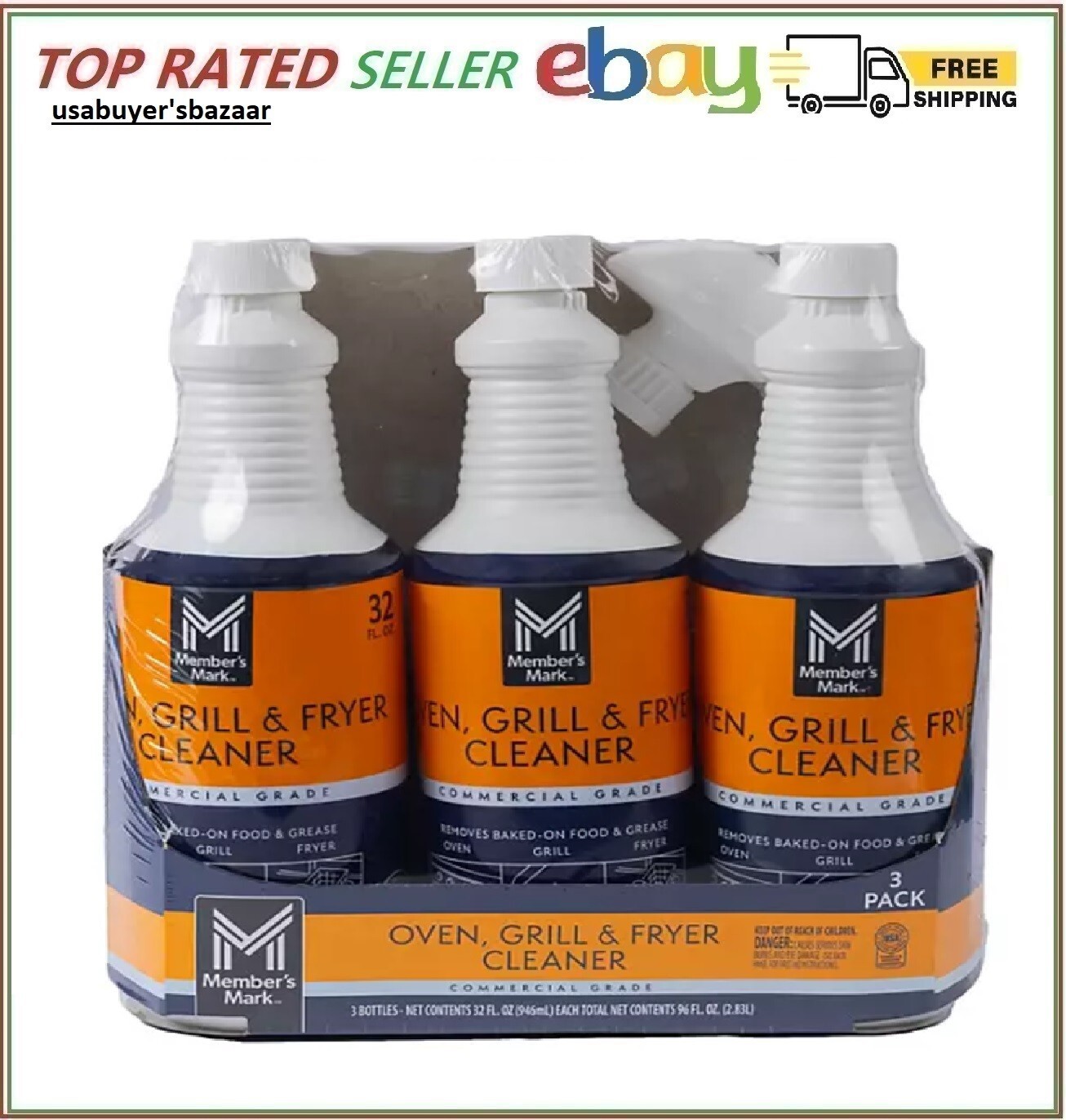 3 PK Restaurant Commercial Oven, Grill and Fryer Cleaner 32 oz. Free Shipping$22.99
 View on eBay
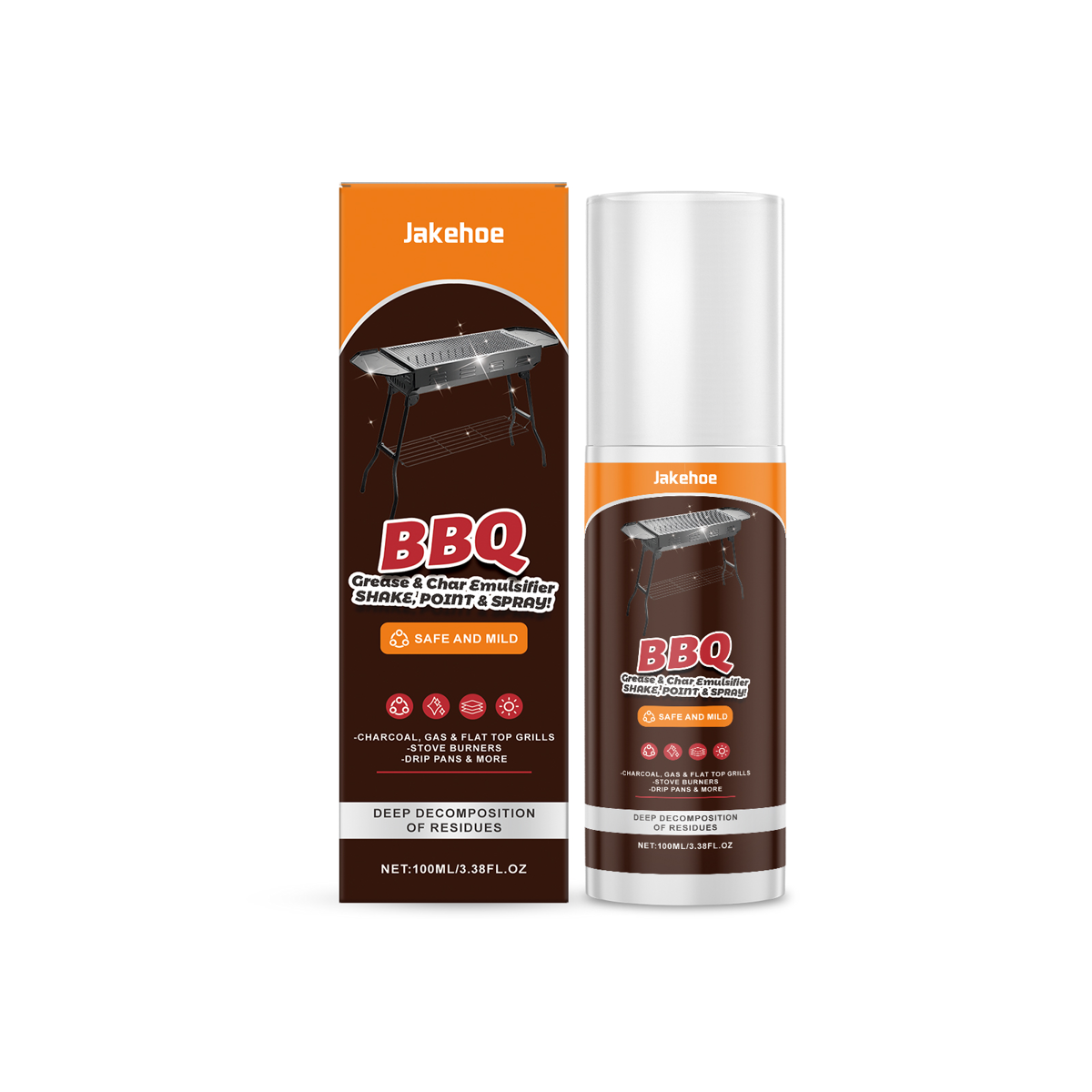 Jakehoe Barbecue Grill Cleaner, Outdoor And Household Oven, Frying Pan, Burnt Stain And Grease Remover, Dissolving And Cleaning Agent$19.99
 View on Mallflare
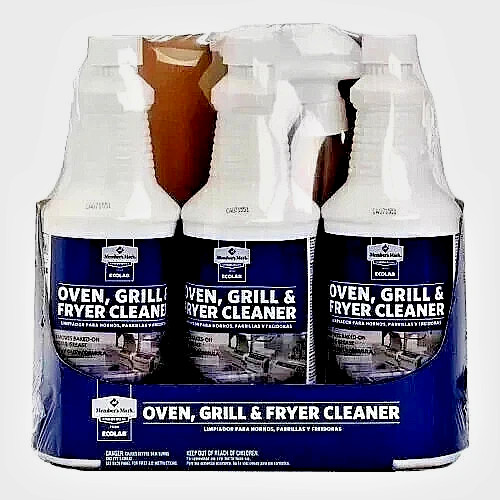 3 PK Restaurant Commercial Oven, Grill and Fryer Cleaner 32 oz. Member Mark$28.49View on eBay
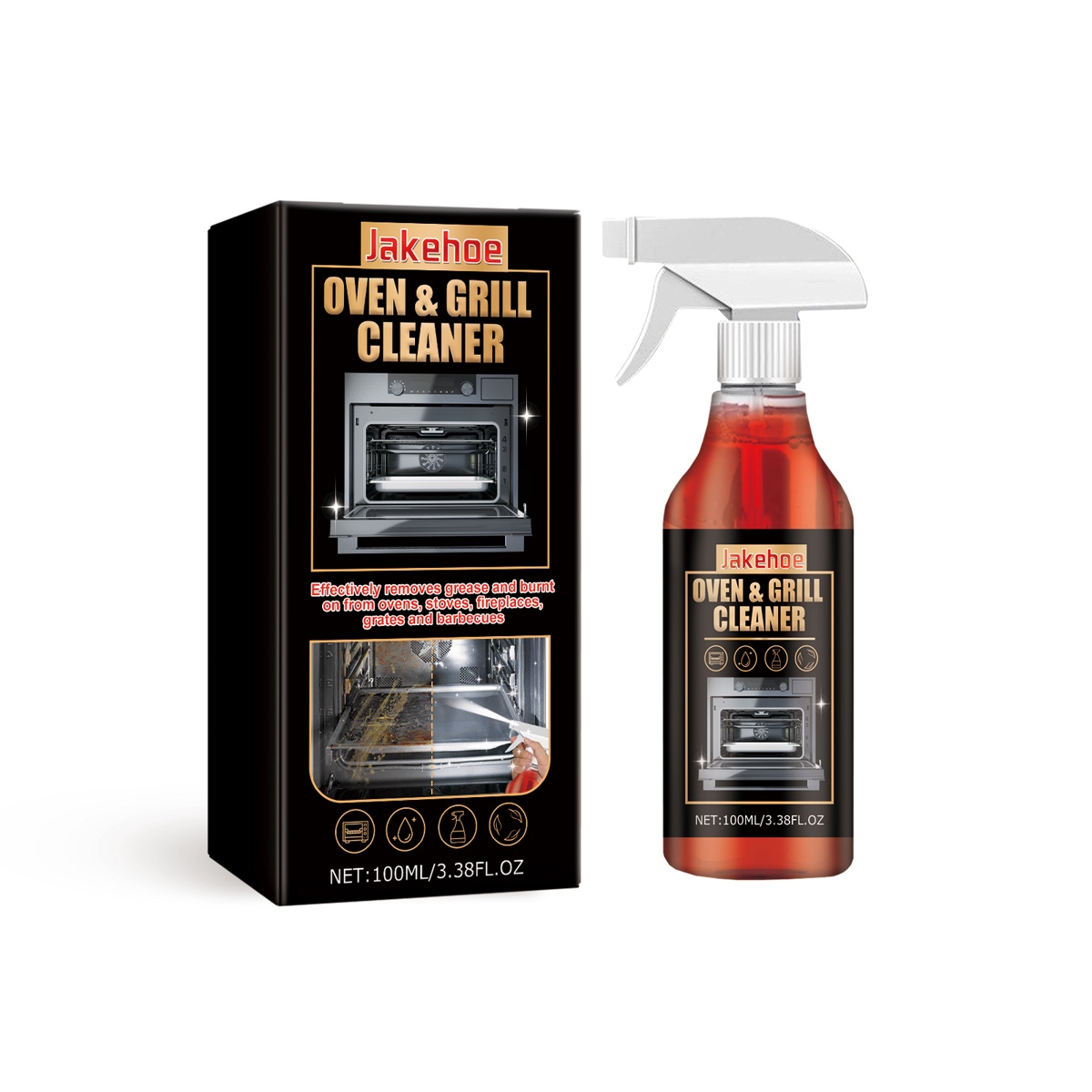 Jakehoe Oven & Grill Cleaner, Special Decontamination, Deodorization, Odor, And Oil Remover$19.99View on Mallflare
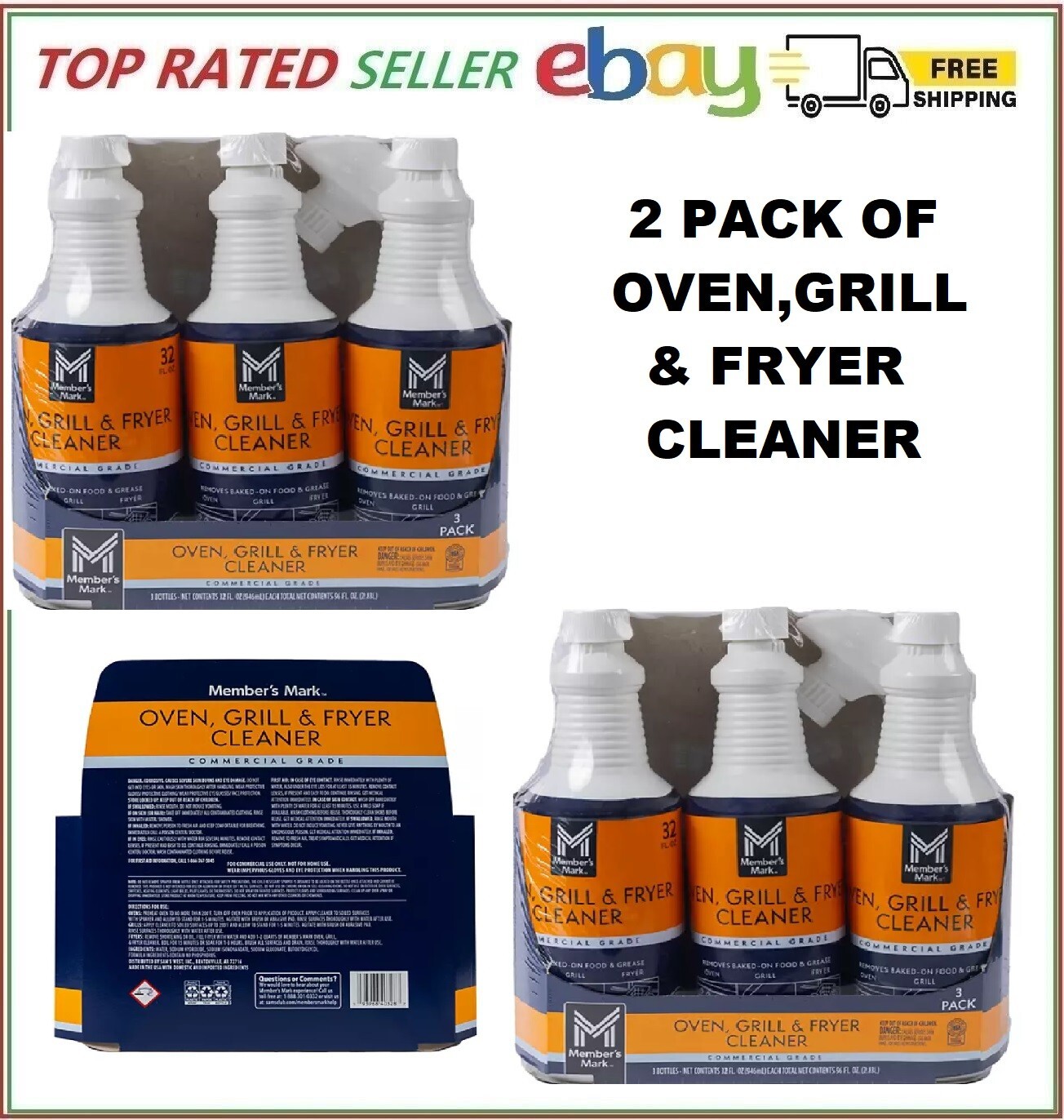 Member's Mark Commercial Oven Grill and Fryer Surface Cleaner, 32oz - 6 Pack$38.75View on eBay
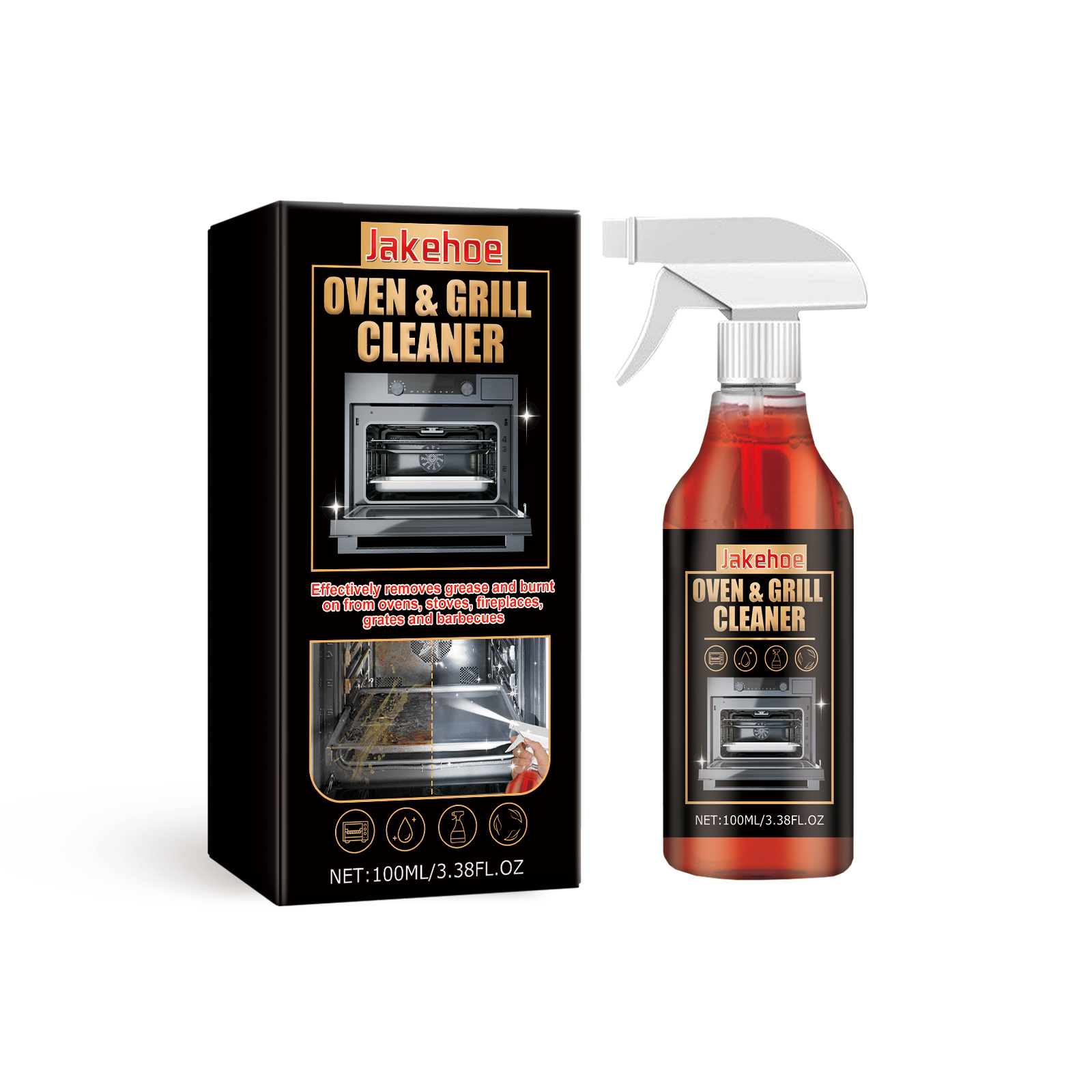 Kitchen Cleaning Oven and Grill Cleaner$22.99View on Mallflare
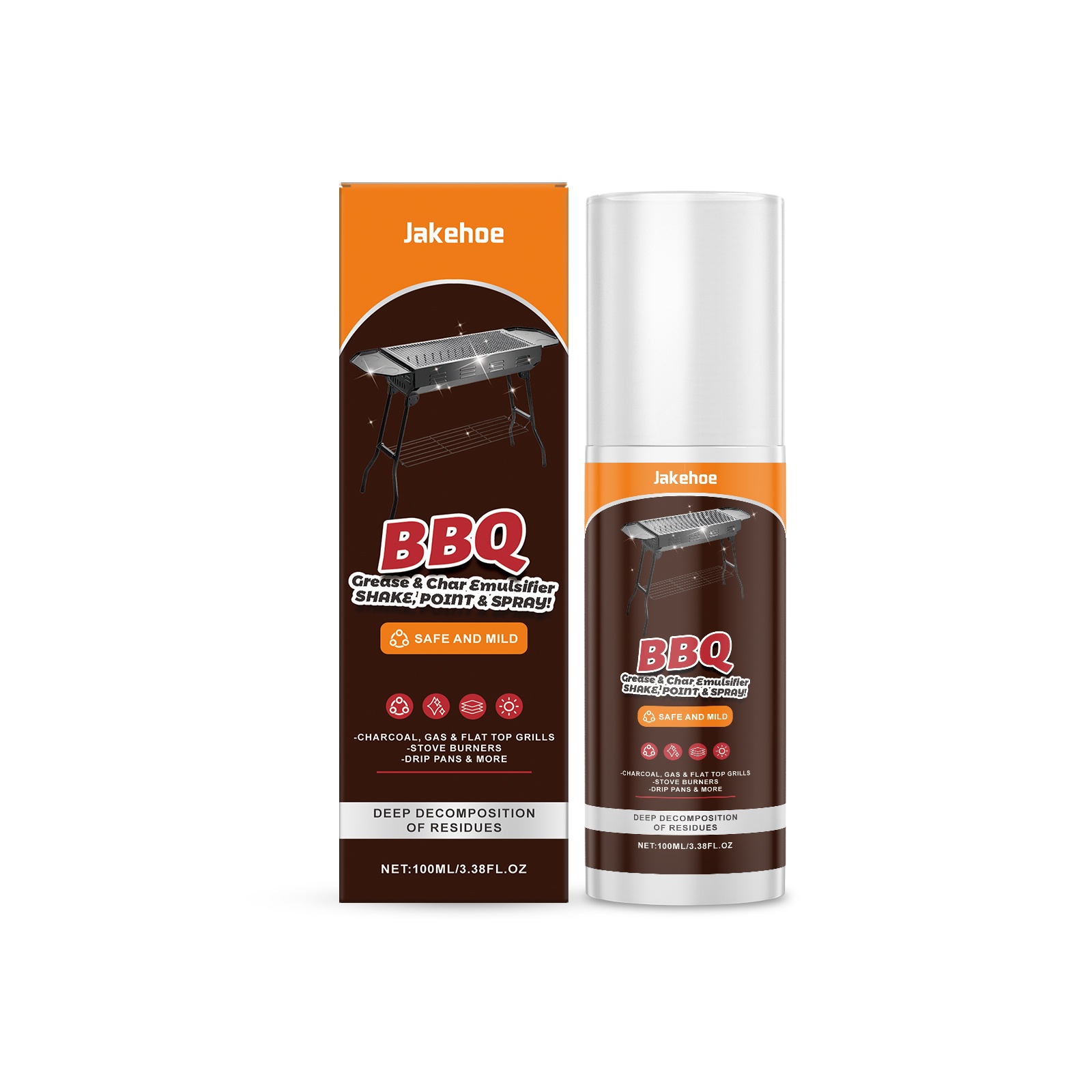 Oven & Grill Cleaner, 100ml, Cleaning Agent for Home$22.99View on Mallflare
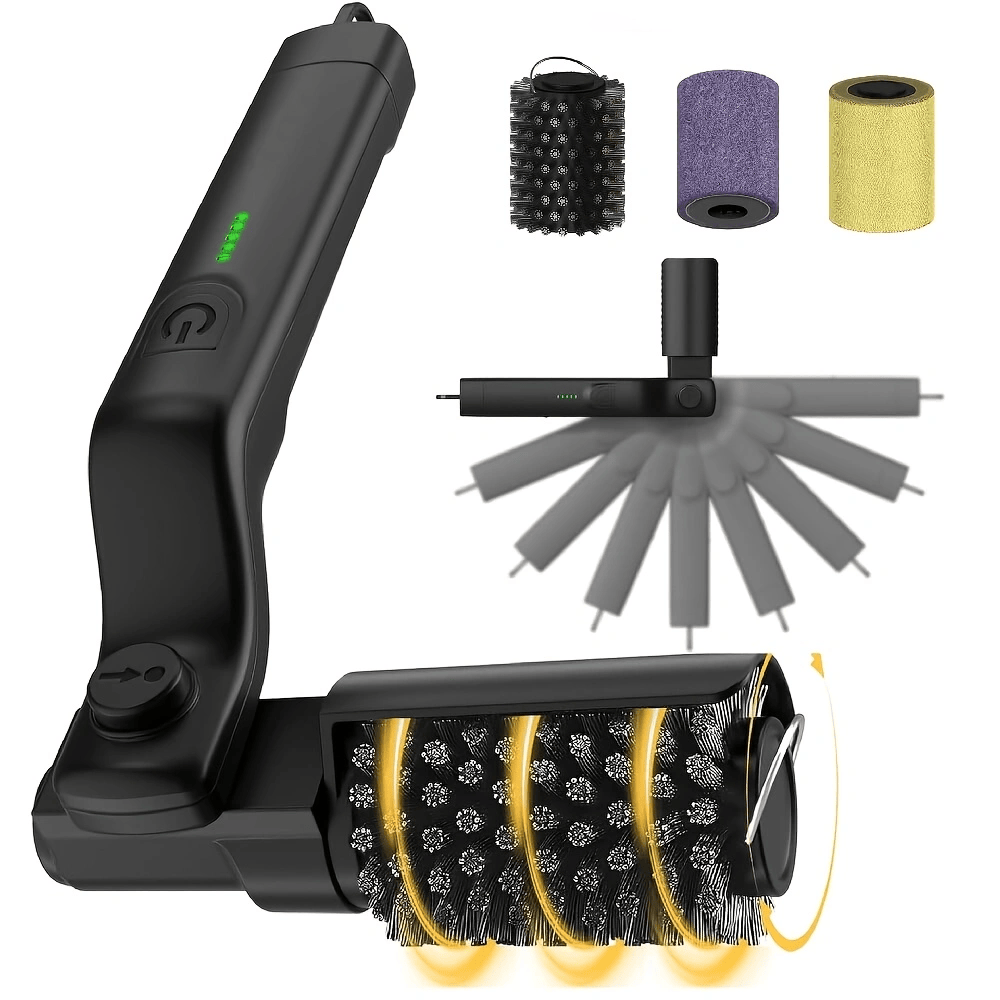 Professional Electric Rotary Grill Brush-3-Speed High-Torque Power Scrubber,304 Stainless Steel Bristle-Free Head,90 Mins Ultra-Long Runtime For Deep Cleaning,Heavy Duty Outdoor BBQ Cleaner$25.99View on Mallflare
Highlights
- Lye-based (sodium hydroxide) formulas at pH 13-14 saponify polymerized grease in 5-15 minutes, but attack aluminum and painted surfaces—use only on stainless steel, cast iron, or porcelain-coated grates.
- Commercial 32 oz trigger-spray concentrates (e.g., restaurant oven/grill/fryer cleaners) typically yield 4-8 quarts of ready-to-use solution, delivering roughly 100-105 wash cycles per bottle at standard dilution.
- Gel and clinging foam formats outperform thin sprays on vertical hood interiors and grate undersides because they resist runoff and keep active ingredients in contact with carbonized soil.
- Mechanical aids—rotary electric scrubbers with 304 stainless bristle-free heads or brass-bristle brushes—remove carbon layers that chemistry alone cannot lift, cutting manual scrubbing time on heavily soiled grates.
Best use cases
- Best fit: own a gas or charcoal grill with stainless or cast-iron grates and heavy carbon buildup—choose a lye-based gel or foam plus a brass-bristle brush for seasonal deep cleans.
- Best fit: weekly maintenance on a pellet grill or lightly used gas grill—pick a surfactant or citrus-based spray that is safe on porcelain-enameled surfaces and requires only a 5-minute dwell.
- Wrong fit: aluminum grill bodies, uncoated aluminum drip trays, or painted hood exteriors—skip lye-based formulas entirely; they pit and discolor aluminum and strip paint. Use a pH-neutral or citrus degreaser instead.
- Wrong fit: indoor kitchen oven interiors with self-clean coatings—do not substitute outdoor grill degreaser; the high-alkaline formula can damage oven enamel and heating elements. Use an oven-specific cleaner.
Buying tips
- Match chemistry to grate material: sodium-hydroxide (lye) formulas for stainless steel and cast iron; citric-acid or surfactant blends for porcelain-enameled, aluminum, and painted surfaces.
- For concentrate bottles, calculate dilution: a 32 oz concentrate at 1:4 ratio yields 128 oz (1 gallon) of working solution—enough for roughly 8-10 deep cleans or 100+ light wash cycles.
- Choose gel or foam consistency for vertical surfaces (hood interiors, grate undersides); choose thin trigger spray for flat cook-box floors and drip trays where coverage area matters more than cling.
- Pair chemical degreaser with a brass or stainless bristle brush—never use wire brushes on porcelain-enameled grates, as bristles can chip the coating and expose rust-prone steel.
Specs
| Chemistry Type | Lye-based vs surfactant/citrus |
|---|---|
| Format | Gel, foam, trigger spray, concentrate |
| Safe Surfaces | Stainless/cast iron vs enamel/aluminum |
| Dilution Yield | 32 oz concentrate ≈ 1 gal RTU |
Related searches
What to check before buying
- Measure your grill's grate dimensions and hood height: a 32 oz trigger spray covers roughly 25-30 sq ft per bottle at full strength, so larger grills (over 500 sq in cooking surface) need a concentrate or multi-pack.
- Confirm grate and interior material—stainless steel, cast iron, or porcelain enamel—before selecting a lye-based product; aluminum and painted surfaces require pH-neutral or citrus formulas.
- Check that you have a dedicated stiff-bristle brush (brass for cast iron, nylon for porcelain) and a rinse hose or bucket; degreaser residue must be thoroughly rinsed before the next cook.
- Verify ventilation and drainage: use lye-based cleaners outdoors or in a well-ventilated area with eye protection and nitrile gloves, and ensure runoff does not contact lawn or storm drains.
FAQ
Data sources: eBay / Amazon listings and product attribute feeds Data updated Nov 18, 2026.
Some links on this page are affiliate links. If you buy after clicking one, we may earn a commission at no extra cost to you. This does not change which products appear here or their order. Affiliate disclosure.