Photos from current listings. Actual item, color, and included accessories may vary.
Glass Cleaner Buying Guide
Glass cleaners are formulated sprays, concentrates, or tablets that remove films, hard-water minerals, and grease from glass without streaking or damaging coatings. The primary trade-off is between ammonia- or solvent-based formulas that cut hard-water spots fast but can attack tint films and some plastics, and ammonia-free surfactant formulas that are safer on coated glass and delicate surfaces but need more dwell time. Choose a solvent or chelating formula for mineral-heavy water and outdoor glass, and an ammonia-free formula for interior tinted windows, mirrors, and smartphone screens.

At a glance
- Category
- Household Cleaning & Paper Supplies
- Data updated
- Nov 18, 2026
Current offers
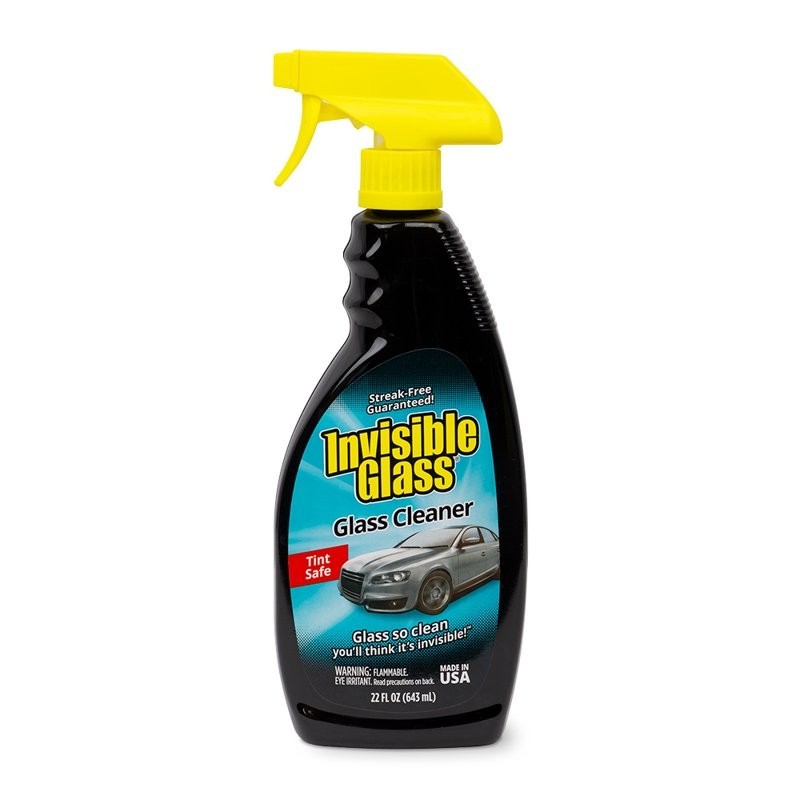 Stoner Car Care Invisible Glass Premium Glass Cleaner and Window Spray 22Oz$4.48
 View on eBay
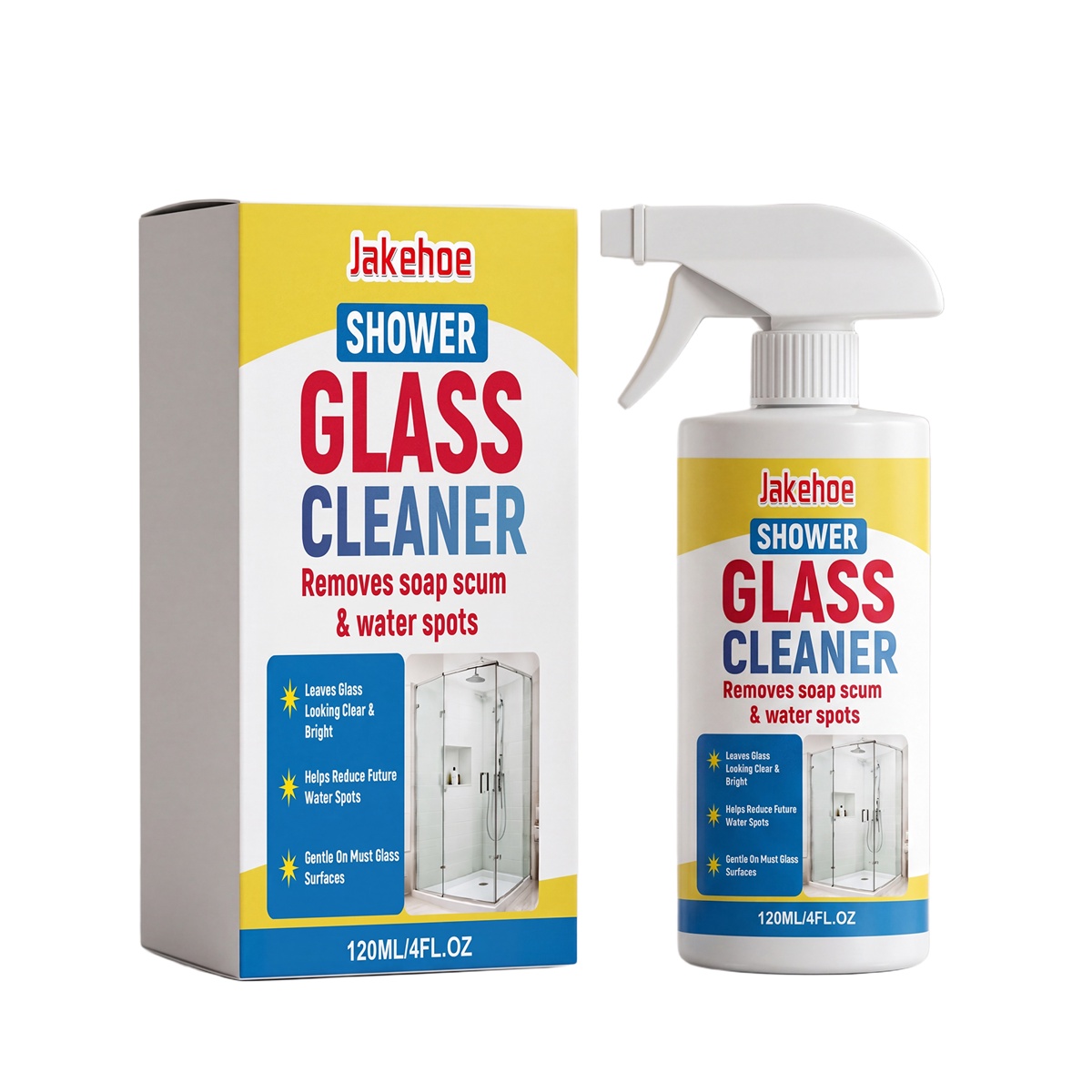 Jakehoe Shower Glass Cleaner, Cleaning Agent For Removing Water Stains And Dirt From Bathroom Mirror At Home$19.99
 View on Mallflare
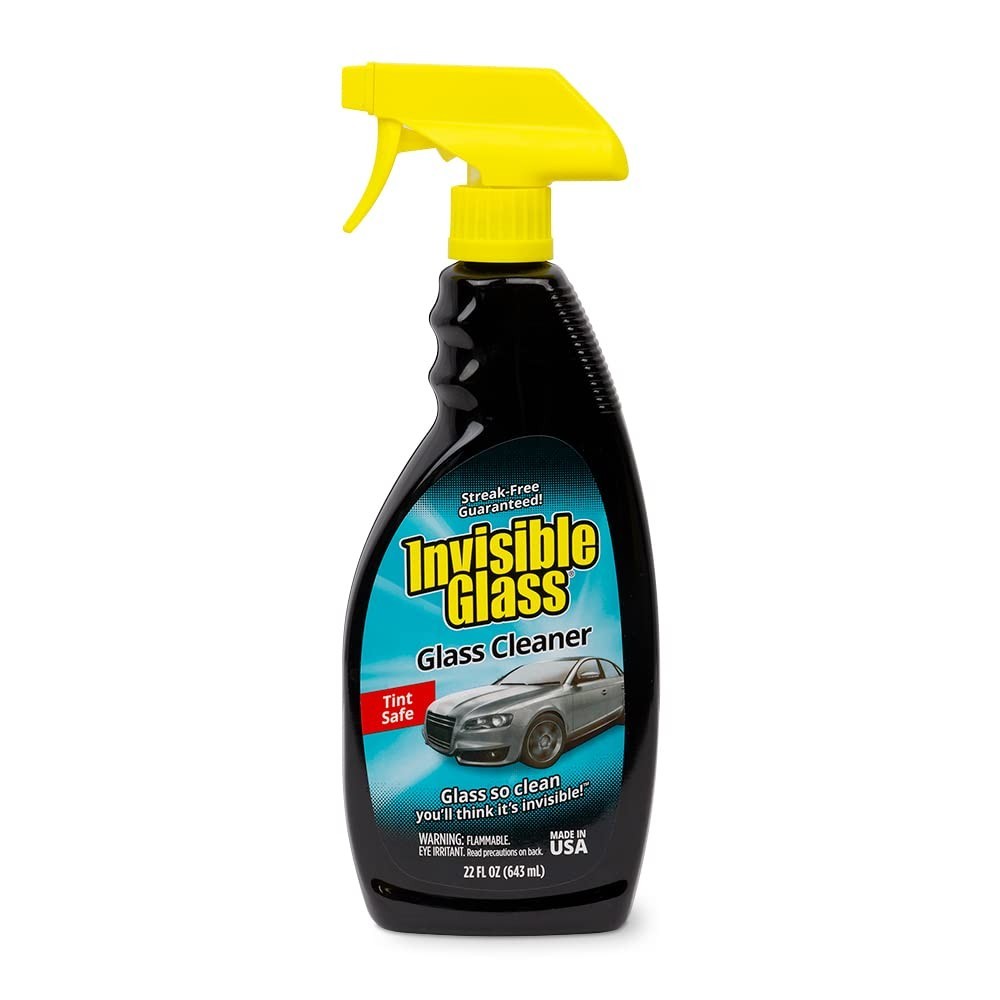 Stoner Car Care Invisible Glass Premium Glass Cleaner and Window Spray 22Oz$9.20View on eBay
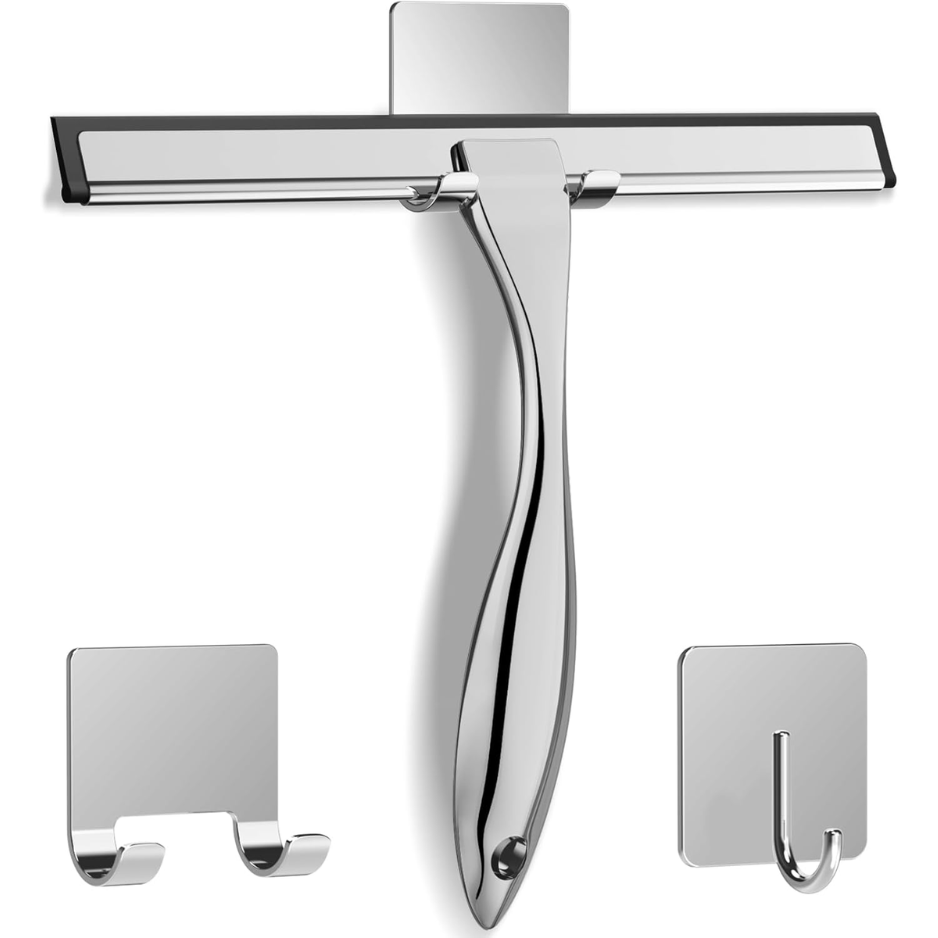 Stainless Steel Shower Squeegee 10 Inch With 2 Adhesive Hooks, Silver Glass Cleaner For Windows, Mirrors, Tile And Car$52.99View on Mallflare
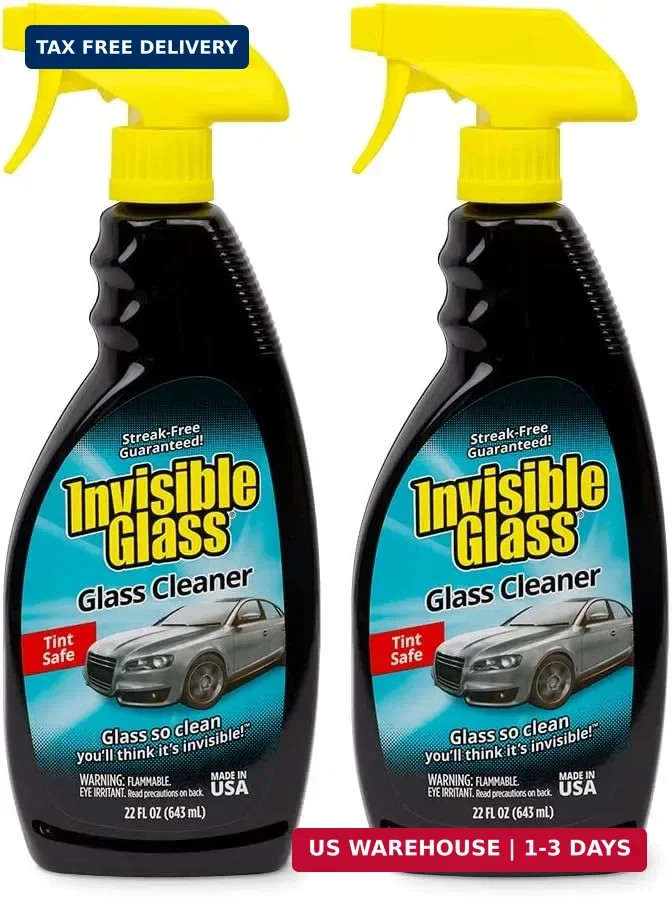 2 Pack Stoner Car Care Invisible Glass Premium Glass Cleaner, Window Spray 22Oz$13.17View on eBay
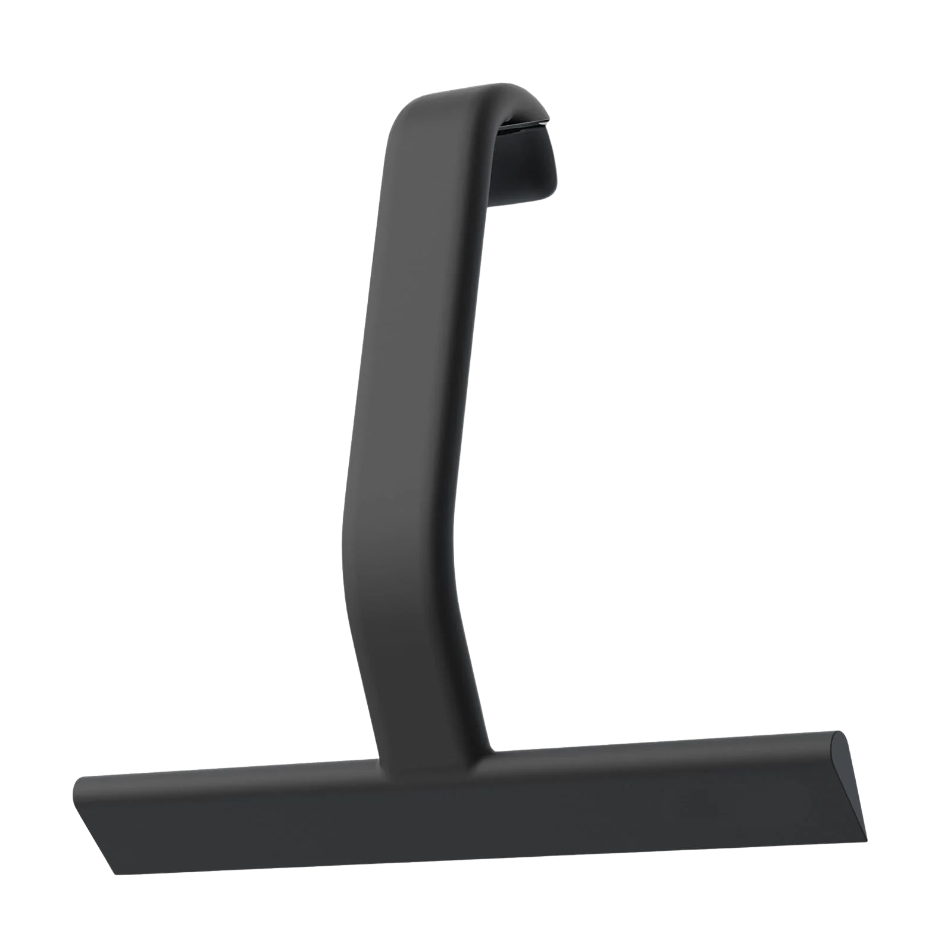 Shower Squeegee 10 Inch, Black Bathroom Glass Cleaner With Built In Hook For Doors, Windows And Smooth Surfaces$91.99View on Mallflare
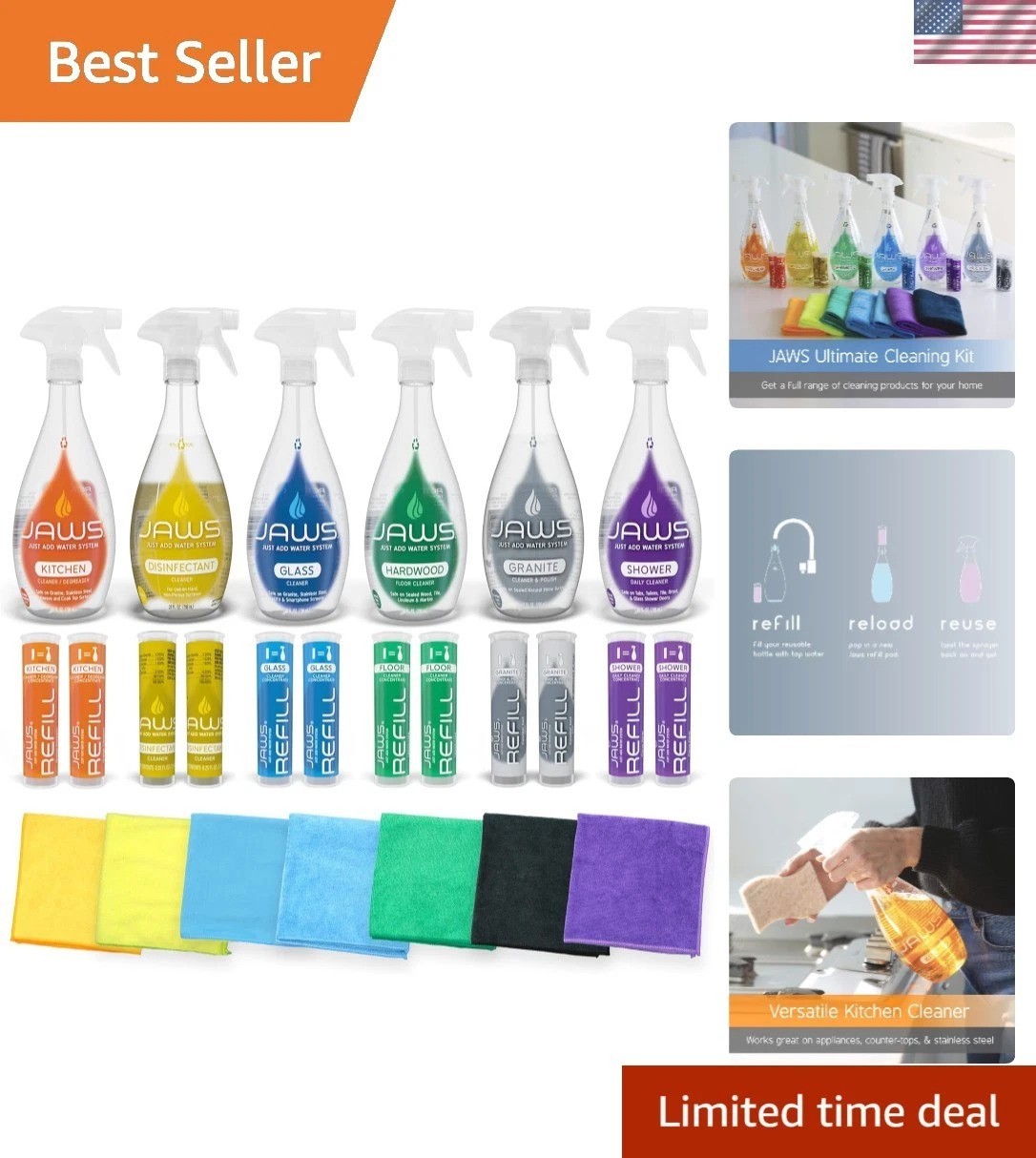 Cleaners Ultimate Cleaning Kit, Multi-Surface Kitchen, Glass, Shower, Granite...$149.97View on eBay
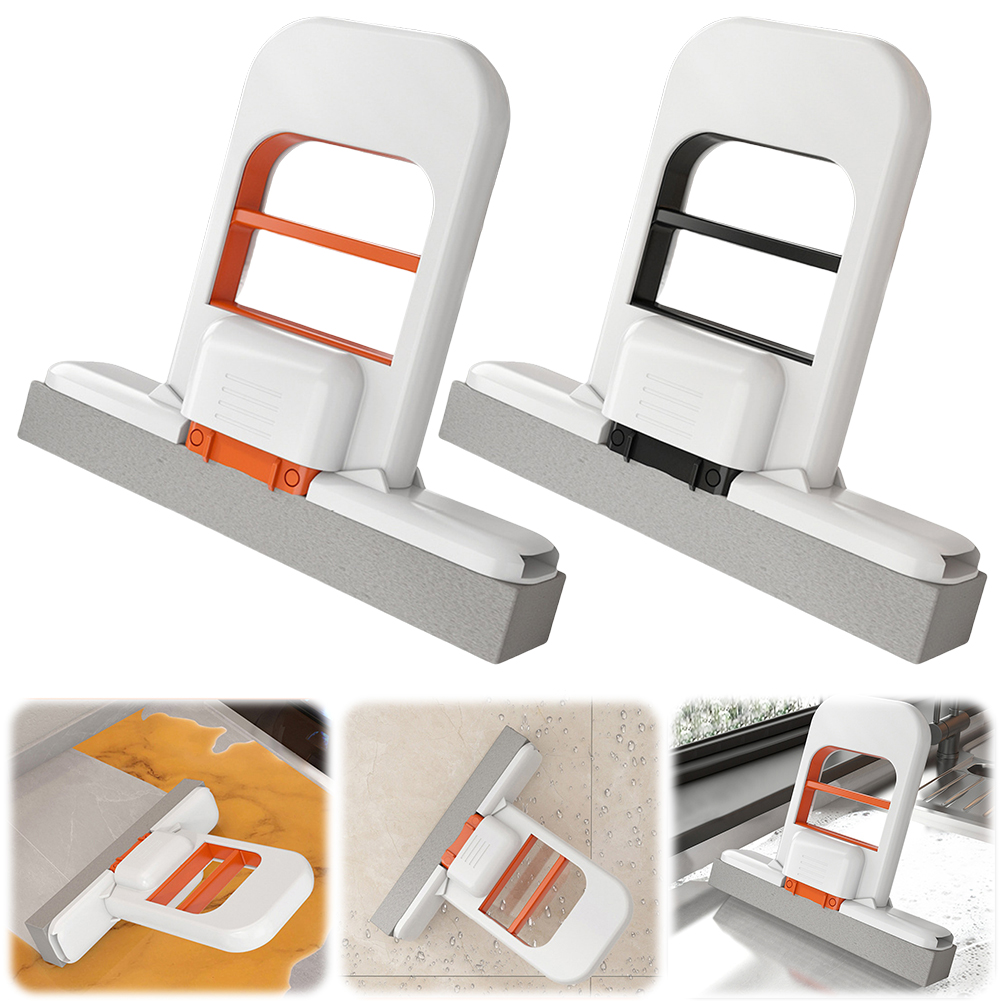 Handheld Mini Foldable Desktop Mop Small Cotton Mops Sponge Cleaning Tool For Bathroom Kitchen Glass Living Room Car$8.99View on Mallflare
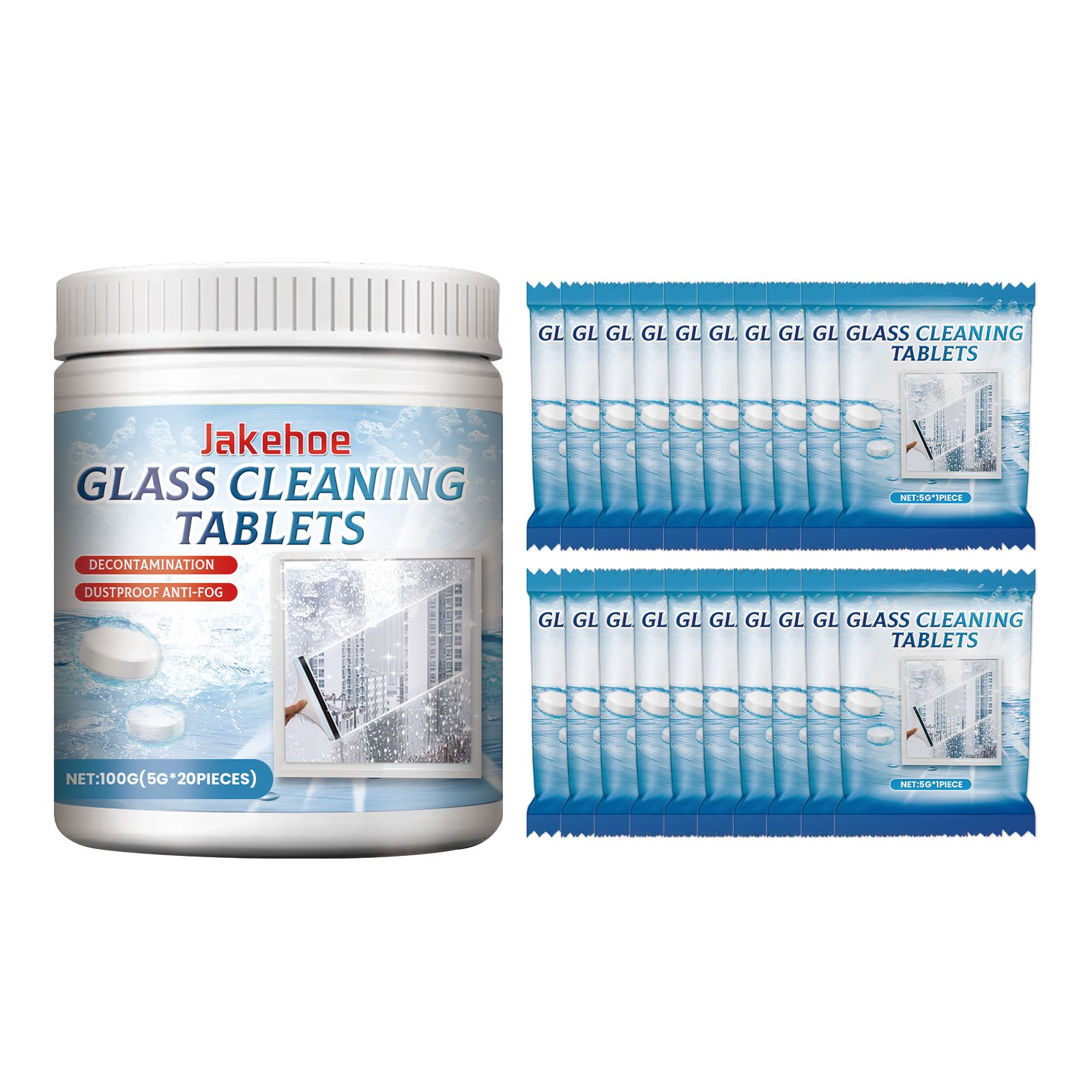 JAKEHOE Glass Cleaning Tablets, 100 g$14.99View on Mallflare
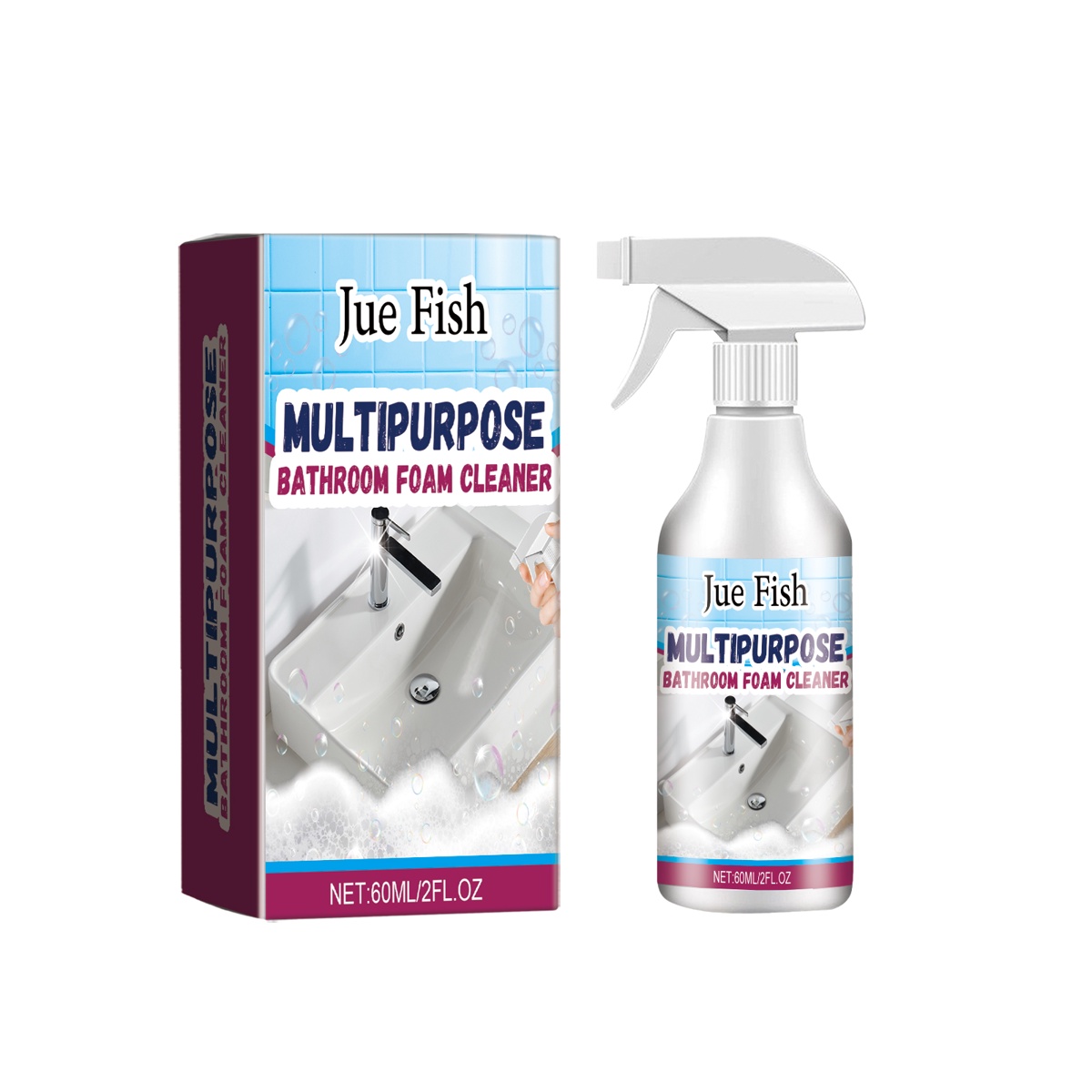 Jue-Fish Bathroom Foam Cleaner, Clean Bath Glass Door Stains And Scale Cleaning$19.99View on Mallflare
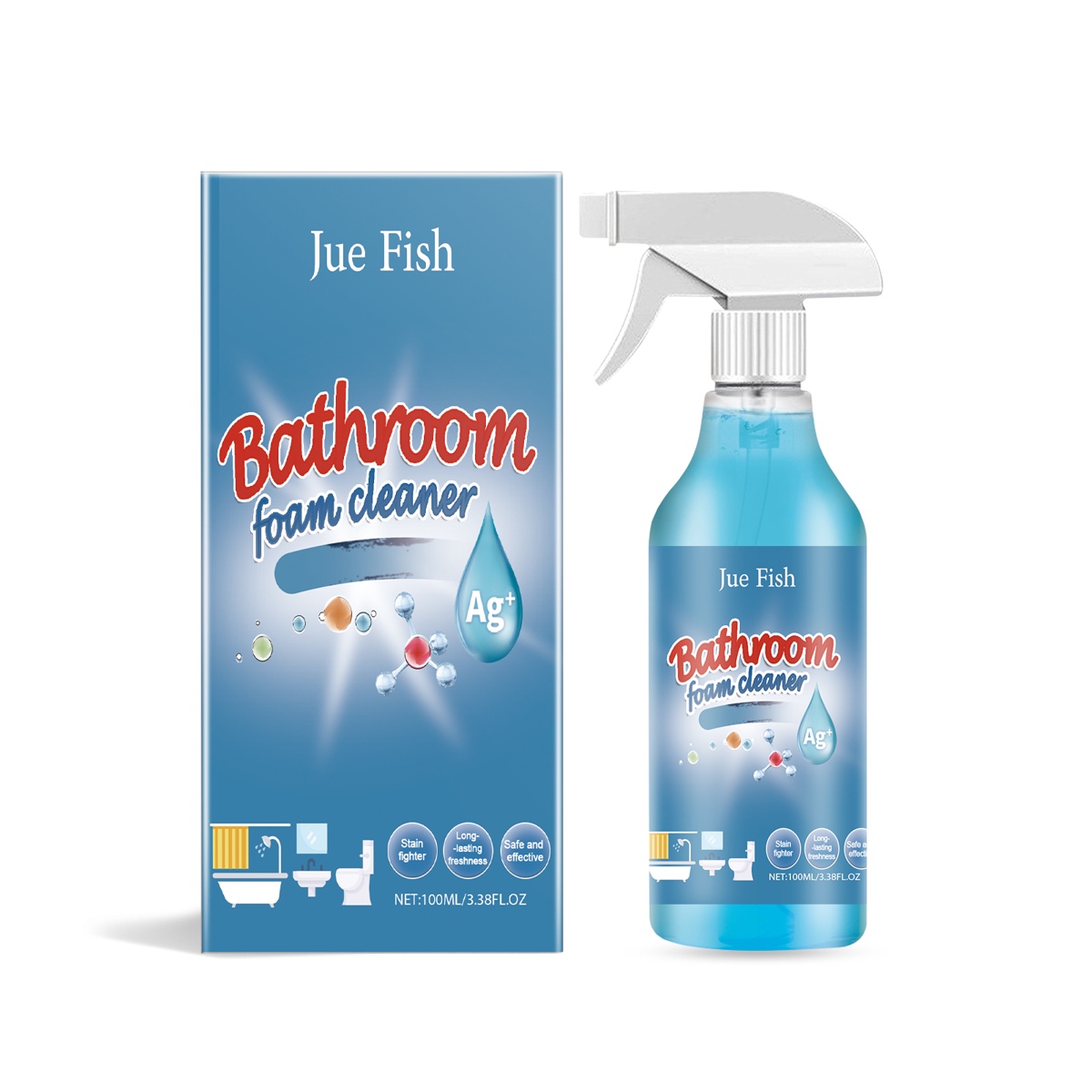 Jue-Fish Bathroom Cleaner, Clean Metal Glass Tiles Stainless Steel Water Stains And Scale$19.99View on Mallflare
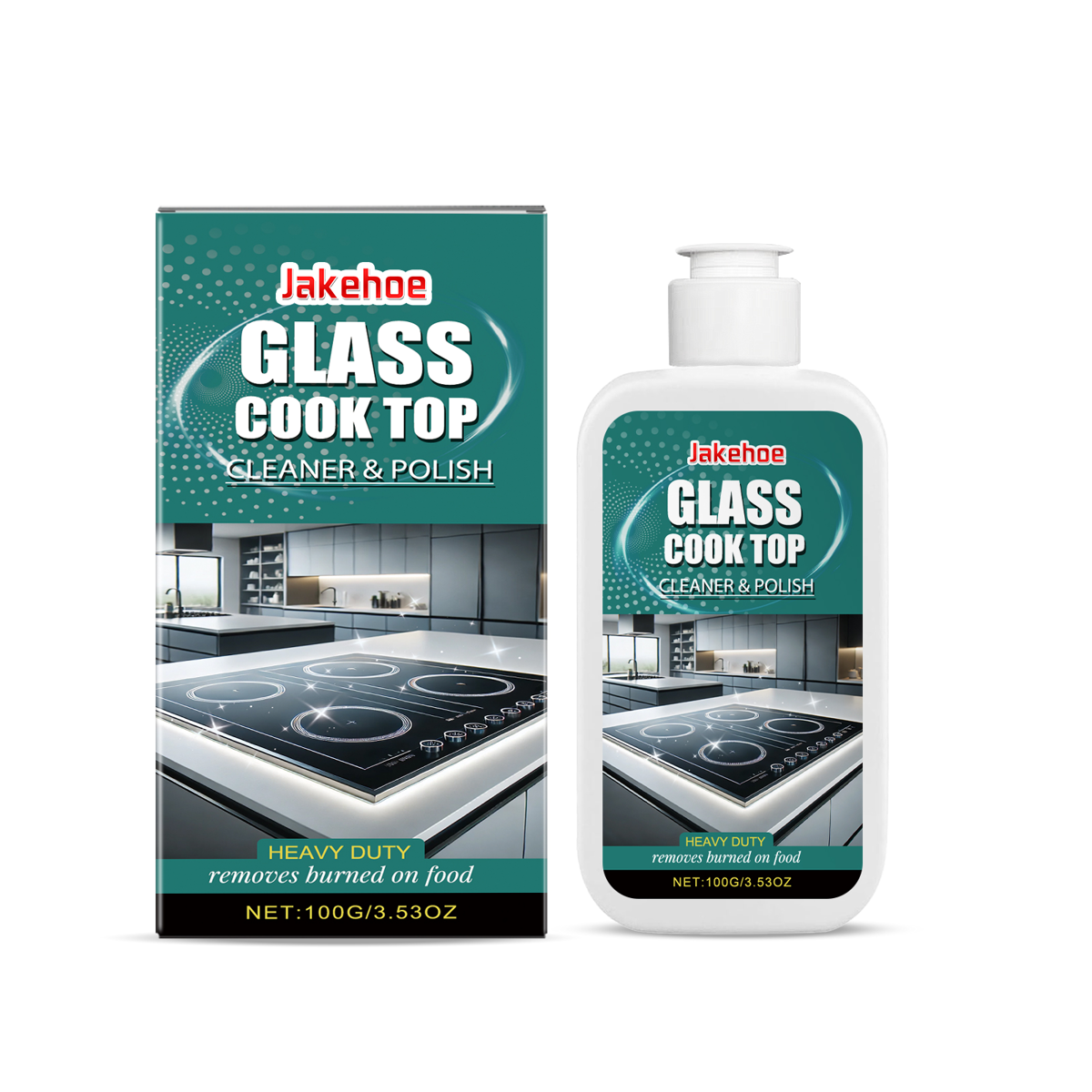 Jakehoe Glass Cooktop Cleaning Polish, Household Kitchen Electromagnetic Ceramic Decontamination$19.99View on Mallflare
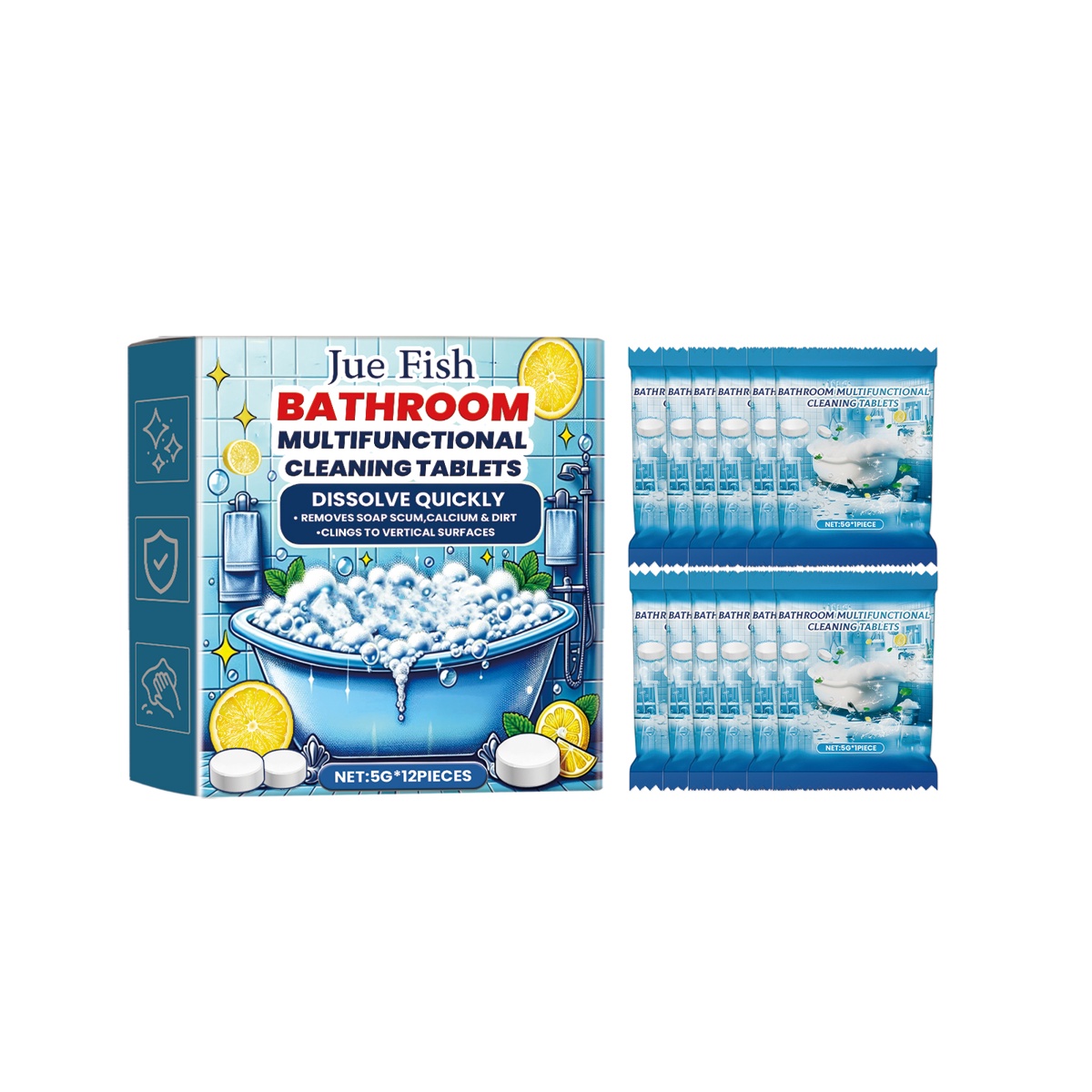 Jue-Fish Bathroom Cleaning Effervescent Tablet, Sink Decontamination Retaining Fragrance Glass Bathtub Scale Cleaner$19.99View on Mallflare
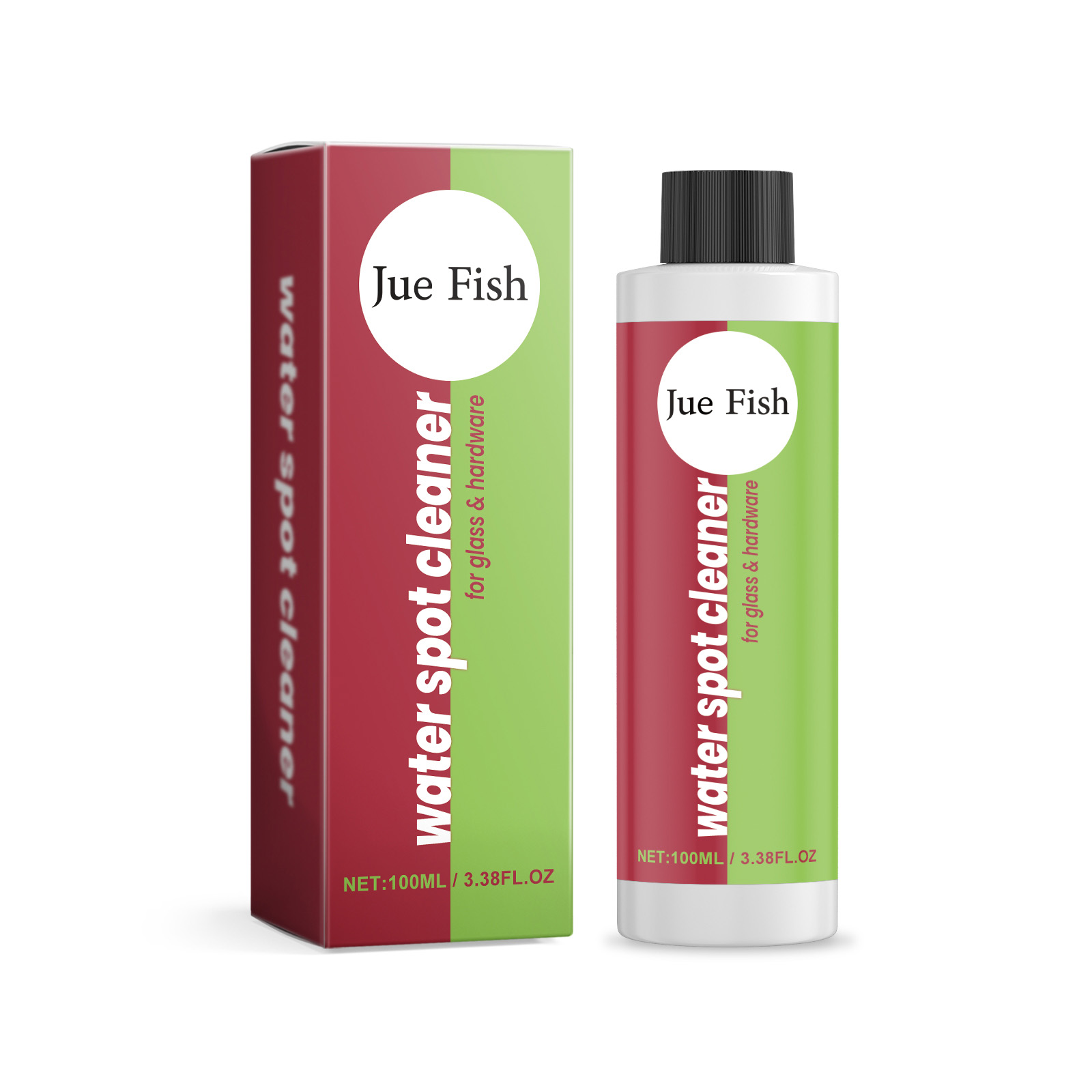 Jue-Fish Bathroom Water Stain Remover, Glass Door Bathtub Tile Scale Cleaning Cleaner$19.99View on Mallflare
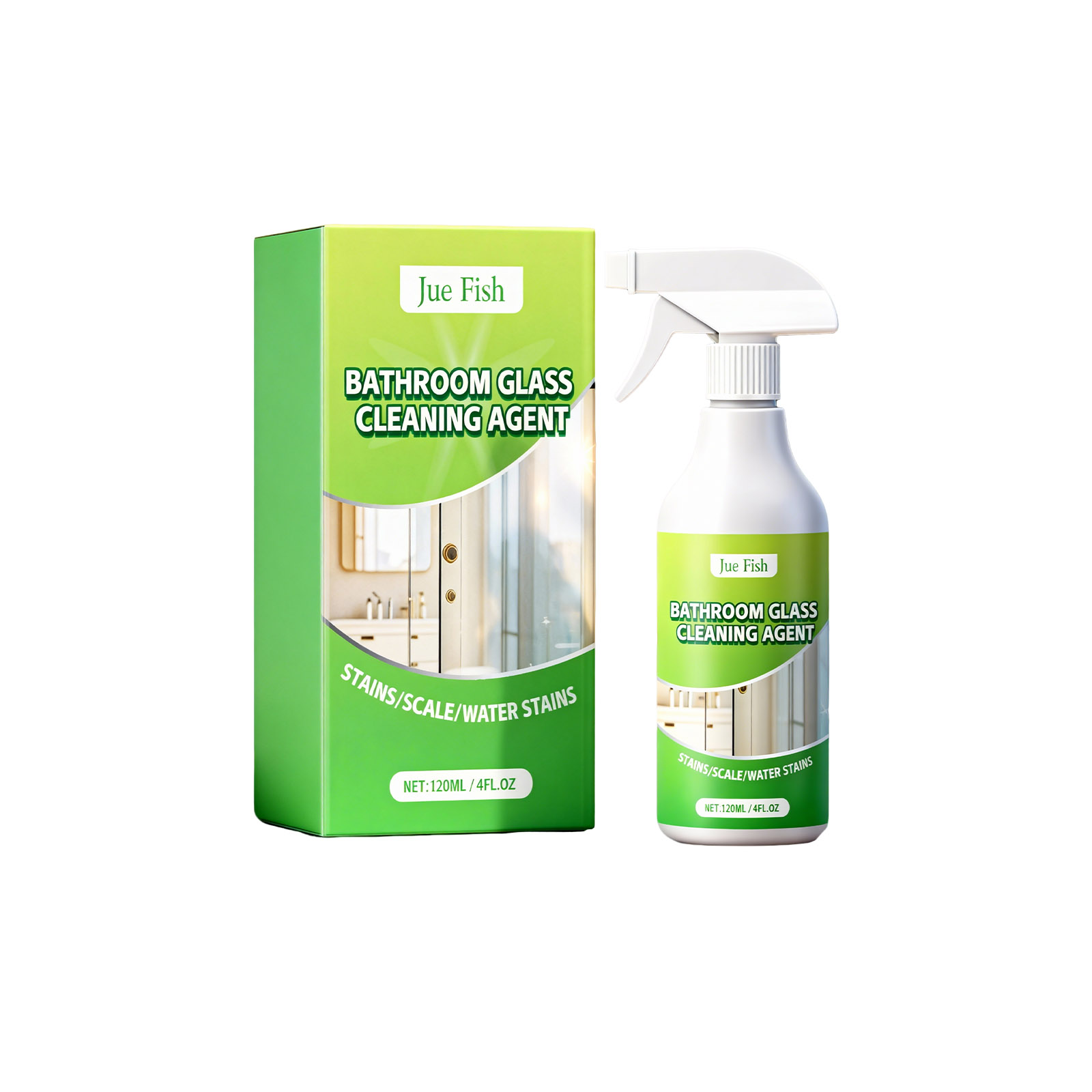 Jue Fish Household Bathroom Cleaner Is Suitable For Glass Tiles, Bathtubs, Faucets, Shower Heads, Water Stains And Rooms$19.99View on Mallflare
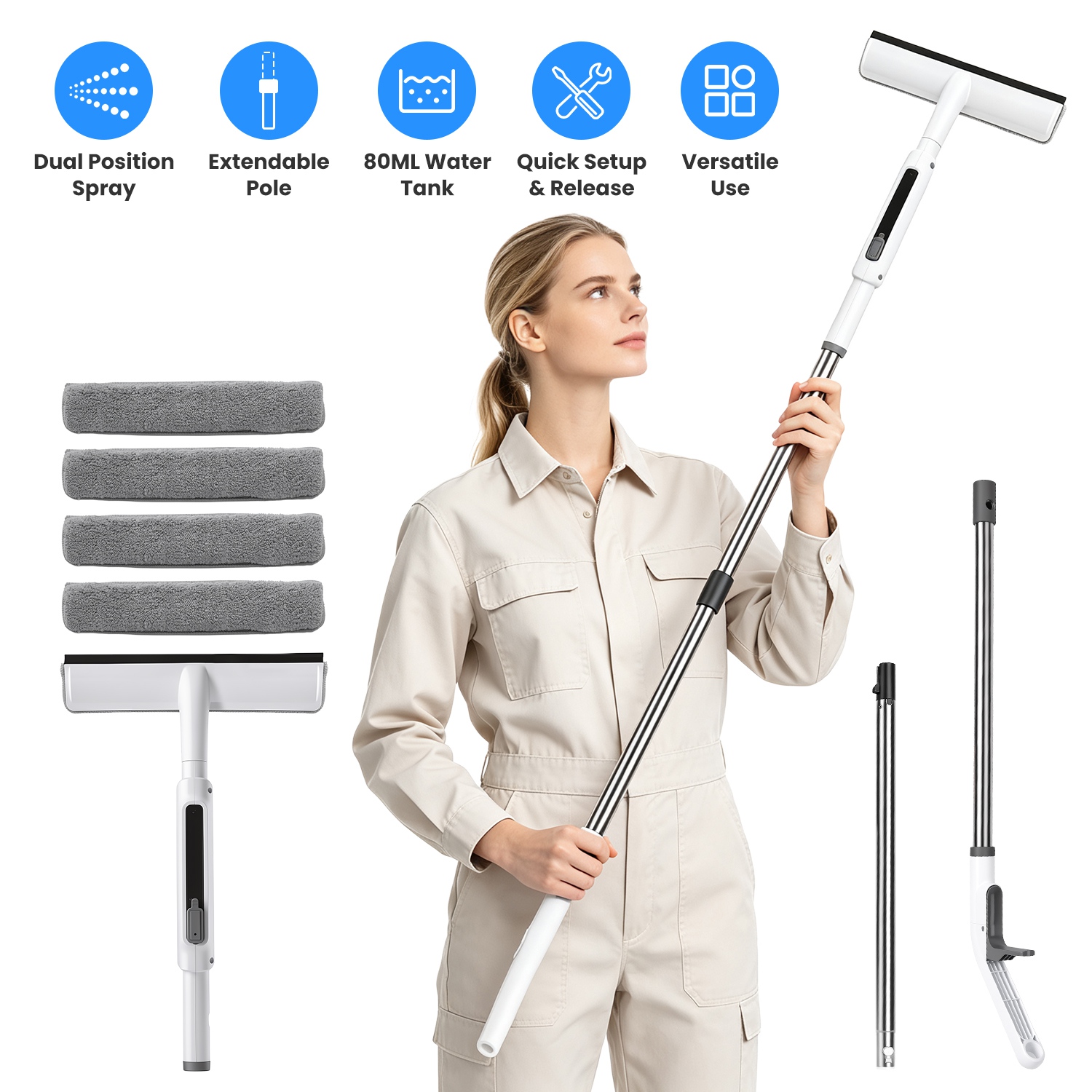 3 In 1 Spray Window Squeegee With Extendable Pole Cleaner Tool 80ml Water Tank Dual Trigger 5 Microfiber Pads Scraper For Windows Mirrors Shower Glass Car Windshields$36.99View on Mallflare
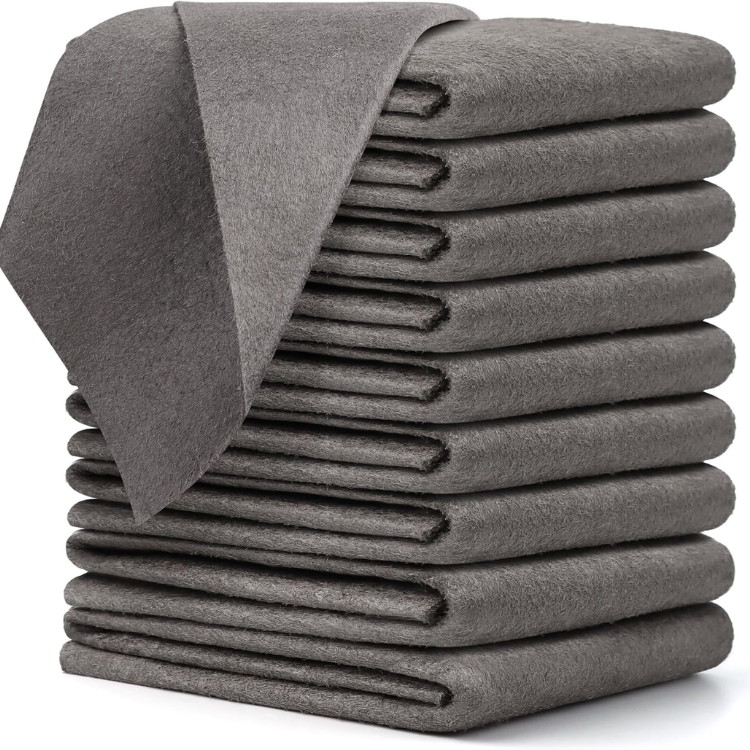 Thickened Magic Cleaning Cloth, Microfiber Streak Free Cloths Reuseable Wipes For Windows Glass$40.99View on Mallflare
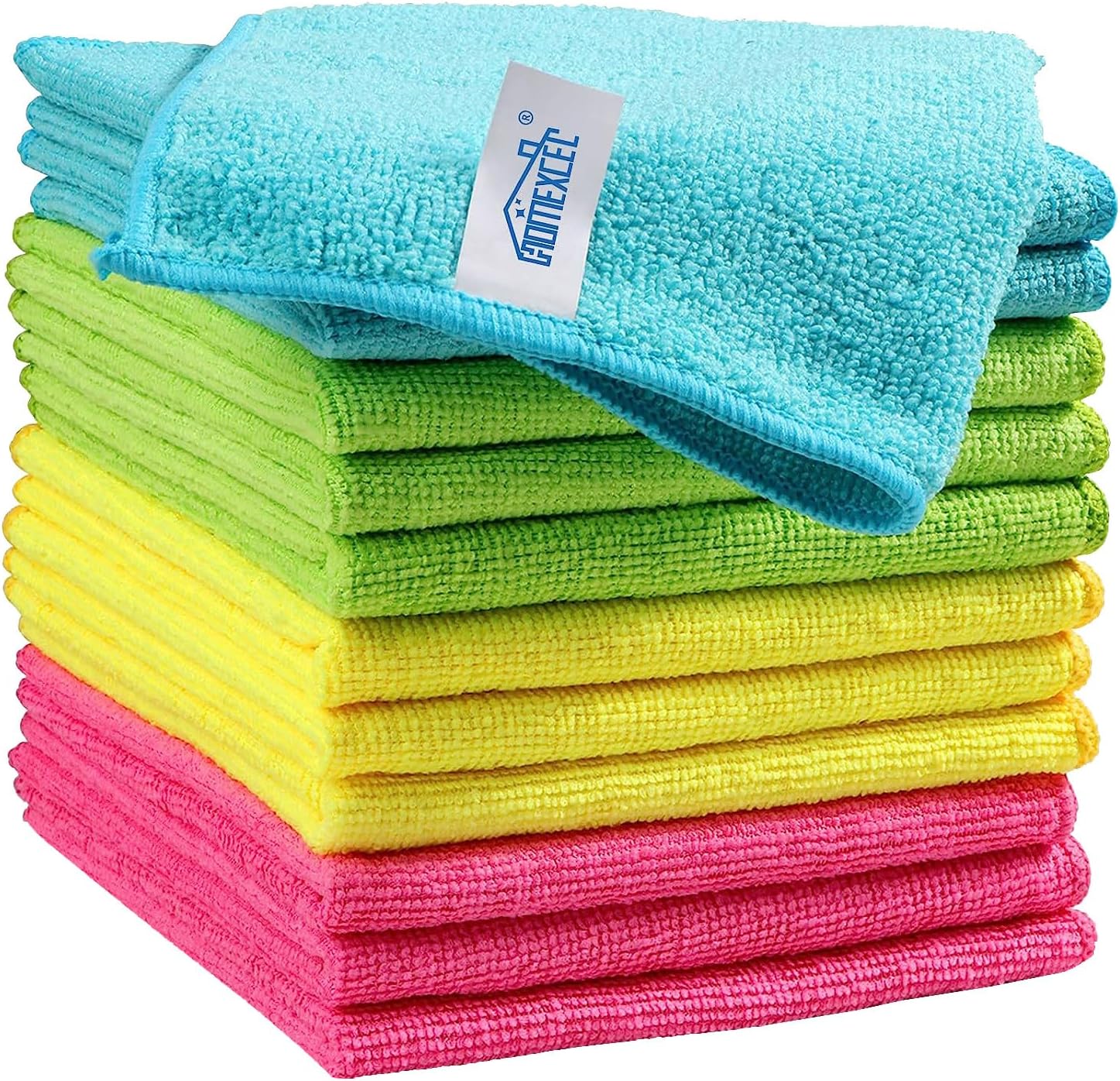 12 Pack Microfiber Cleaning Cloths, Reusable Rags For Home, Kitchen, Bathroom, Glass, Windows, Cars & Everyday$44.99View on Mallflare
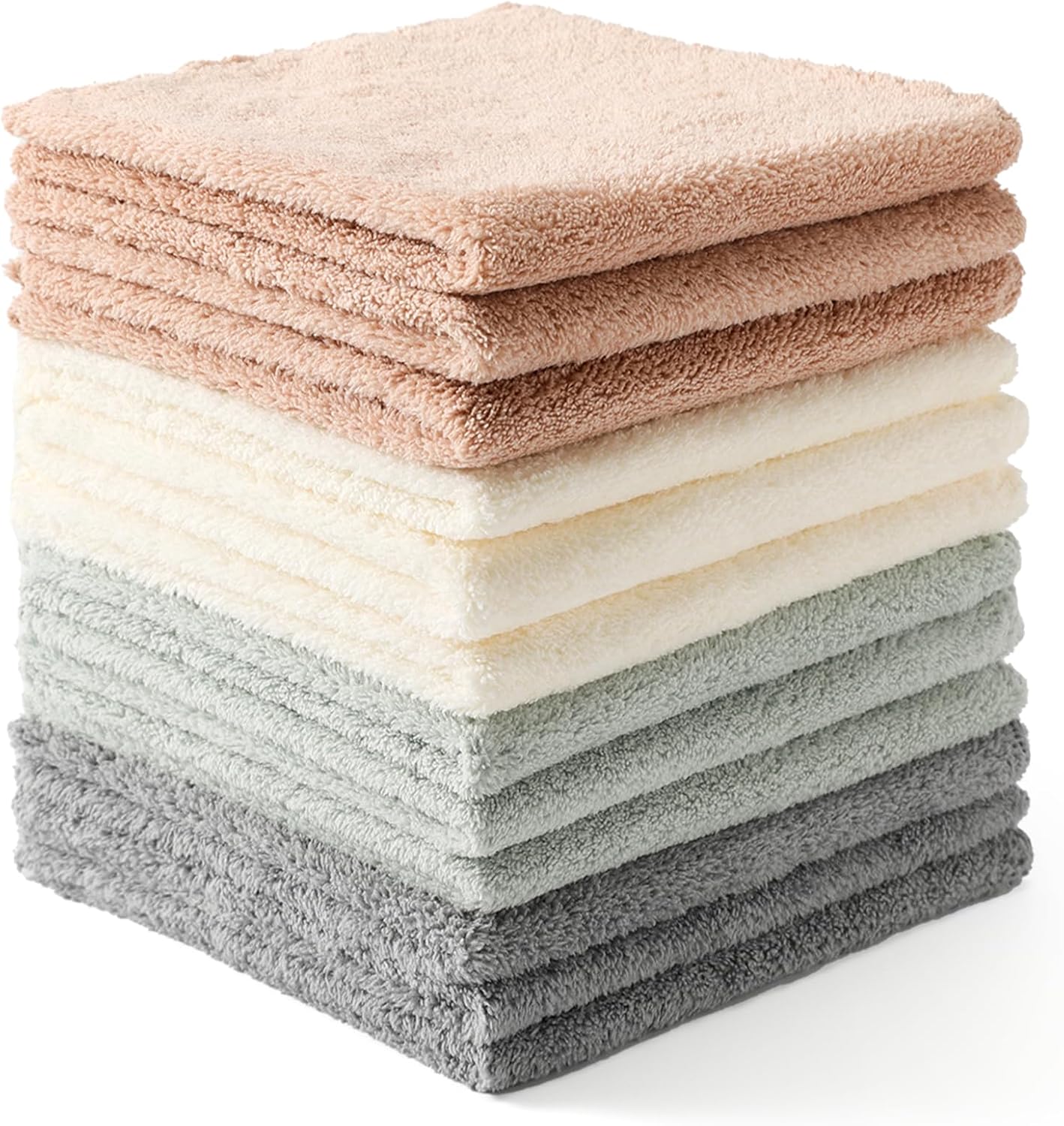 12 Pack Microfiber Cleaning Cloths, Ultra Soft Absorbent Quick Drying Reusable Washable Lint Free Towels For Kitchen, Glass & Car$45.99View on Mallflare
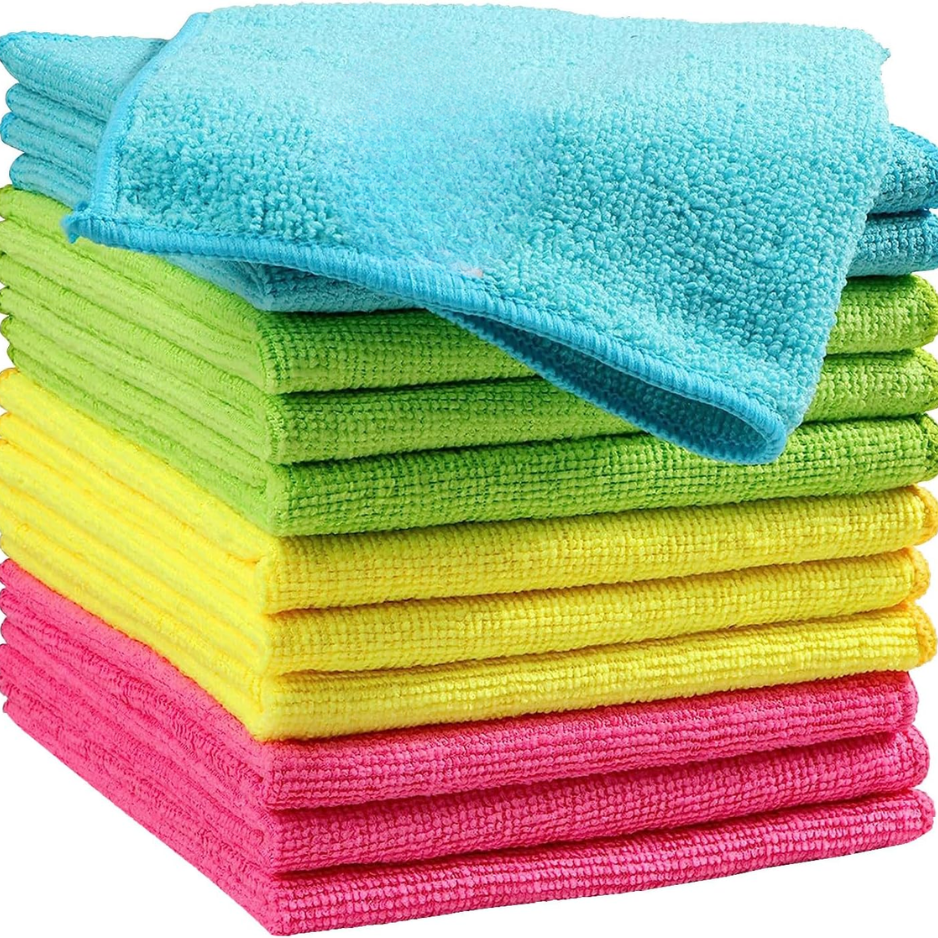 Cleaning Cloth 210GSM Pack Of 12 Ultra Soft High Density Non Abrasive Towels For Cars Glass$54.99View on Mallflare
Highlights
- Ammonia-based sprays dissolve hard-water calcium and magnesium films quickly; ammonia-free formulas rely on surfactants and chelators and are required for aftermarket window tint and some low-E coatings.
- Aerosol foaming cleaners (e.g., Invisible Glass in 22 oz cans) cling to vertical glass and reduce drip, while trigger sprays are better for large flat panes and refillable concentrate use.
- Chelating agents (EDTA, citric acid, gluconates) convert mineral deposits into soluble salts; without them, repeated wiping only redistributes hard-water rings.
- Concentrate tablets and refill pods cut plastic waste and shipping weight but demand exact water ratios; over-dilution leaves surfactant residue that streaks under sunlight.
Best use cases
- Best fit: ammonia-based aerosol or trigger spray for exterior windows, shower glass with visible calcium rings, and automotive windshields — skip on aftermarket tint film, where ammonia can haze the dye layer.
- Best fit: ammonia-free surfactant spray for interior mirrors, eyeglasses, tinted car windows, and touchscreens — skip on heavy mineral deposits, which need a chelating or acid-based descaler first.
- Best fit: concentrate tablets or refill pods for households cleaning glass weekly and wanting low packaging waste — skip if water hardness exceeds roughly 180 ppm, where distilled water is mandatory to avoid new spots.
- Best fit: squeegee plus cleaner combo for shower doors and large windows — skip on frosted or textured glass, where a microfiber cloth and spray clean without trapping water in the texture.
Buying tips
- Match formula to mineral load: if white spotting returns within days, the water is hard (often above 120-180 ppm calcium carbonate) and a chelating or acid-based cleaner is required over plain surfactant spray.
- For tinted or filmed glass, select explicitly ammonia-free products; ammonia and high-pH solvents can degrade polyester tint adhesive and low-E coatings over repeated use.
- Aerosol foam is best for vertical and overhead glass because it resists running; trigger sprays cover large panes faster and pair with a 10-inch squeegee for streak-free pulls.
- Buy concentrate tablets only if you will use distilled or filtered water — tap water minerals in the mix defeat the purpose and cause the same spotting the cleaner is meant to remove.
Specs
| Formula Base | Ammonia vs ammonia-free surfactant |
|---|---|
| Mineral Removal | Chelating/acidic vs plain surfactant |
| Delivery Format | Aerosol foam / trigger / tablet |
| Tint-Safe | Ammonia-free required for film |
Related searches
What to check before buying
- Measure your largest glass pane or shower door: a 10-inch squeegee suits doors up to about 30 inches wide; larger windows need a 12-14 inch squeegee or a spray-and-cloth method.
- Identify the glass type: aftermarket tint film, low-E coated windows, and mirrored surfaces need ammonia-free formulas; bare exterior glass tolerates solvent cleaners.
- Test your tap water hardness with a strip; above roughly 180 ppm, plan on distilled water for dilution and final rinse to prevent mineral spotting.
- Confirm the delivery format fits your routine: aerosol cans need vented storage and cannot ship by all methods; trigger sprays and tablets are easier to store and refill.
FAQ
Data sources: eBay / Amazon listings and product attribute feeds Data updated Nov 18, 2026.
Some links on this page are affiliate links. If you buy after clicking one, we may earn a commission at no extra cost to you. This does not change which products appear here or their order. Affiliate disclosure.