Photos from current listings. Actual item, color, and included accessories may vary.
Garbage Bag Buying Guide
Garbage bags are defined by resin grade, thickness (mil), and closure system, which together determine leak resistance and load capacity. The core trade-off is between thin, low-cost liners that tear under point loads and thicker, drawstring or star-seal bags that resist punctures and stay put on the can rim. Choose by matching bag capacity to can size and by selecting a thickness tier appropriate to waste type—food waste and sharp items demand 1.2 mil+ and a reinforced seal.

At a glance
- Category
- Household Cleaning & Paper Supplies
- Data updated
- Nov 18, 2026
Current offers
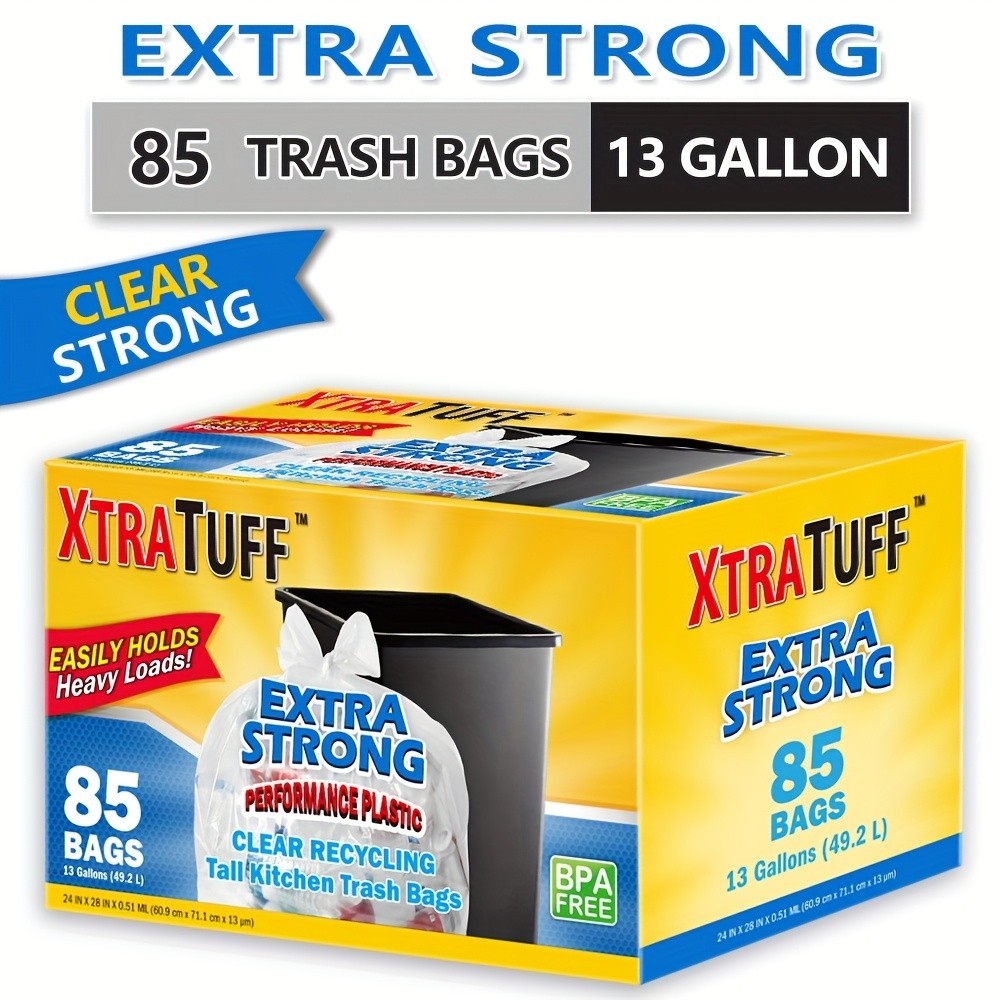 Recycling Trash Bags Clear 13 Gallon 85 Count Garbage Bags Packaging May Vary$3.99
 View on eBay
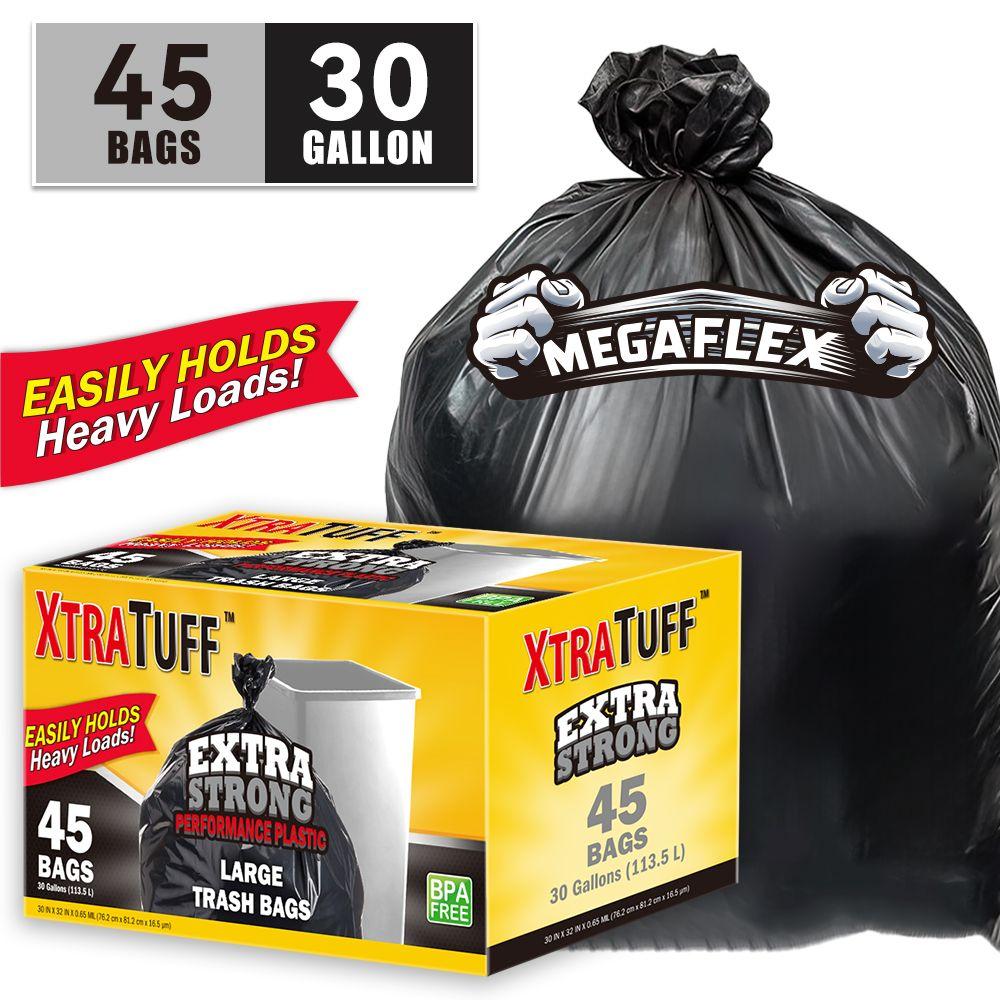 45 Extra-thick, Leak-proof Garbage Bags, Suitable For Home, Commercial, And Various Other Uses. A Great Helper For Cleaning.$38.99
 View on Mallflare
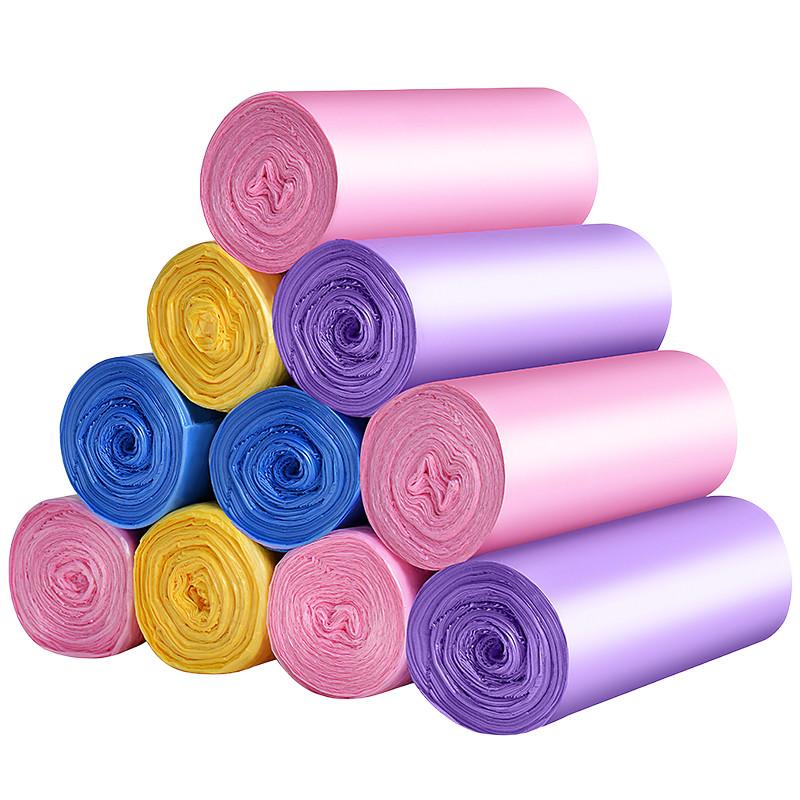 Trash Bags 4Gallon 10Rolls, 170- 200 Count Garbage Bags for Home Kitchen Office$7.79View on eBay
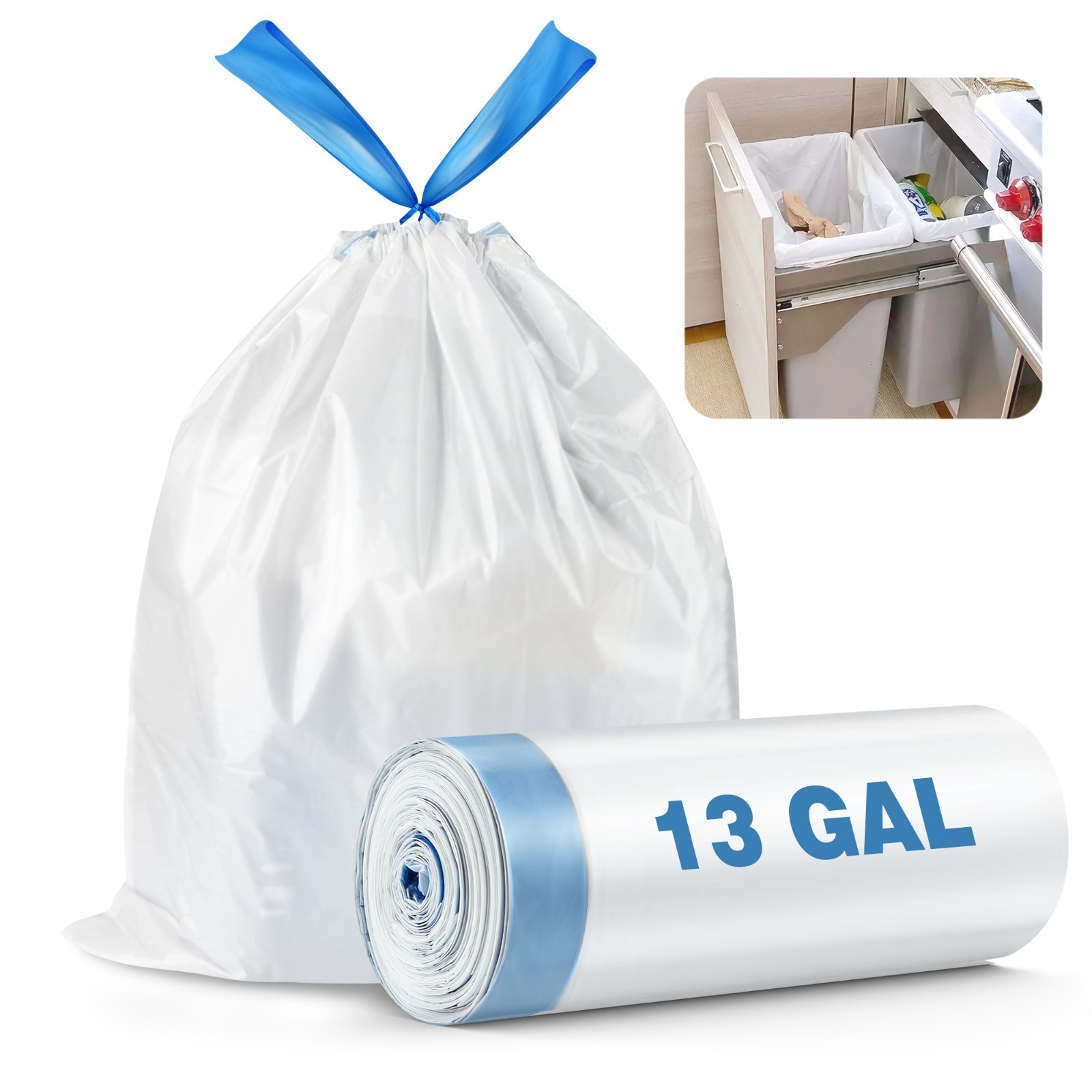 13 Gallon 40pcs Strong Drawstring Trash Bags Garbage Bags White$7.98View on eBay
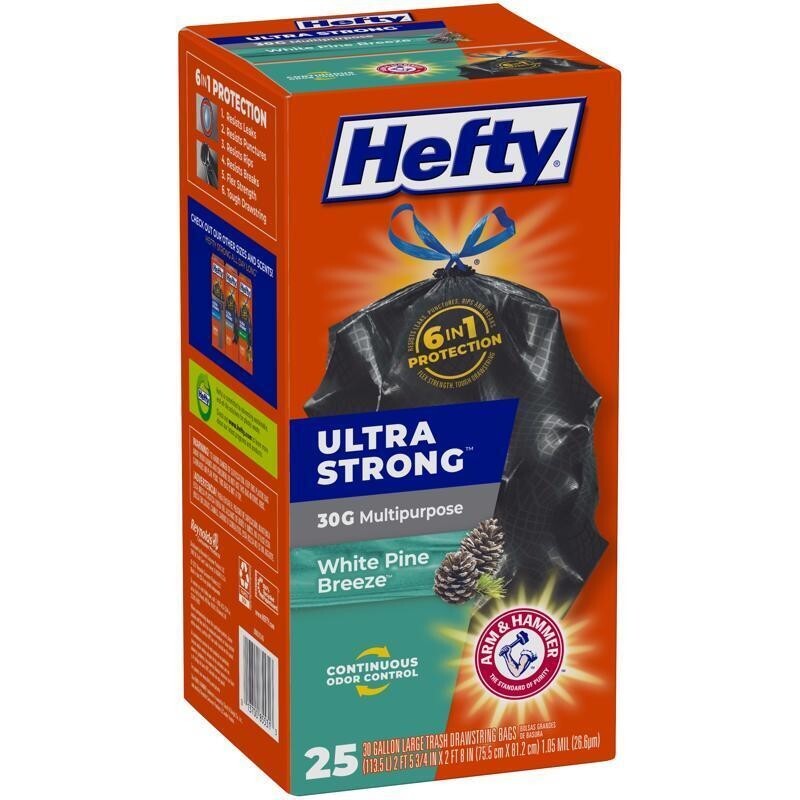 Hefty Ultra Strong Large Trash Garbage Bags 30 Gallon, 25pc Pine Breeze$14.95View on eBay
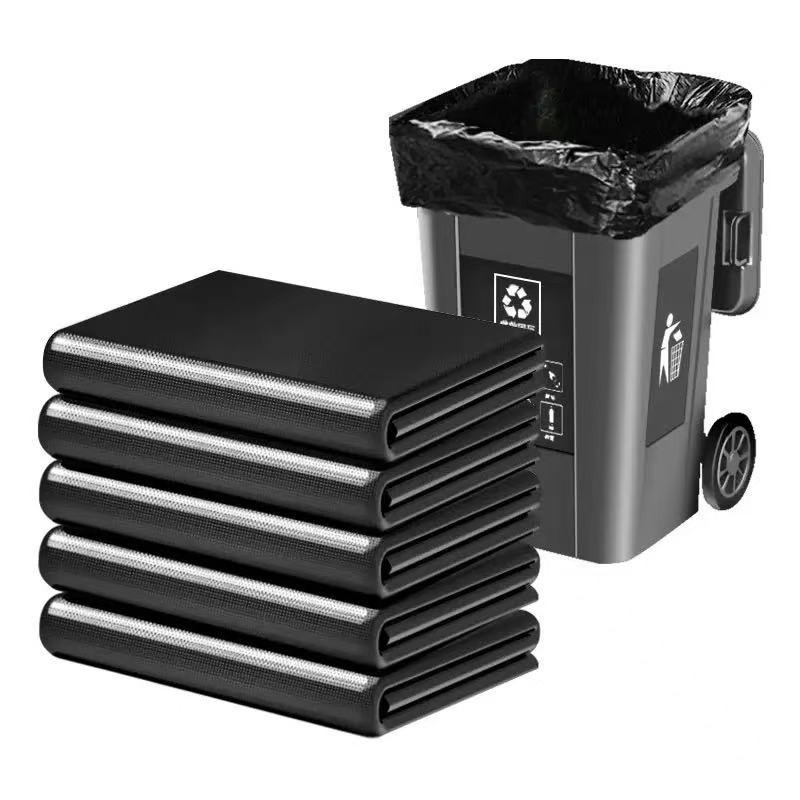 40 Gallon Heavy Duty Thick Black Garbage Bags, 100 Count Household Trash Bags$20.55View on eBay
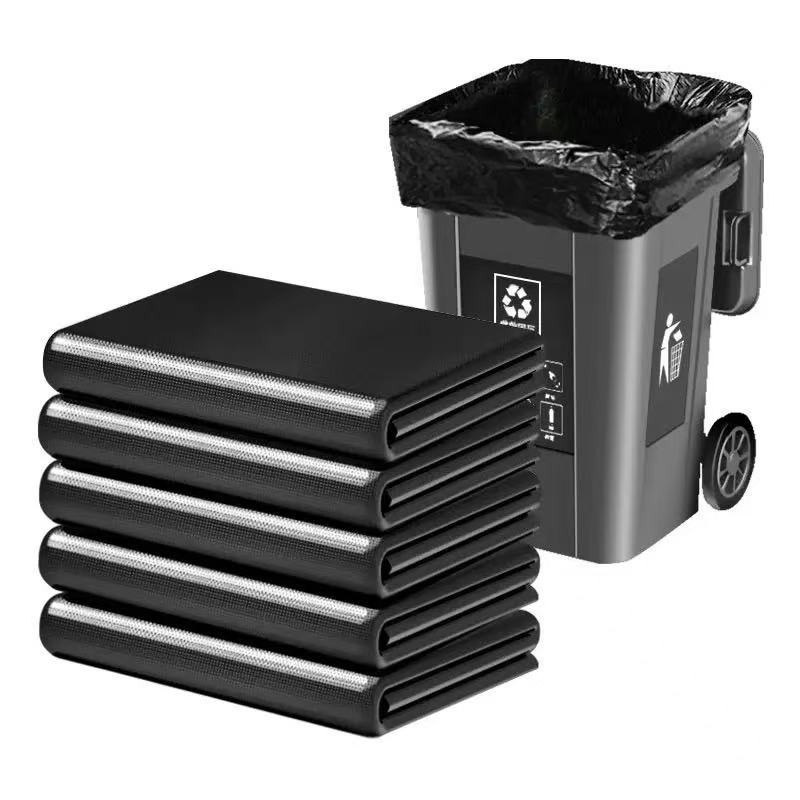 Heavy Duty New Thick Black Garbage Bags 40 Gallon 100 Count Household Trash Bags$21.08View on eBay
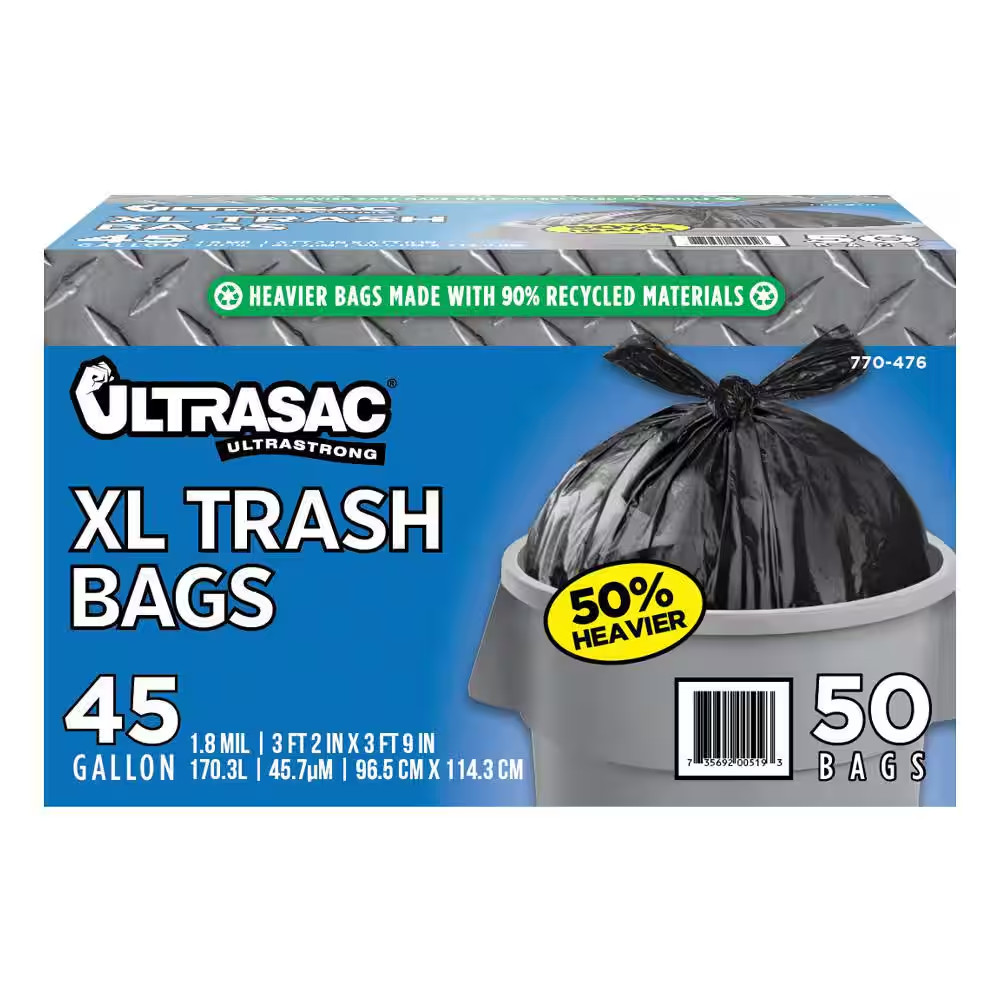 New 45 Gal Contractor Trash Bags 50 Count Heavy Duty Extra Large Garbage Bags$24.99View on eBay
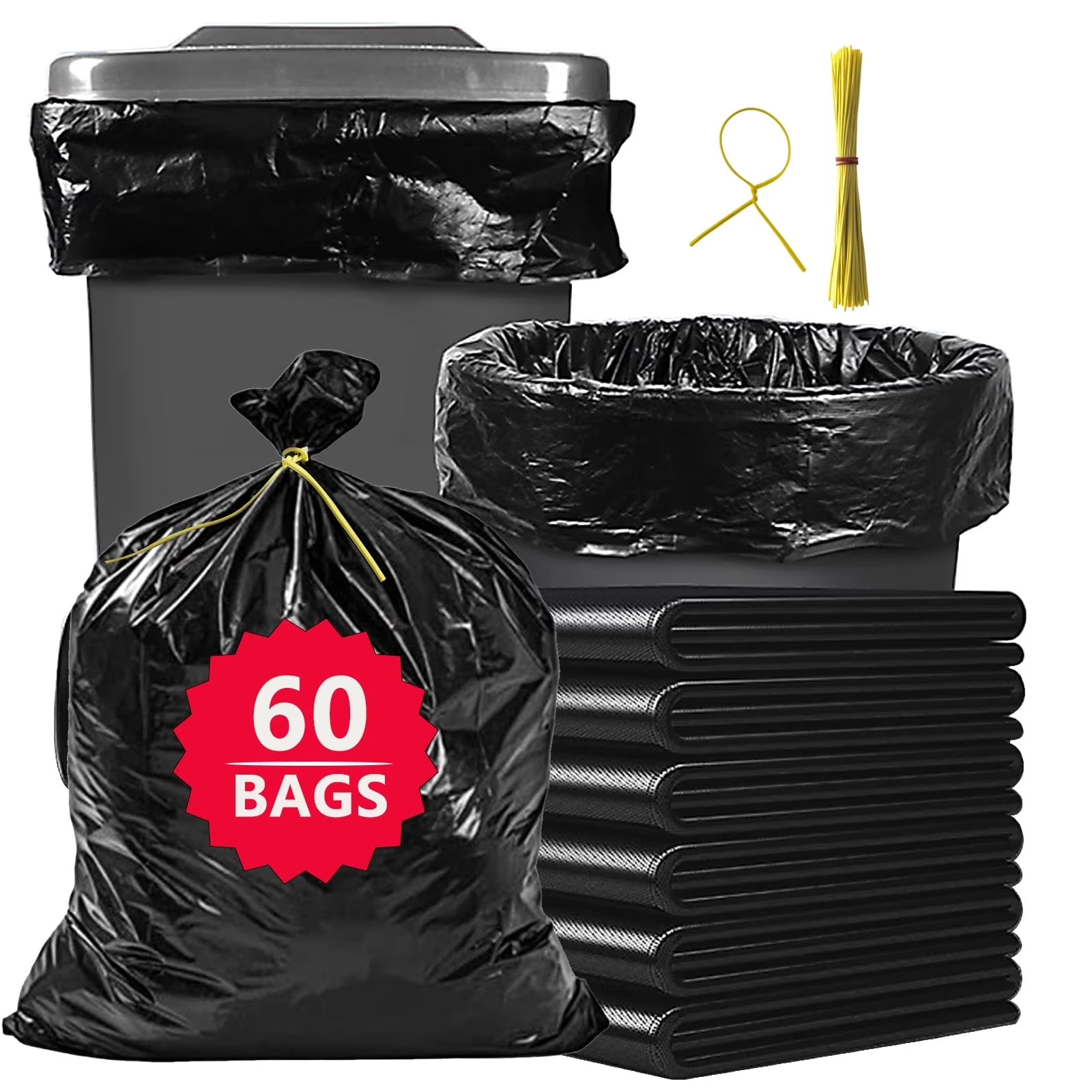 55 Gallon Heavy Duty Trash Bags 60 Ct Outdoor Garbage Bags with Ties$24.99View on eBay
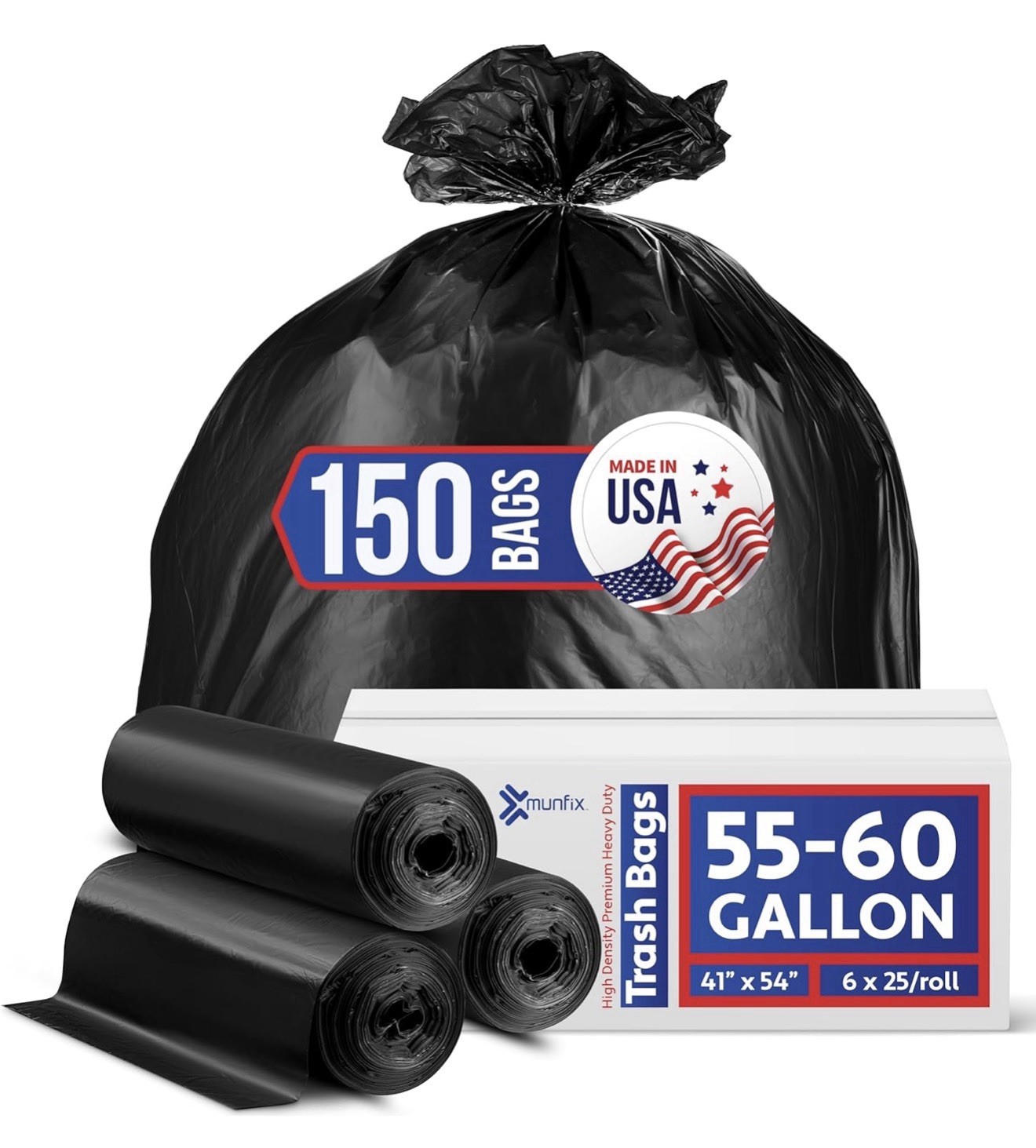 55-60 Gallon Trash Bags Heavy Duty - Bulk 150 Pack Large Garbage Bags - Big$39.99View on eBay
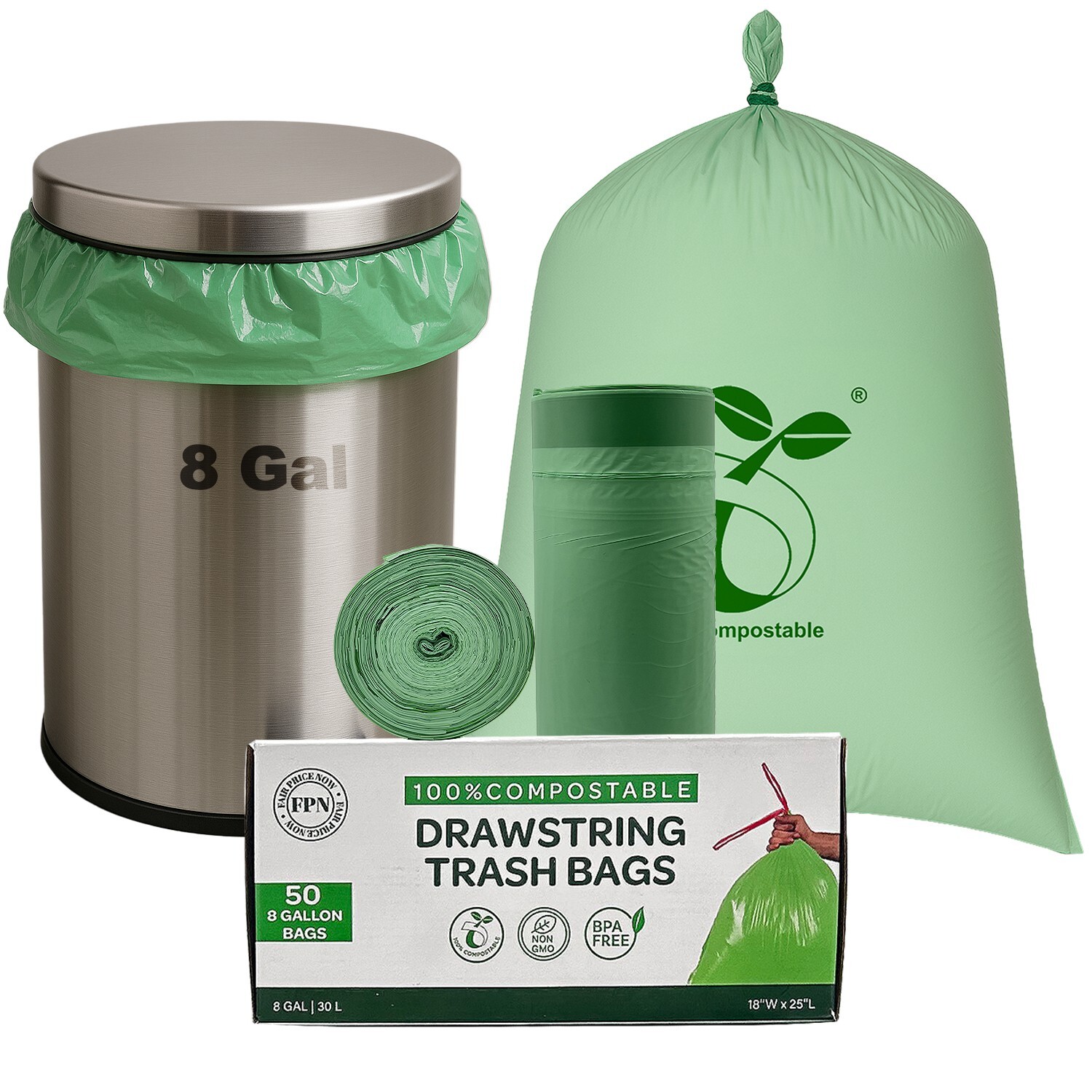 Trash Bags 100% Compostable Durable Garbage Bags 3, 8, 13 & 30 Gallon 0.67 Mil$49.99View on eBay
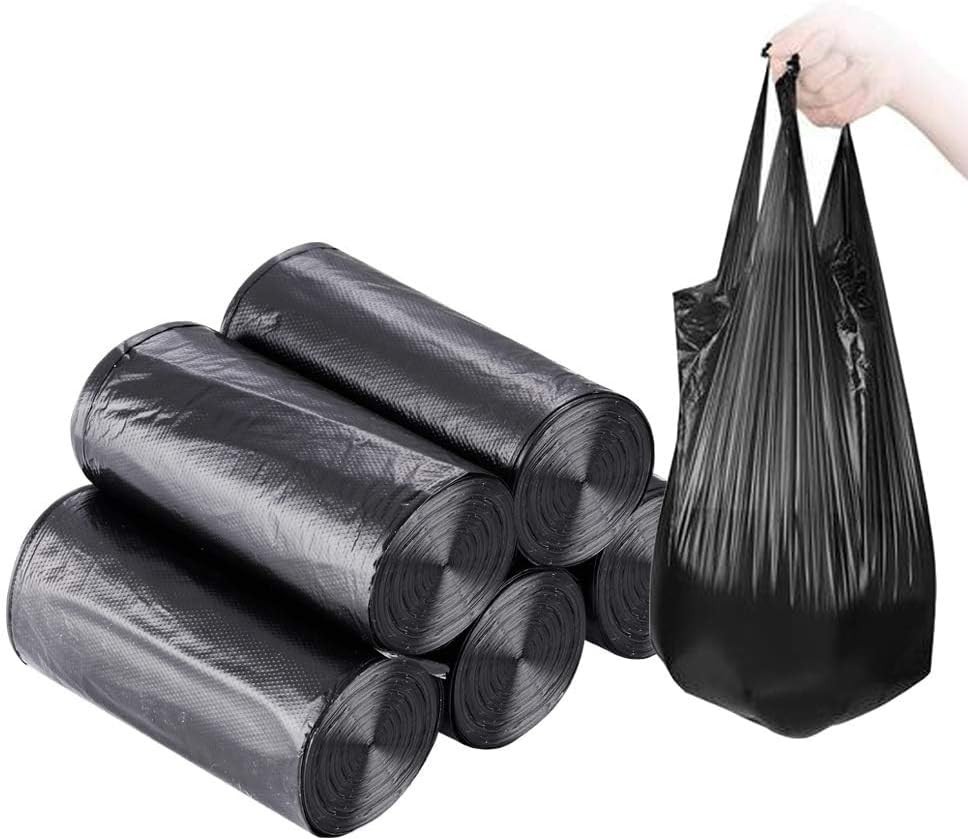 100 PCS 4 Gallon Trash Bags Kitchen Trash Bags Small Garbage Rubbish Bags 5 Roll$9.99View on eBay
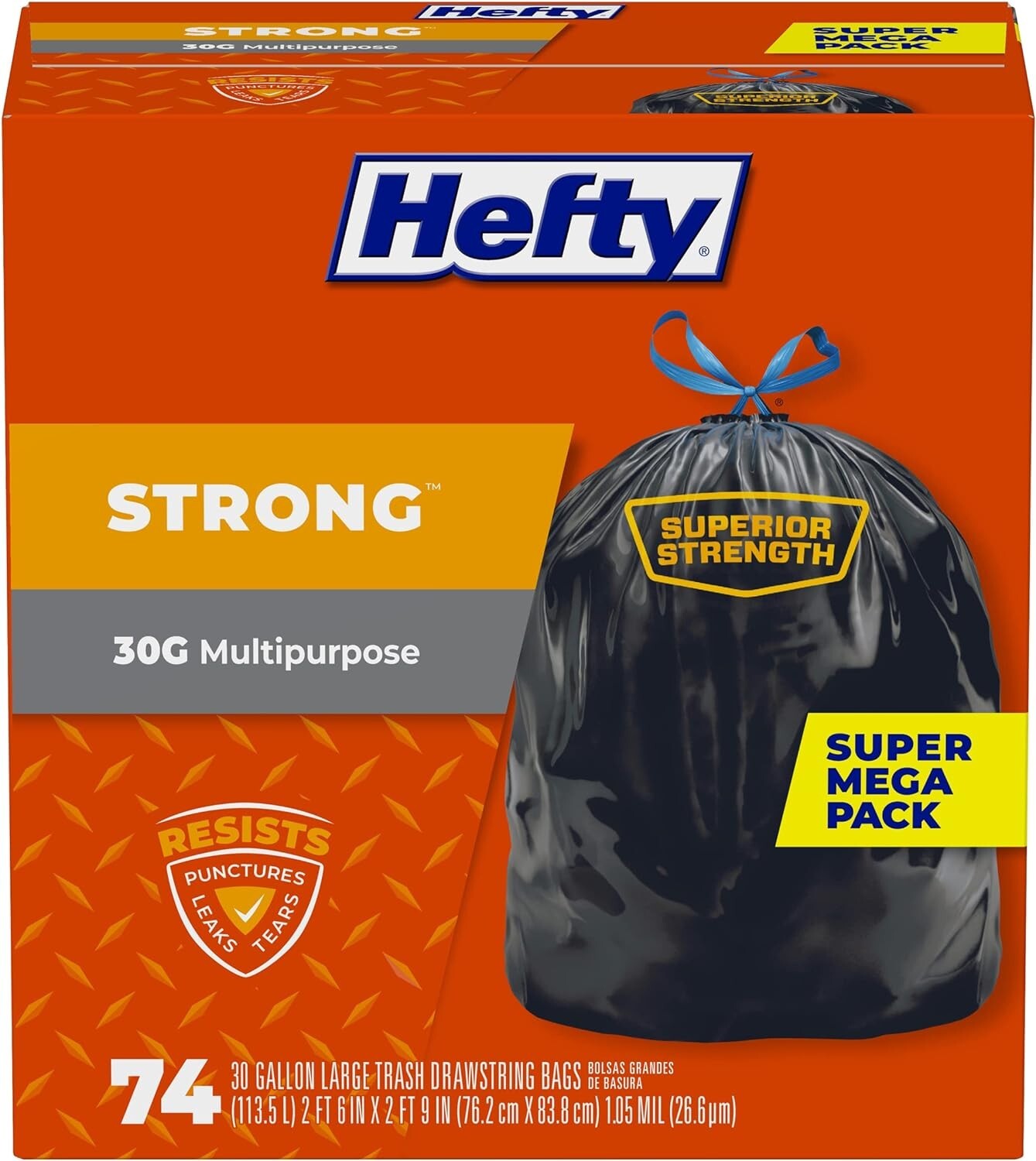 Hefty Strong Multipurpose Large Trash Bags 30 Gallon, 74 Count Dispose Garbage!!$39.99View on eBay
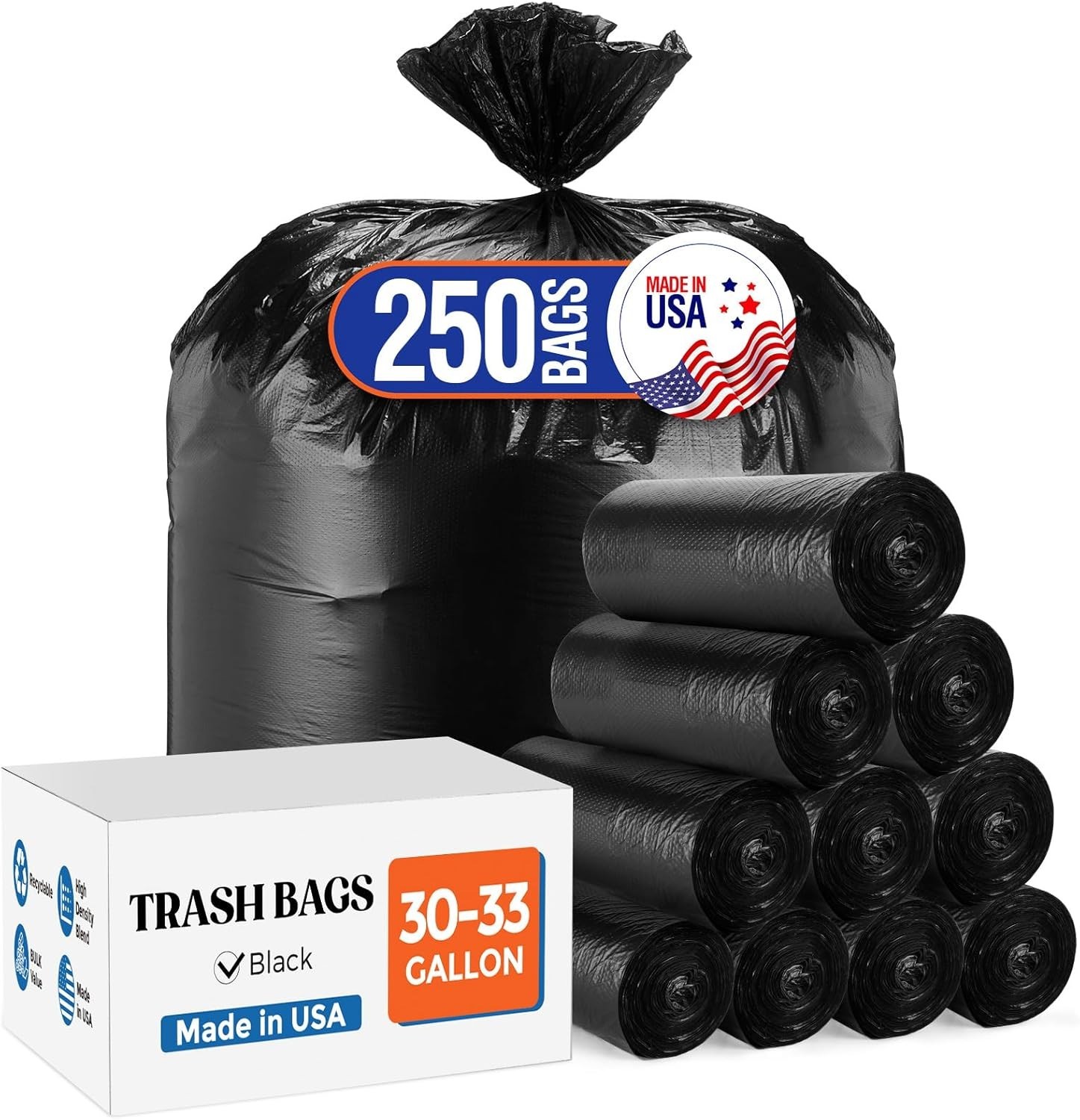 30-33 Gallon Black Trash Bags Kitchen Garbage Rubbish Bags 250Bags 32x38" Medium$43.99View on eBay
Highlights
- Resin grade separates linear low-density polyethylene (LLDPE) bags, which stretch and resist punctures, from high-density polyethylene (HDPE) bags, which are thinner and cheaper but tear easily at stress points.
- Thickness is measured in mil (thousandths of an inch): 0.4–0.6 mil suits light office/paper waste, 0.8–1.0 mil handles everyday kitchen refuse, and 1.2–2.0 mil is required for heavy-duty, contractor, or outdoor use.
- Closure systems differ materially: drawstring bags have a integrated plastic tie that cinches and lifts, star-seal bags distribute stress across a molded bottom for superior leak containment, and flat-tie or twist-tie bags are the least secure.
- Compostable bags must meet ASTM D6400 or EN 13432 certification for industrial composting; 'biodegradable' or 'degradable' plastic bags without these certifications do not break down reliably and should be avoided for food-waste diversion.
Best use cases
- Kitchen and household food waste: choose 13-gallon drawstring bags at 0.9–1.2 mil with a star-seal or reinforced bottom; skip 4-gallon thin liners, which tear under food weight and leak.
- Small-bathroom or office bins: pick 4-gallon flat or drawstring bags at 0.5–0.8 mil; skip 30-gallon bags, which waste material and slip off small rims.
- Outdoor, yard, or contractor debris: select 40–55 gallon heavy-duty bags at 1.5–2.0 mil with tie closures; skip standard 13-gallon kitchen bags, which puncture on branches and construction scrap.
- Recycling separation: use clear 13-gallon bags so contents are visible to haulers; skip black opaque bags, which many municipal recycling programs reject at curbside.
Buying tips
- Match bag capacity to can volume: a 13-gallon bag fits a standard 12–13 gallon kitchen can, a 30-gallon bag fits a 30-gallon can, and a 55-gallon bag fits a 55-gallon drum—never size down, as the bag will slip inside the can.
- For sharp or heavy loads, require at least 1.2 mil thickness and a star-seal bottom; below 0.8 mil, bags are prone to puncture and seam failure under point loads.
- Check the closure type before buying: drawstring bags cost more but eliminate the need for separate ties and hold securely on the rim; flat-tie bags are cheaper but require manual knotting and sag.
- For compostable claims, look for ASTM D6400 or EN 13432 printed on the package—bags labeled only 'biodegradable' do not meet municipal composting standards and contaminate compost streams.
Specs
| Thickness (mil) | 0.4–0.6 light / 0.9–1.2 kitchen / 1.5–2.0 heavy-duty |
|---|---|
| Capacity (gallons) | 4 / 8 / 13 / 30 / 40 / 55 gal |
| Closure Type | Drawstring / Star-seal / Flat-tie |
| Resin / Certification | LLDPE vs HDPE; ASTM D6400 compostable |
Related searches
What to check before buying
- Measure your can's height and rim diameter: bag height should exceed can height by at least 3–4 inches so the bag can fold over the rim and stay put.
- Confirm the bag's gallon capacity matches or slightly exceeds your can's stated volume—a 13-gallon bag in a 13-gallon can leaves no slack for overfilling.
- For outdoor or garage use, verify the bag is UV-stabilized or rated for outdoor use if it will sit in sunlight; standard indoor bags degrade and tear when exposed to sun.
- If your municipality requires clear bags for recycling or yard waste, buy clear bags explicitly labeled for that purpose—black or colored bags are rejected in many curbside programs.
FAQ
Data sources: eBay / Amazon listings and product attribute feeds Data updated Nov 18, 2026.
Some links on this page are affiliate links. If you buy after clicking one, we may earn a commission at no extra cost to you. This does not change which products appear here or their order. Affiliate disclosure.