Photos from current listings. Actual item, color, and included accessories may vary.
Foam Cleaner Buying Guide
Foam cleaners are aerosol or pump-spray formulas that cling to vertical surfaces long enough to dissolve soap scum, grease, and mineral scale before wiping. The core trade-off is surfactant strength versus surface safety: alkaline foams cut grease but can etch natural stone or dull clear plastics, while mild acidic foams remove scale but underperform on kitchen oils. Buy a dedicated bathroom or kitchen foam matched to your soil type and surface material; skip generic 'multi-surface' foams when you need heavy-duty scale or grease removal.

At a glance
- Category
- Household Cleaning & Paper Supplies
- Data updated
- Nov 18, 2026
Current offers
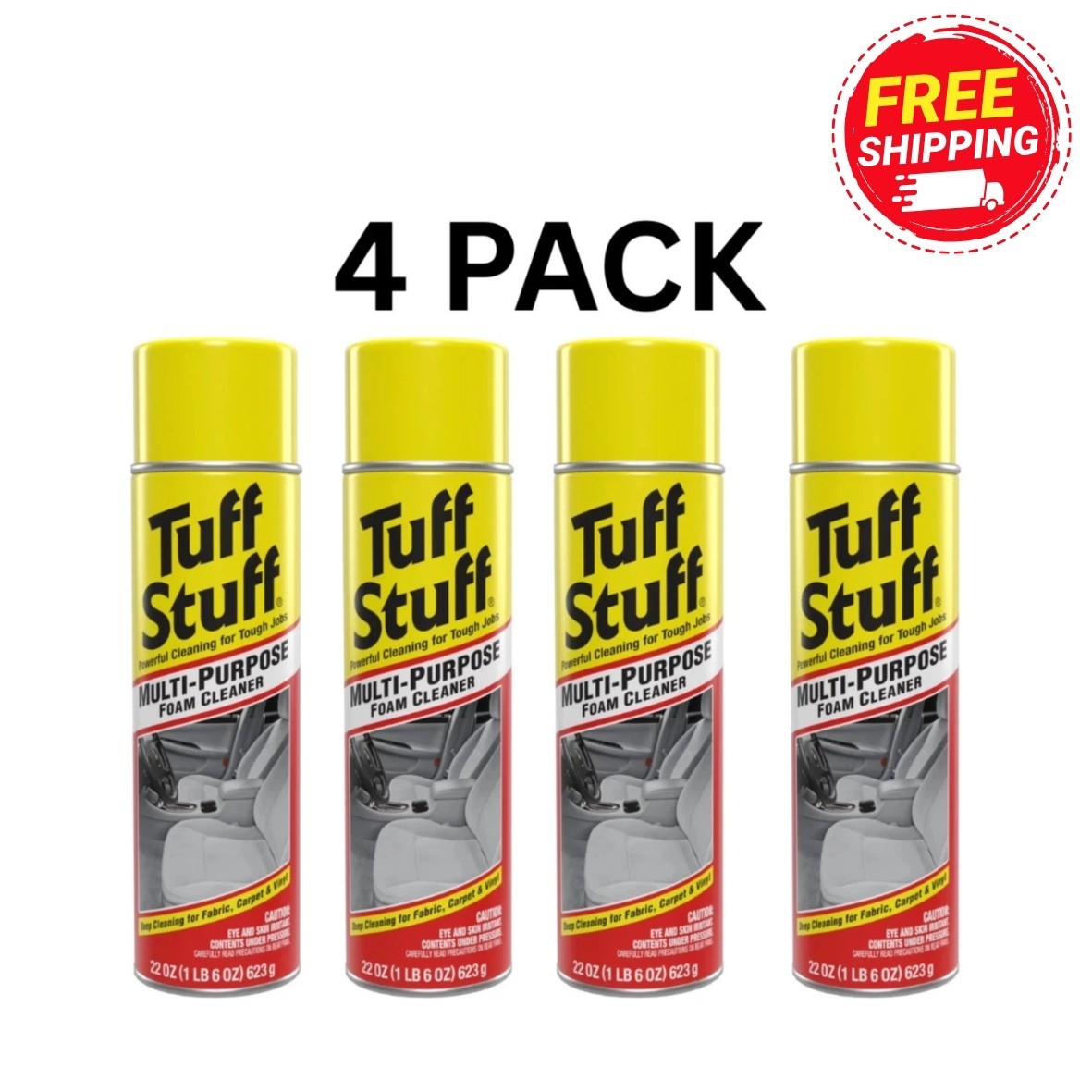 4 pack Tuff Stuff Multi Purpose Foam Cleaner for Car Detailing, 22 oz$13.48
 View on eBay
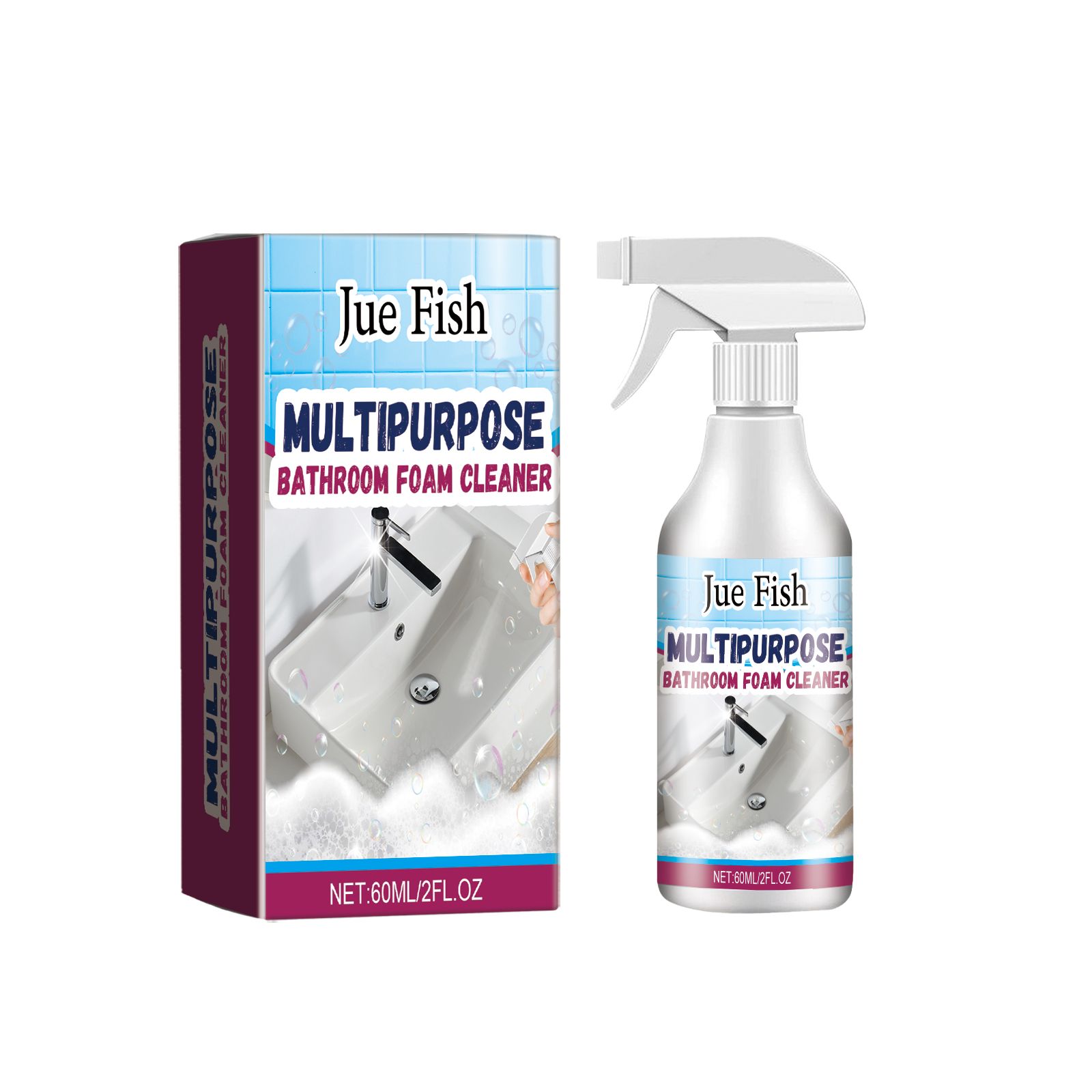 JUE FISH Bathroom Foam Cleaner Spray, 60 ml / 1 Bottle$14.99
 View on Mallflare
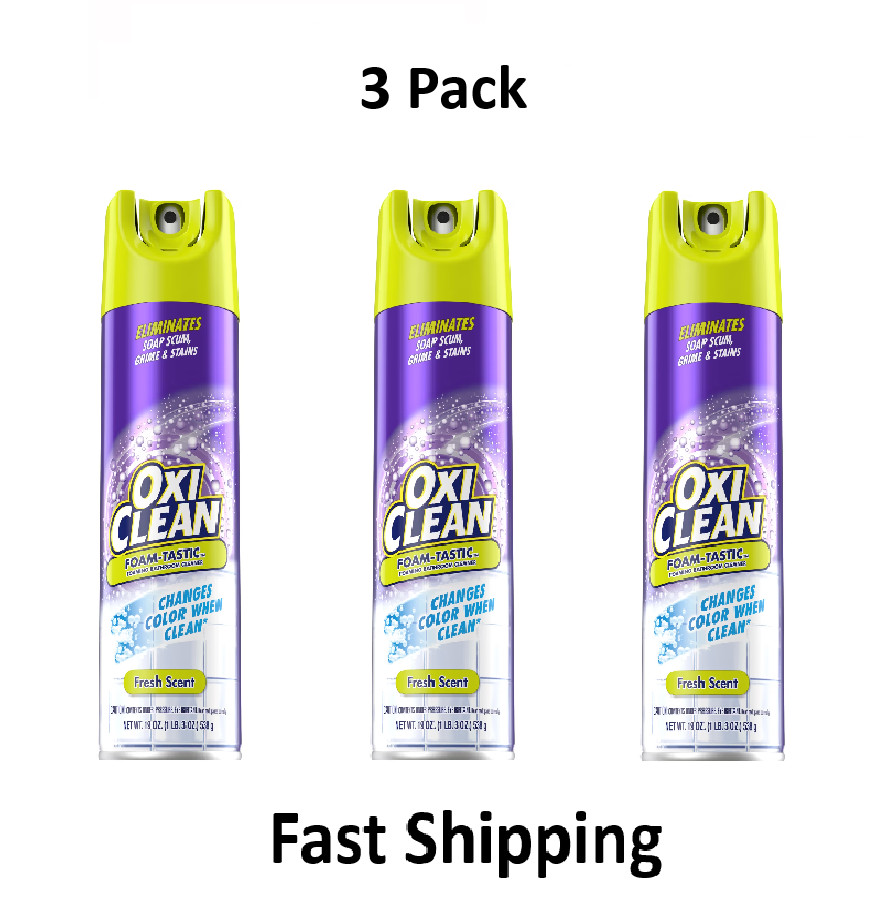 OxiClean Foam-Tastic Bathroom Cleaner, 19 Oz, 3 Pack, Fresh Scent$11.99View on eBay
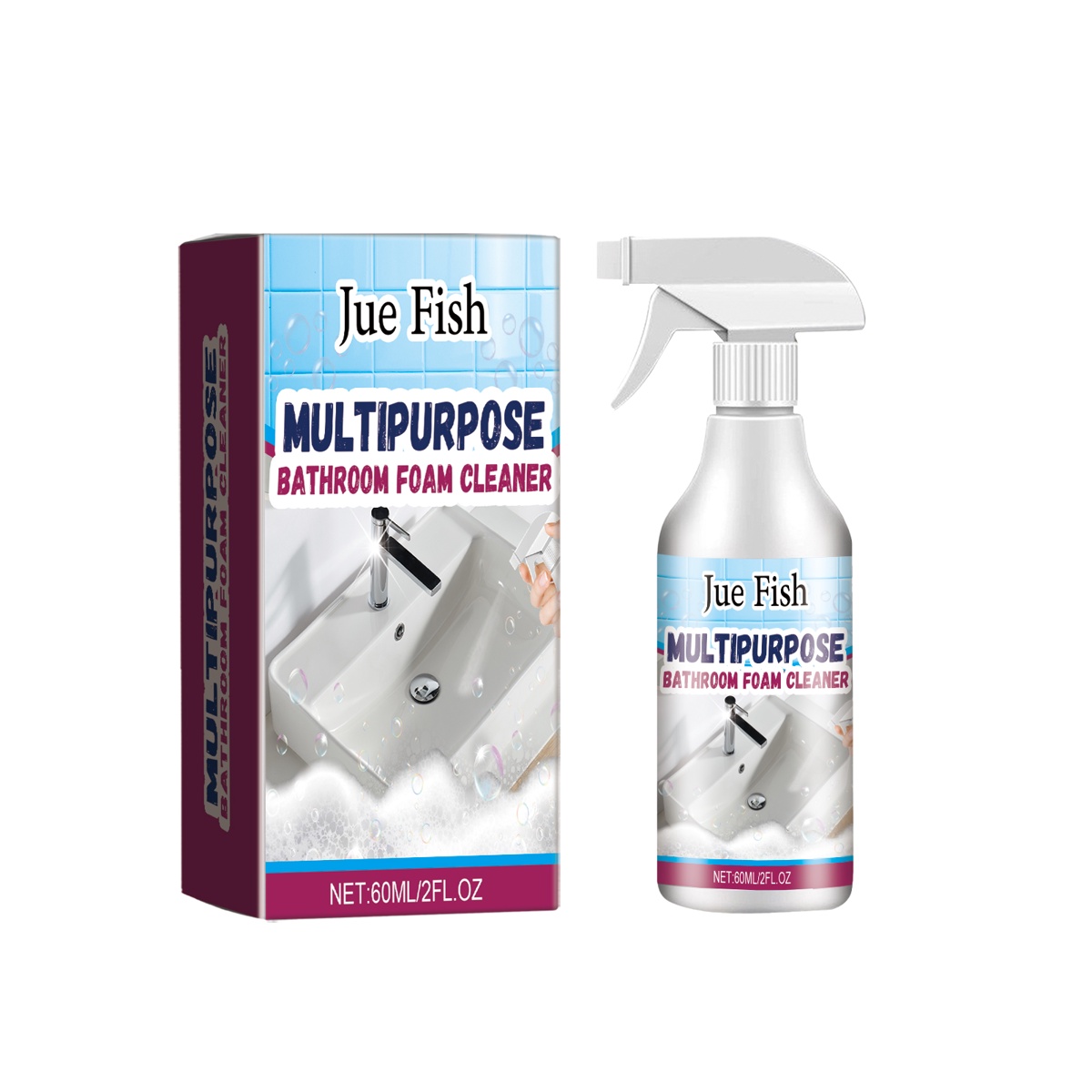 Jue-Fish Bathroom Foam Cleaner, Clean Bath Glass Door Stains And Scale Cleaning$19.99View on Mallflare
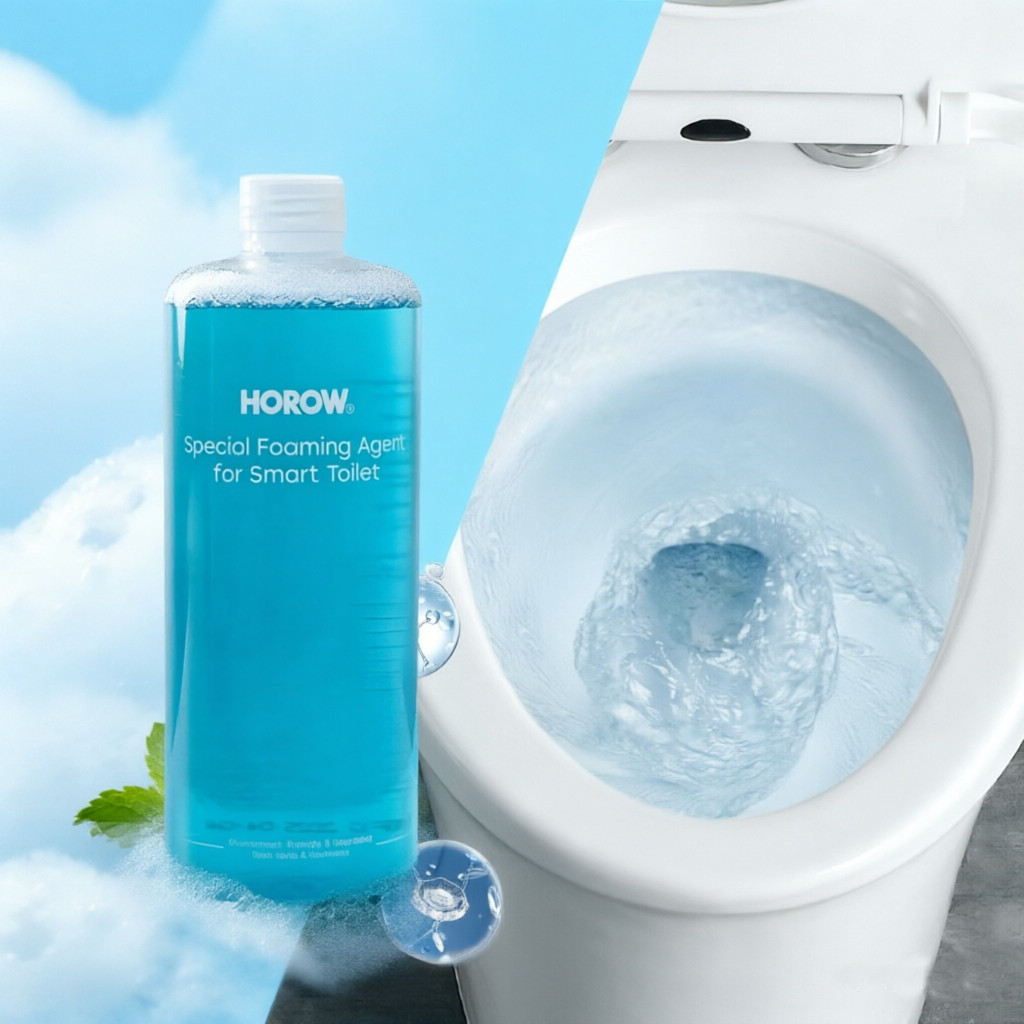 HOROW 2x Splash Toilet Cleaner Foam Shield Smart Toilet Special Foam Agent 480ML$35.29View on eBay
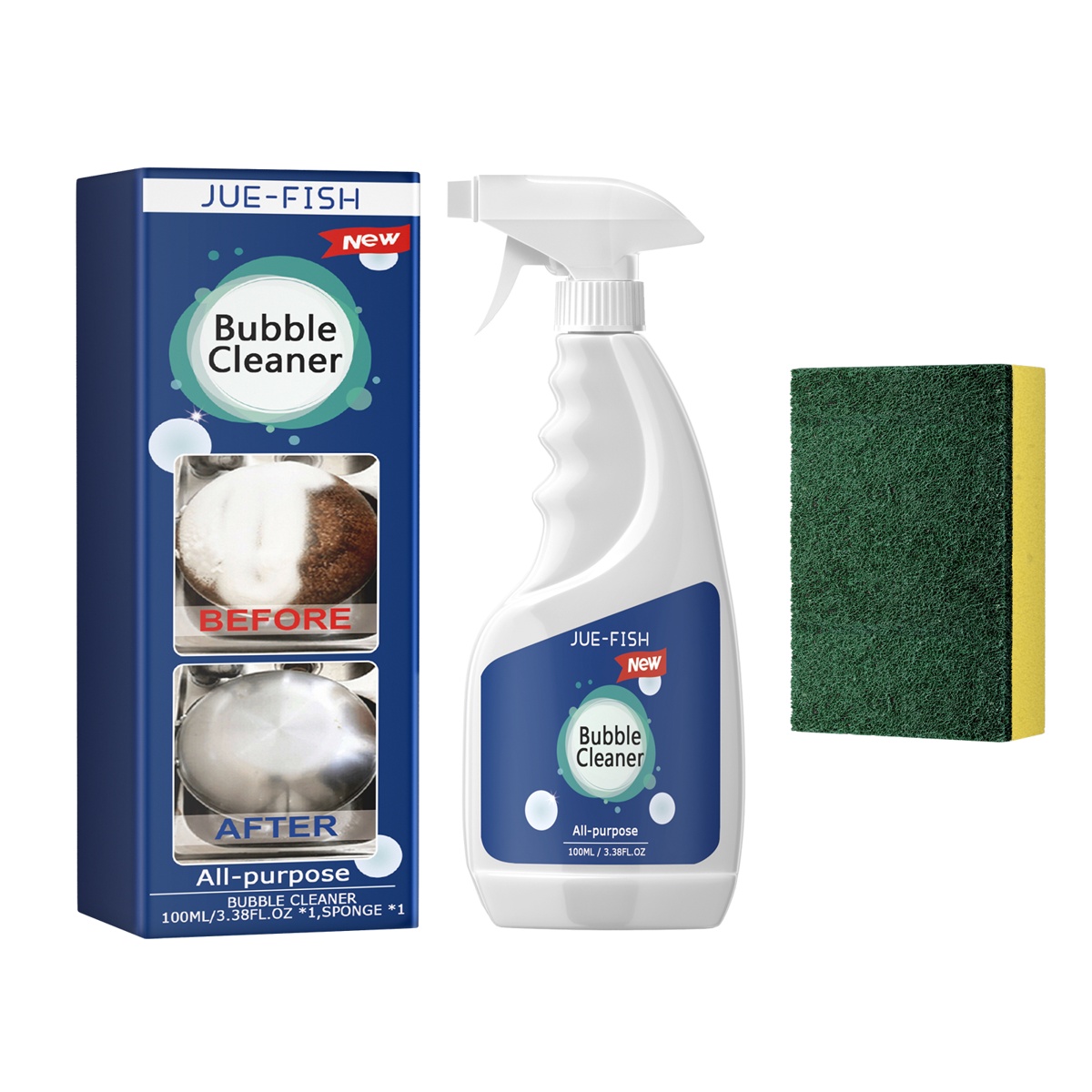 Jue-Fish Kitchen Grease Foam Cleaner, Range Hood Stove Exhaust Pipe Wall Utensils$19.99View on Mallflare
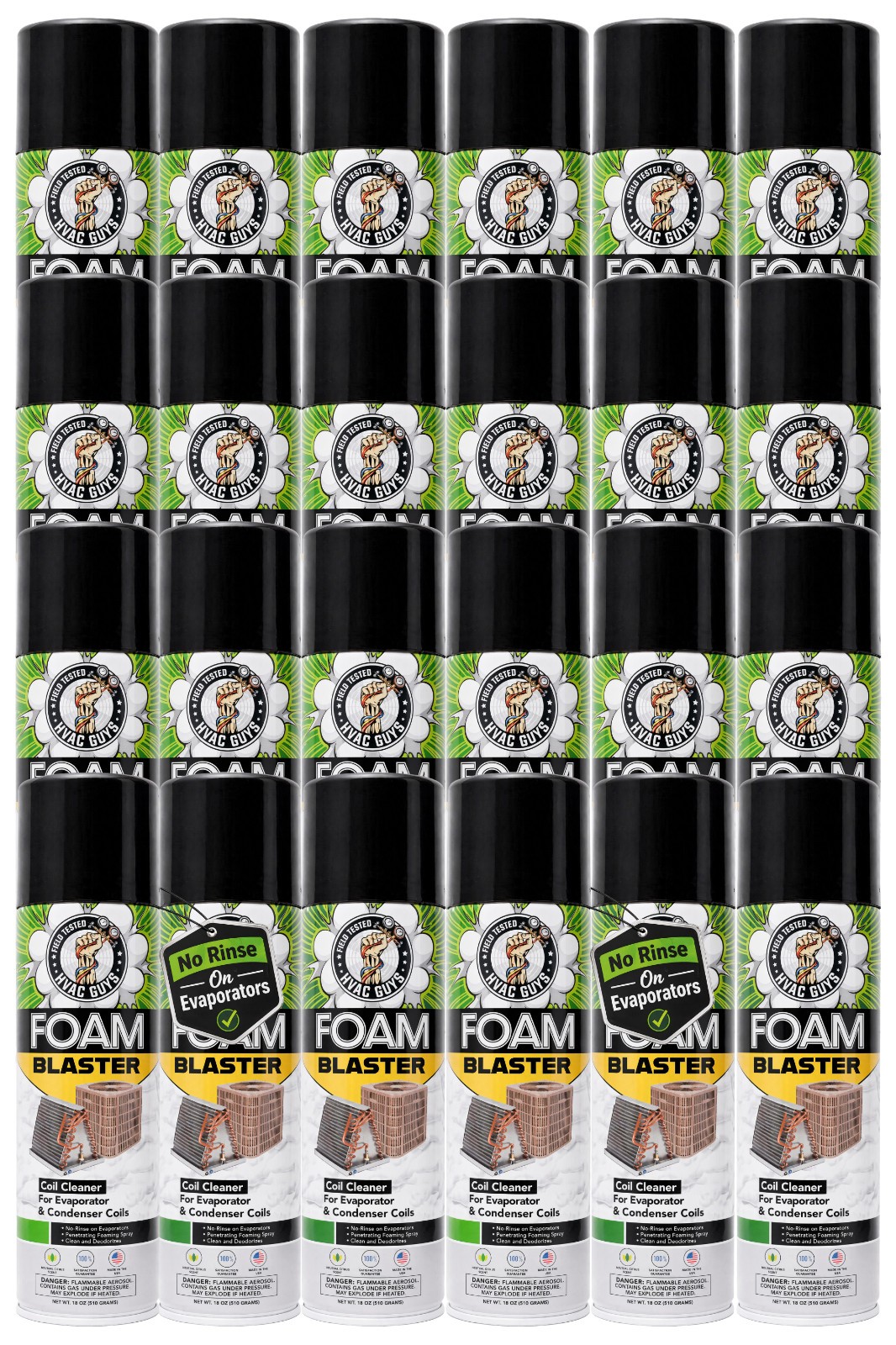 Foam Blaster AC Coil Cleaner Foaming Spray | HVAC Coil Cleaner for AC Unit$199.95View on eBay
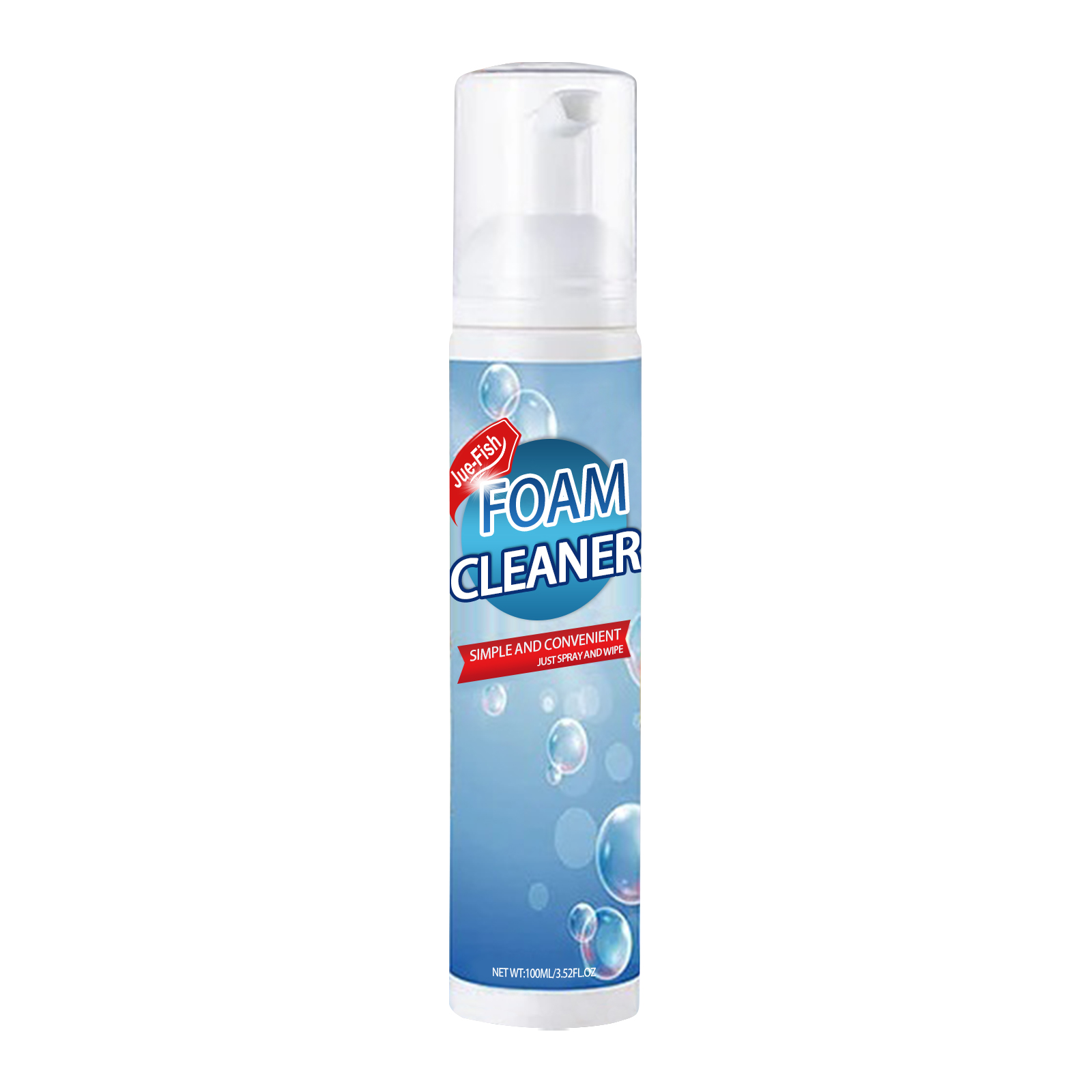 Jue-Fish Kitchen Oil Stain Foam Cleaner, Stove Range Hood Oil And Dirt Removal$19.99View on Mallflare
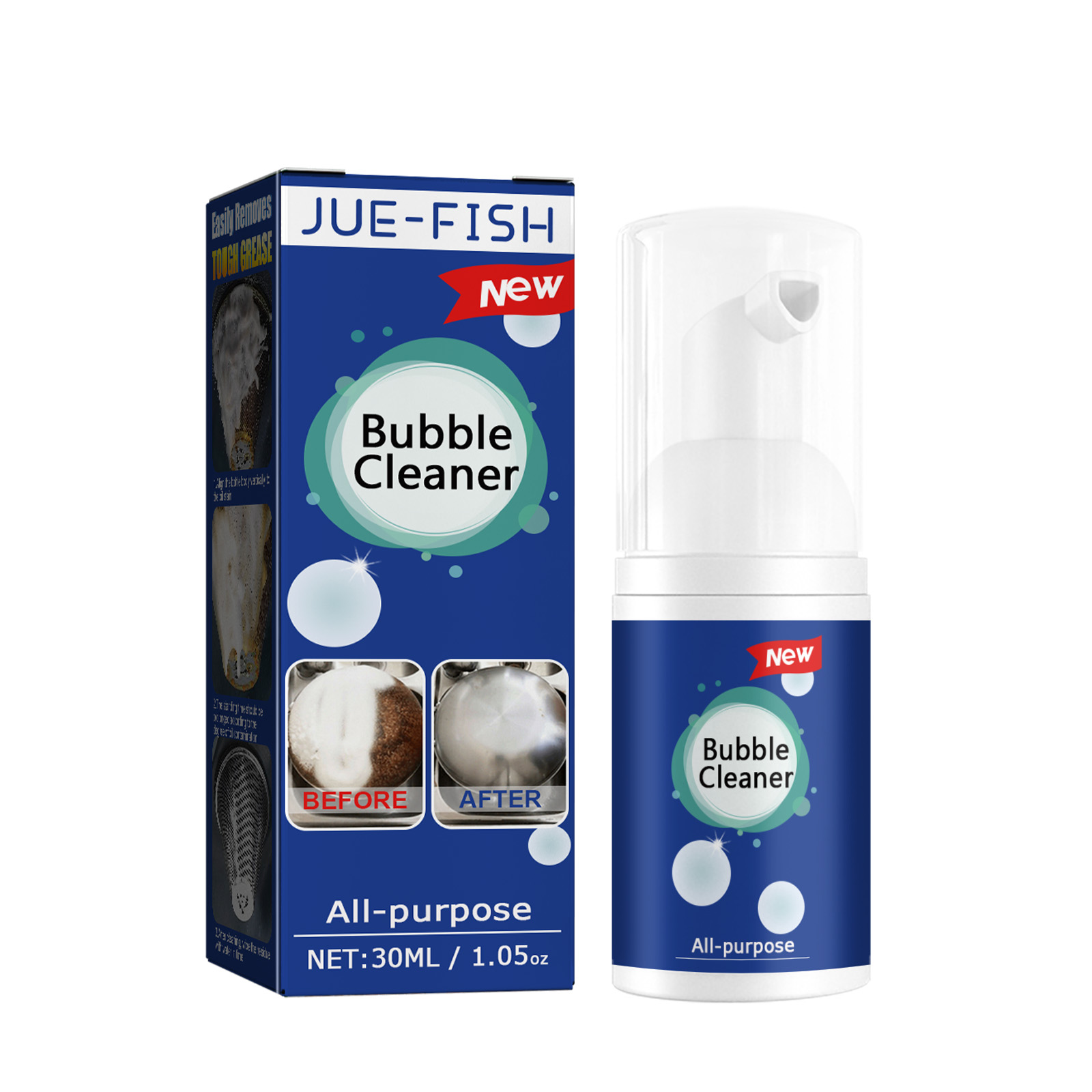 Jue-Fish Oil Foam Cleaner Multi-Purpose Heavy Oil For Kitchen Stove Hood$19.99View on Mallflare
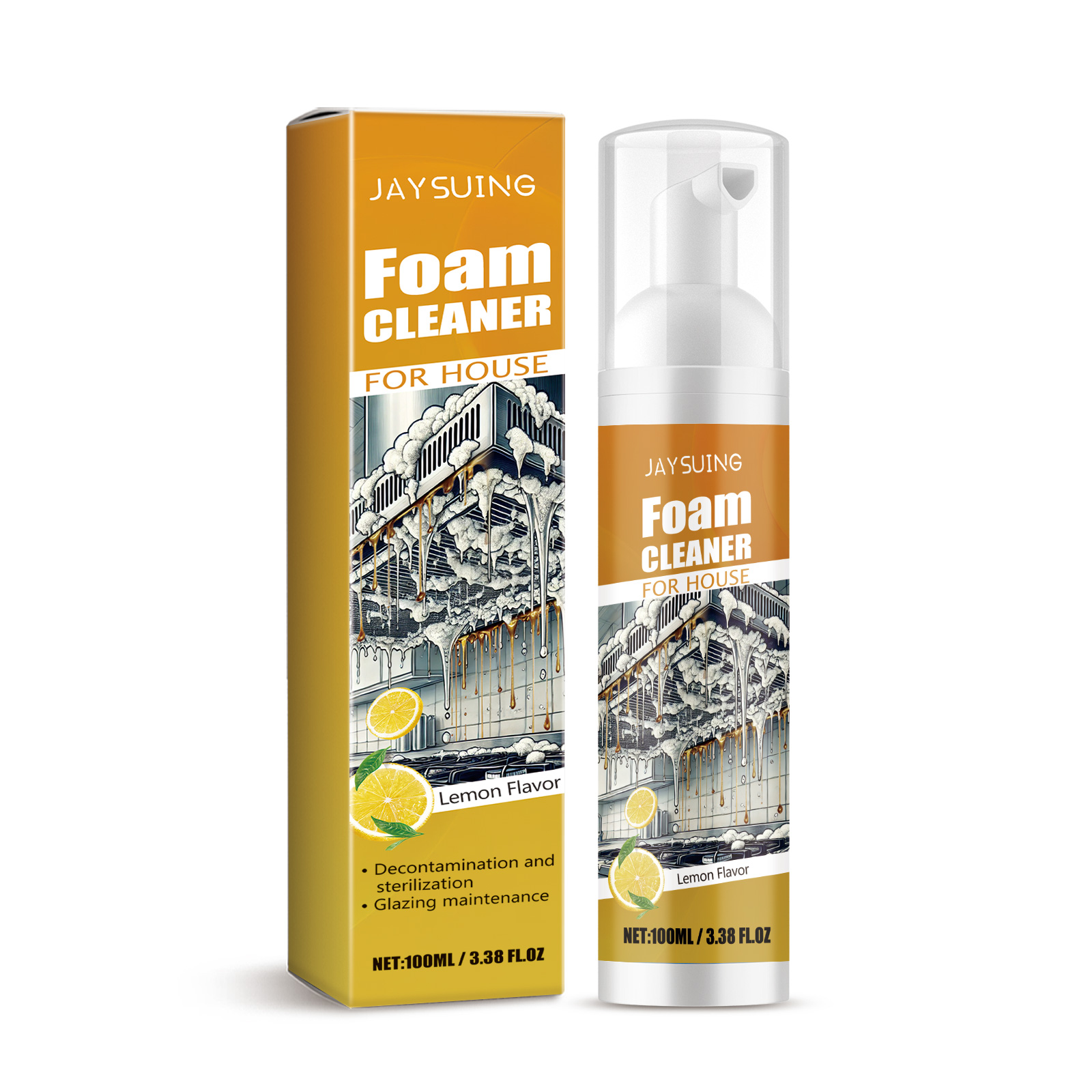 Jaysuing Multi-Purpose Home Foam Cleaner, Floor Cooktop Decontaminating$19.99View on Mallflare
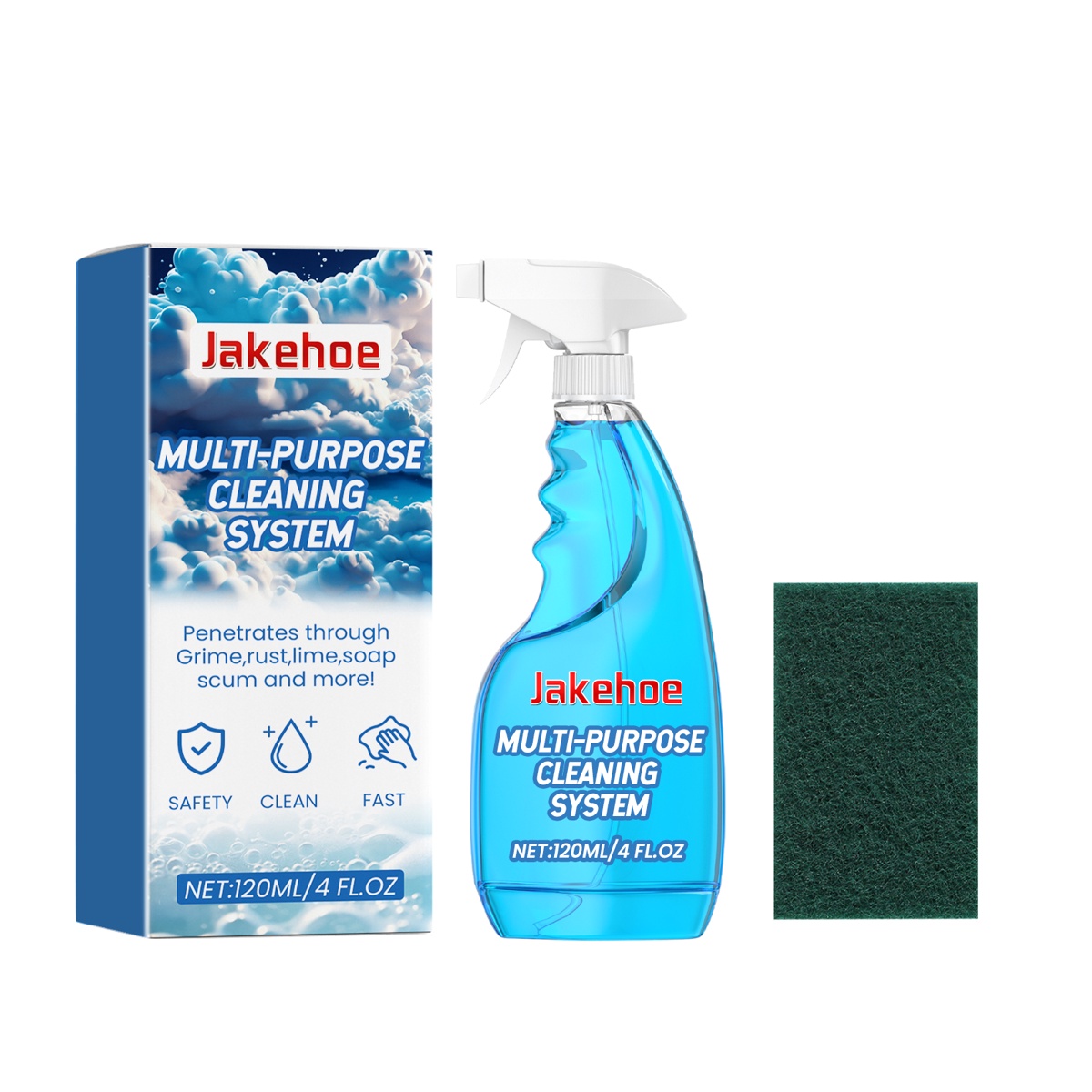 Jakehoe Multi Purpose Cleaning System, Gentle Decontamination Multi-Surface Foam Cleaner For Kitchen Cooktop Cookware$19.99View on Mallflare
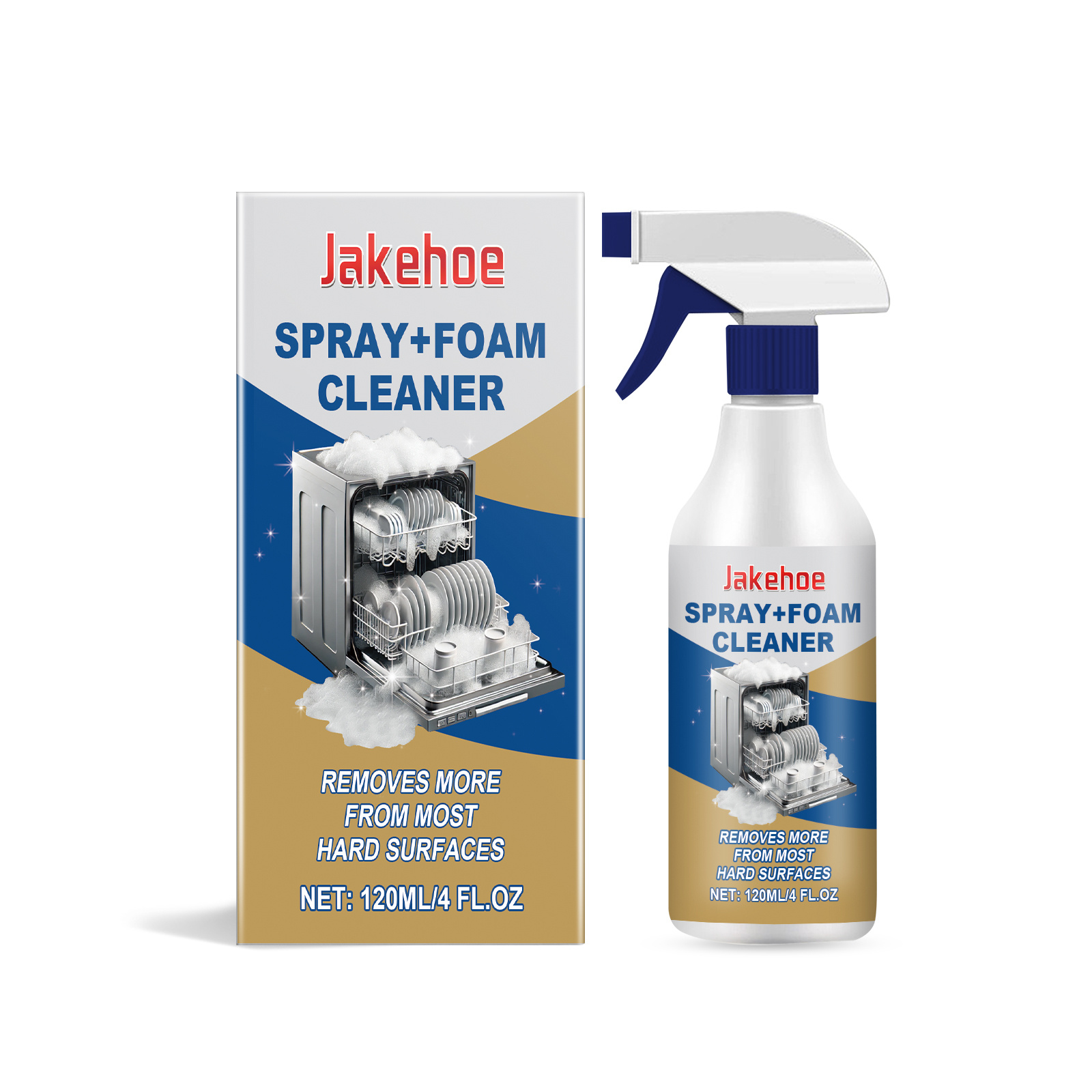 Kitchen Cleaning Dishwasher Foam Cleaner Kitchenware Multi-Effect Clean Stains$22.99View on Mallflare
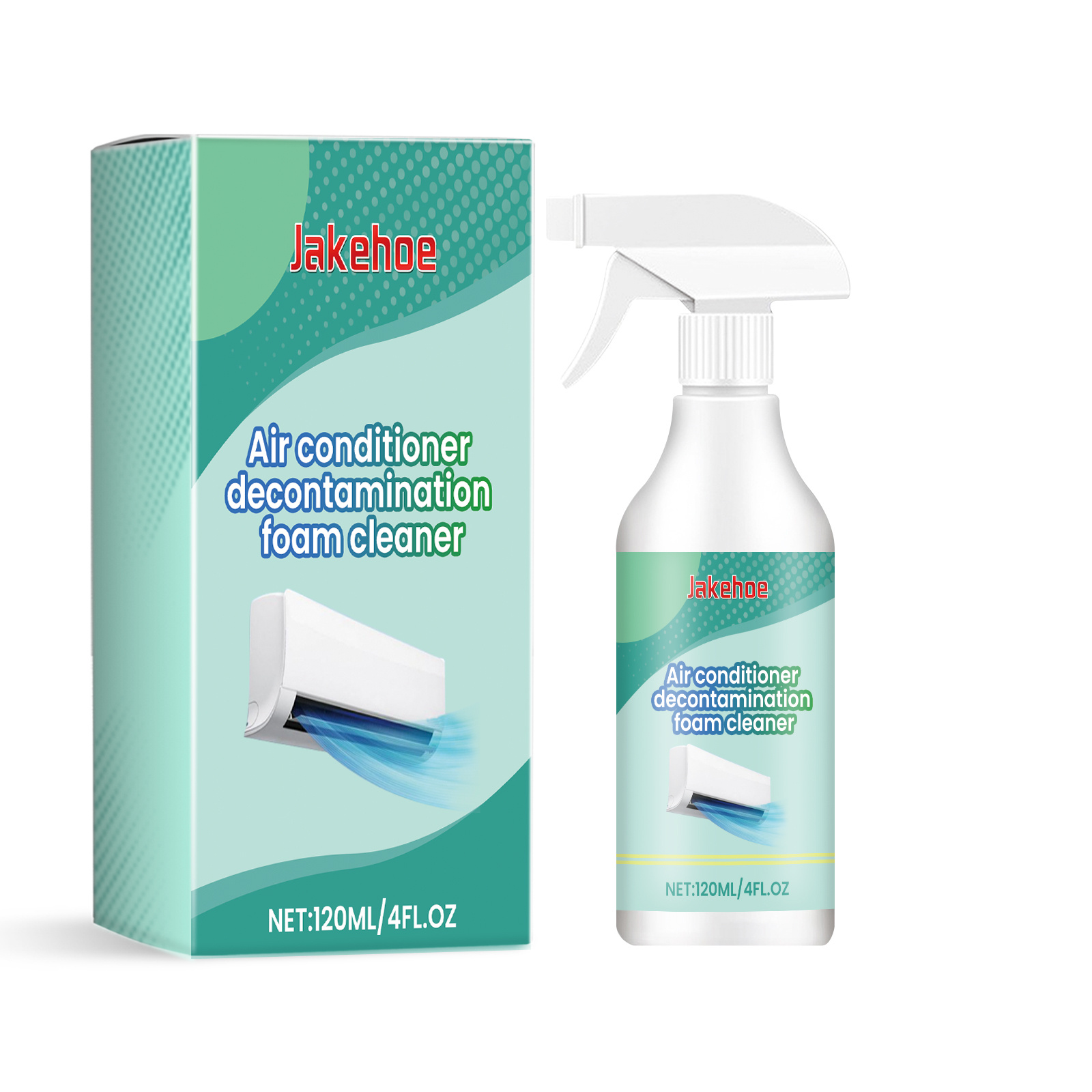 Household Appliance Cleaning Air Conditioning Foam Cleaner$24.99View on Mallflare
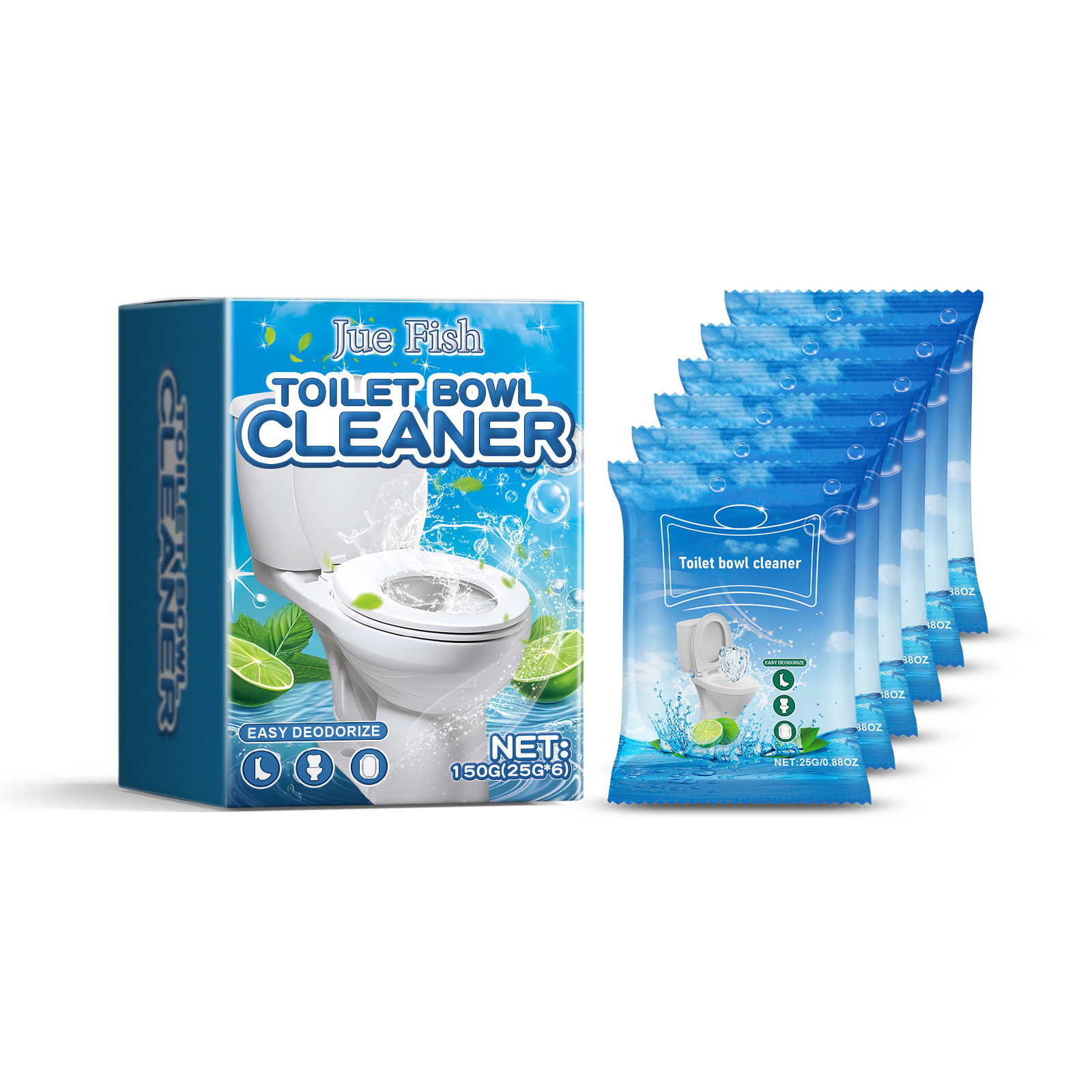 Jue-Fish Toilet Descaling Cleaning Powder, Household Cleaner Stubborn Stains Scale Foam$19.99View on Mallflare
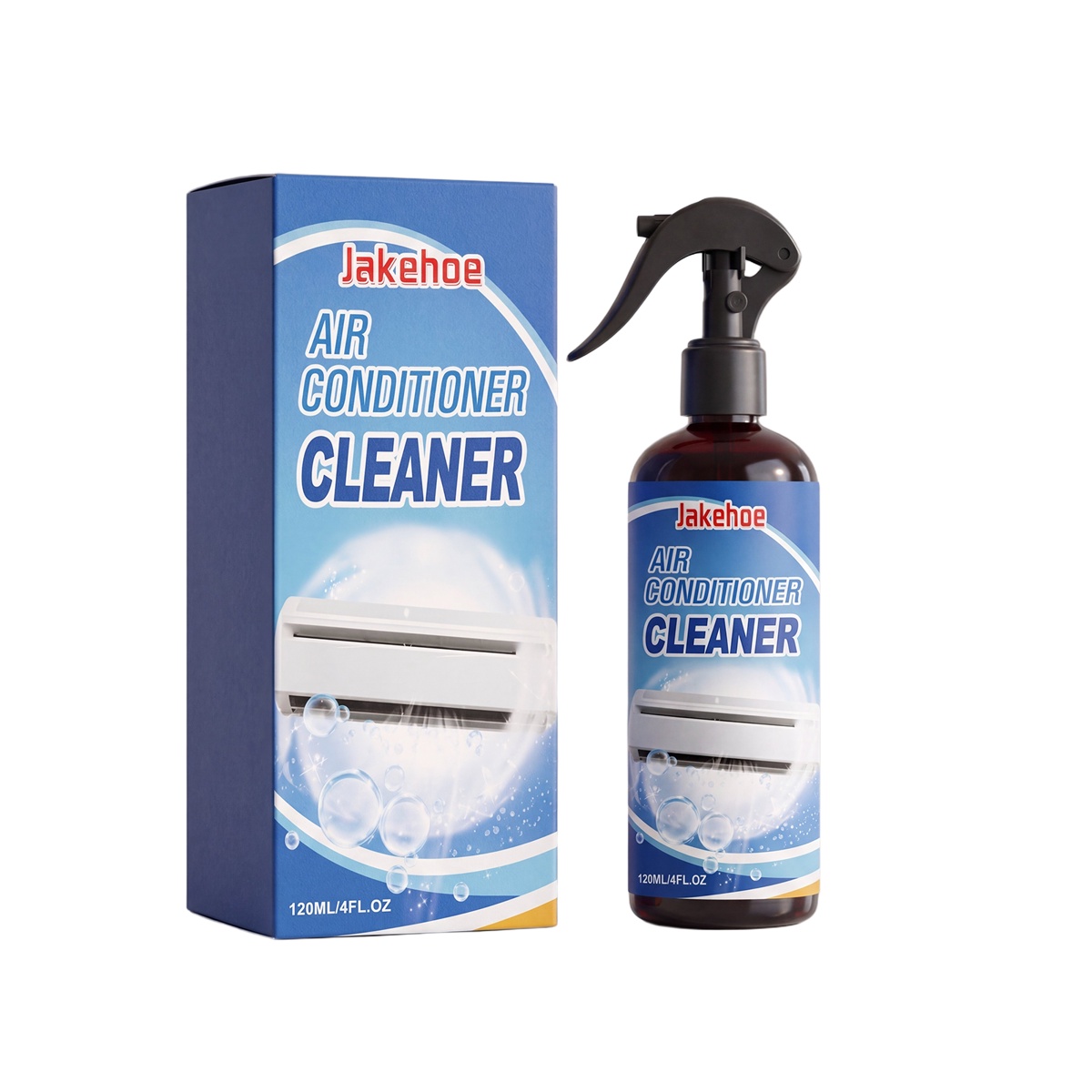 Jakehoe Air Conditioner Cleaner - Household Indoor Unit Filter Cleaning Agent For Removing Dirt And Dust, Daily Foam$19.99View on Mallflare
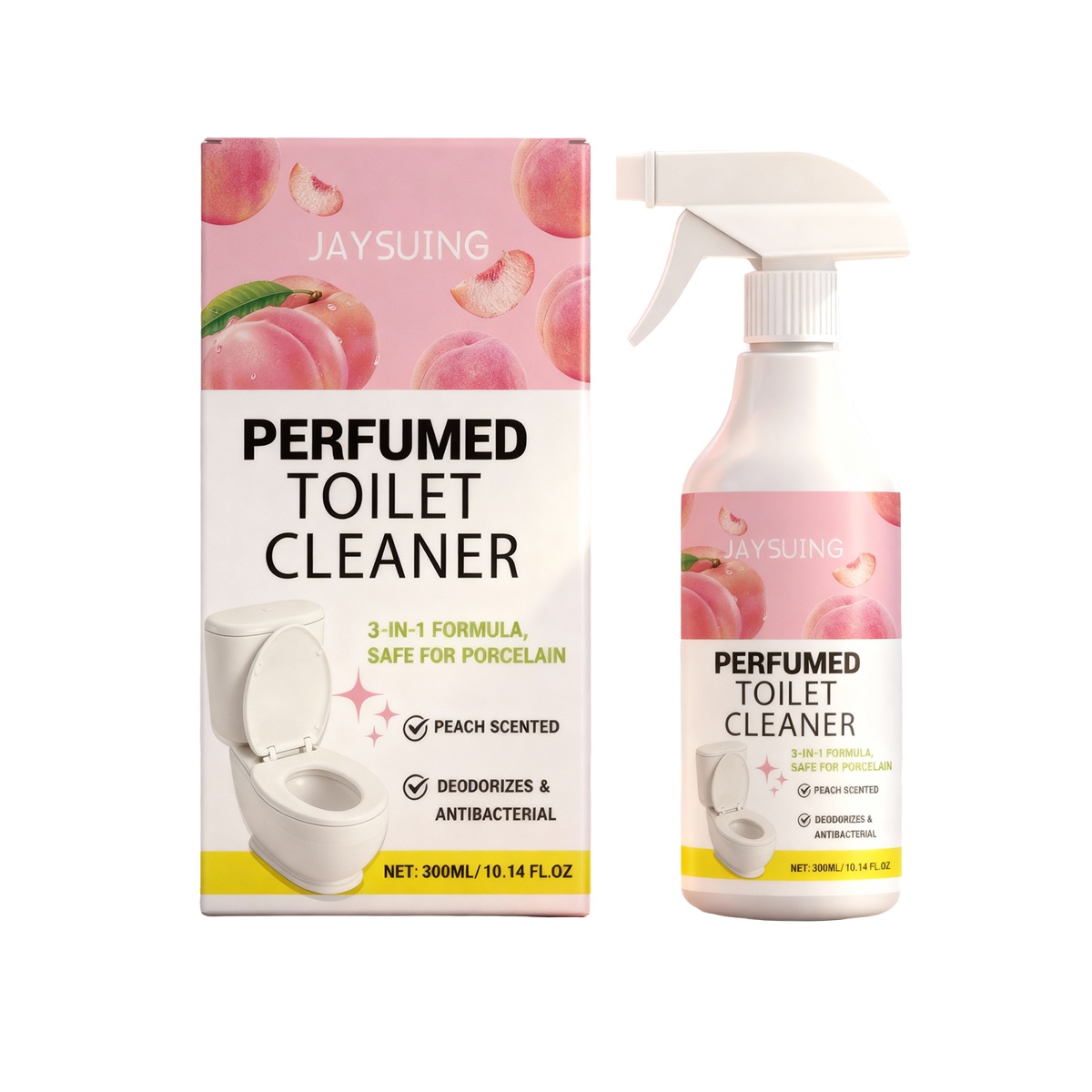 Jaysuing Scented Toilet Cleaner, Bowl Stubborn Stains And Scale Remover, Deodorizer, Aromatic Foam$19.99View on Mallflare
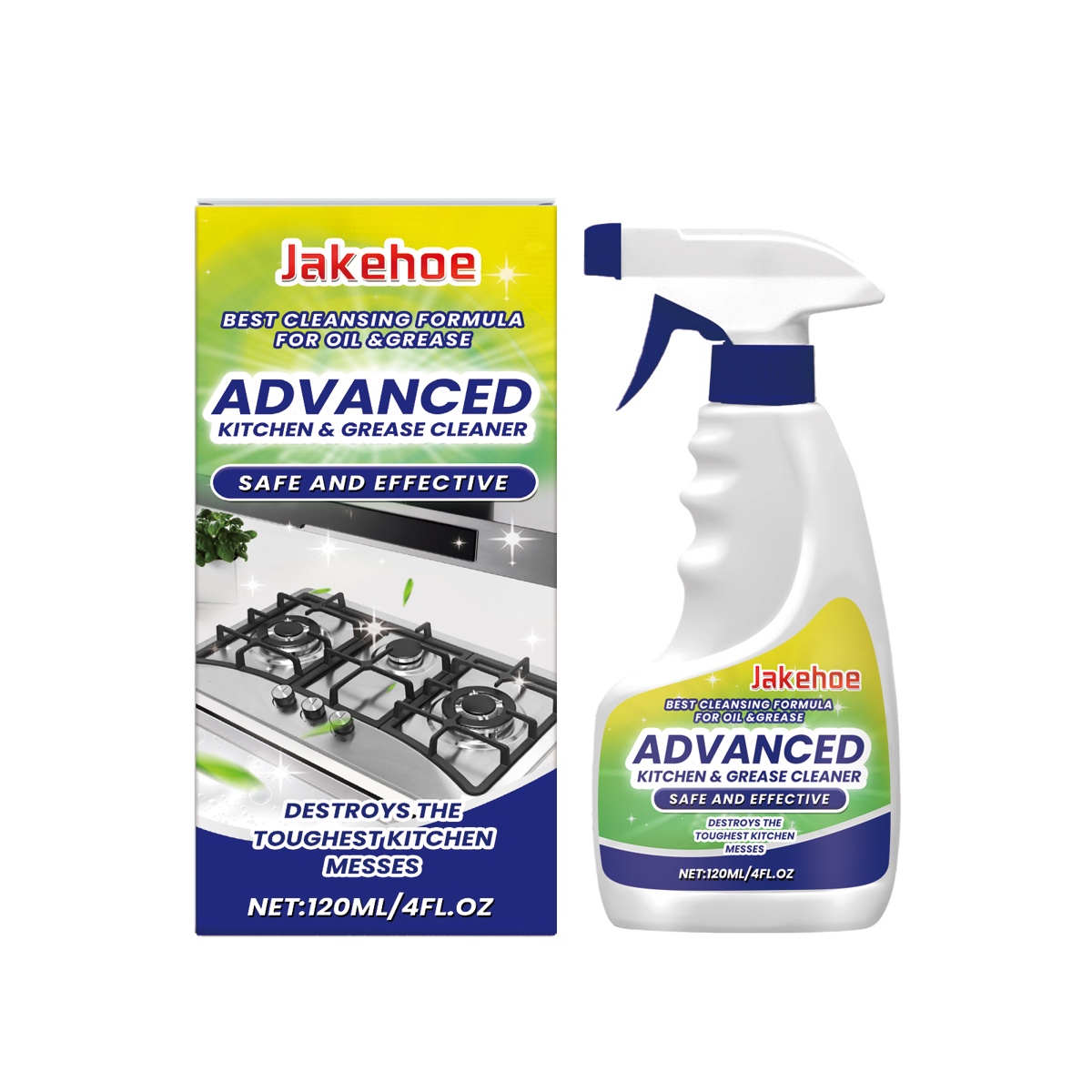 Jakehoe Kitchen Cleaner Oil Cleaning Gentle Home Care Cooktop Degreasing Foam Type$19.99View on Mallflare
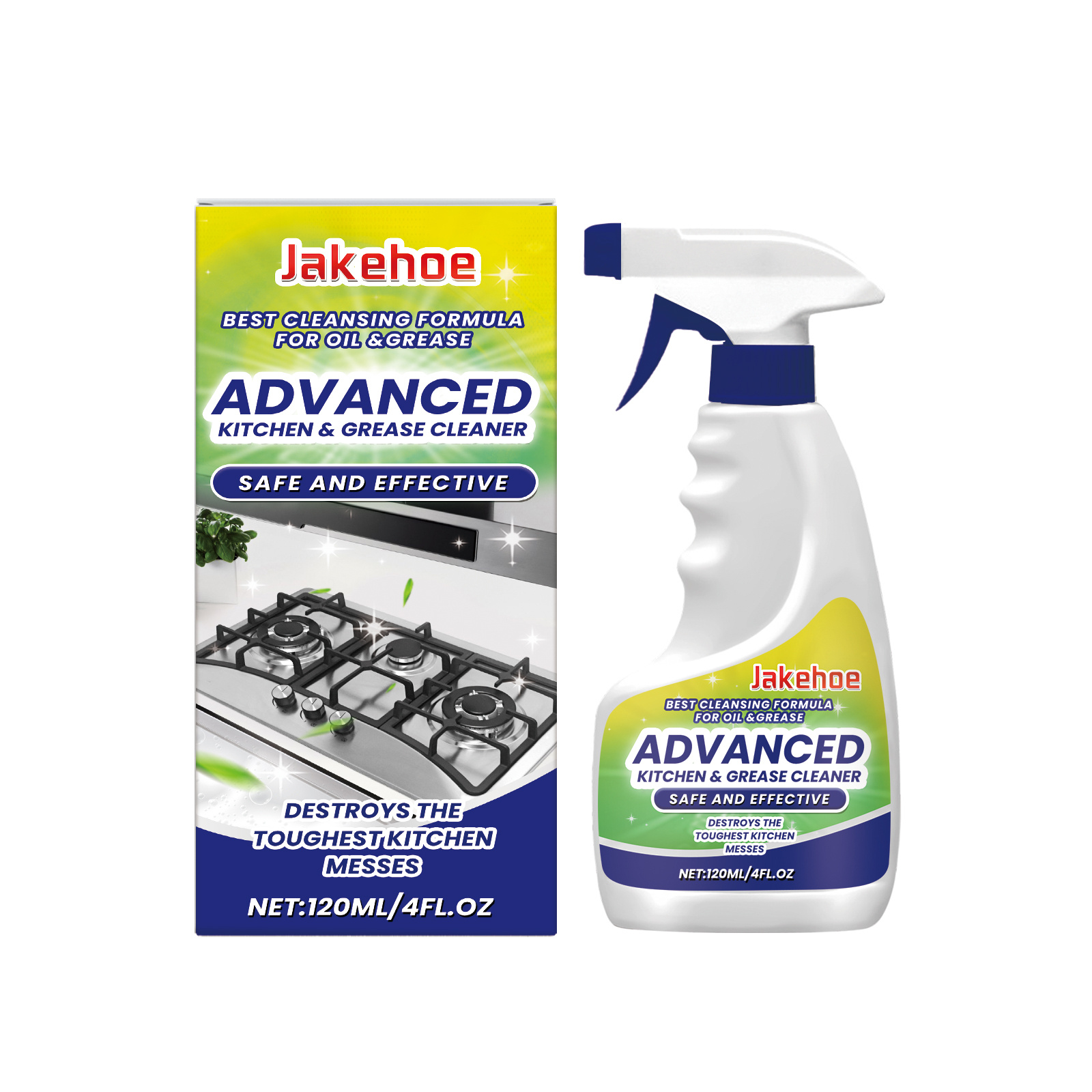 Kitchen Cleaning Cleaner Oil Gentle Home Care Cooktop Degreasing Foam Type$22.99View on Mallflare
Highlights
- Aerosol foams expand 3-5x to cling on vertical tile and glass; pump foams are thinner and run on slick surfaces unless formulated as a clinging gel-foam.
- Bathroom foams rely on chelating acids (citric, lactic) for calcium scale; kitchen foams use alkaline builders and solvents for polymerized grease.
- Alkaline foams above pH 10 can dull polished stone, anodized aluminum, and some clear plastics; neutral or mildly acidic foams are safer for mixed surfaces.
- Genuine aerosol cans use hydrocarbon propellants and must ship ground-only; pump-spray bottles ship normally and suit small touch-up jobs.
Best use cases
- Bathroom glass, tile, and chrome with soap scum or hard-water spots: pick an acidic bathroom foam in an aerosol can for cling and scale dissolution; skip alkaline kitchen foams.
- Stove hoods, cooktops, and oven fronts with baked-on grease: pick an alkaline kitchen foam; skip bathroom scale removers, which leave grease smeared.
- Small spot jobs or travel: pick a 60 ml pump spray; skip bulk aerosols if you cannot store pressurized cans or need only occasional touch-ups.
- Natural stone, marble, or brushed aluminum: pick a neutral-pH foam labeled safe for stone; skip strong acidic or alkaline foams that etch or discolor.
Buying tips
- Match foam chemistry to soil: acidic foams (pH 2-4) for scale and soap scum, alkaline foams (pH 10-12) for grease and oil; neutral foams for unknown or delicate surfaces.
- Choose aerosol cans for vertical cling and larger jobs; choose pump sprays for small volumes, air travel, and surfaces where overspray is a concern.
- Check the label for surface exclusions: most alkaline foams warn off marble, terrazzo, and anodized aluminum; acidic foams warn off natural stone and some grouts.
- Buy multi-packs only when the formula matches your dominant soil; a 3-4 pack of the wrong chemistry wastes shelf space and money.
Specs
| Formula Type | Acidic (bathroom) / Alkaline (kitchen) |
|---|---|
| Pack Size | 19-22 oz aerosol / 60 ml pump |
| Surface Safety | Tile, glass, chrome vs stone-safe |
| Shipping Class | Aerosol ground-only / pump any method |
Related searches
What to check before buying
- Identify your surface material (ceramic tile, glass, chrome, stainless, natural stone) and confirm the foam label lists it as safe.
- Measure the soiled area: a 19-22 oz aerosol covers roughly 30-50 sq ft per can for typical bathroom scum; size your pack accordingly.
- Confirm shipping method: aerosol cans require ground shipping and cannot go by air, so plan lead time for bulk orders.
- Check ventilation and PPE: alkaline and acidic foams both require gloves and open windows; ensure your bathroom or kitchen has adequate airflow.
FAQ
Data sources: eBay / Amazon listings and product attribute feeds Data updated Nov 18, 2026.
Some links on this page are affiliate links. If you buy after clicking one, we may earn a commission at no extra cost to you. This does not change which products appear here or their order. Affiliate disclosure.