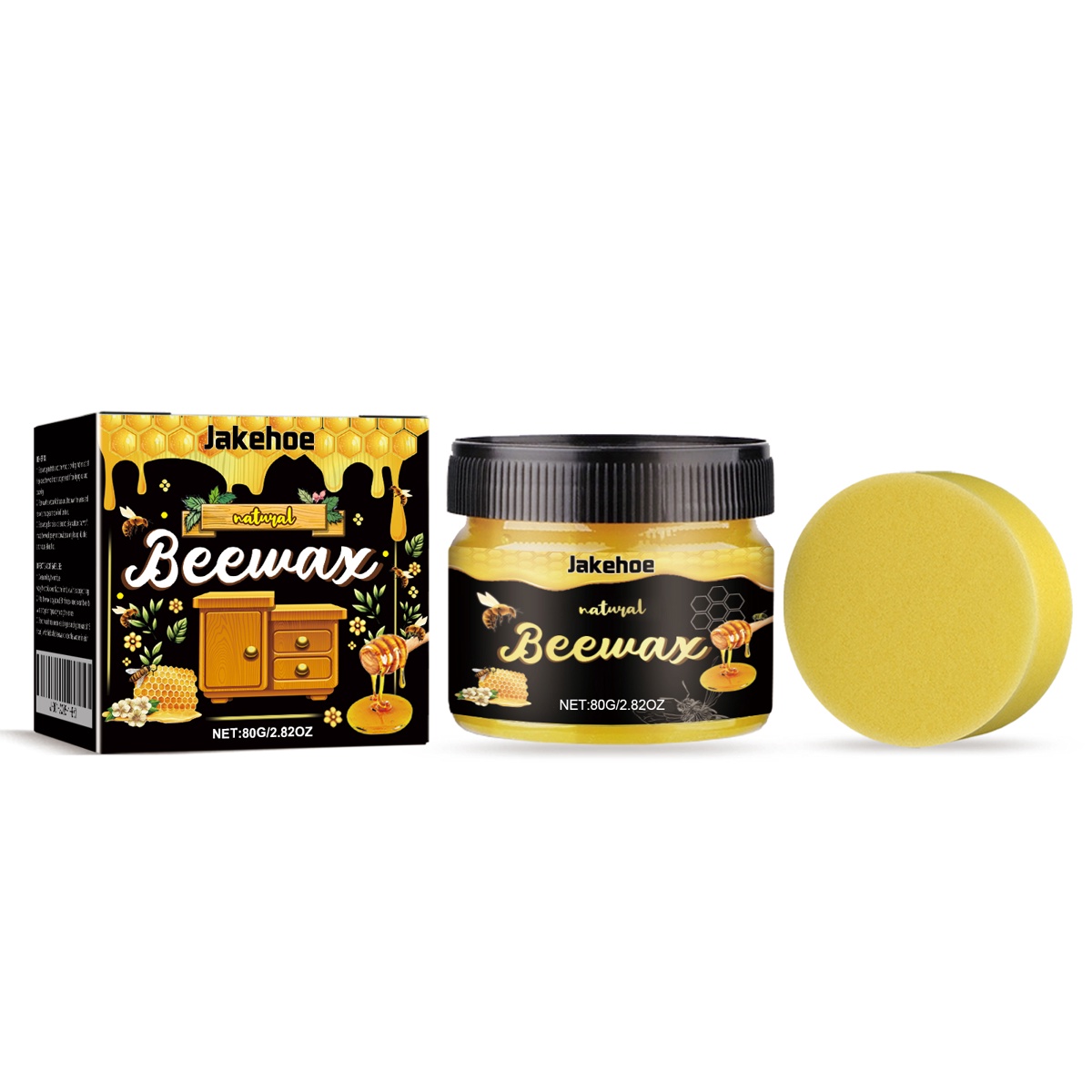

Photos from current listings. Actual item, color, and included accessories may vary.
Floor Shine Hardwood Floor Buying Guide
Hardwood floor shine products are polishes, waxes, and restorers that add gloss and a protective film to sealed wood—but they cannot fix worn finish or deep scratches. The key trade-off is film-forming wax/polymer shine (high gloss, needs stripping, can yellow) versus penetrating oil or restorer (subtle sheen, feeds wood, no buildup). Choose film-forming only on sound factory polyurethane; choose oil-based or restorer for older or oil-finished floors.


At a glance
- Category
- Household Cleaning & Paper Supplies
- Data updated
- Nov 18, 2026
Current offers
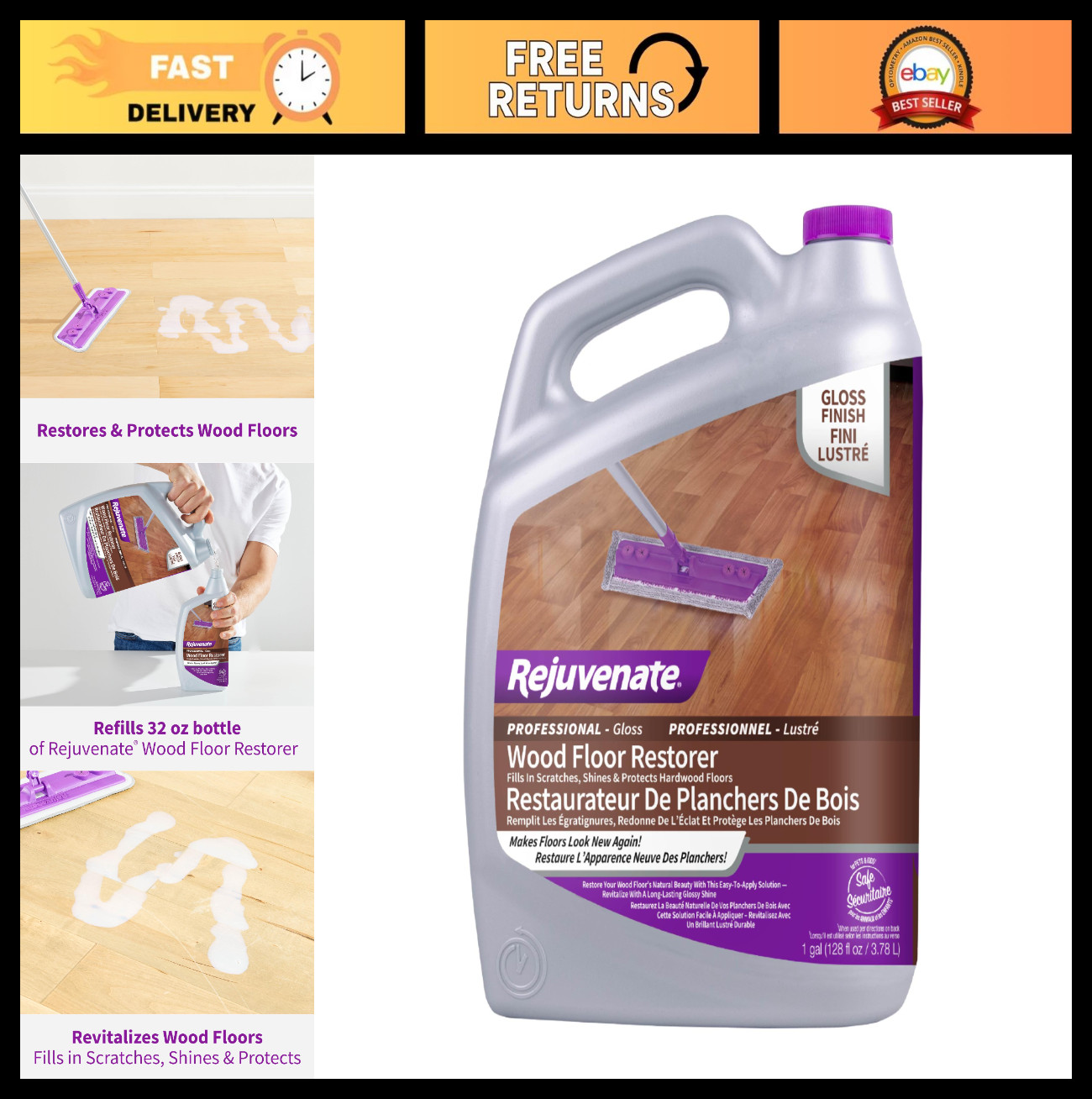
Highlights
- Beeswax and carnauba paste waxes deliver the highest gloss but form a sacrificial film that yellows and must be stripped before recoating.
- Water-based polymer polishes dry clear in 30-60 minutes with low odor and no yellowing, but gloss is lower than solvent wax.
- High-gloss restorers fill micro-scratches with acrylic or polyurethane solids; they bond only to clean, intact sealed finish.
- Penetrating oils (linseed, tung, hardwood oil) feed dull oil-finished wood and never build a film, so they cannot chip or peel.
Best use cases
- Pick a water-based polymer polish for factory-finished polyurethane in high-traffic living rooms where you want clear gloss without yellowing buildup.
- Pick a beeswax or carnauba paste wax for low-traffic dining or formal rooms where maximum depth and warmth justify annual stripping.
- Pick a high-gloss acrylic restorer for lightly scratched sealed floors that need scratch-filling and a wet-look sheen in one pass.
- Skip film-forming wax and restorers on oil-finished, waxed, or worn bare wood—use a penetrating hardwood oil instead to avoid patchy buildup.
Buying tips
- Use 1 gallon per 400-500 sq ft for one coat; one quart covers roughly 100-125 sq ft, so buy two coats' worth for porous or first-time application.
- Match the product to the existing finish: polyurethane and aluminum-oxide factory coats take water-based polymer polish; oil-finished and waxed floors take penetrating oil or paste wax.
- Choose low-VOC water-based formulas for occupied homes and solvent wax for garages or ventilated spaces; solvent wax needs 24 hours of curing before foot traffic.
- For scratch-filling restorers, confirm the product is self-leveling and compatible with the topcoat—acrylic restorers bond to polyurethane but not to waxed surfaces.
Specs
| Formula Base | Water-based polymer vs solvent wax |
|---|---|
| Finish Type Compatibility | Polyurethane, oil, wax—match product |
| Coverage Per Gallon | 400-500 sq ft per coat |
| Dry Time | 30-60 min water / 24 hr solvent |
Related searches
What to check before buying
- Confirm your floor finish: factory polyurethane/aluminum oxide, site-finished poly, oil-modified urethane, penetrating oil, or wax—each needs a different shine product.
- Measure square footage of the room and multiply by 1.2 for waste; one gallon covers 400-500 sq ft per coat, so two coats double the quantity.
- Check ventilation and cure time: solvent waxes need 24 hours and open windows; water-based polishes need 30-60 minutes between coats.
- Verify you own the matching stripping or cleaning product—film-forming wax and restorers require a wax stripper before recoating to avoid cloudy buildup.
FAQ
Data sources: eBay / Amazon listings and product attribute feeds Data updated Nov 18, 2026.
Some links on this page are affiliate links. If you buy after clicking one, we may earn a commission at no extra cost to you. This does not change which products appear here or their order. Affiliate disclosure.