Photos from current listings. Actual item, color, and included accessories may vary.
Cleaning Agent Buying Guide
Cleaning agents range from ready-to-use sprays and concentrates to tablet-diluted refills and task-specific solutions for glass, grease, and sanitation. The core trade-off is formulation strength versus surface safety: aggressive solvents and high-pH builders cut grease and scale fast but can etch finishes, discolor grout, or damage delicate metals. Buy a ready-to-use spray only for light, frequent touch-ups; choose a concentrate or tablet system when you want controlled dilution for larger areas or specific soils.

At a glance
- Category
- Household Cleaning & Paper Supplies
- Data updated
- Nov 18, 2026
Current offers
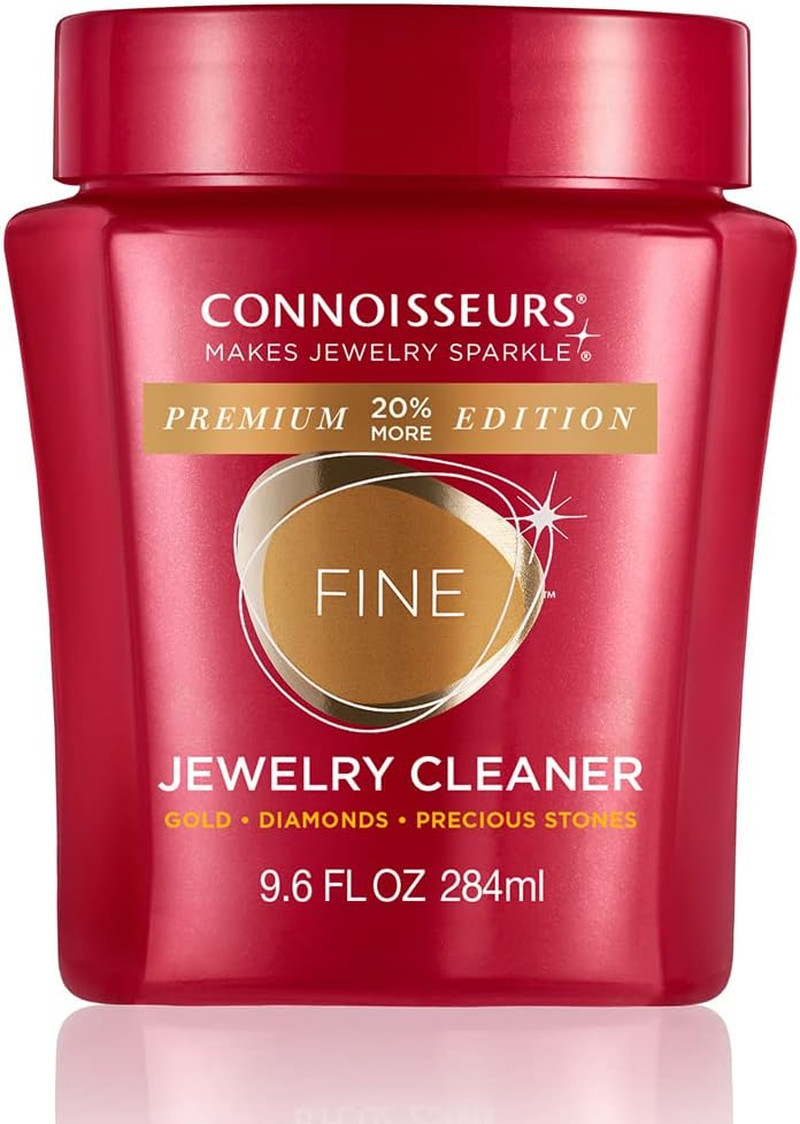 Premium Jewelry Cleaner 9.6oz Fine Silver Delicate Jewelry Cleaning Solution$13.32
 View on eBay
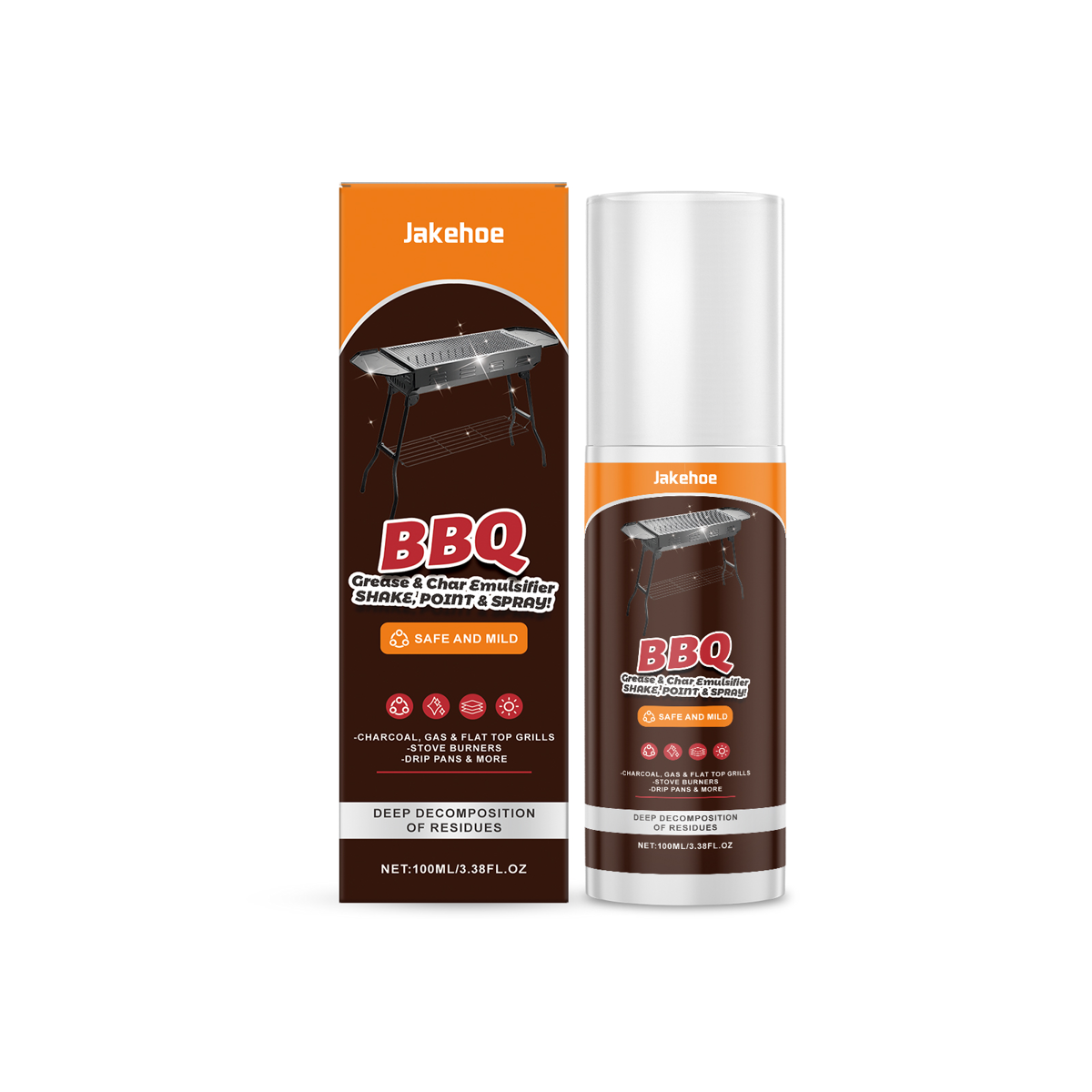 Jakehoe Barbecue Grill Cleaner, Outdoor And Household Oven, Frying Pan, Burnt Stain And Grease Remover, Dissolving And Cleaning Agent$19.99
 View on Mallflare
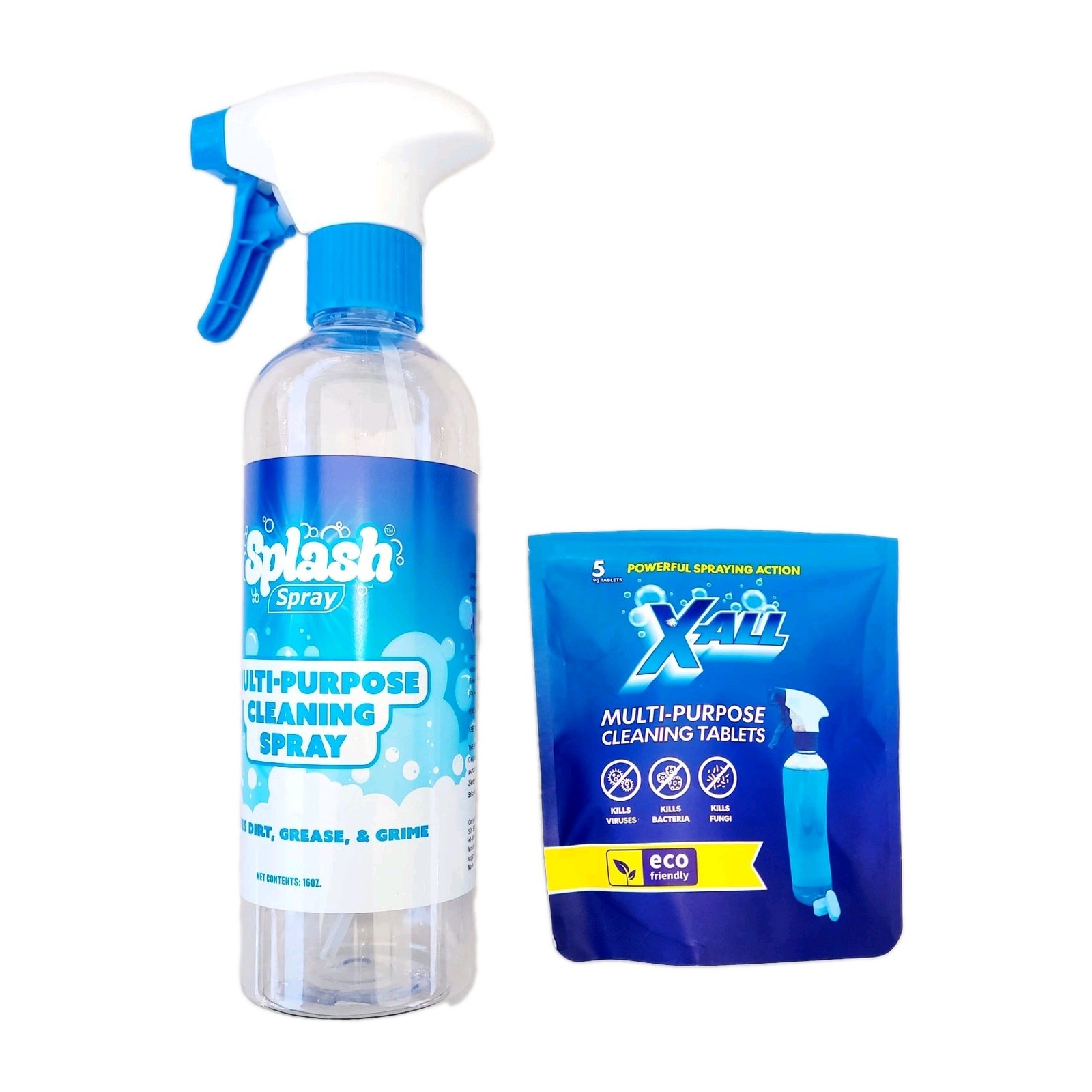 X-ALL Multi-Purpose Cleaner - Spray Bottle and 5x Cleaning Tablets$14.70View on eBay
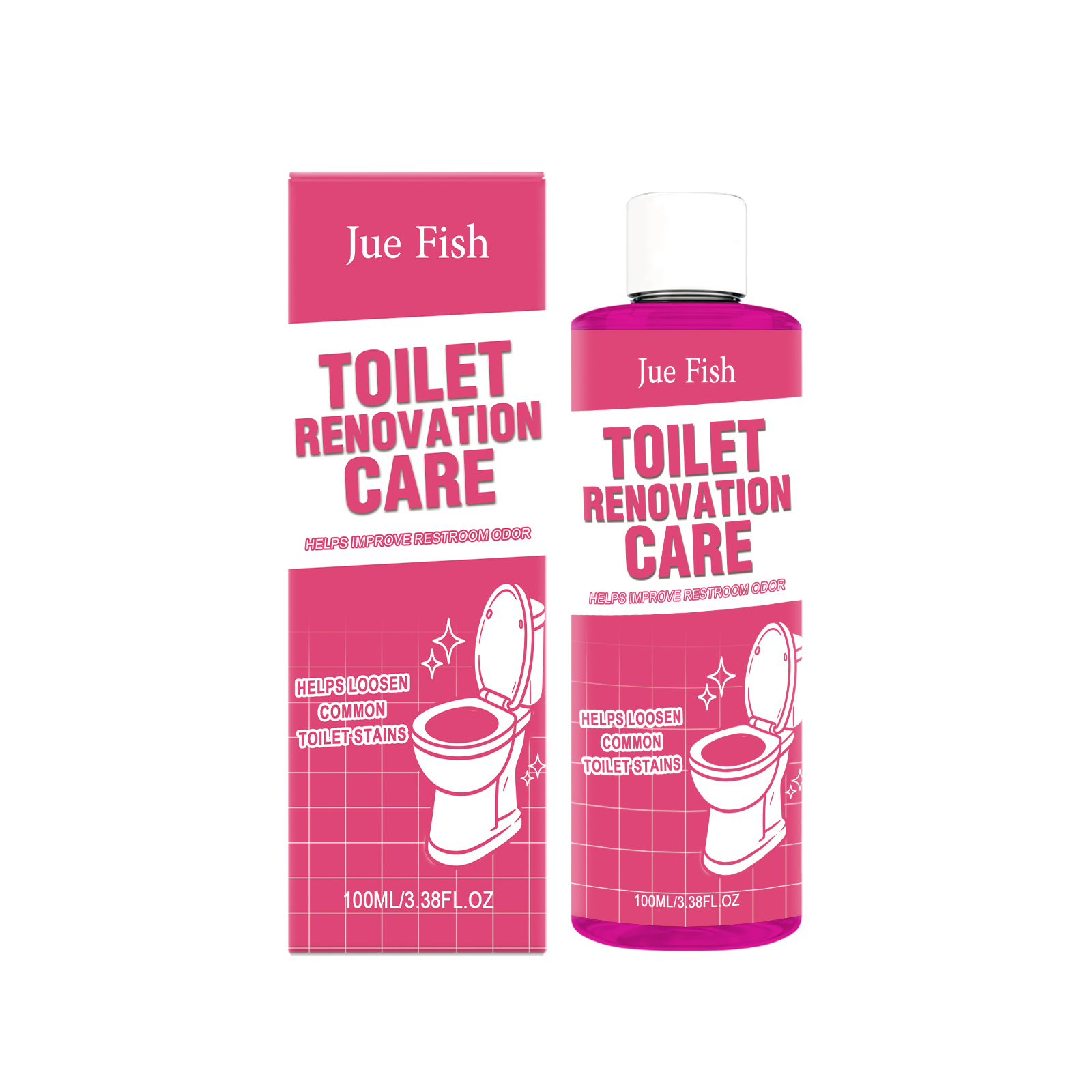 Jue Fish Bathroom Toilet Cleaning Agent - Daily For Removing Urine Stains And Dirt. Household Deodorizer And$19.99View on Mallflare
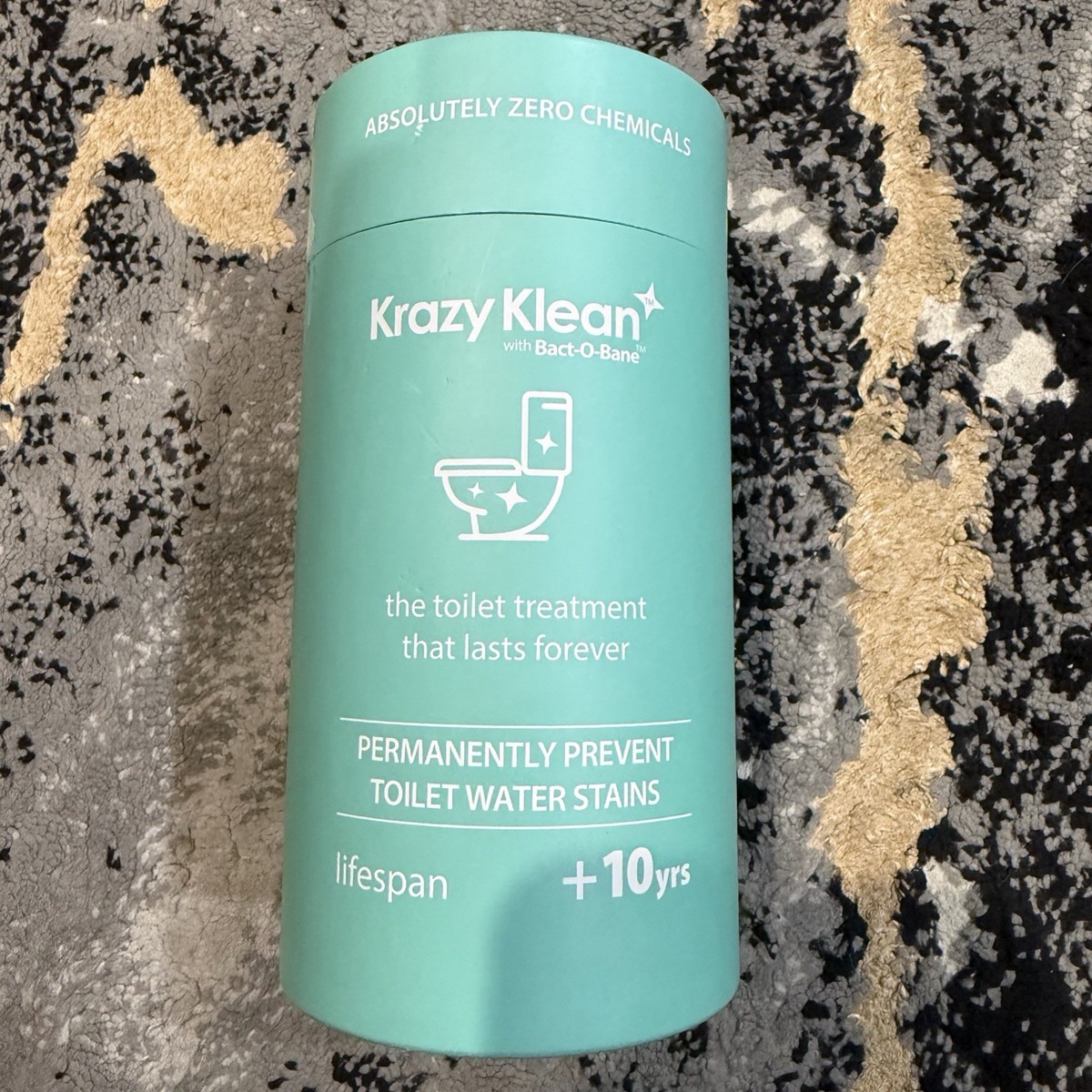 Krazy Klean Pro Toilet Cleaner Household Cleaning Solution | Pack of 1$19.99View on eBay
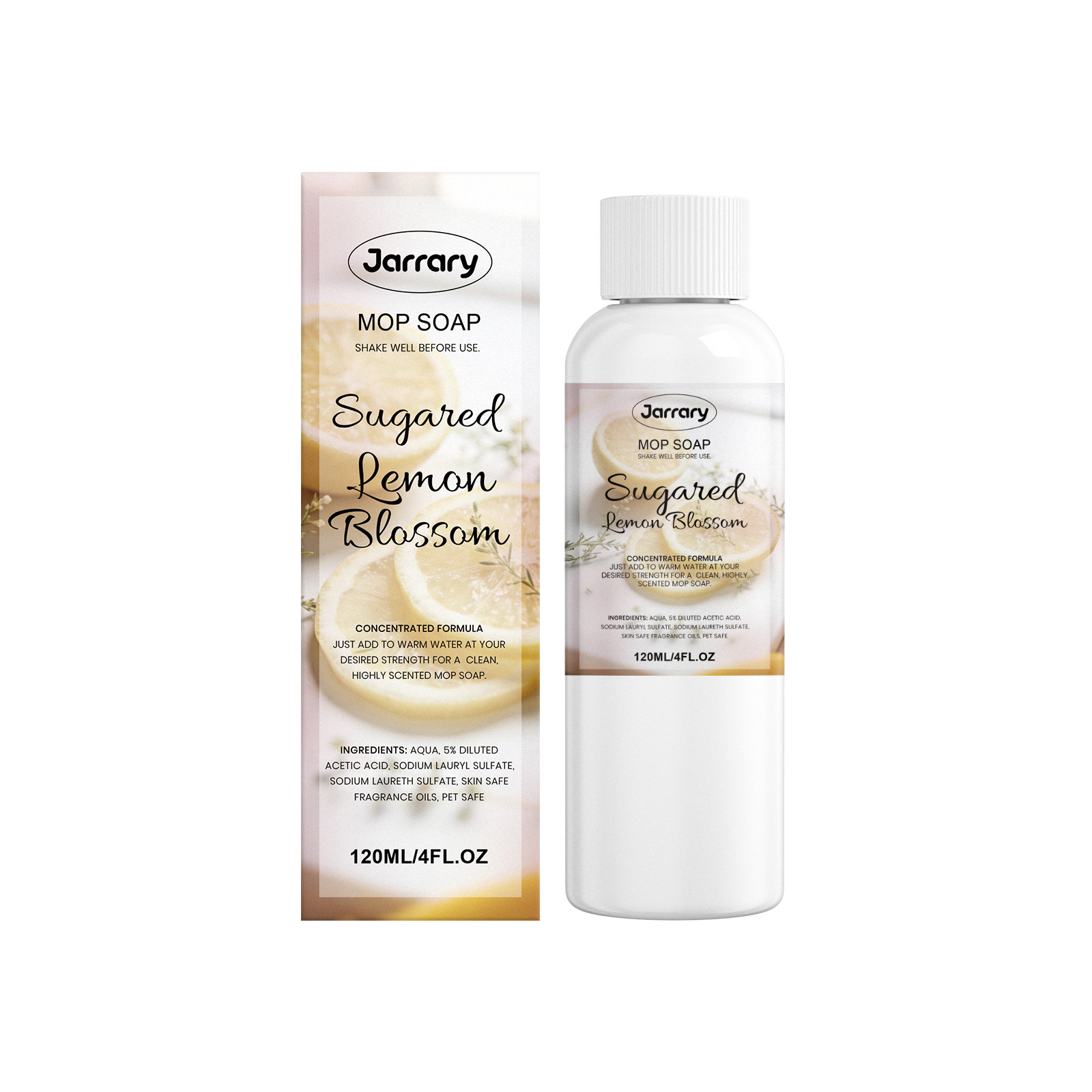 Jarrary Dirt Cleaning Agent - Daily For Ceramic And Wooden Floors, Removing Oil Stains And Fresh Fragrance. Household Care Product.$19.99View on Mallflare
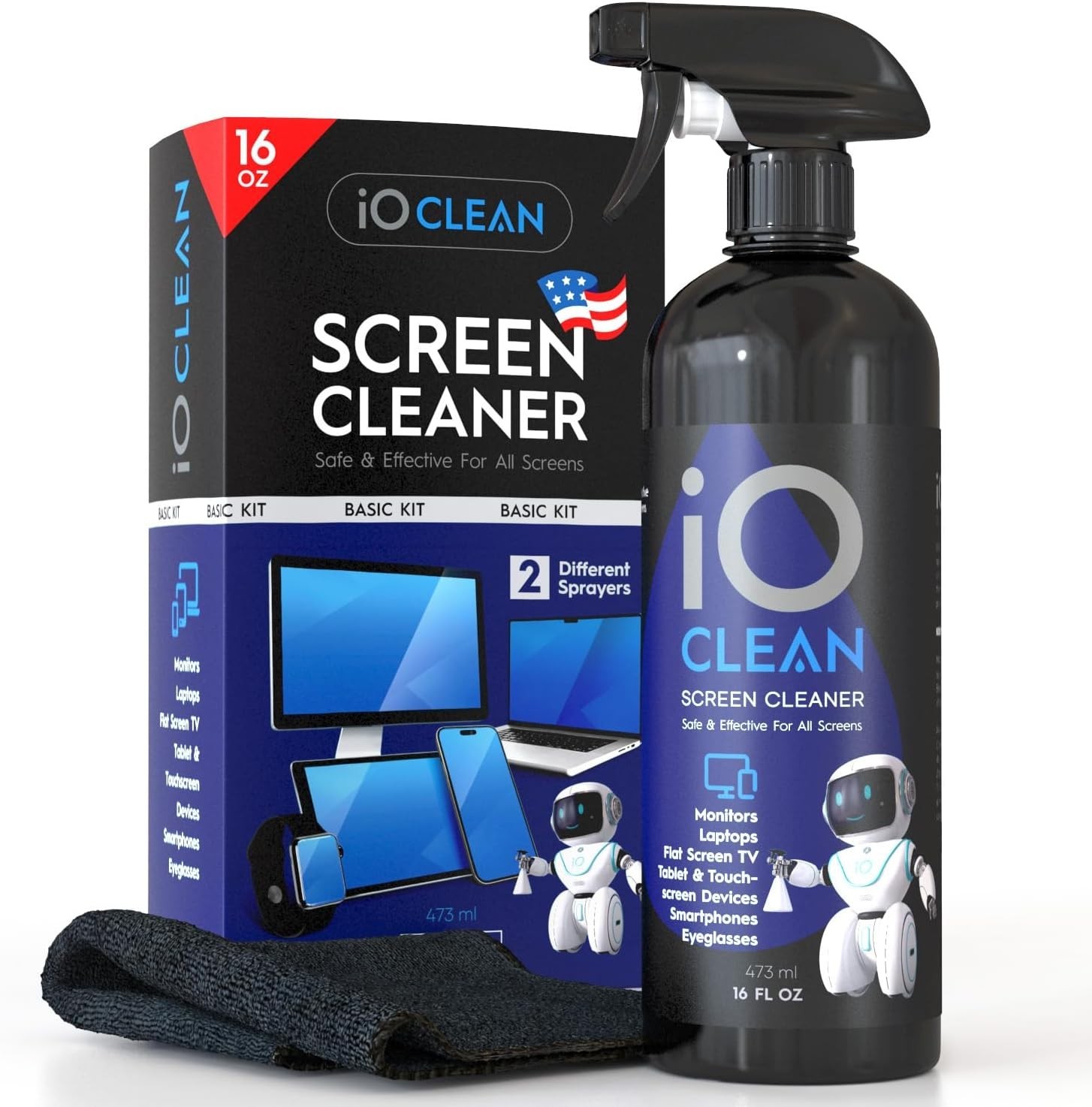 Screen Cleaner Spray (16oz) – Best Large Cleaning Kit for LCD LED OLED TV, Smart$20.49View on eBay
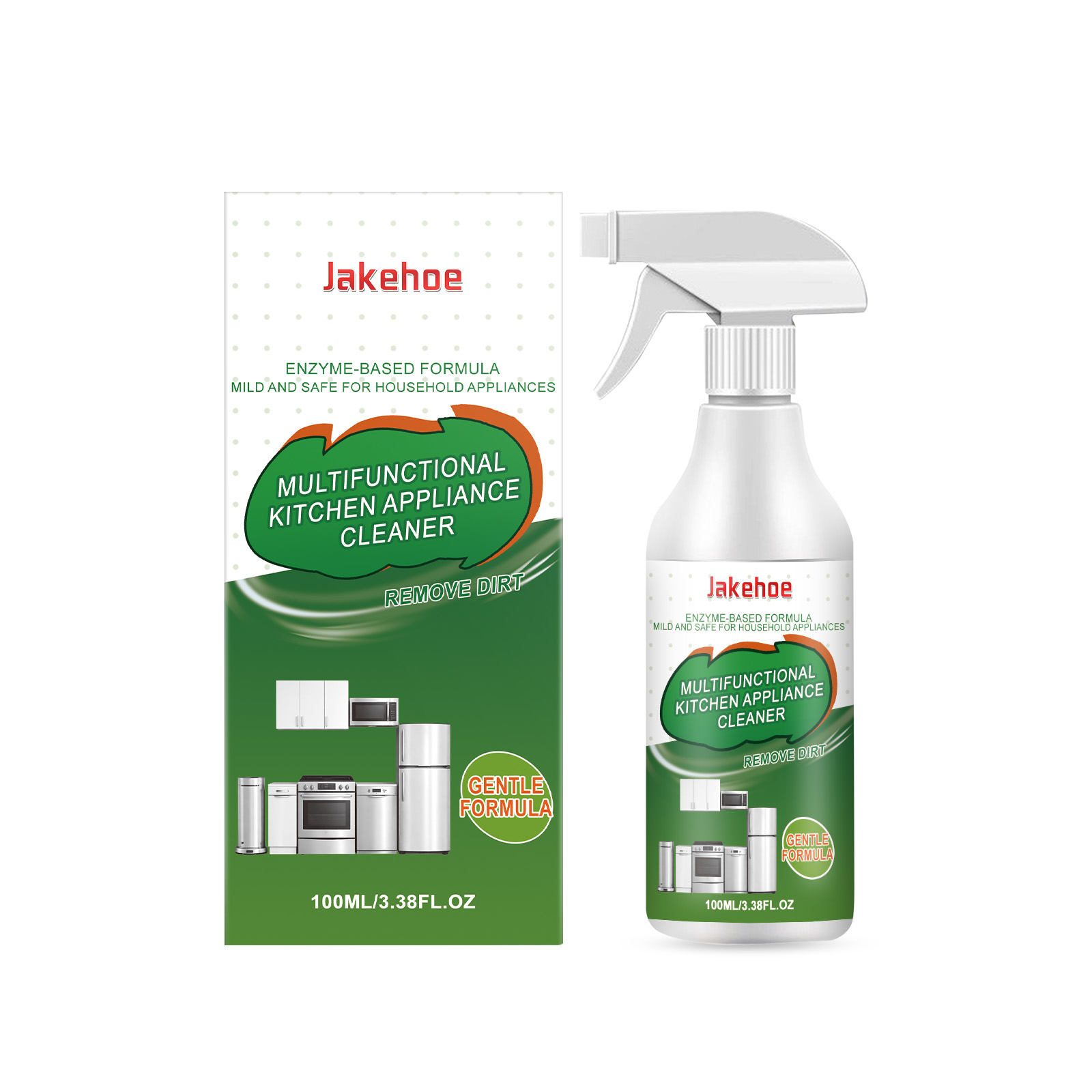 Jakehoe Kitchen Appliance Cleaner - Gentle Cleaning Agent For Removing Oil Stains And Dirt. Shine And Clean$19.99View on Mallflare
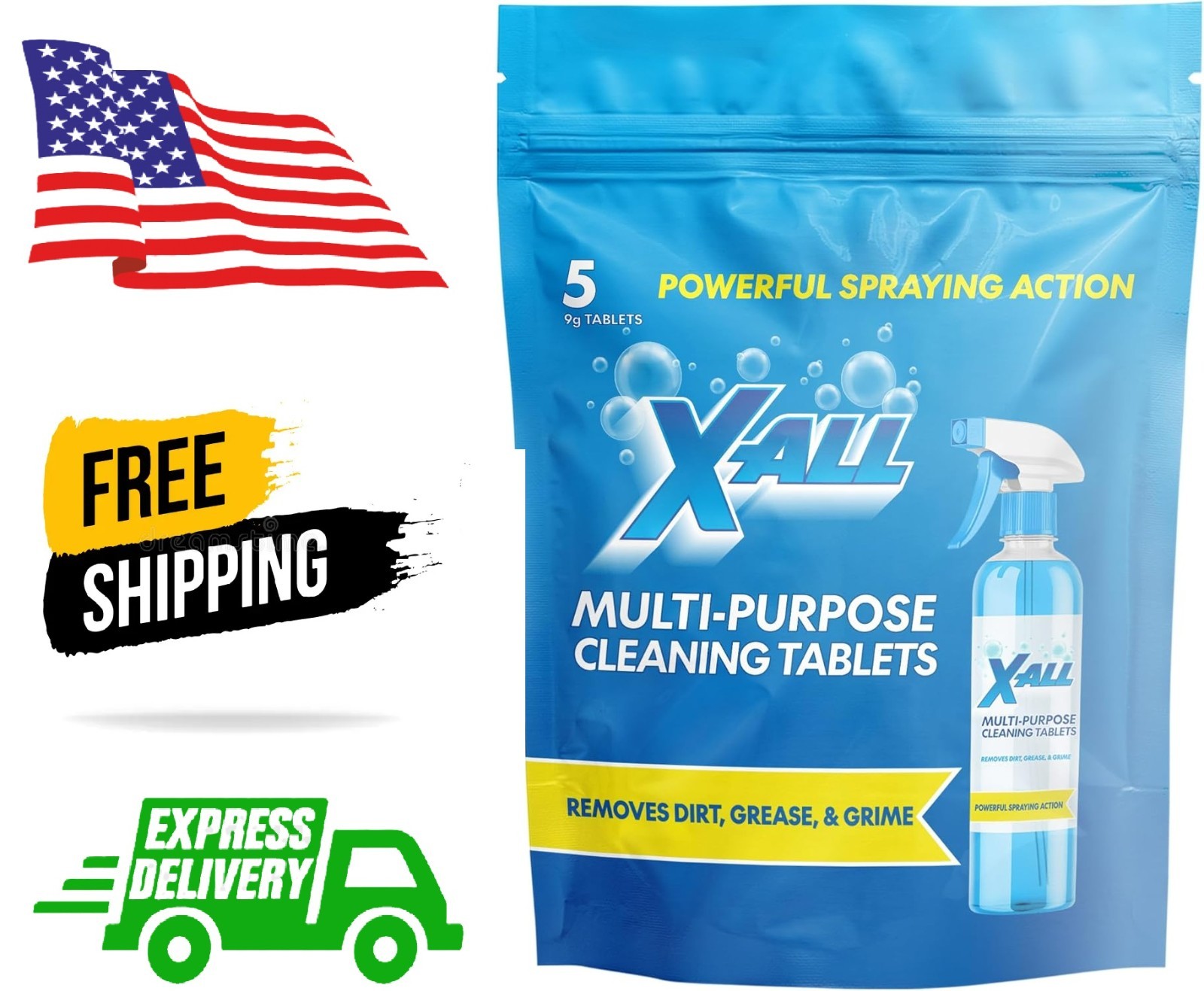 X-ALL Multi-Purpose Cleaner - Spray Bottle and 5x Cleaning Tablets. FREESHIP$23.00View on eBay
 Jakehoe Heavy Oil Cleaning Agent, Household Stove Kitchen Hood To Remove Oil Stains Multi-Functional$19.99View on Mallflare
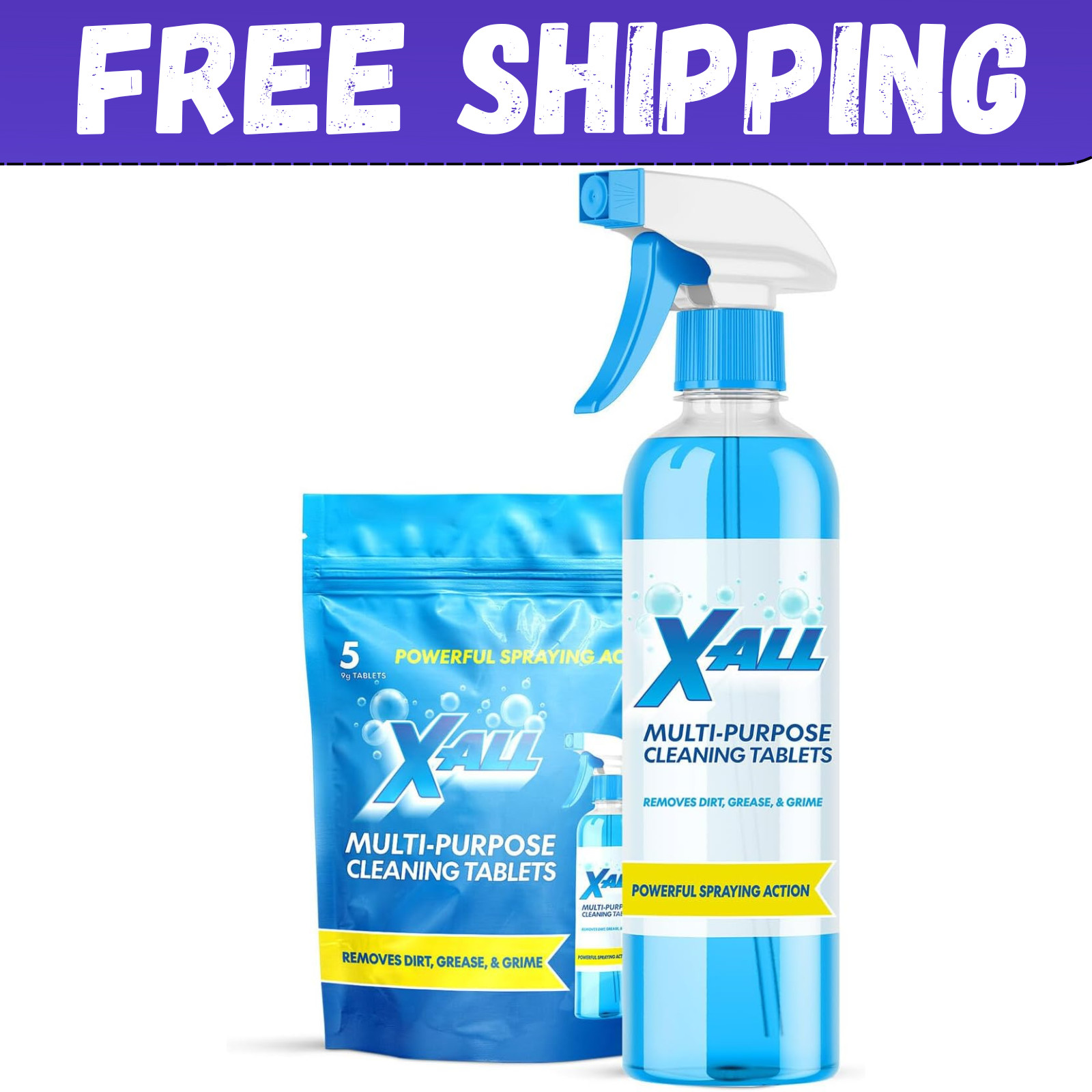 X-ALL Multi-Purpose Cleaner - Spray Bottle and 5x Cleaning Tablets$24.27View on eBay
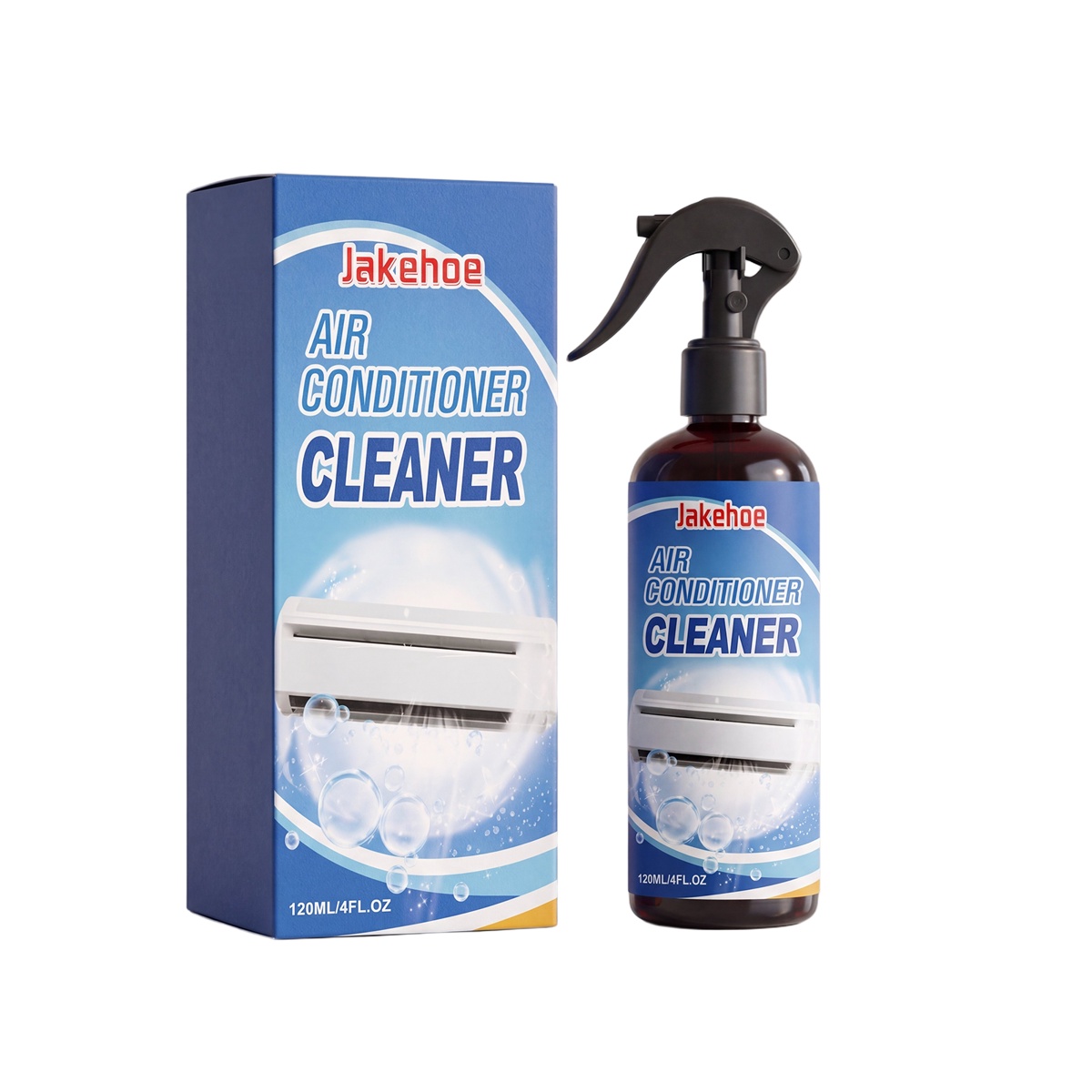 Jakehoe Air Conditioner Cleaner - Household Indoor Unit Filter Cleaning Agent For Removing Dirt And Dust, Daily Foam$19.99View on Mallflare
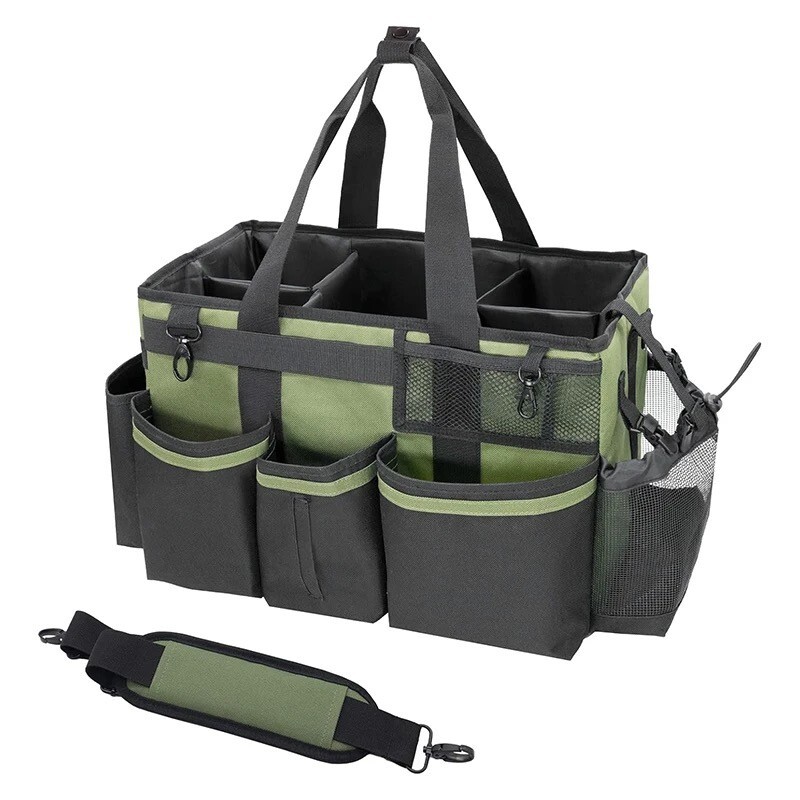 Cleaning Caddy Bag with spray bottle & Towls,Shoulder strap & waist belt.Green$24.50View on eBay
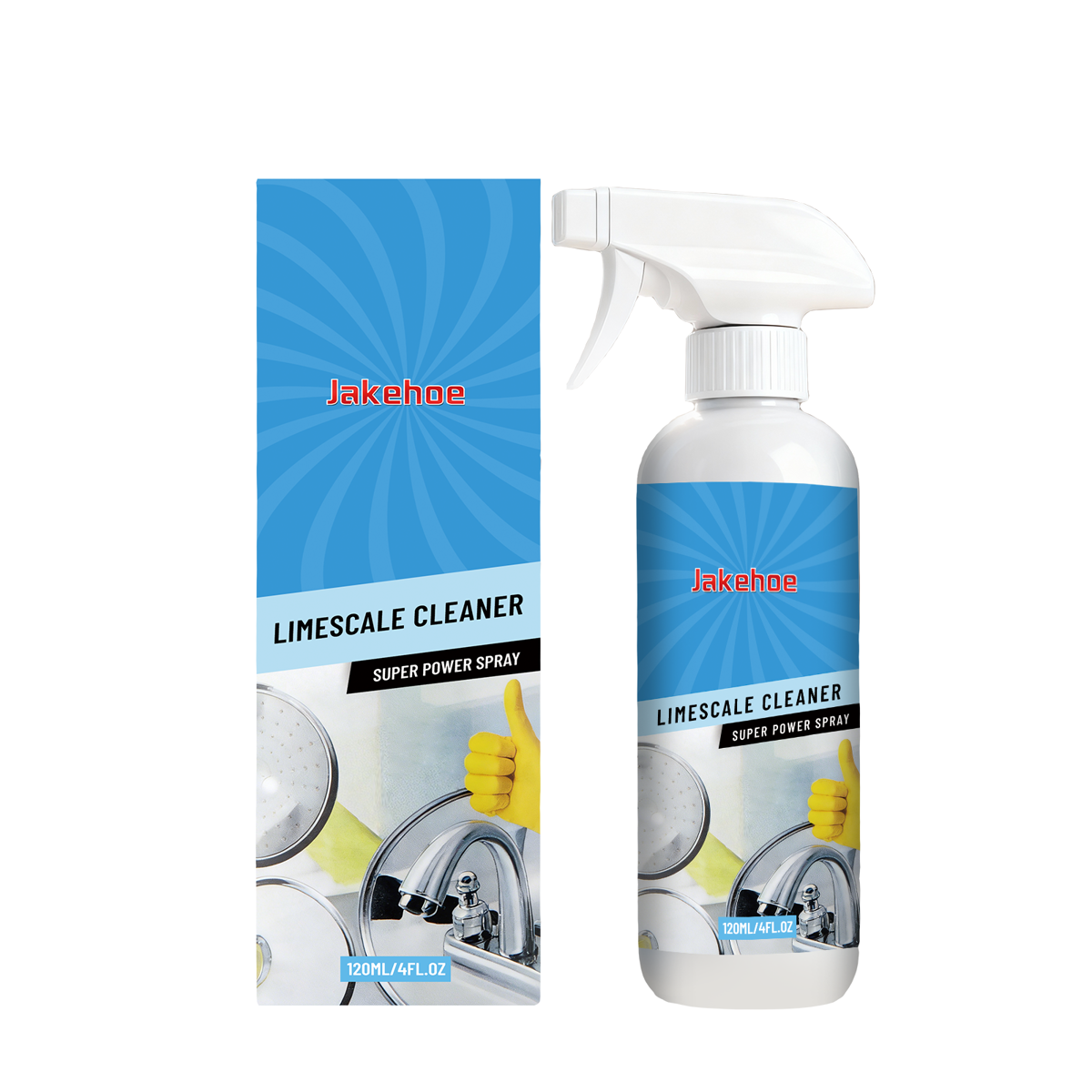 Jakehoe Scale Remover - A Cleaning Agent For Removing Stubborn Deposits From Metal, Ceramic Surfaces Of Faucets And Sinks.$19.99View on Mallflare
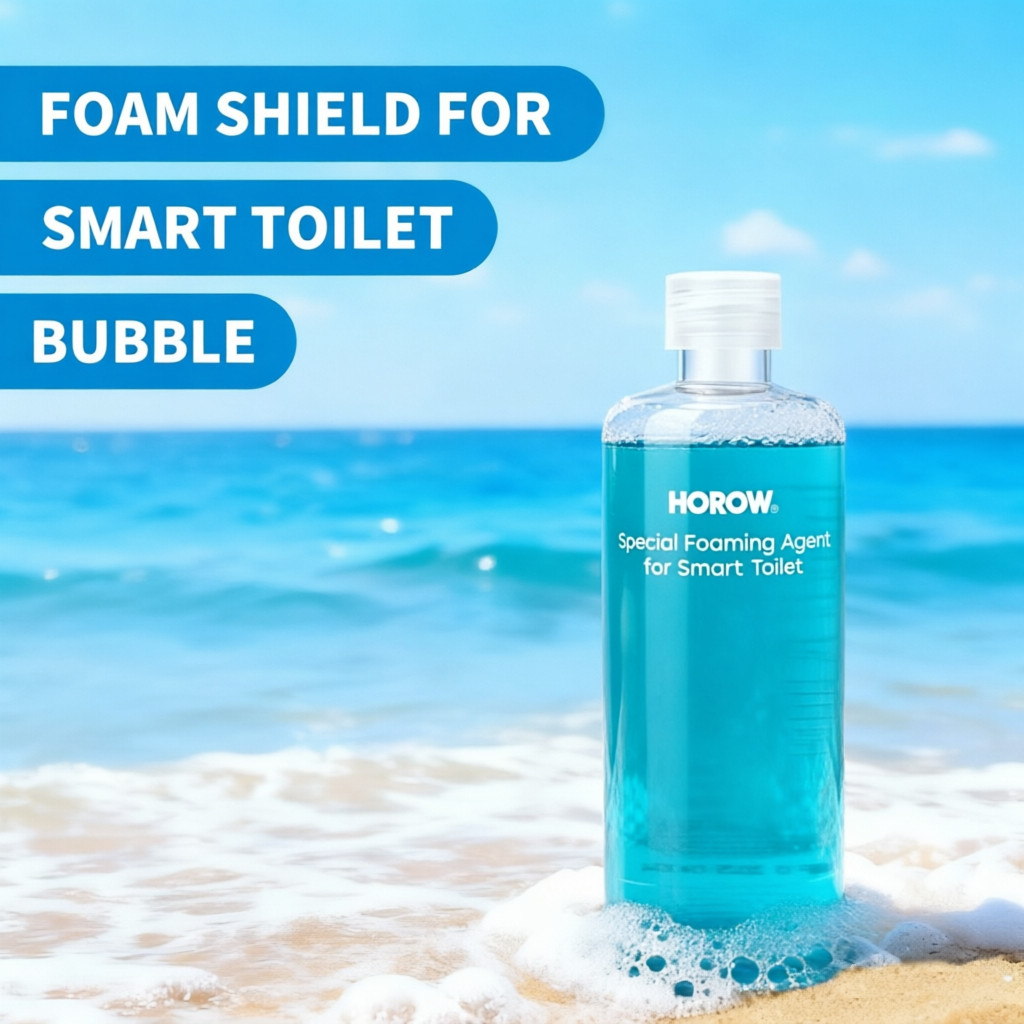 HOROW Smart Toilet Foam Agent Splash Proof Foaming Cleaning Liquid 480ml 2Pack$39.99View on eBay
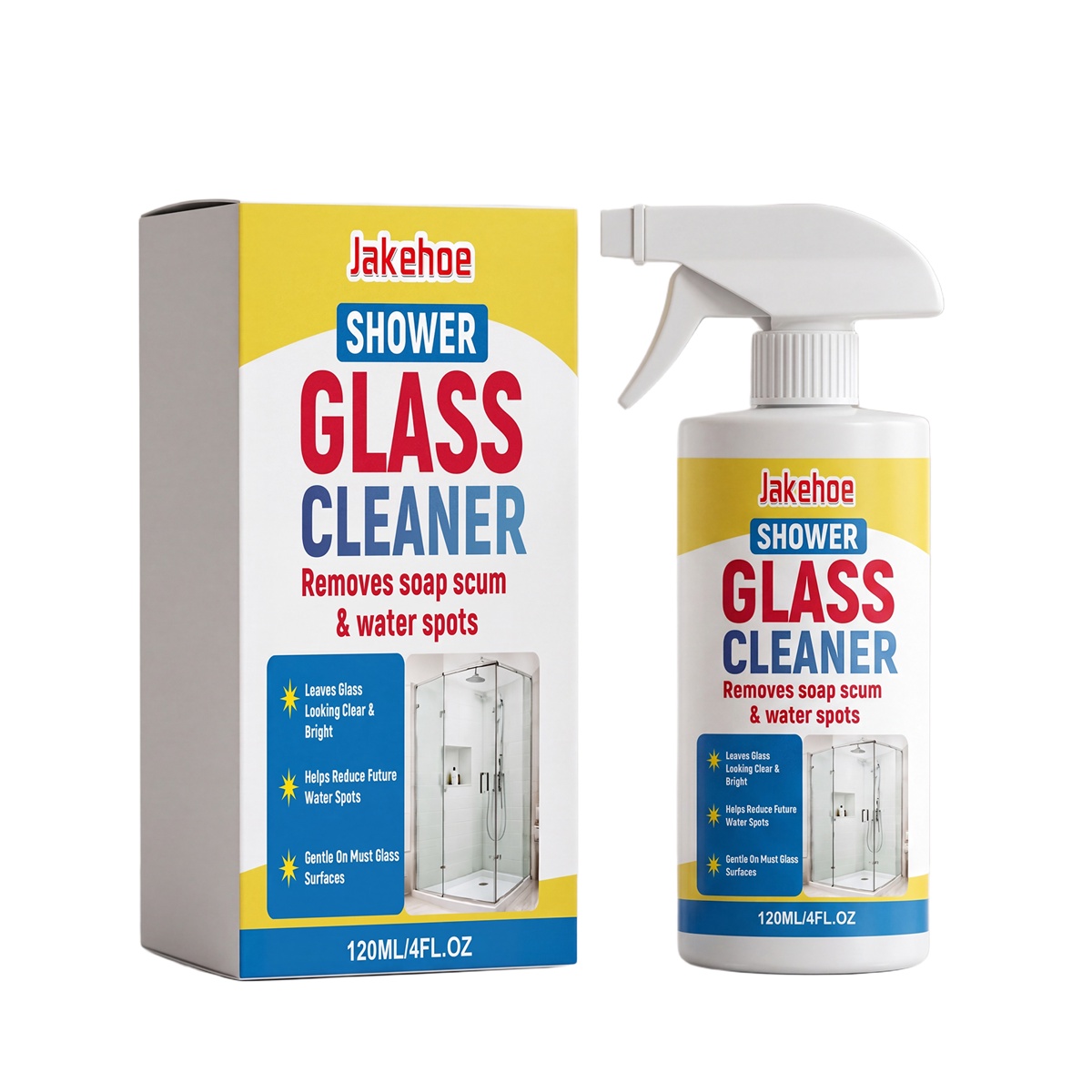 Jakehoe Shower Glass Cleaner, Cleaning Agent For Removing Water Stains And Dirt From Bathroom Mirror At Home$19.99View on Mallflare
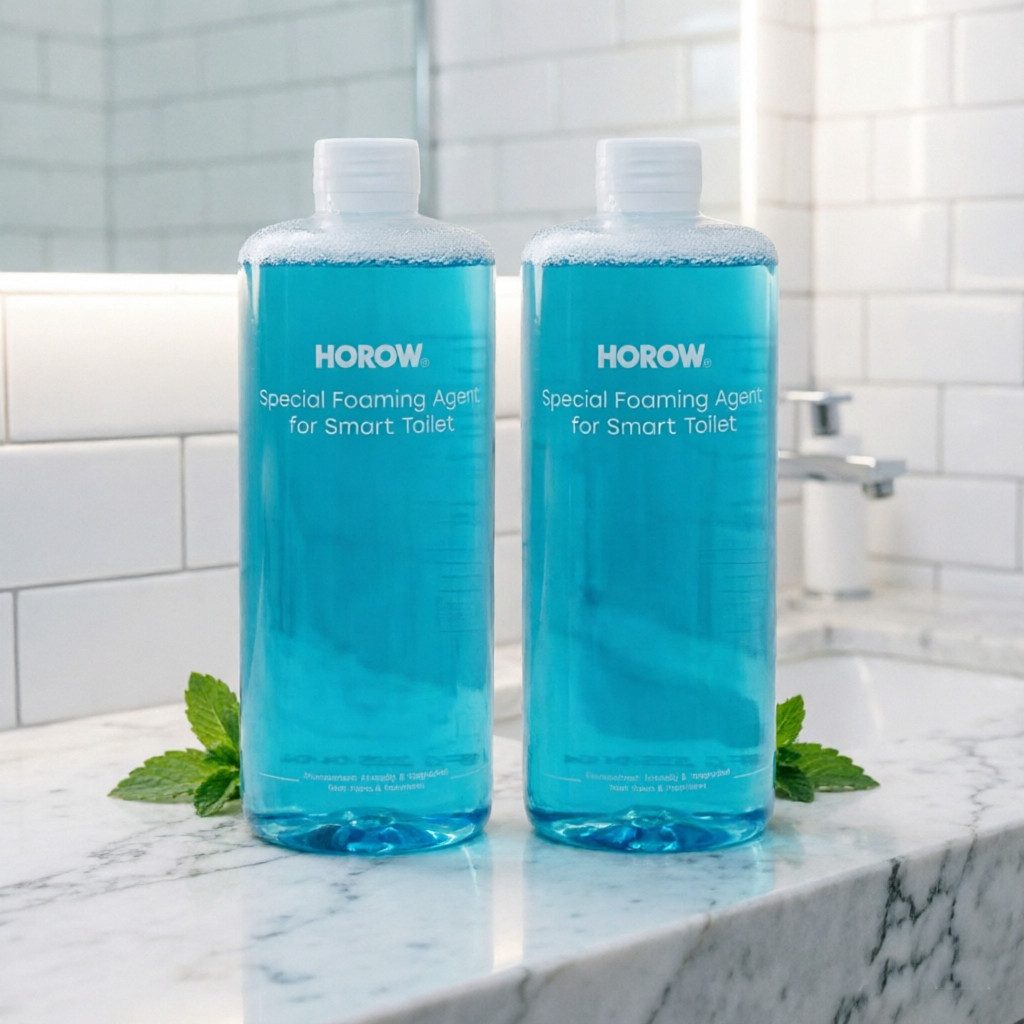 HOROW 2Pcs Smart Toilet Foam Agent Splash Proof Foaming Cleaning Liquid 480ml$39.99View on eBay
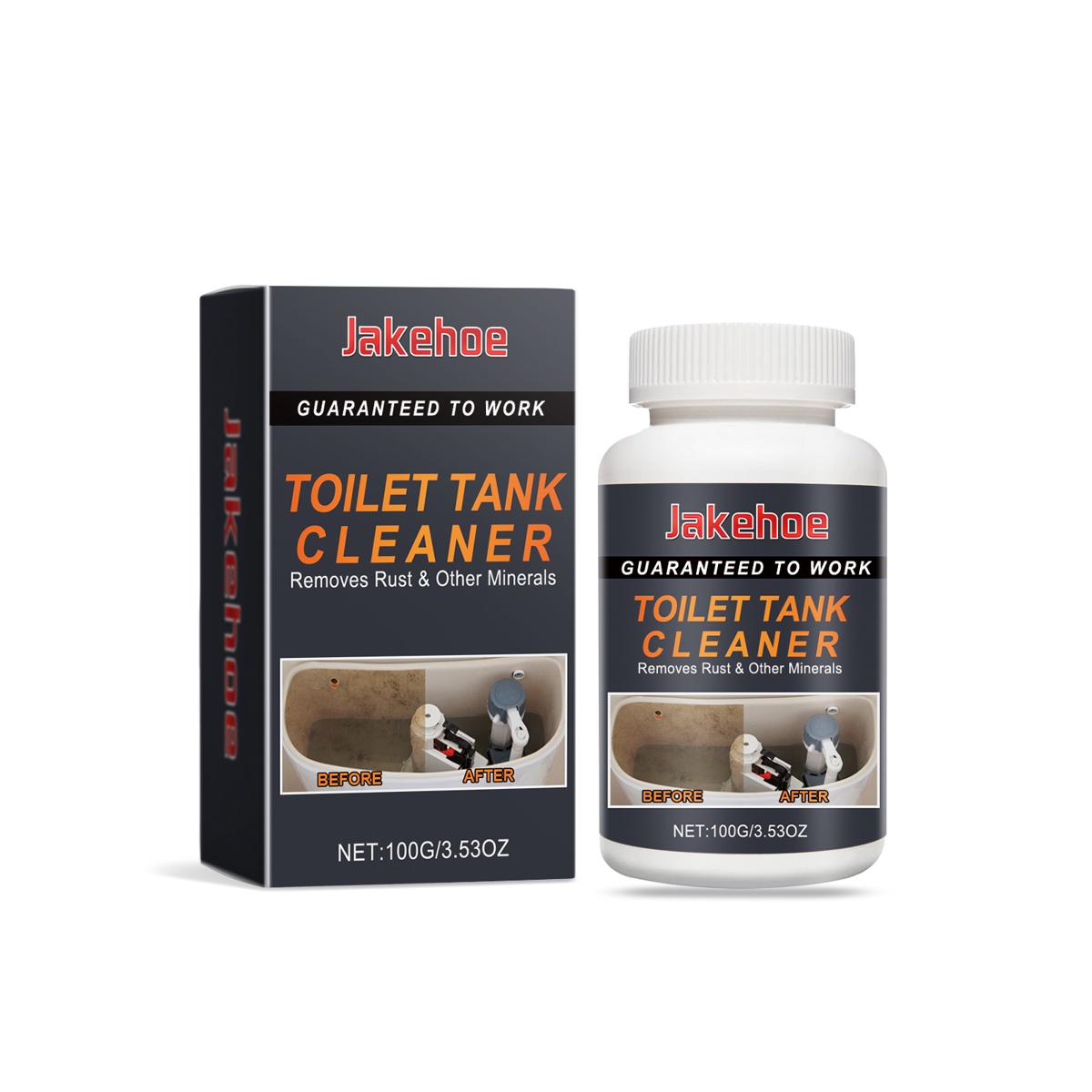 Jakehoe Toilet Tank Cleaner, Decontamination Deodorization Dirt Cleaning Agent$19.99View on Mallflare
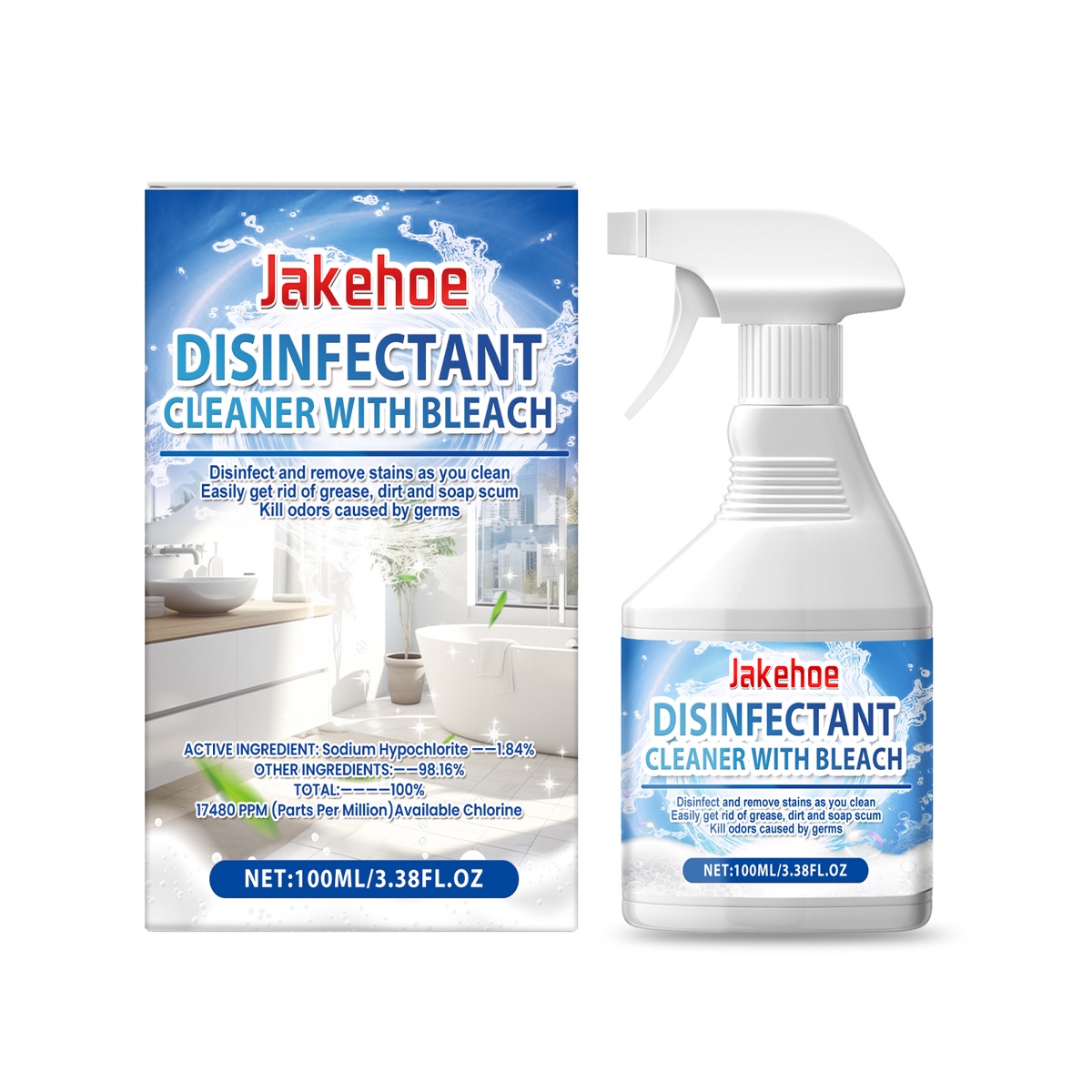 Cleaning Agent, Household 100ml, with Sodium hypochlorite$22.99View on Mallflare
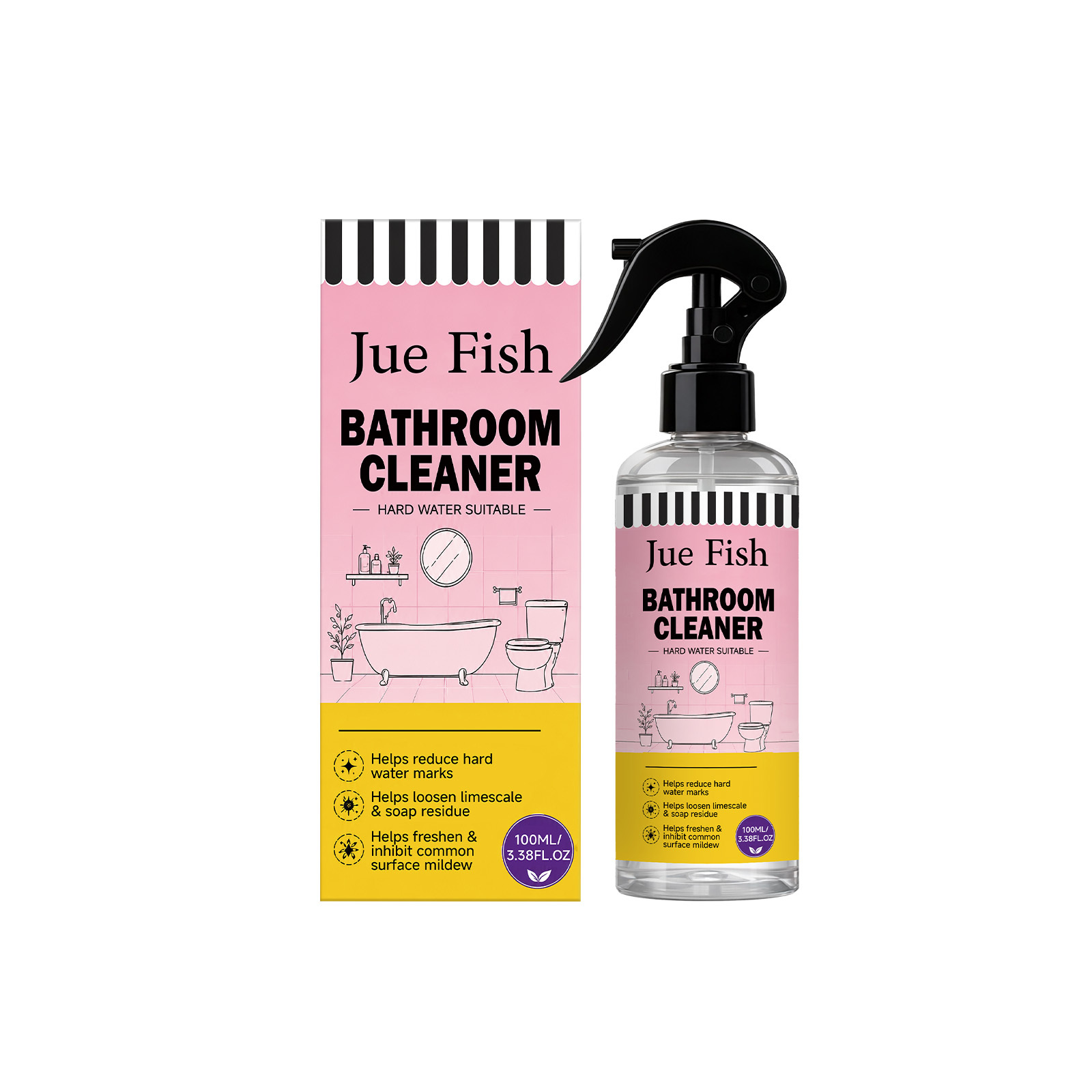 JUE FISH Bathroom Cleaner, 100ml, Cleaning Agent for Home$22.99View on Mallflare
Highlights
- Surfactant-based neutral cleaners (pH 6-8) are safe on sealed stone, laminate, and painted surfaces; alkaline degreasers (pH 10+) cut kitchen grease but can dull aluminum.
- Chlorine bleach (sodium hypochlorite) disinfects and whitens but corrodes stainless steel and is incompatible with ammonia and acid cleaners.
- Citric-acid descalers dissolve hard-water calcium and soap scum without scratching, making them the safe pick for glass, chrome, and coffee equipment.
- Tablet formats typically use effervescent binders with surfactant and chelating agents; one tablet per standard spray bottle gives consistent dilution without measuring.
Best use cases
- For kitchen degreasing, pick an alkaline gel or foam labeled for baked-on grease; skip neutral multi-surface sprays that only lift light oil films.
- For bathroom soap scum and hard water, choose a citric- or sulfamic-acid cleaner; skip bleach-only products that whiten grout but leave mineral scale.
- For daily counters, glass, and sealed stone, use a neutral pH multi-surface spray; skip solvent-heavy degreasers that leave residue or haze.
- For jewelry and delicate metals, buy a dedicated non-ammoniated jewelry solution or a mild dish-soap dilution; skip bleach and abrasive bathroom cleaners entirely.
Buying tips
- Dilution math: a 1:10 concentrate ratio yields roughly 170 fl oz of ready-to-use cleaner from a 16.9 fl oz bottle—cheaper per use than pre-diluted sprays.
- Match pH to surface: neutral (6-8) for sealed stone, wood, and laminate; alkaline (10+) for grease and ovens; acid (2-4) for scale and rust.
- Check active ingredient class rather than scent: quaternary ammonium for disinfecting, sodium hypochlorite for whitening, citric acid for descaling.
- For tablet systems, confirm the tablet dissolves in the bottle's water volume—standard spray bottles are 16-24 fl oz and take one tablet per fill.
Specs
| Formula Type | Neutral / Alkaline / Acidic |
|---|---|
| Active Ingredient | Surfactant, bleach, quat, citric acid |
| Format | Spray, concentrate, tablet, gel |
| Dilution Ratio | RTU or 1:4 to 1:10 concentrate |
Related searches
What to check before buying
- Measure your sprayer or bucket volume so concentrate dilution ratios match the label—most bottles hold 16-24 fl oz.
- Identify your counter and floor materials (sealed stone, laminate, vinyl, hardwood) and verify the cleaner is pH-compatible before buying.
- Confirm ventilation and glove needs for high-pH or bleach-based products, especially in small bathrooms without windows.
- Check compatibility with companion tools: microfiber pads for neutral sprays, scrub brushes for gels, and spray triggers that fit concentrate bottles.
FAQ
Data sources: eBay / Amazon listings and product attribute feeds Data updated Nov 18, 2026.
Some links on this page are affiliate links. If you buy after clicking one, we may earn a commission at no extra cost to you. This does not change which products appear here or their order. Affiliate disclosure.