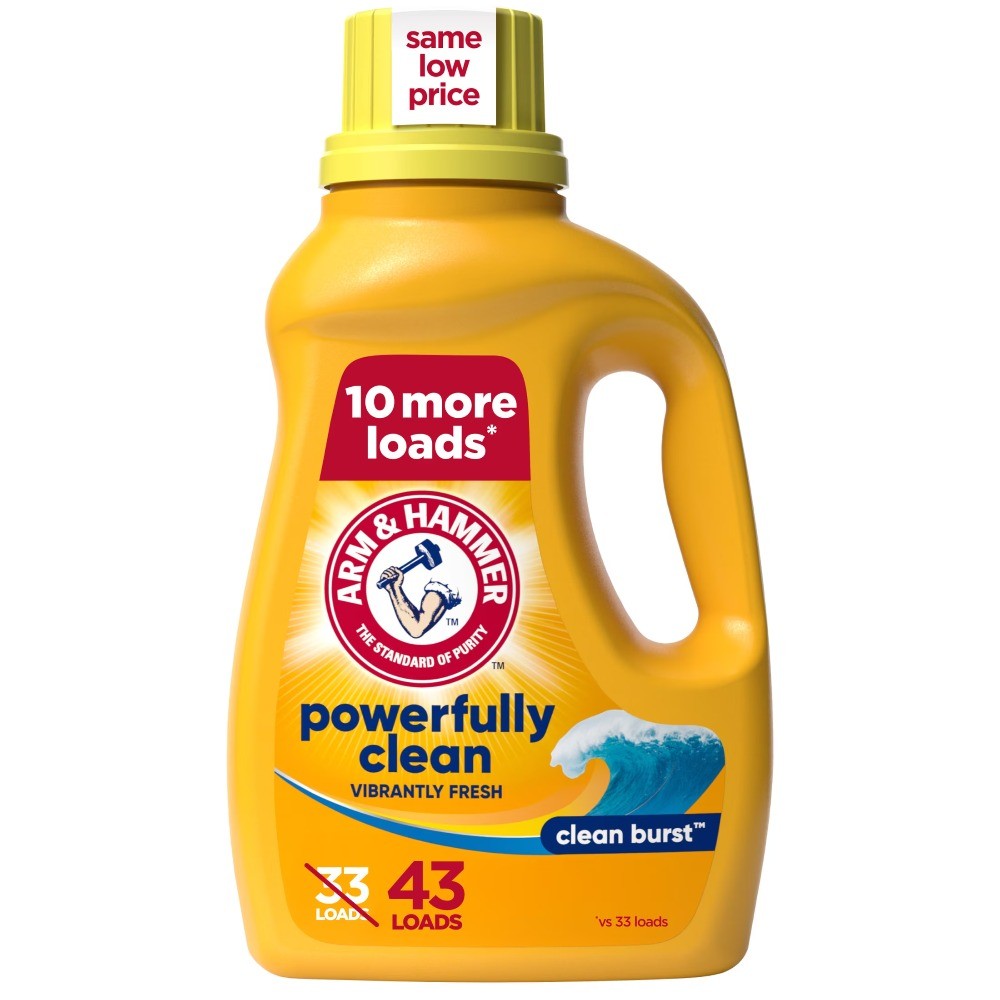

Photos from current listings. Actual item, color, and included accessories may vary.
Clean Laundry Detergent Buying Guide
Clean laundry detergent covers liquid, powder, and pod formats formulated for effective soil removal without dyes or harsh additives. The core trade-off is between surfactant strength, water hardness tolerance, and cost-per-load; liquid excels in cold water and pretreatment, powder wins on heavy soil and hard water, and pods trade flexibility for dose accuracy. Decision rule: pick a concentrated liquid with ≥5 enzymes for general cold-water use, a powder with built-in water softener for hard water and heavy soil, and skip any product that lists fillers above surfactants or lacks a clear load count.


At a glance
- Category
- Household Cleaning & Paper Supplies
- Data updated
- Nov 18, 2026
Current offers
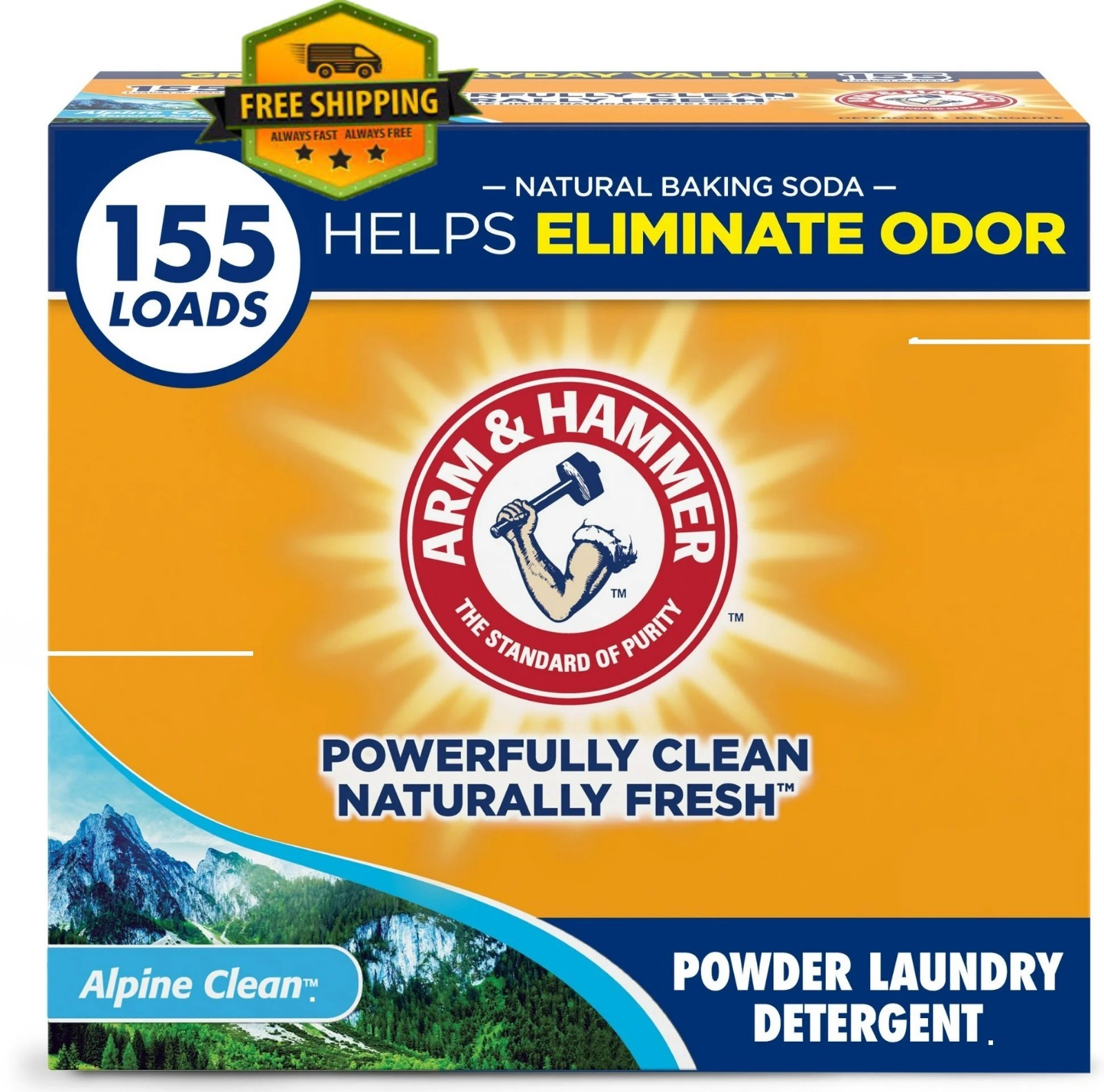
Highlights
- Liquid detergents use 3–7 enzymes plus surfactants at 20–40% concentration; 'clean' variants omit dyes and optical brighteners but retain similar surfactant loads.
- Powder detergents typically include sodium carbonate and zeolites for water softening, giving better performance above 150 ppm hardness than most liquids.
- Pod and single-dose formats dose 15–25 g per load accurately but cannot be split for small loads or pretreating; liquid allows 10–15 mL increments.
- High-efficiency (HE) formulations are low-sudsing for front-loaders; non-HE liquids can cause oversudsing and machine faults in HE washers.
Best use cases
- Best for cold-water everyday laundry and pretreatment: a concentrated liquid with ≥5 enzymes and no dyes—apply directly to stains before washing.
- Best for hard water (above 150 ppm) and heavy soil: a powder with sodium carbonate or zeolite builders; skip liquid-only formulas that lack water softeners.
- Wrong fit: pods for households washing small loads or hand-washing—pods cannot be split and leave residue in short cycles; choose liquid instead.
- Wrong fit: 'free & clear' liquids for greasy workwear—they often reduce surfactant levels; pick a powder or a liquid with added enzymes for oil and clay.
Buying tips
- Match detergent to washer type: HE-labeled formulas for front-loaders and high-efficiency top-loaders; standard liquids for traditional agitator machines only.
- For hard water, add a water softener or choose a powder with ≥20% builder content; liquids without builders need a separate softening agent.
- Calculate cost-per-load by dividing container volume by the labeled load count at the standard dose—ignore 'extra loads' claims that assume half doses.
- Check enzyme listings: protease for protein stains, amylase for starches, lipase for fats, and cellulase for fiber care; more enzymes generally mean broader stain coverage.
Specs
| Formula Type | Liquid / Powder / Pods |
|---|---|
| Enzyme Count | 3–7 enzymes typical |
| Water Hardness | Powder >150 ppm; Liquid <150 ppm |
| HE Compatibility | HE-labeled for front-loaders |
Related searches
What to check before buying
- Confirm your washer type (HE front-load, HE top-load, or agitator) and whether it requires low-sudsing HE detergent.
- Measure water hardness with a test strip; if above 150 ppm, plan for a builder-containing powder or a separate softener.
- Check load sizes: small households washing under 8 lb per load should avoid pods and choose liquid for adjustable dosing.
- Verify the detergent is compatible with your wash temperature range; enzyme liquids work best at 60–90°F, while powders can handle hotter cycles.
FAQ
Data sources: eBay / Amazon listings and product attribute feeds Data updated Nov 18, 2026.
Some links on this page are affiliate links. If you buy after clicking one, we may earn a commission at no extra cost to you. This does not change which products appear here or their order. Affiliate disclosure.