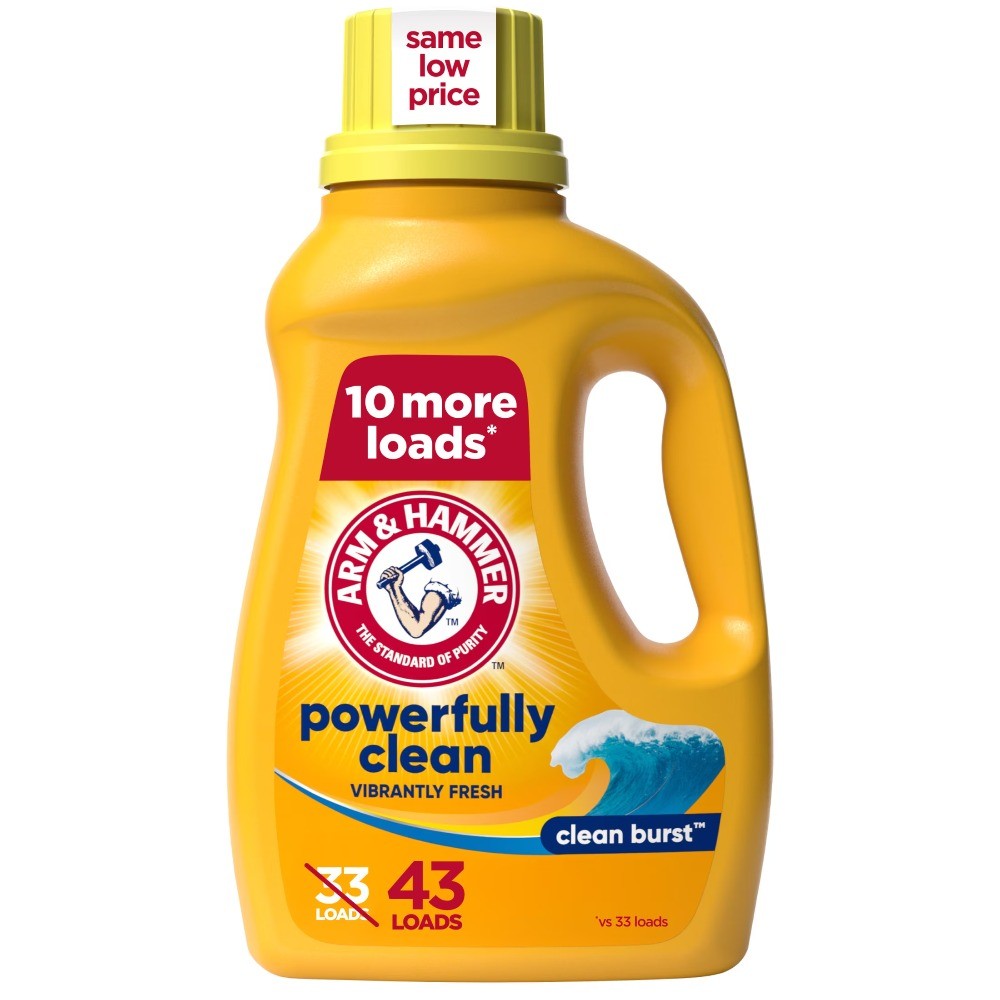

Photos from current listings. Actual item, color, and included accessories may vary.
Clean Detergent Buying Guide
Clean detergent covers liquid, powder, and single-dose formats formulated to lift soils without dyes or heavy perfumes, where the real trade-off is between cleaning power (surfactant load, enzymes, water conditioners) and gentleness on fabrics and skin. The decisive rule: choose a concentrated liquid or powder with a known active-ingredient tier and a measured dose per load, and skip any product that lists vague 'stubborn dirt' claims without a load count or surfactant percentage.


At a glance
- Category
- Household Cleaning & Paper Supplies
- Data updated
- Nov 18, 2026
Current offers
Highlights
- Liquid detergents use 10-20% anionic/nonionic surfactant plus enzymes; powder formulas reach 20-30% surfactant and add builders like sodium carbonate for hard water.
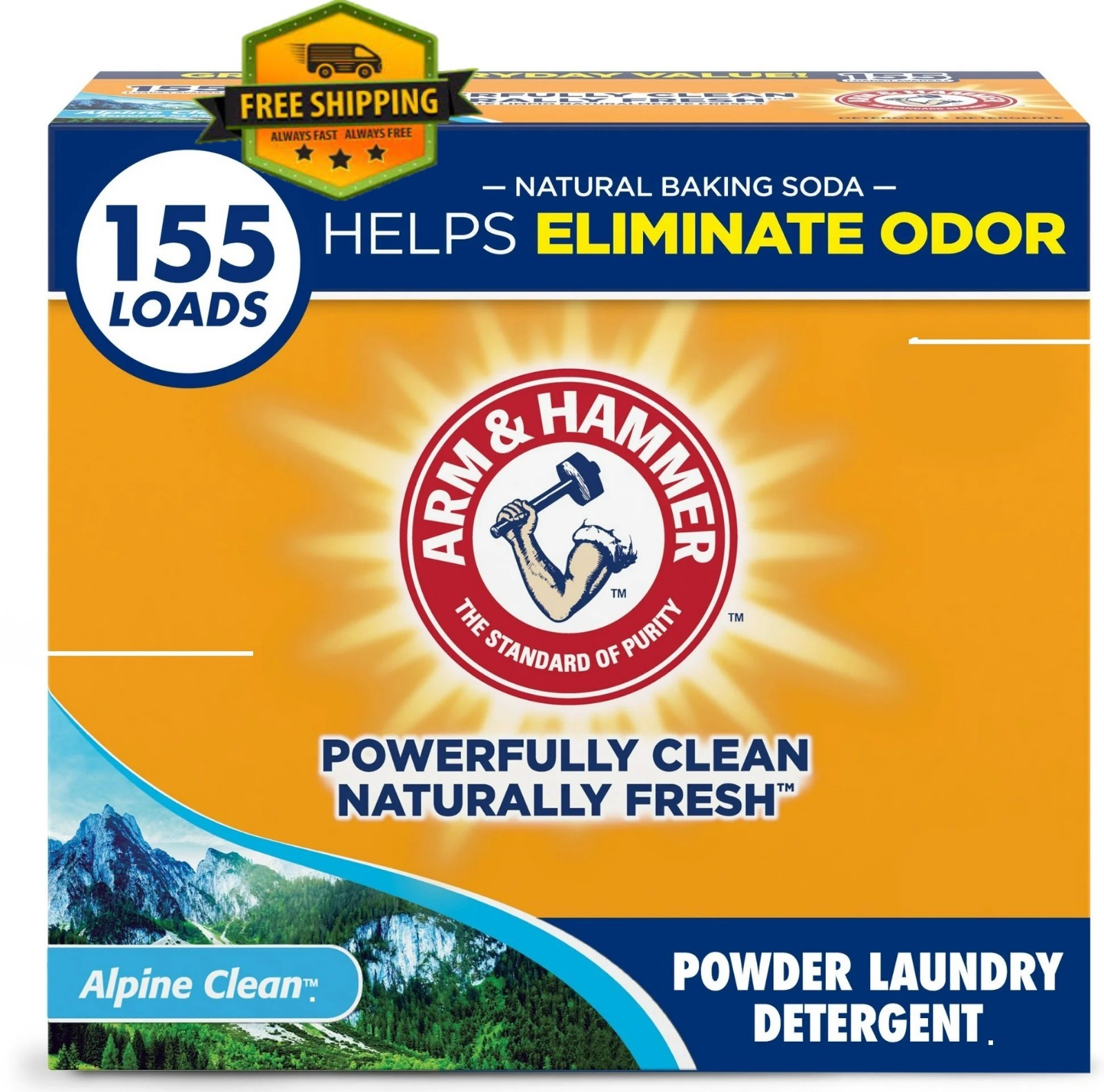
- Concentrated 2x-4x liquids deliver 25-40 ml per load; standard liquids need 60-90 ml, so load-count labels (43 vs 155 loads) reveal real cost per wash.
- Powder detergent remains active indefinitely at 9-10 lb package sizes with no water weight, giving roughly 3-4 times the load count of a same-weight liquid.
- Fragrance-free and dye-free tiers (e.g., 'Free & Clear') remove optical brighteners and masking perfumes, which are the leading triggers for contact dermatitis in detergents.
Best use cases
- Best fit: high-efficiency front loaders and hard-water households — pick a powder with builders or a liquid labeled HE with a chelator; skip low-surfactant 'eco' liquids that leave mineral film.
- Best fit: sensitive-skin or baby laundry — choose a free-and-clear liquid with zero dyes and <1% fragrance; skip 'clean burst' scent-boosted variants that use encapsulated perfume.
- Best fit: budget bulk washing (family, towels, workwear) — a 9-10 lb powder at 140-160 loads beats a 43-load liquid on cost per wash; skip single-dose pods for small or heavily soiled loads where dose flexibility matters.
Buying tips
- Read the load count against the package weight: powder at ~30 g/load yields 150 loads from 9.5 lb, while liquid at ~40 ml/load yields only ~43 loads from 43 fl oz.
- Match surfactant tier to water hardness: above 7 grains per gallon, choose a powder with sodium carbonate or a liquid with EDTA/citrate builders; soft water needs only 15-25 ml of concentrated liquid.
- For HE machines, confirm the 'HE' mark and low-suds surfactant system; standard detergents over-foam and can trigger washer error codes or leave residue.
- Prefer enzyme blends listing protease, amylase, and lipase for food, starch, and grease soils; enzyme-free formulas suit wool and silk but underperform on everyday stains.
Specs
| Format | Liquid / Powder / Single-dose pod |
|---|---|
| Surfactant Load | Liquid 10-20% / Powder 20-30% |
| Dose Per Load | Concentrated 25-40 ml / Standard 60-90 ml |
| HE Compatibility | Low-suds HE mark required |
Related searches
What to check before buying
- Measure your washer drum capacity and load size: front loaders typically need 25-40 ml concentrated liquid, top loaders 40-60 ml; dose labels assume a 4-5 kg load.
- Test your water hardness with a strip — above 7 gpg requires a builder-containing powder or a liquid plus separate water softener.
- Confirm the detergent format suits your dispenser: powder can clog front-loader drawer siphons in cold cycles, so use a liquid or dissolve powder first.
- For sensitive skin, patch-test a free-and-clear formula on one garment and verify the ingredient list is dye-free and fragrance-free before bulk buying.
FAQ
Data sources: eBay / Amazon listings and product attribute feeds Data updated Nov 18, 2026.
Some links on this page are affiliate links. If you buy after clicking one, we may earn a commission at no extra cost to you. This does not change which products appear here or their order. Affiliate disclosure.