Photos from current listings. Actual item, color, and included accessories may vary.
Car Glass Cleaner Buying Guide
Car glass cleaners are formulated to cut through road film, interior vinyl off-gassing, and bug residue without streaking or damaging tint. The core trade-off is ammonia-based vs ammonia-free chemistry: ammonia excels on exterior glass but can degrade aftermarket tint and interior plastics. Choose a dedicated automotive glass formula (foaming or aerosol) with a proven surfactant package; skip generic household glass sprays that leave films on automotive glass.

At a glance
- Category
- Household Cleaning & Paper Supplies
- Data updated
- Nov 18, 2026
Current offers
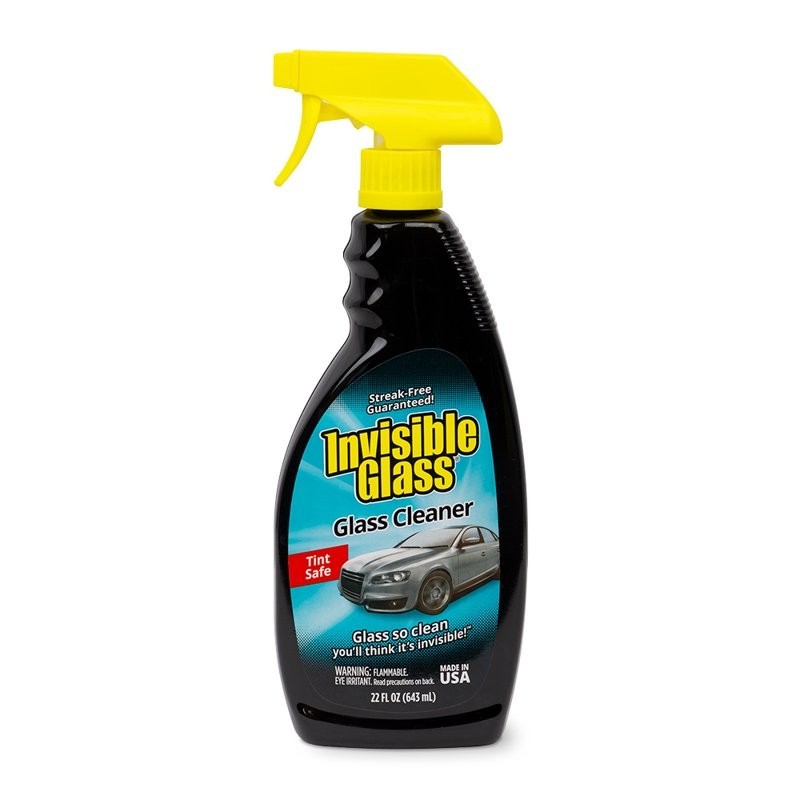 Stoner Car Care Invisible Glass Premium Glass Cleaner and Window Spray 22Oz$4.48
 View on eBay
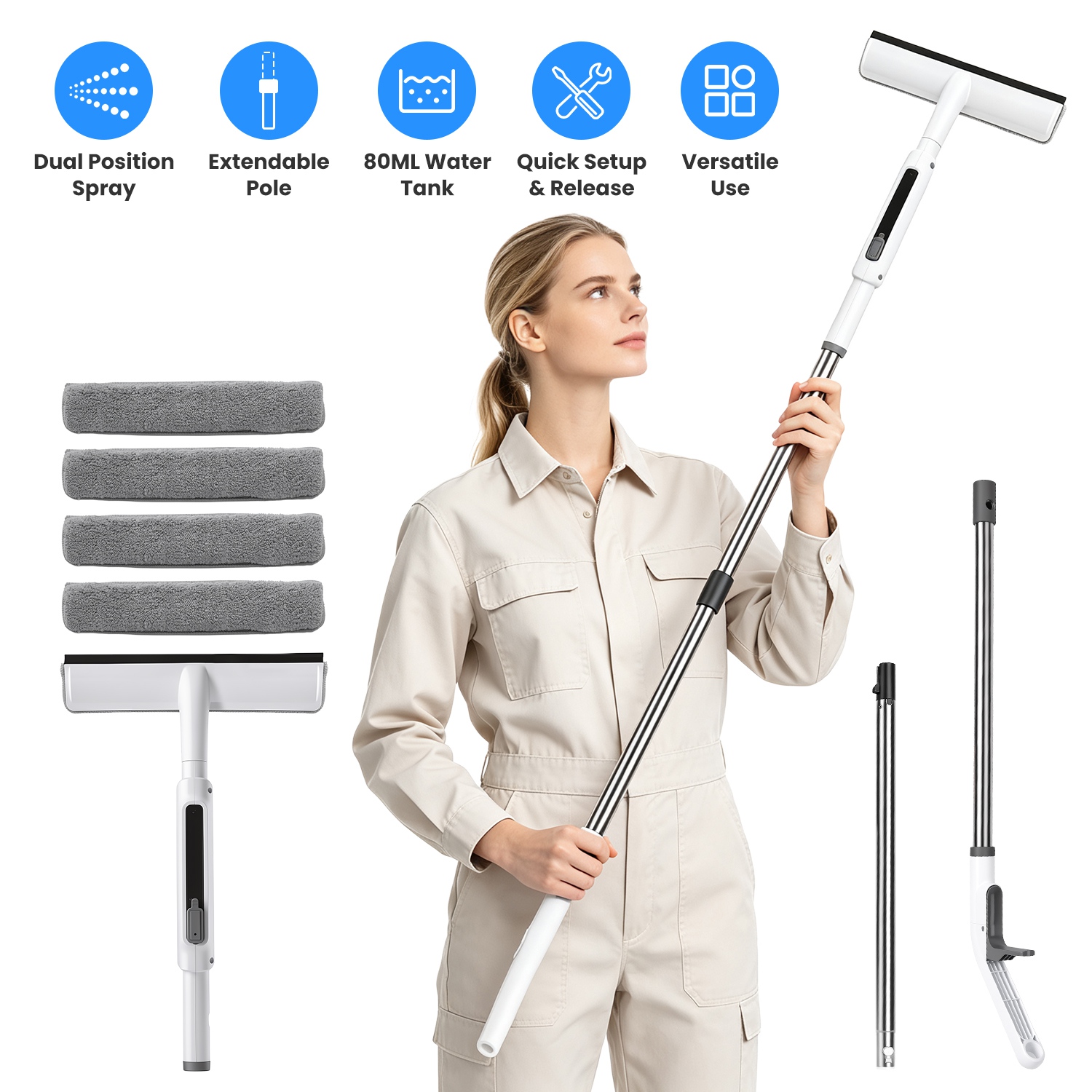 3 In 1 Spray Window Squeegee With Extendable Pole Cleaner Tool 80ml Water Tank Dual Trigger 5 Microfiber Pads Scraper For Windows Mirrors Shower Glass Car Windshields$36.99
 View on Mallflare
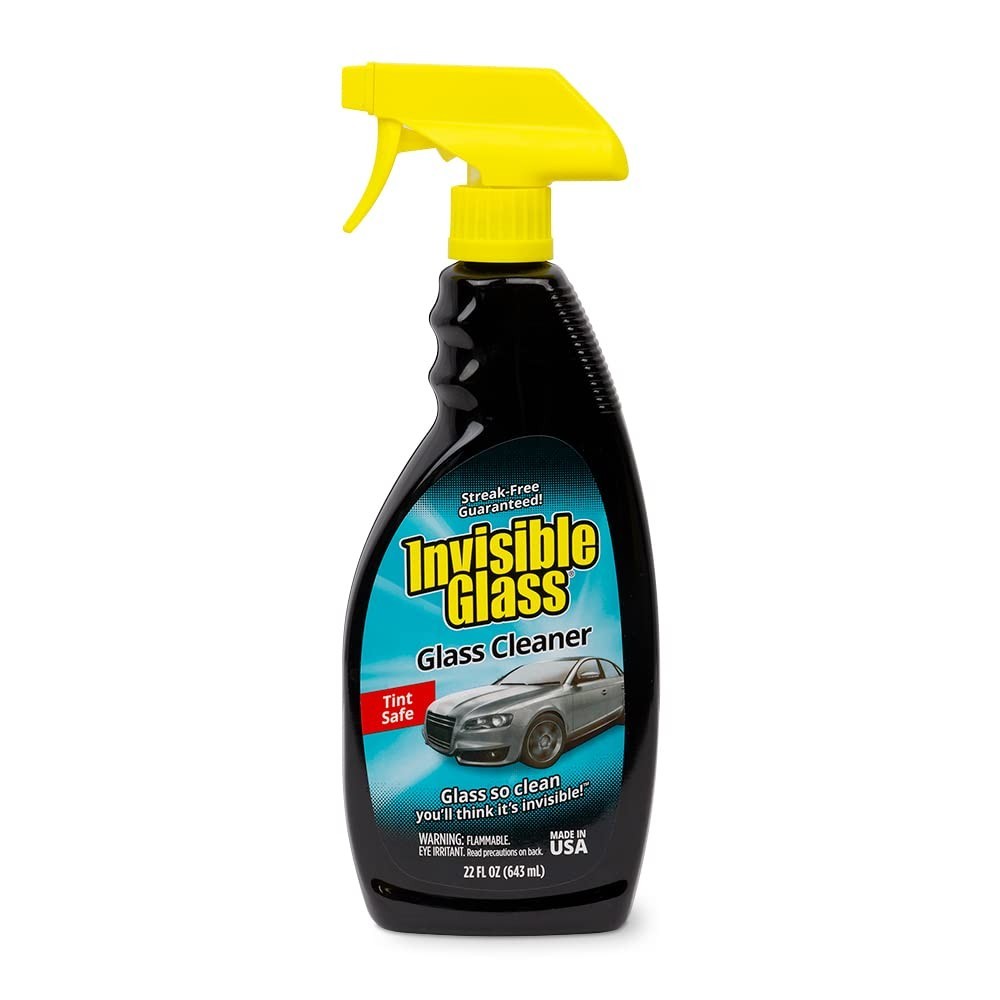 Stoner Car Care Invisible Glass Premium Glass Cleaner and Window Spray 22Oz$9.20View on eBay
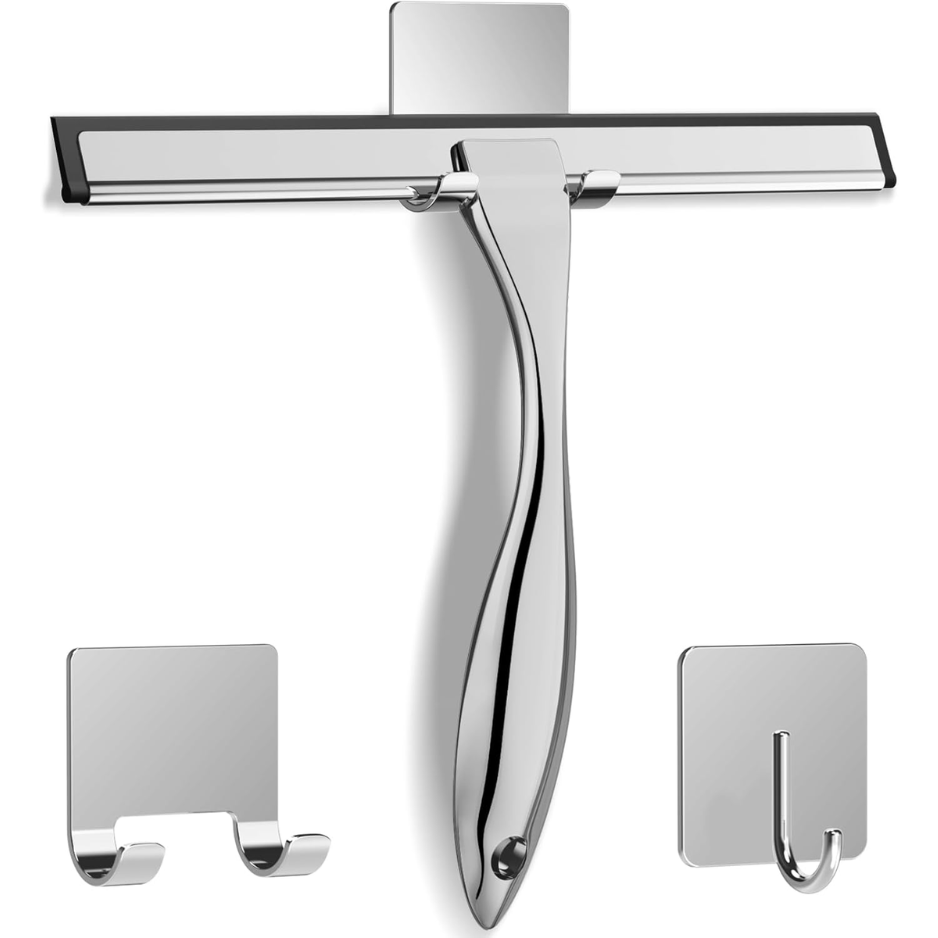 Stainless Steel Shower Squeegee 10 Inch With 2 Adhesive Hooks, Silver Glass Cleaner For Windows, Mirrors, Tile And Car$52.99View on Mallflare
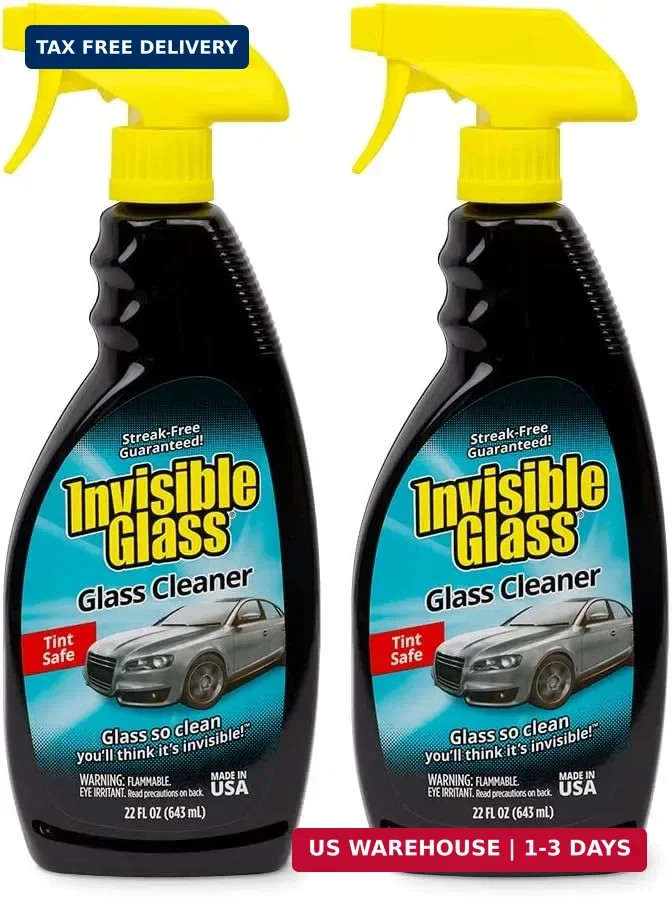 2 Pack Stoner Car Care Invisible Glass Premium Glass Cleaner, Window Spray 22Oz$13.17View on eBay
Highlights
- Ammonia-free formulas are mandatory for aftermarket window tint; ammonia-based sprays can cloud or degrade film over repeated use.
- Aerosol foaming cleaners (e.g., Stoner Invisible Glass) cling to vertical glass, dissolve road film, and reduce drip waste vs trigger sprays.
- Concentrated 22 fl oz bottles dilute 1:1 or 1:3 with distilled water, yielding multiple refills and lower per-use cost than ready-to-use.
- Microfiber weave matters: 300-400 GSM waffle or plush towels trap grit and prevent micro-scratches; low-GSM towels smear.
Best use cases
- Best for exterior windshields with heavy bug/road film: aerosol foaming ammonia-based cleaner plus a 400 GSM waffle microfiber.
- Best for tinted side/rear windows and interior glass: ammonia-free trigger spray or concentrate diluted with distilled water.
- Wrong fit: household blue glass cleaner on tinted windows or dashboard screens—ammonia and dyes can damage film and anti-glare coatings.
- Wrong fit: squeegee-only kits for interior glass—squeegees are for exterior flat glass; interior curved glass needs microfiber pads.
Buying tips
- For tinted windows, confirm 'ammonia-free' and 'tint-safe' on the label; ammonia-based formulas void most tint warranties.
- Choose aerosol foam for exterior vertical glass (cling time) and trigger spray for interior or large flat areas; concentrates cut cost per use.
- Dilute concentrates only with distilled water—tap minerals leave spots that mimic streaks on automotive glass.
- Match towel to task: 300+ GSM waffle weave for final wipe, plush 350+ GSM for interior; avoid paper towels that shed lint.
Specs
| Chemistry | Ammonia vs ammonia-free |
|---|---|
| Format | Aerosol foam / trigger / concentrate |
| Tint Safety | Tint-safe vs not for tint |
| Coverage | ~30 sq ft per 22 fl oz RTU |
Related searches
What to check before buying
- Measure your windshield and rear glass: aerosol foam covers ~20 sq ft per can; trigger spray 22 fl oz covers ~30 sq ft.
- Confirm tint presence and type (factory dyed, ceramic, metallic) before selecting ammonia-free chemistry.
- Check storage temperature: most formulas freeze below 32°F; store indoors if garage is unheated.
- Have two microfiber towels per window (one wet, one dry) and a dedicated glass towel—fabric softener residue causes streaks.
FAQ
Data sources: eBay / Amazon listings and product attribute feeds Data updated Nov 18, 2026.
Some links on this page are affiliate links. If you buy after clicking one, we may earn a commission at no extra cost to you. This does not change which products appear here or their order. Affiliate disclosure.