Photos from current listings. Actual item, color, and included accessories may vary.
Beeswax Wood Floor Buying Guide
Beeswax wood floor products are solid paste waxes or liquid emulsions that clean, polish, and protect sealed or oiled wood floors while hiding fine scratches. The core trade-off is between pure beeswax blends that feed and seal wood without silicone versus cheap paraffin or plastic-heavy pastes that leave a slippery film and attract dirt. Choose a solvent- or oil-based beeswax paste for oiled and waxed floors, and avoid any wax labeled for painted or lacquered surfaces where solvent can soften the finish.


At a glance
- Category
- Household Cleaning & Paper Supplies
- Data updated
- Nov 18, 2026
Current offers
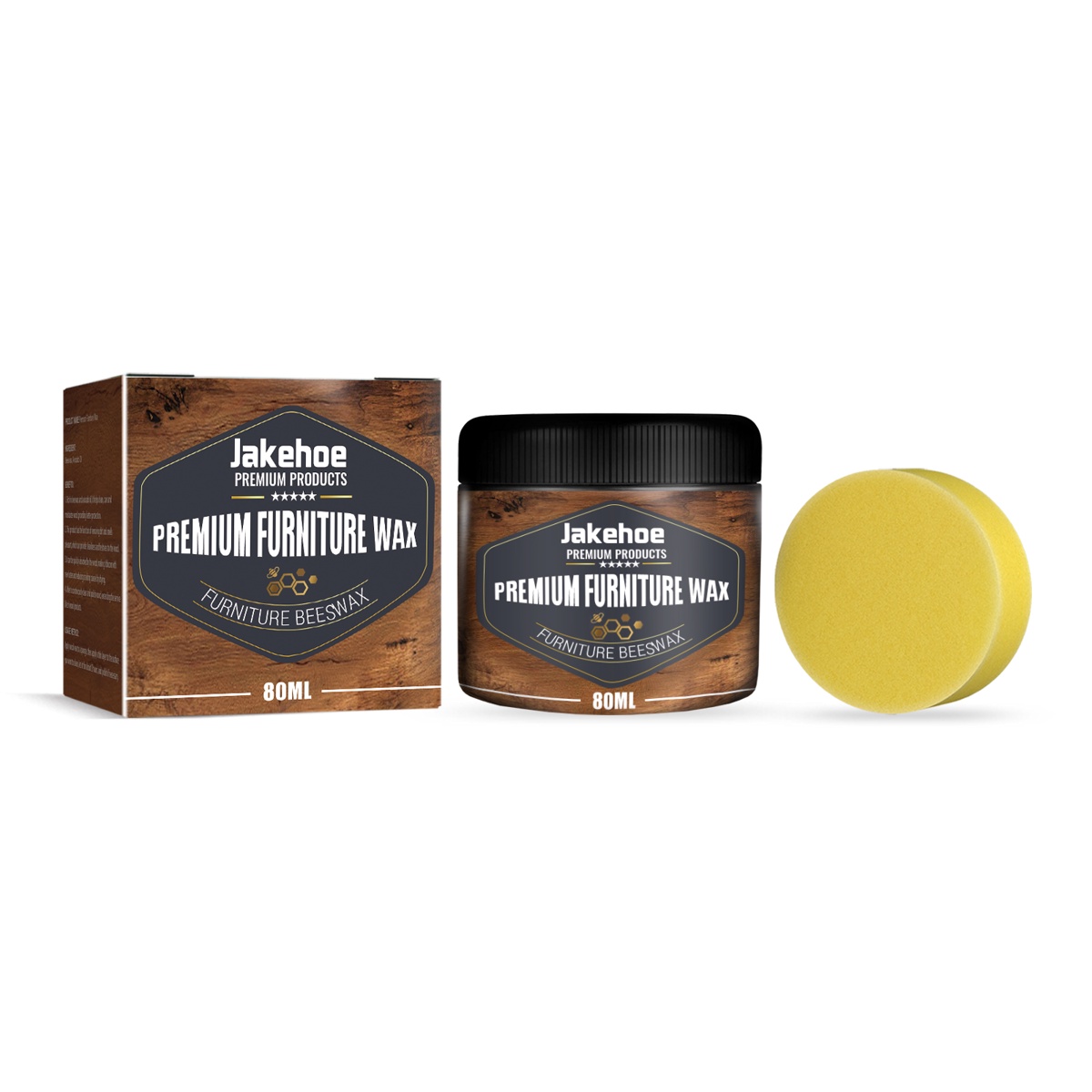 Jakehoe Beeswax, Wood Floor Mahogany Furniture Scratches Cleaning Care Polishing Brightening Maintenance Wax$19.99
 View on Mallflare
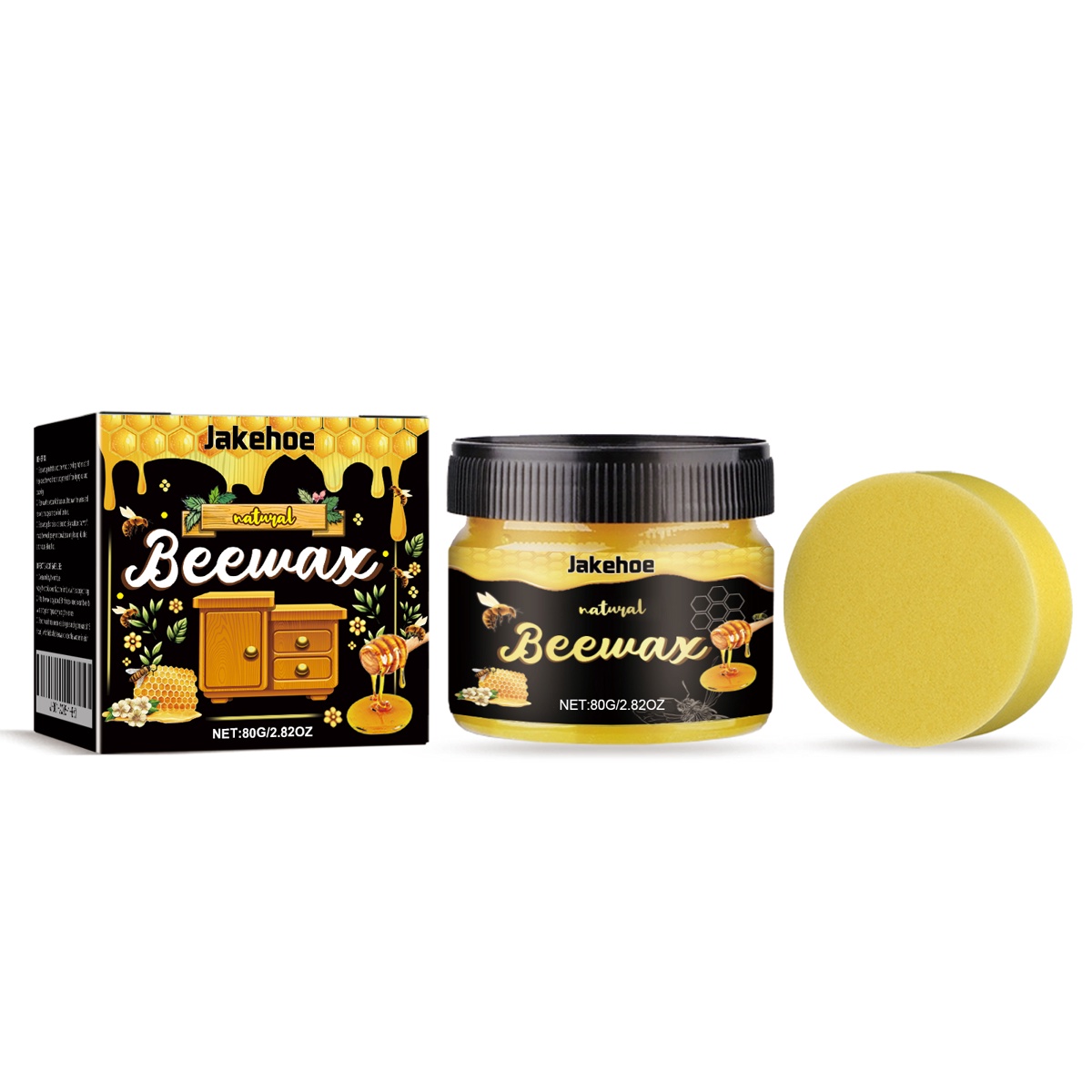 Jakehoe Wood Polishing Beeswax Floor Polish And Shine, Furniture Cleaning And Stain Removal Wax$19.99View on Mallflare
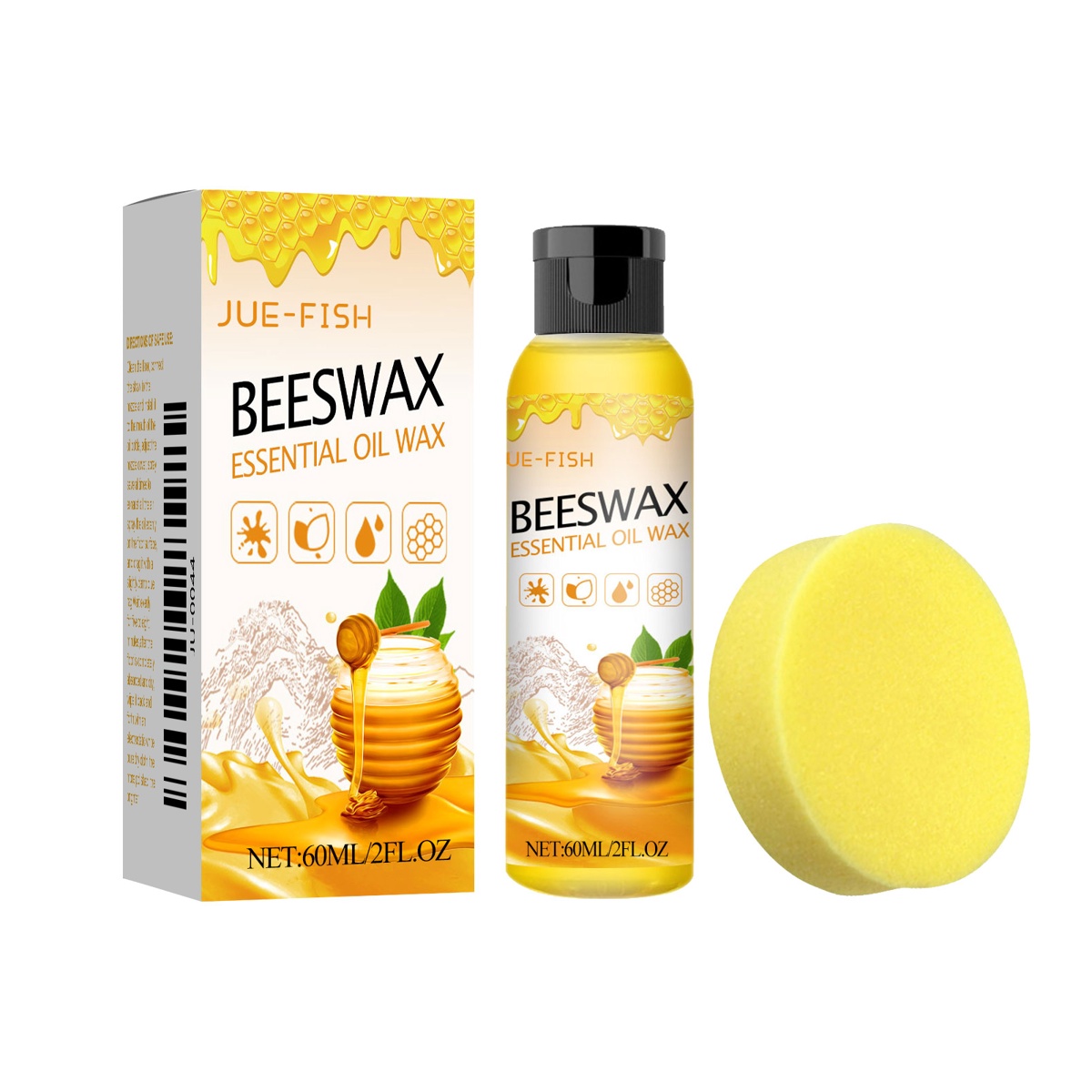 Jue-Fish Home Beeswax, Mahogany Furniture Polishing Brightening Anti-Crack Maintenance Solid Wood Floor Care Wax$19.99View on Mallflare
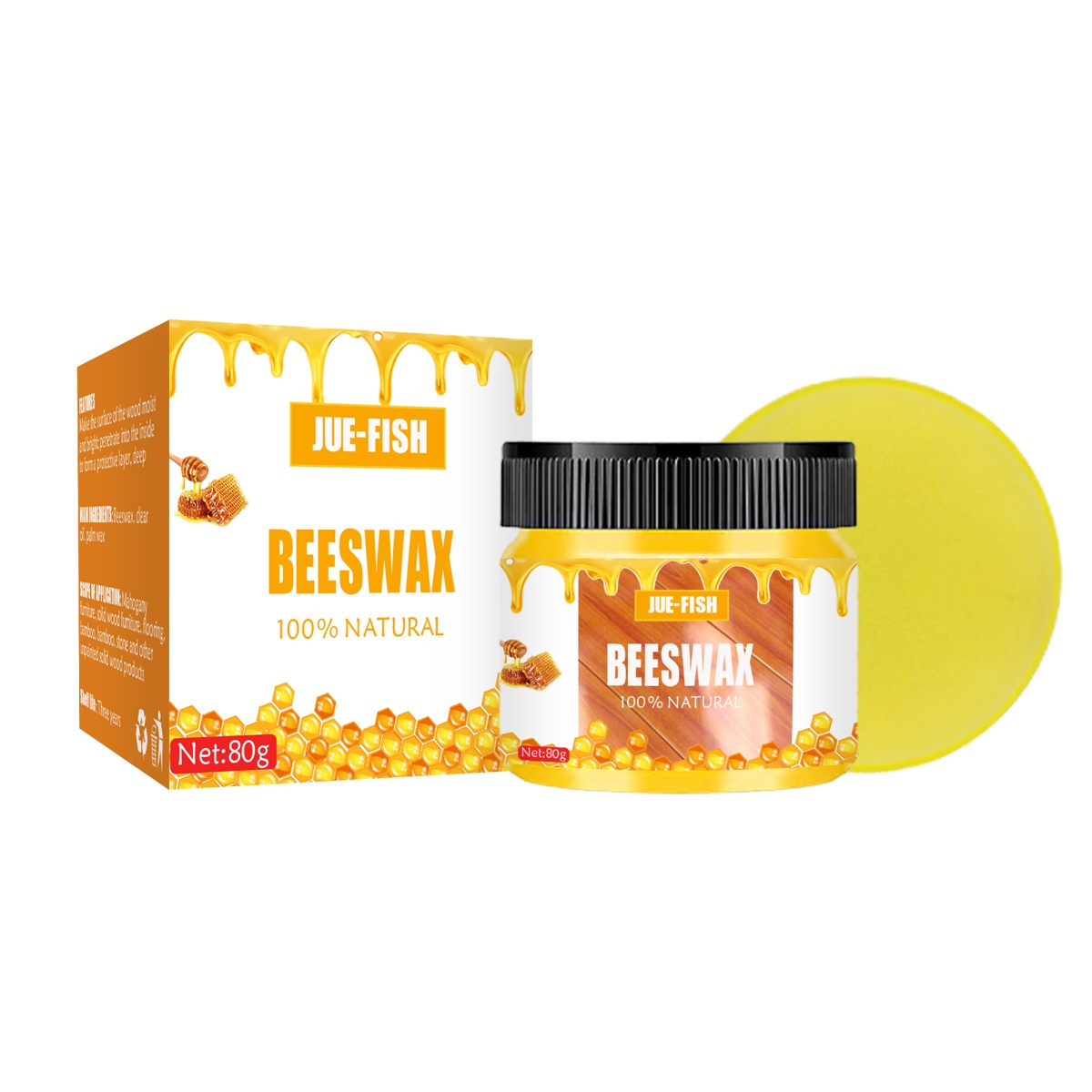 Jue-Fish Beeswax, Wood Furniture Floor Brightening Wear Resistant Polishing Clean Scratches Refurbished Maintenance Care Wax$19.99View on Mallflare
Highlights
- Pure beeswax pastes (high beeswax percentage, no silicone) feed and seal oiled or waxed wood; paraffin-heavy or plastic-labeled products sit on top and build a dull film.
- Solvent-based paste waxes cut through grime and buff to a satin sheen; water-based emulsions are safer for polyurethane but need more buffing and reapplying.
- A little goes a long way: a thin coat buffed after 10-15 minutes covers roughly 300-500 sq ft per tin, so over-application causes streaks and slipperiness.
- Beeswax-only waxes are soft and best for furniture and low-traffic floors; carnauba-beeswax blends harden the film for higher-traffic wood floors.
Best use cases
- Best fit: solid or engineered oiled/waxed wood floors with visible grain and no polyurethane topcoat — use a solvent-based beeswax paste to feed and seal.
- Wrong fit: factory-finished polyurethane or lacquered floors — skip solvent paste wax and use a water-based cleaner or emulsion to avoid softening the clearcoat.
- Best fit: furniture and trim with scratches and dryness — a soft beeswax paste in matching tint (mahogany, walnut) hides scuffs and restores sheen.
- Wrong fit: painted, laminate, or vinyl floors — wax builds a slippery, dirt-trapping film; choose a pH-neutral laminate cleaner instead.
Buying tips
- Choose a paste over a liquid for deeper feeding and scratch hiding; liquid emulsions are for maintenance between paste waxings.
- Match tint to wood: clear for light woods, mahogany or walnut tints for dark woods — wrong tint leaves a muddy film in grain.
- Avoid any product listing silicone or 'plastic' as the main ingredient — silicone causes fisheyes and prevents future refinishing.
- For high-traffic floors, pick a beeswax-carnauba blend; pure soft beeswax is best reserved for furniture and low-traffic areas.
Specs
| Wax Base | Beeswax paste vs beeswax-carnauba blend |
|---|---|
| Solvent Type | Solvent-based paste vs water emulsion |
| Finish Compatibility | Oiled/waxed wood only; not polyurethane |
| Coverage | 300-500 sq ft per tin (thin coat) |
Related searches
What to check before buying
- Confirm your floor finish: oiled/waxed wood takes beeswax paste; polyurethane, lacquer, laminate, and vinyl do not.
- Measure the floor area and buy enough tins at roughly 300-500 sq ft per thin coat — two coats on raw or thirsty wood.
- Check ventilation and drying time: solvent-based pastes need open windows and 30-60 minutes to cure before walking.
- Have lint-free cloths or a buffer pad ready — buffing immediately after the 10-15 minute haze is what produces the sheen.
FAQ
Data sources: eBay / Amazon listings and product attribute feeds Data updated Nov 18, 2026.
Some links on this page are affiliate links. If you buy after clicking one, we may earn a commission at no extra cost to you. This does not change which products appear here or their order. Affiliate disclosure.