Photos from current listings. Actual item, color, and included accessories may vary.
Beeswax Wood Buying Guide
Beeswax wood products are wax-based polishes, conditioners, and sealers that nourish and protect solid wood, veneers, and laminate by filling micro-scratches and leaving a water-resistant film. The core trade-off is formulation: solvent-spray liquids penetrate fast but offer short durability, while solid paste waxes (higher beeswax percentage) build a harder, longer-lasting barrier that demands buffing. Choose a spray for quick maintenance on sealed finishes; choose a paste or high-solids wax for raw wood, butcher block, or furniture that needs actual sealing.


At a glance
- Category
- Household Cleaning & Paper Supplies
- Data updated
- Nov 18, 2026
Current offers
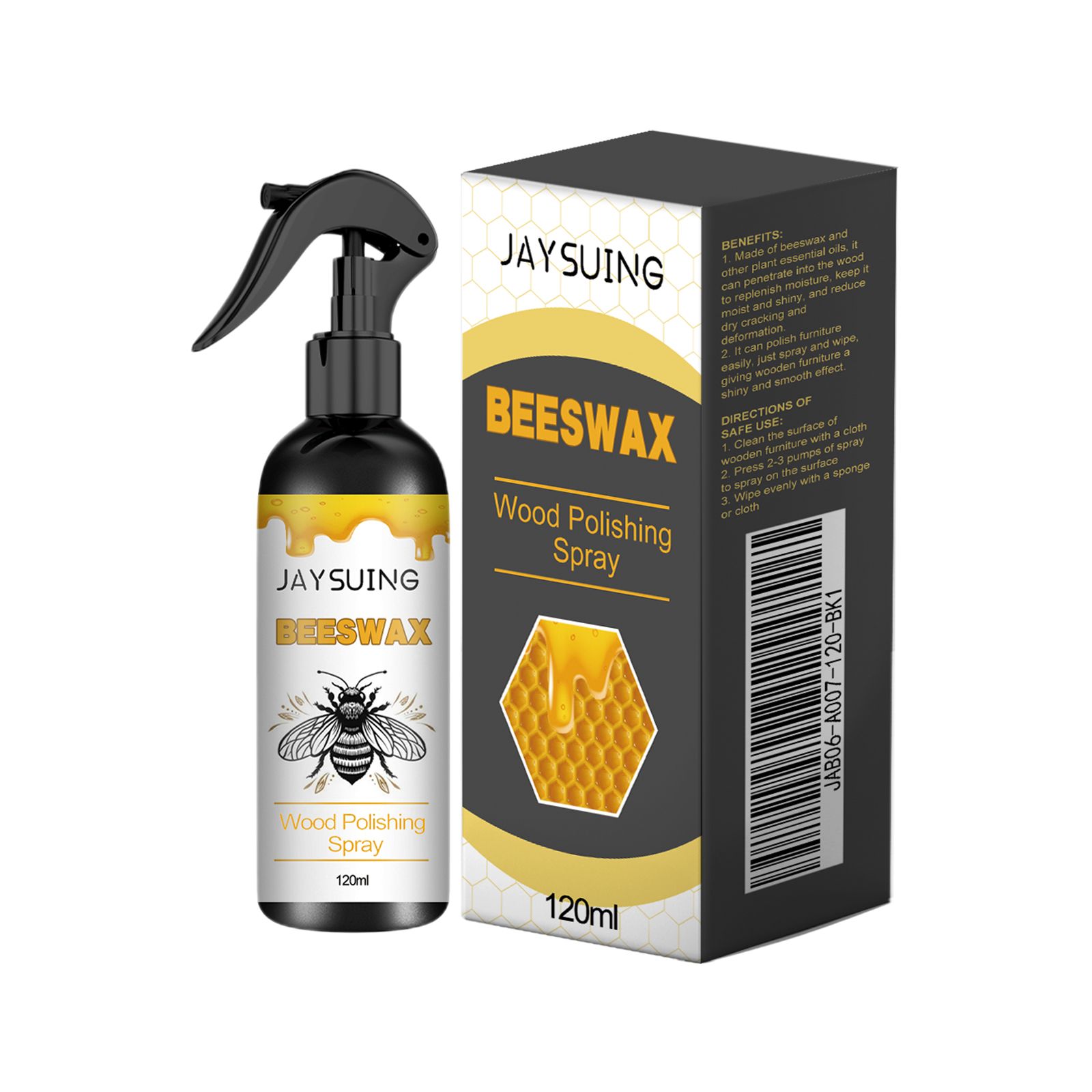 JAYSUING Beeswax Wood Polish Spray, 120 ml / 1 Pack$14.99
 View on Mallflare
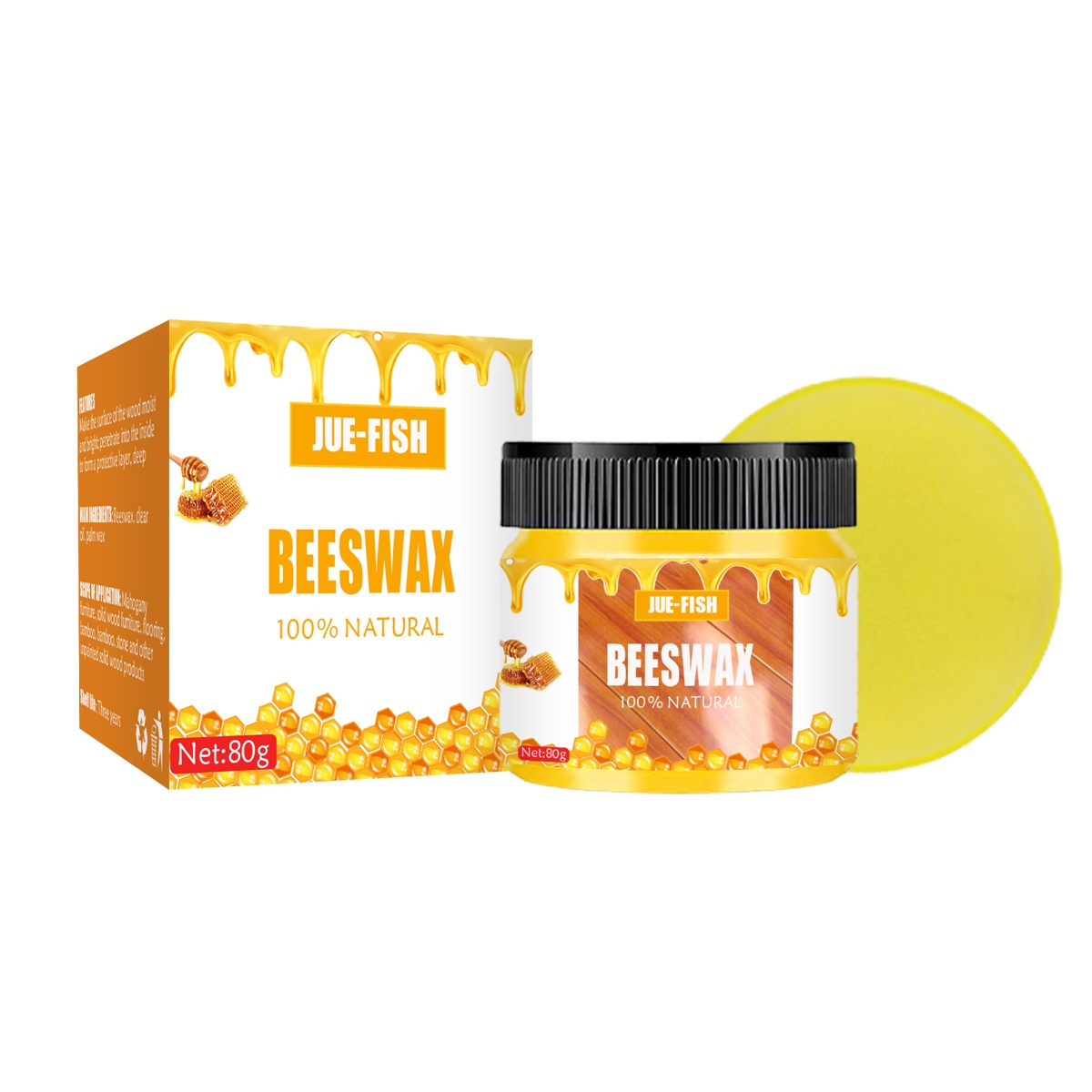 Jue-Fish Beeswax, Wood Furniture Floor Brightening Wear Resistant Polishing Clean Scratches Refurbished Maintenance Care Wax$19.99View on Mallflare
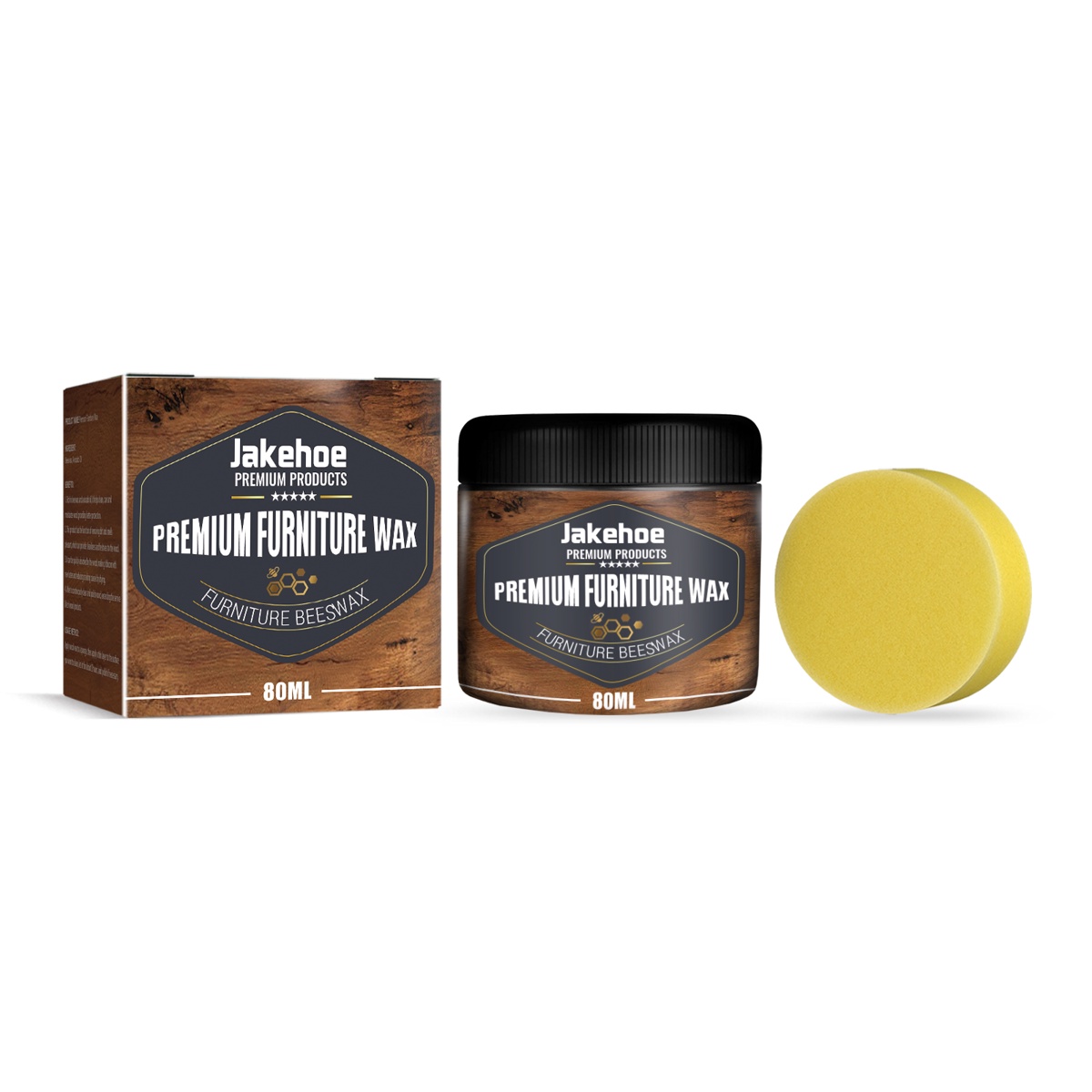 Jakehoe Beeswax, Wood Floor Mahogany Furniture Scratches Cleaning Care Polishing Brightening Maintenance Wax$19.99View on Mallflare
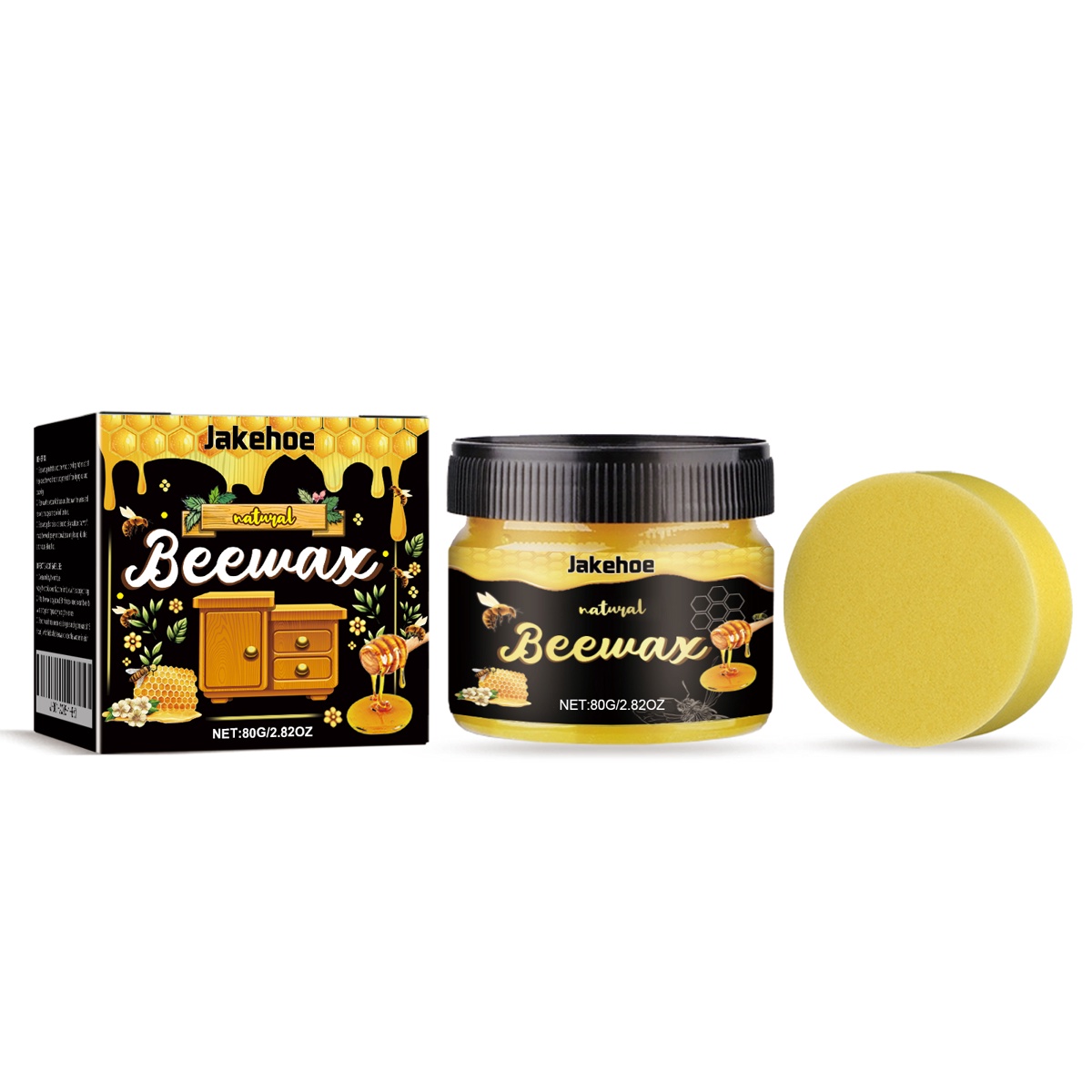 Jakehoe Wood Polishing Beeswax Floor Polish And Shine, Furniture Cleaning And Stain Removal Wax$19.99View on Mallflare
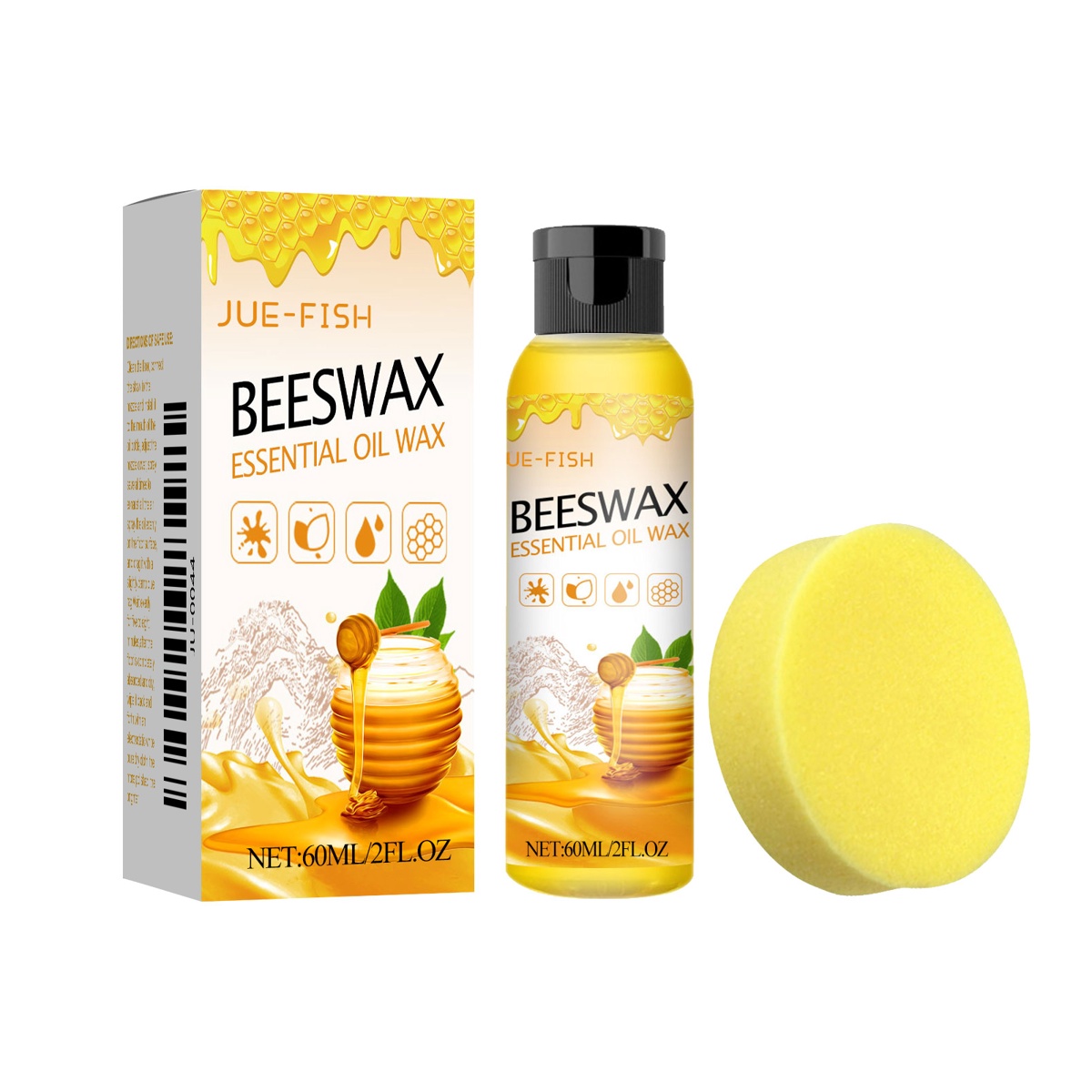 Jue-Fish Home Beeswax, Mahogany Furniture Polishing Brightening Anti-Crack Maintenance Solid Wood Floor Care Wax$19.99View on Mallflare
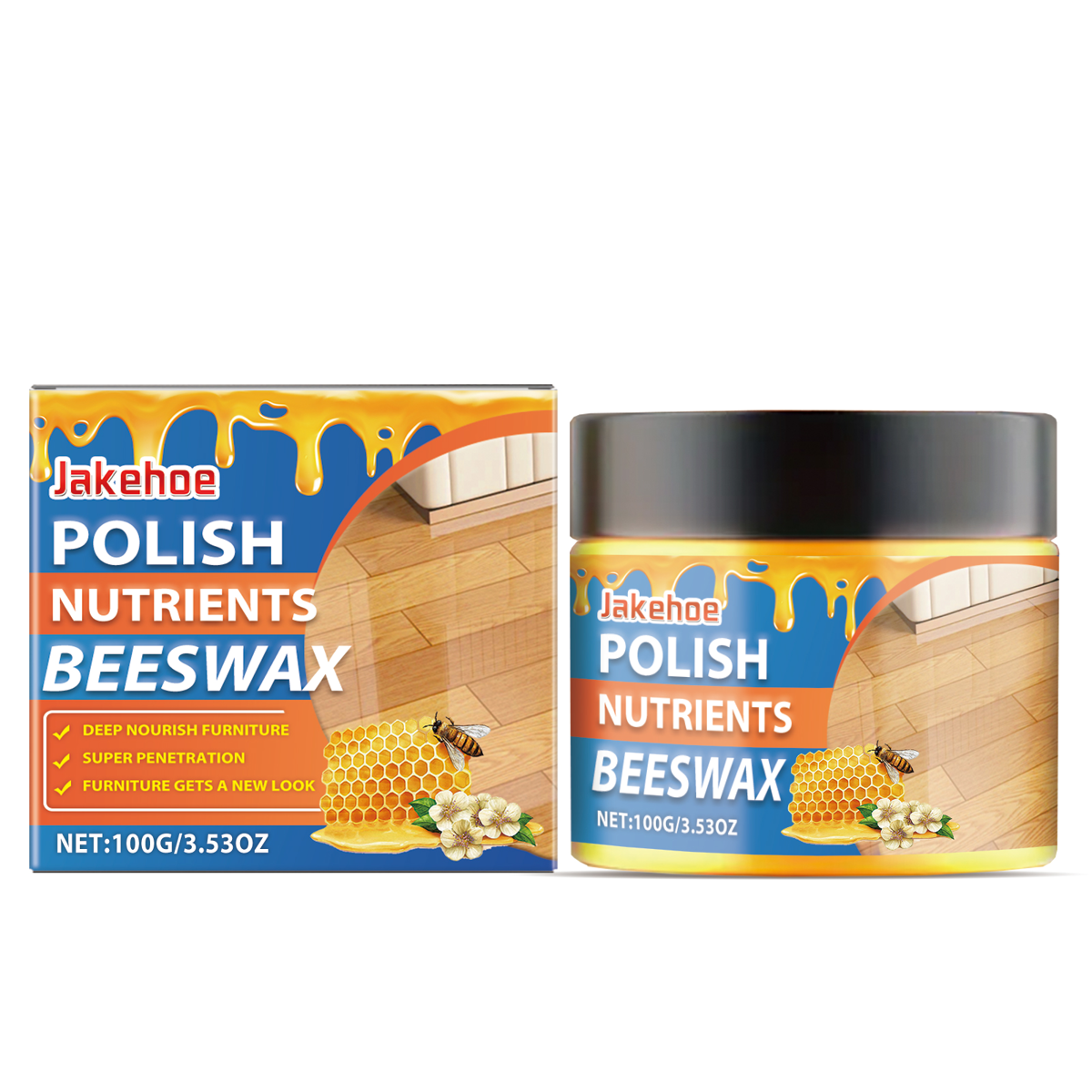 Jakehoe Beeswax Furniture Polish, Wood Moisturizing Cleaning And Polishing Daily Maintenance Care Agent$19.99View on Mallflare
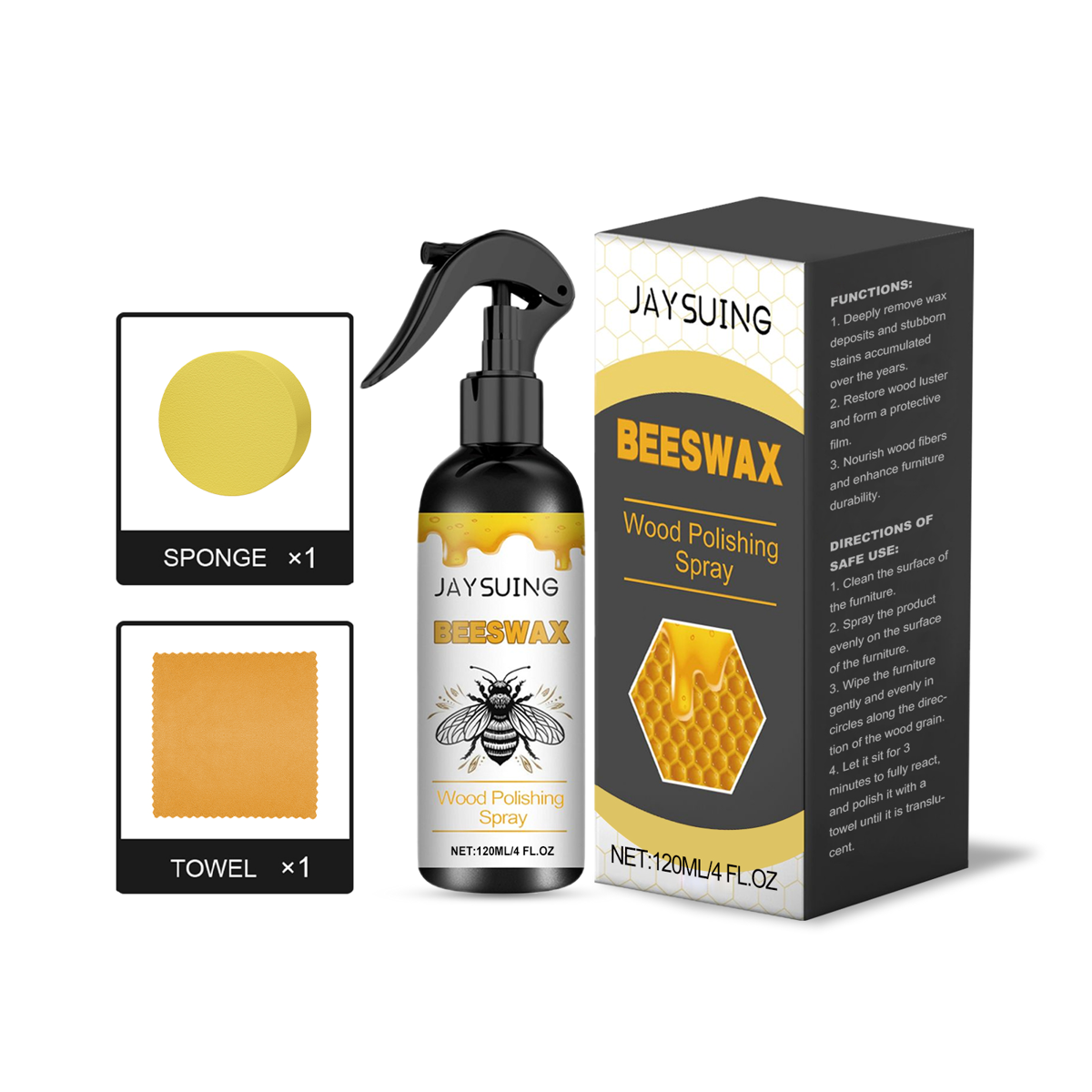 Jaysuing Furniture Beeswax Polishing Spray, Wood Scratches Refurbished Care$19.99View on Mallflare
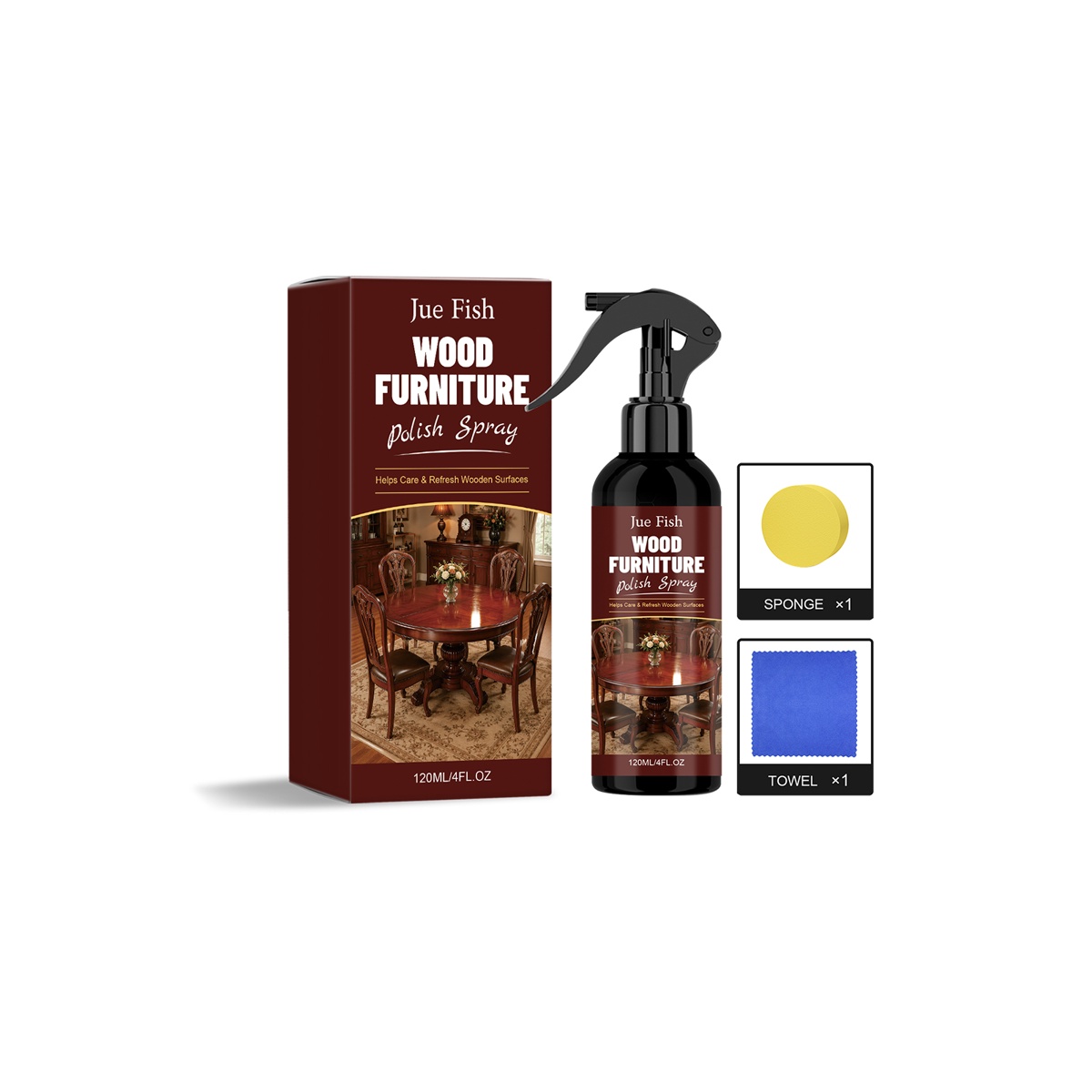 JUE FISH Wooden Furniture Beeswax Care Spray with Multi-Wood Dust Removal Protection Convenient Repair$19.99View on Mallflare
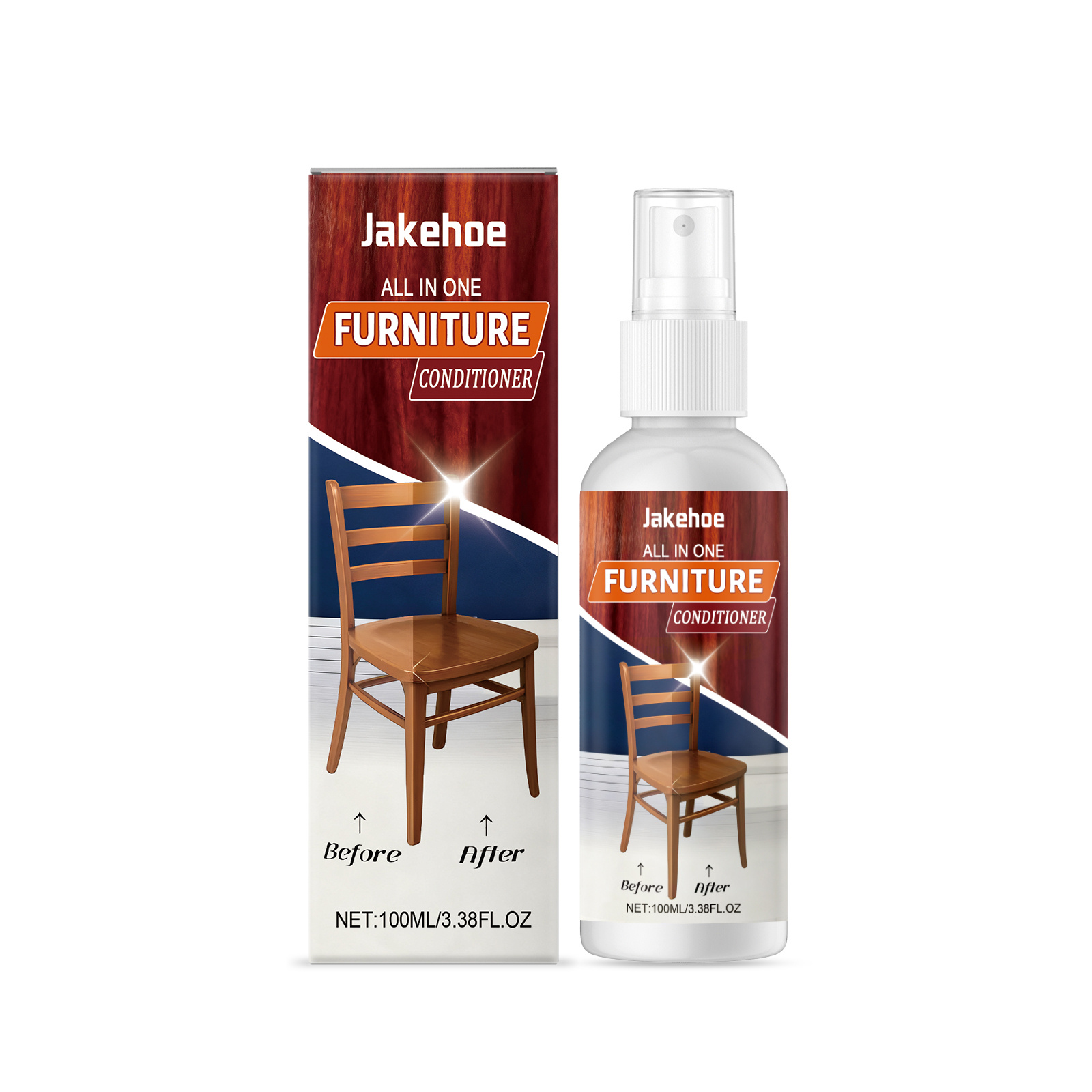 Furniture Care Beeswax Polishing Agent Is Suitable For Daily Cleaning Of Wood$22.99View on Mallflare
Highlights
- Solid paste waxes typically contain 20-40% beeswax plus carnauba for hardness; spray liquids are mostly solvent/water carriers with under 10% wax solids and evaporate quickly.
- Solvent-based sprays (mineral spirits or petroleum distillates) cut grease and clean sealed finishes but are not food-safe; pure beeswax or food-grade mineral oil blends are required for butcher block and cutting boards.
- Carnauba wax raises melting point and scratch resistance over pure beeswax, which stays soft and tacky; blended pastes outperform single-ingredient beeswax on high-traffic floors.
- Silicone-free is critical: silicone polish contaminates wood pores and prevents future refinishing or recoating, while beeswax blends remain re-coatable and repairable.
Best use cases
- Best fit for spray beeswax: monthly dusting and fingerprint removal on factory-finished cabinets, laminate, and sealed hardwood floors where speed matters.
- Best fit for paste beeswax: raw or oiled furniture, butcher block countertops, and antique solid wood that needs pore-filling, sealing, and a buffable sheen.
- Wrong fit: using solvent spray on unsealed or food-contact wood, since solvents leave residue and are not food-safe; switch to a food-grade paste or mineral-oil blend.
- Wrong fit: expecting wax to repair deep gouges or water rings; wax only masks fine scratches, so structural damage needs sanding and refinishing first.
Buying tips
- For furniture and floors, pick a paste with carnauba listed among the first ingredients; pure soft beeswax alone stays tacky and attracts dust.
- For butcher block and cutting boards, choose food-grade beeswax blended with mineral oil (often 1:4 wax-to-oil) and avoid any solvent-based spray.
- One thin coat covers roughly 10-15 sq ft per ounce of paste; two thin coats outperform one thick coat, which stays gummy and hard to buff.
- Check the label for silicone and petroleum distillates; silicone-free, solvent-light formulas are safer on antique and oil-finished wood.
Specs
| Form | Paste / Spray / Liquid |
|---|---|
| Wax Solids | Spray <10% / Paste 20-40% |
| Food-Safe | Food-grade vs Solvent-based |
| Silicone | Silicone-free required |
Related searches
What to check before buying
- Confirm your finish type: sealed polyurethane/lacquer takes spray wax; raw, oiled, or waxed wood needs a paste that can penetrate.
- Measure the surface area in square feet to estimate wax quantity; a 7 oz tin of paste covers about 70-100 sq ft per coat.
- For food-contact surfaces, verify the product is labeled food-safe or 100% natural beeswax with food-grade mineral oil.
- Check ventilation and dry time: solvent sprays need 15-30 minutes and airflow; paste wax needs 10-20 minutes to haze before buffing.
FAQ
Data sources: eBay / Amazon listings and product attribute feeds Data updated Nov 18, 2026.
Some links on this page are affiliate links. If you buy after clicking one, we may earn a commission at no extra cost to you. This does not change which products appear here or their order. Affiliate disclosure.