Photos from current listings. Actual item, color, and included accessories may vary.
Beeswax Furniture Buying Guide
Beeswax furniture polish is a wax-based treatment that nourishes, seals, and adds a soft sheen to wood surfaces, distinct from silicone-heavy sprays and synthetic lacquers. The core trade-off is between pure, high-beeswax-content pastes that feed and protect for months and diluted spray formulas that clean quickly but offer minimal durability. Choose a solid paste with a beeswax-dominant blend for lasting protection on sealed or oiled wood; choose a spray only for light dusting and interim shine on already-finished surfaces.


At a glance
- Category
- Household Cleaning & Paper Supplies
- Data updated
- Nov 18, 2026
Current offers
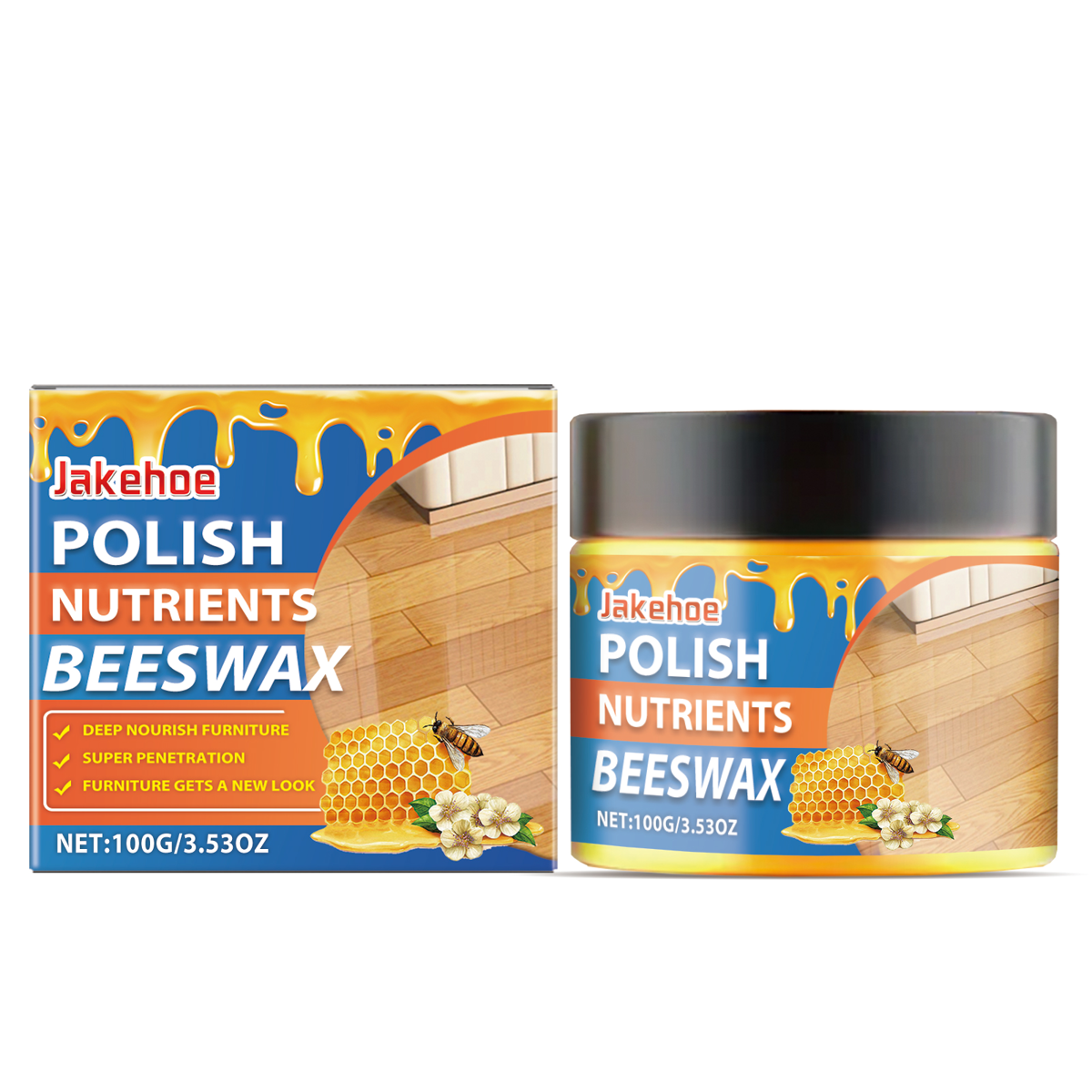 Jakehoe Beeswax Furniture Polish, Wood Moisturizing Cleaning And Polishing Daily Maintenance Care Agent$19.99
 View on Mallflare
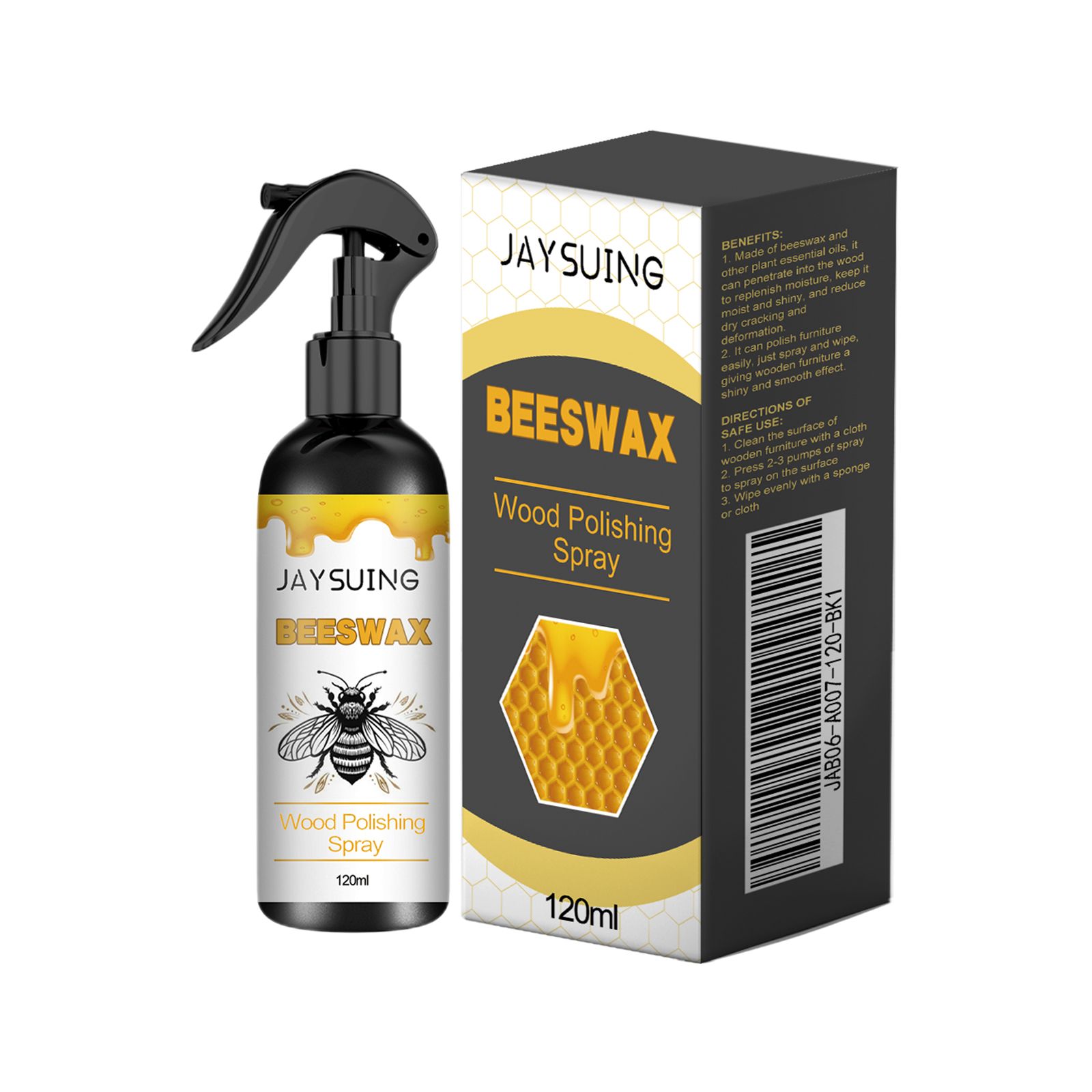 JAYSUING Beeswax Wood Polish Spray, 120 ml / 1 Pack$14.99View on Mallflare
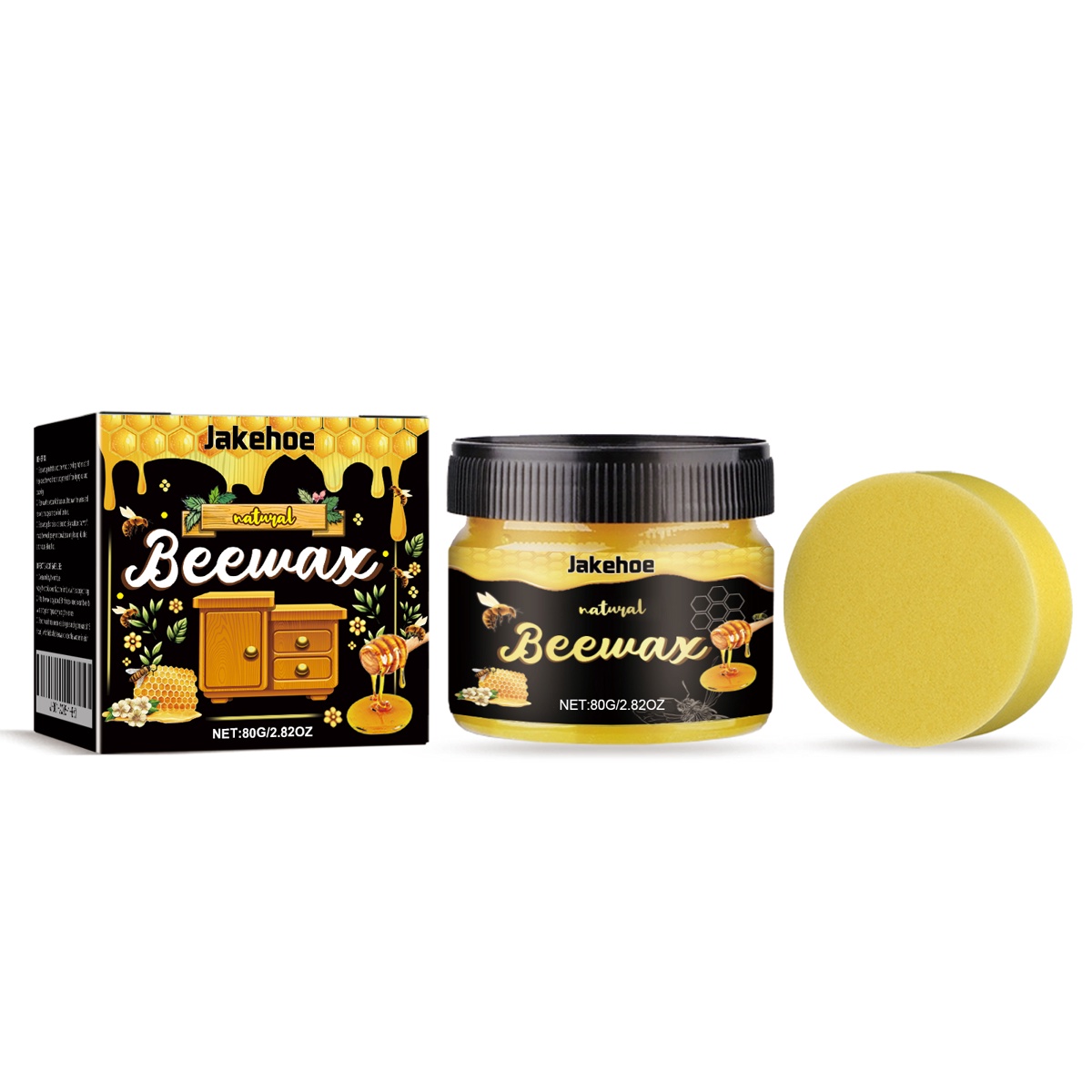 Jakehoe Wood Polishing Beeswax Floor Polish And Shine, Furniture Cleaning And Stain Removal Wax$19.99View on Mallflare
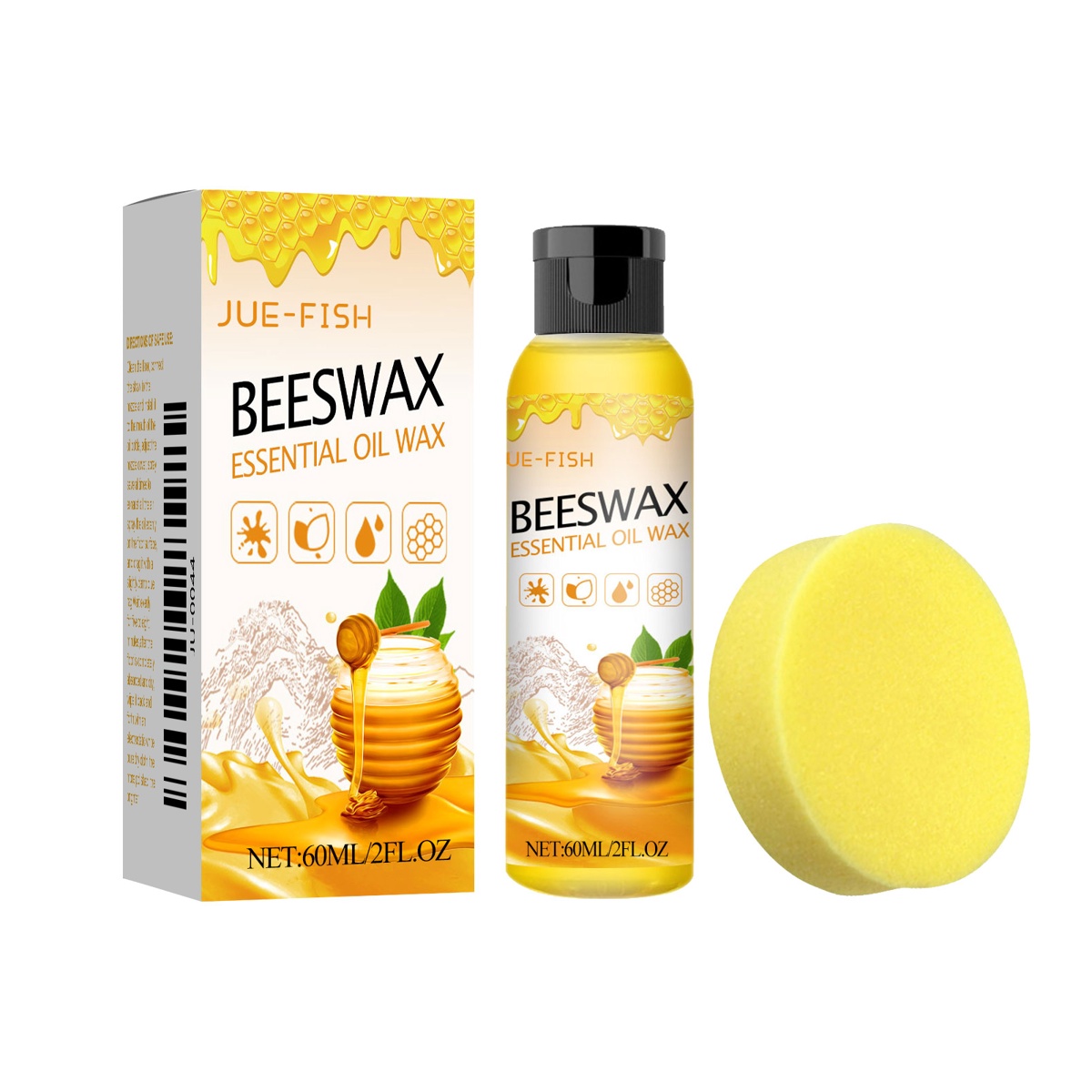 Jue-Fish Home Beeswax, Mahogany Furniture Polishing Brightening Anti-Crack Maintenance Solid Wood Floor Care Wax$19.99View on Mallflare
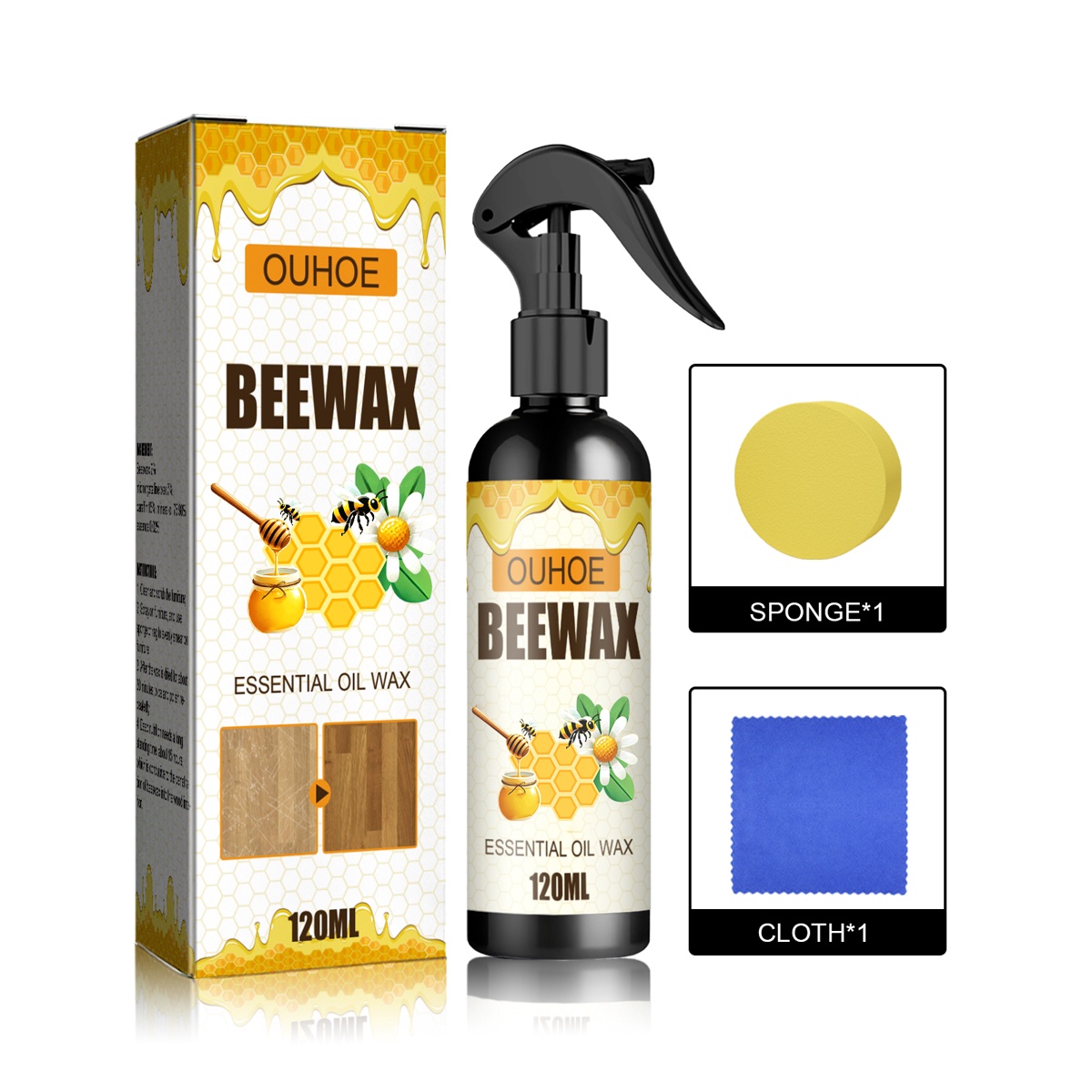 OUHOE Furniture Beeswax Spray, Floor Care Polishing Waterproof Anti-Cracking Scratches Refurbished Wax$19.99View on Mallflare
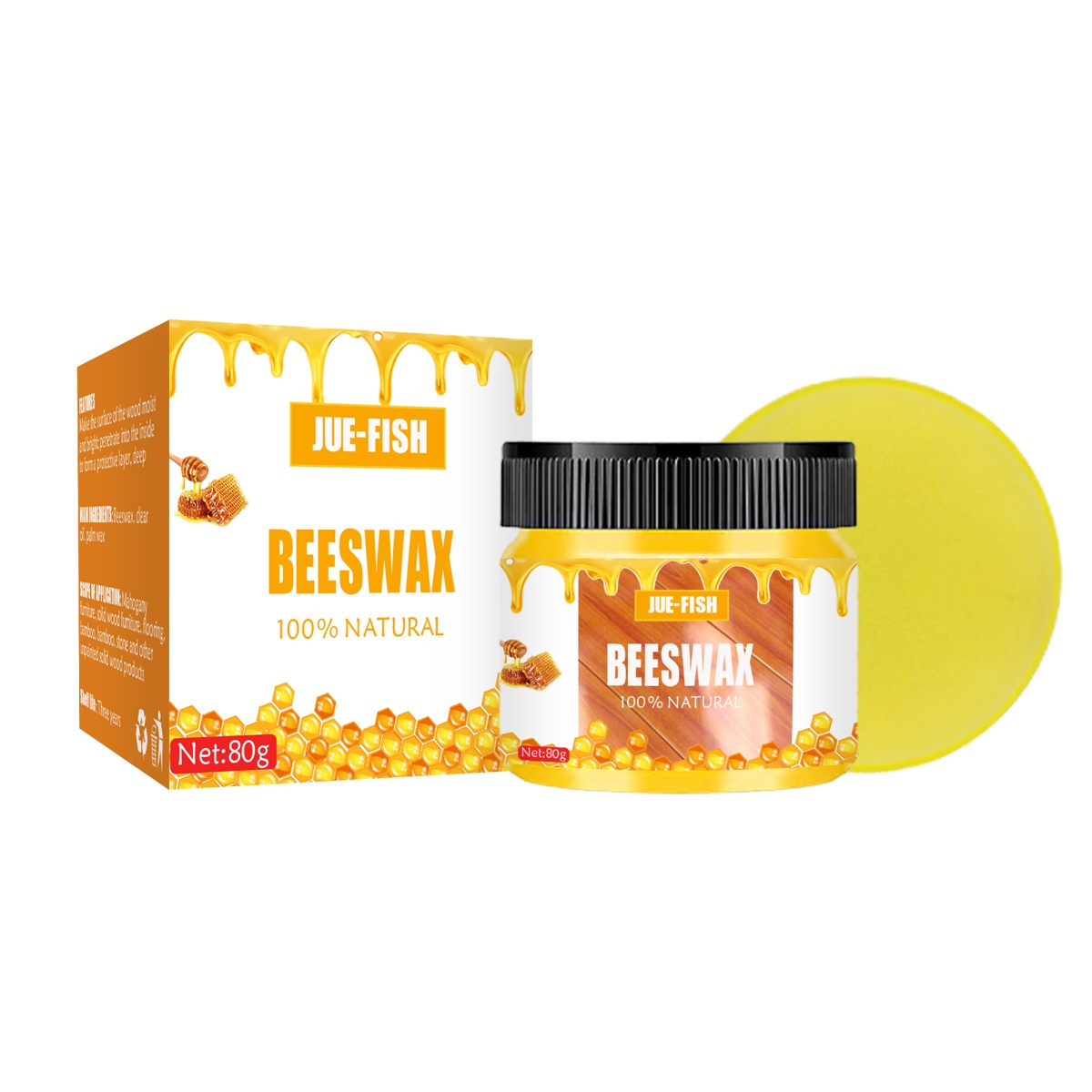 Jue-Fish Beeswax, Wood Furniture Floor Brightening Wear Resistant Polishing Clean Scratches Refurbished Maintenance Care Wax$19.99View on Mallflare
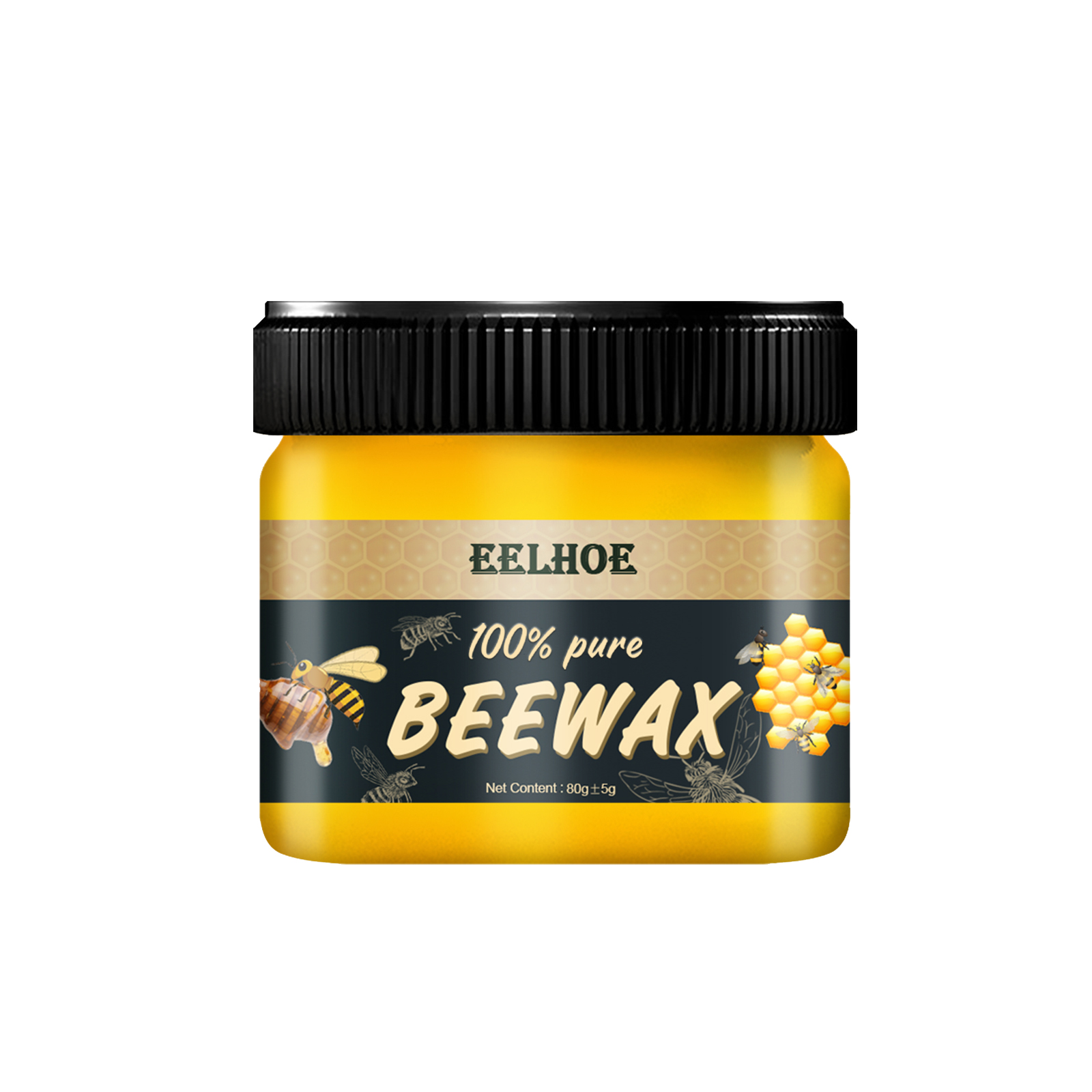 EELHOE Furniture Brightening Natural Beeswax Polished Waterproof, Hard-Wearing Wooden Floors, Maintenance And Care$19.99View on Mallflare
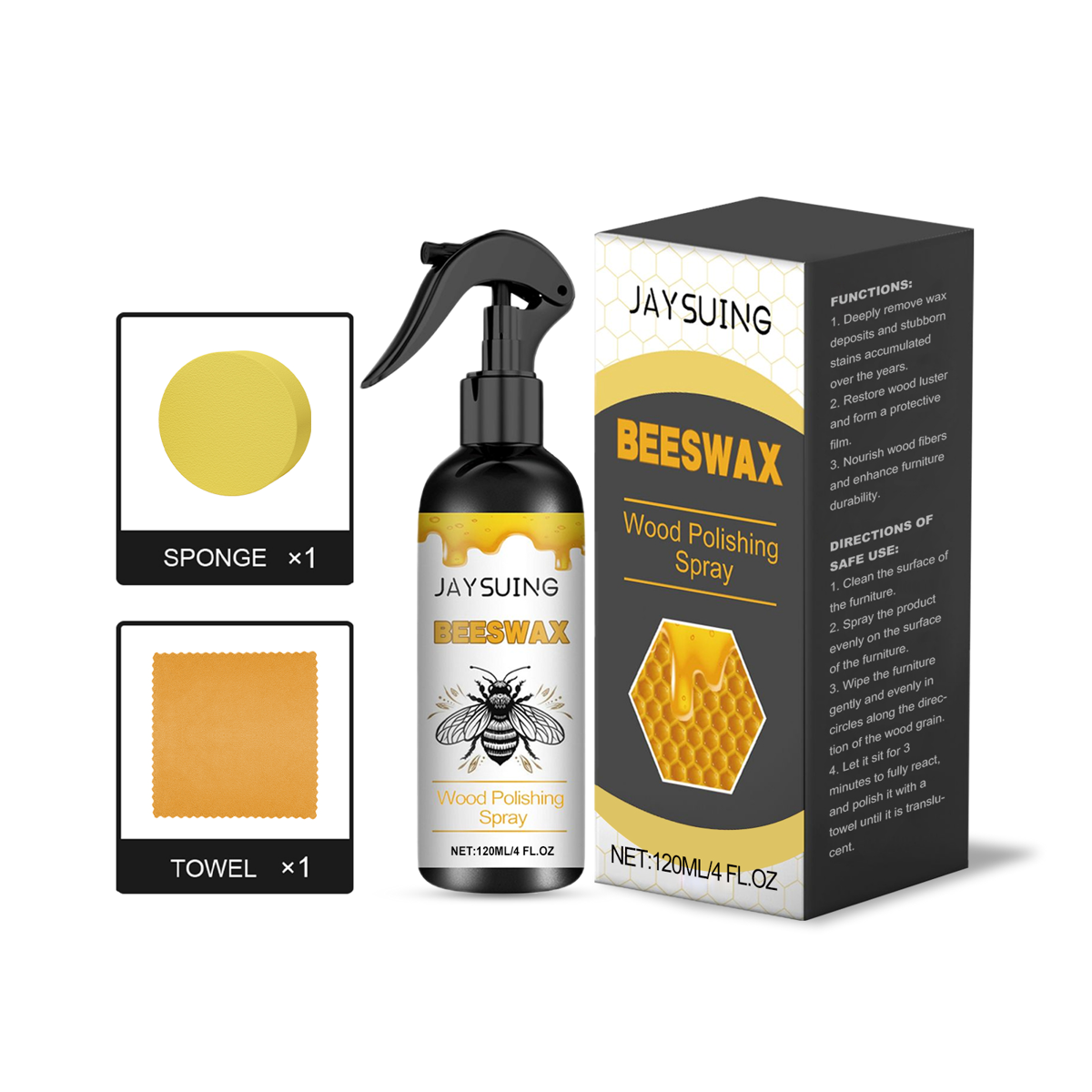 Jaysuing Furniture Beeswax Polishing Spray, Wood Scratches Refurbished Care$19.99View on Mallflare
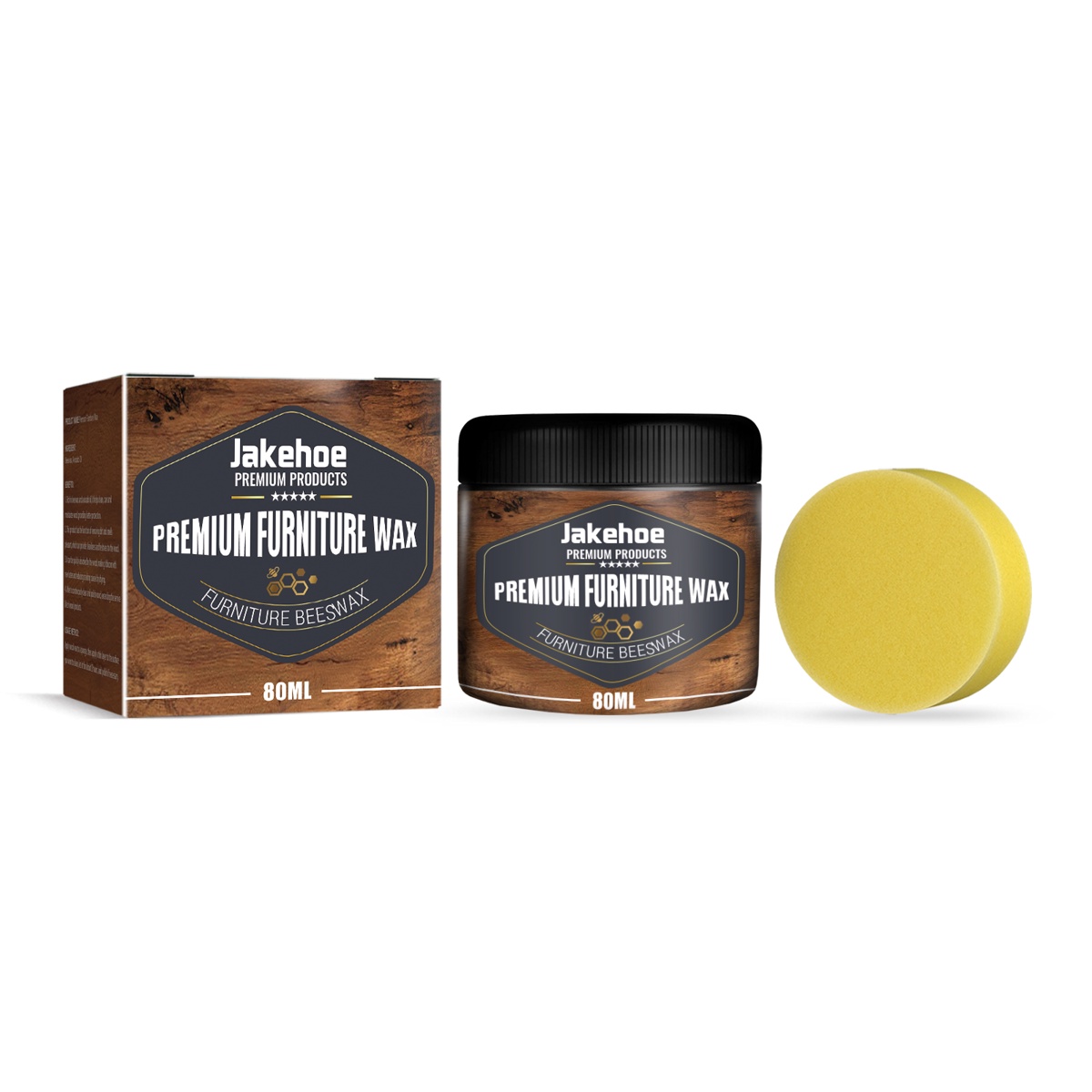 Jakehoe Beeswax, Wood Floor Mahogany Furniture Scratches Cleaning Care Polishing Brightening Maintenance Wax$19.99View on Mallflare
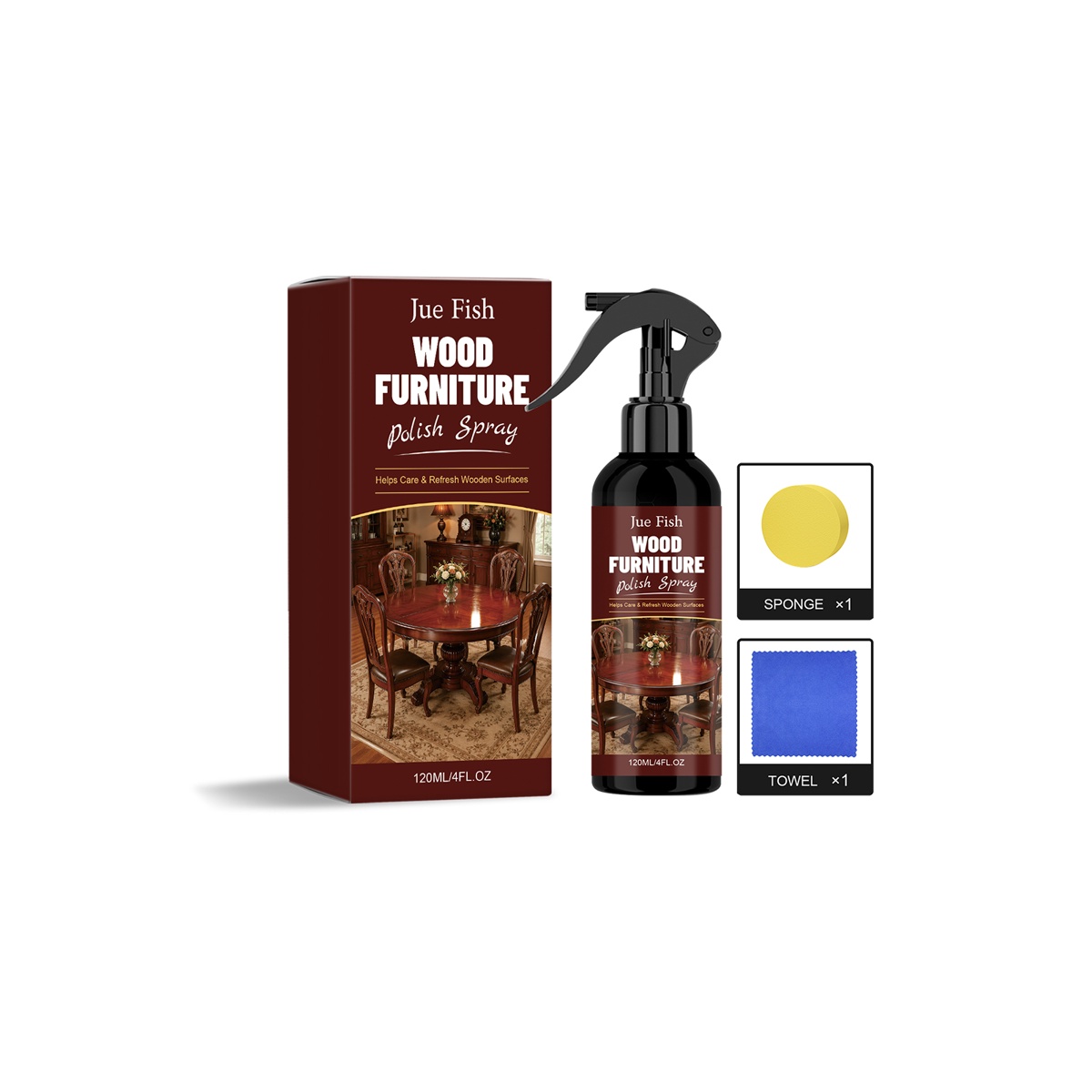 JUE FISH Wooden Furniture Beeswax Care Spray with Multi-Wood Dust Removal Protection Convenient Repair$19.99View on Mallflare
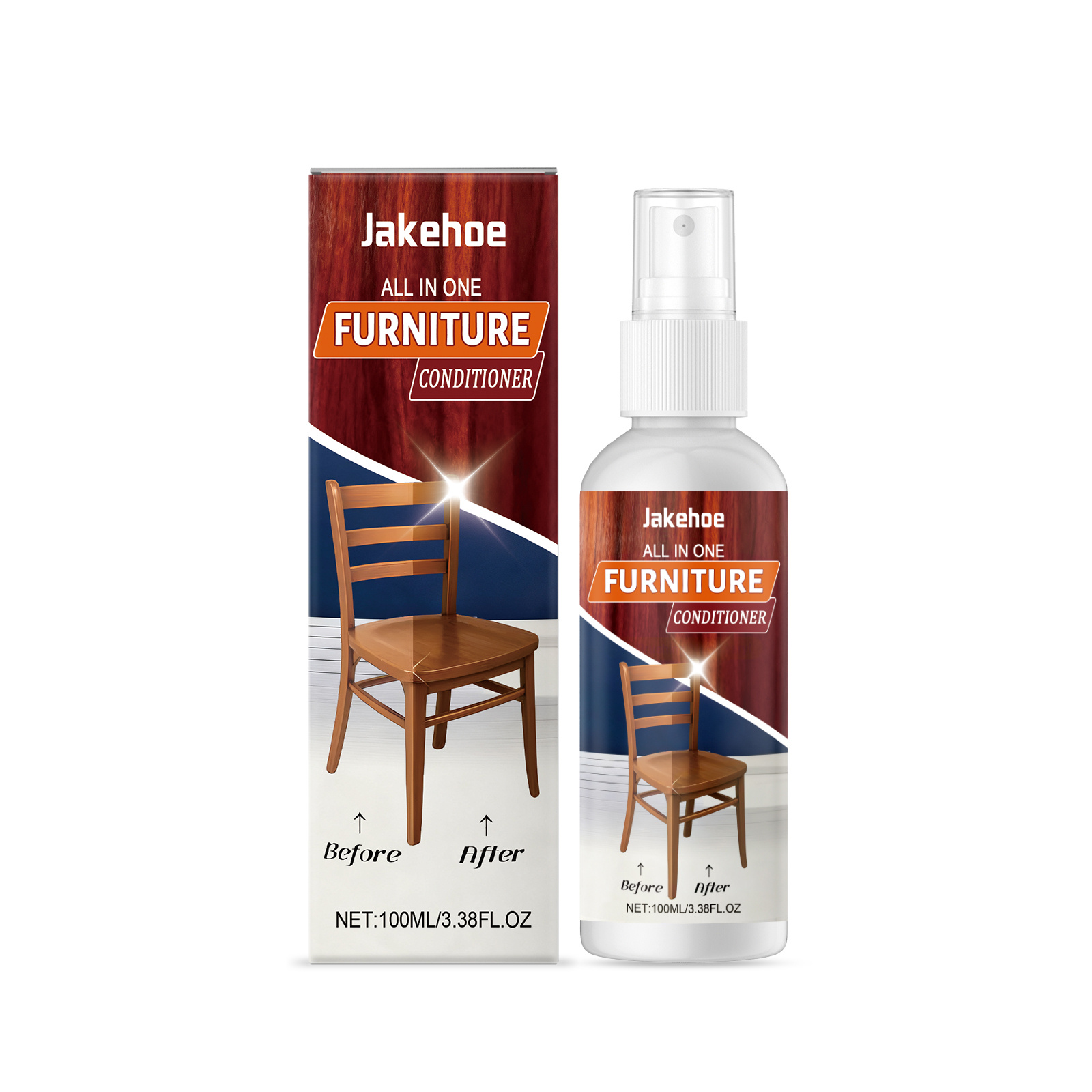 Furniture Care Beeswax Polishing Agent Is Suitable For Daily Cleaning Of Wood$22.99View on Mallflare
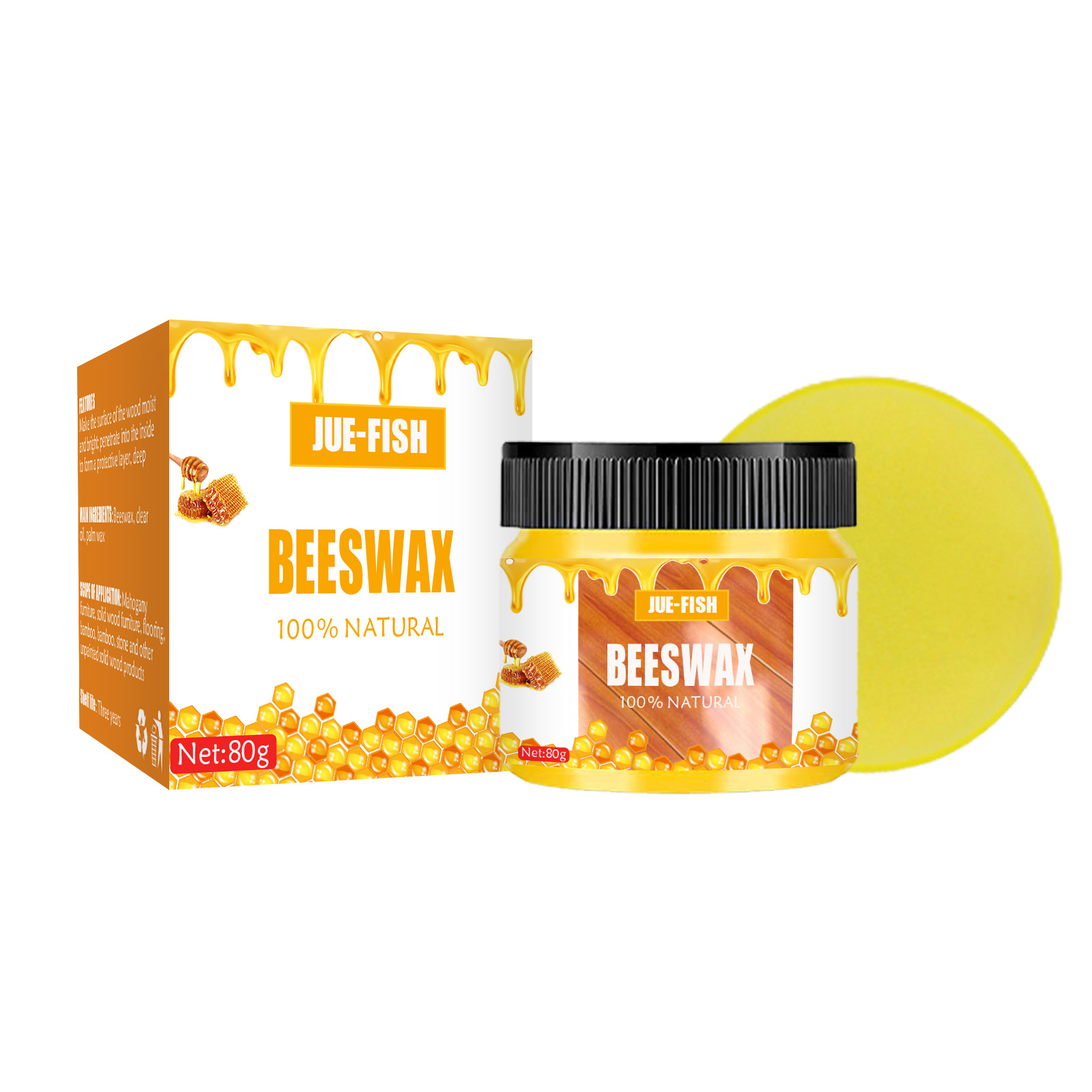 Furniture Care Beeswax$22.99View on Mallflare
Highlights
- Paste vs spray: solid pastes typically contain 20-40% beeswax and form a durable film; sprays are 1-5% wax in solvent and evaporate fast.
- Beeswax content drives performance—pure blocks or high-percentage pastes outlast blends cut with paraffin or carnauba in feed and water resistance.
- Solvent type matters: citrus or mineral-spirit carriers clean grime but can lift old wax; water-based emulsions are gentler on antique finishes.
- Application format: 100g tins last 12-20 applications; 120ml sprays cover roughly 4-6 square meters per can.
Best use cases
- Best fit: solid beeswax paste for quarterly feeding of sealed oak, walnut, or mahogany furniture—apply thin, buff after 15 minutes.
- Wrong fit: high-gloss lacquered or polyurethane surfaces—wax won't bond and can smear; use a damp cloth instead.
- Best fit: spray beeswax for weekly dusting and fingerprint removal on already-waxed or oiled wood floors and tables.
- Skip: raw, unsealed wood or outdoor teak—beeswax alone won't provide UV or rot protection; use a dedicated oil or marine finish first.
Buying tips
- Check beeswax position on the ingredient list—first or second indicates a high concentration; near the end means mostly solvent or water.
- For floors, choose a paste with carnauba or microcrystalline wax added for hardness; pure soft beeswax stays tacky under foot traffic.
- Avoid products listing silicone or petroleum distillates if you plan to refinish later—they can cause fisheyes in new finish.
- Match quantity to area: a 100g tin covers about 3-5 square meters per coat; a 120ml spray covers 4-6 square meters.
Specs
| Wax Form | Solid paste / spray / bar |
|---|---|
| Beeswax Content | High (20-40%) vs low (1-5%) |
| Finish Compatibility | Oiled, waxed, bare wood |
| Coverage per Unit | 100g paste ≈ 3-5 m²; 120ml spray ≈ 4-6 m² |
Related searches
What to check before buying
- Identify your finish: sealed (polyurethane, lacquer), oiled, or waxed—beeswax only bonds well to oiled or previously waxed wood.
- Measure the surface area to buy the right quantity—one 100g tin handles a dining table and four chairs for a year of quarterly care.
- Test in an inconspicuous spot: some dark waxes shift light woods yellow; clear or white beeswax blends are safer on maple and ash.
- Check ventilation and dry time: solvent-based pastes need 30-60 minutes to cure and good airflow; water-based sprays dry in 10-15 minutes.
FAQ
Data sources: eBay / Amazon listings and product attribute feeds Data updated Nov 18, 2026.
Some links on this page are affiliate links. If you buy after clicking one, we may earn a commission at no extra cost to you. This does not change which products appear here or their order. Affiliate disclosure.