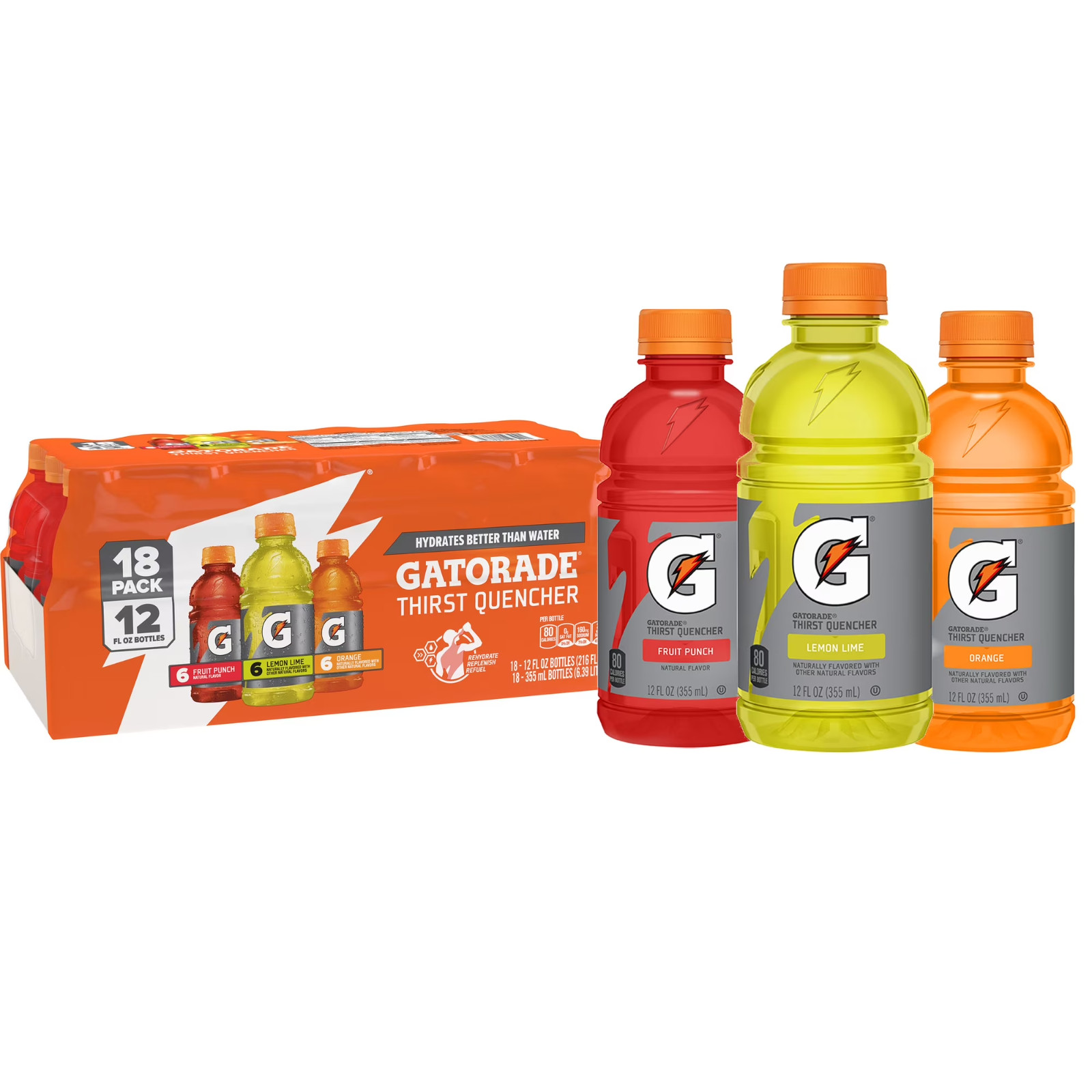

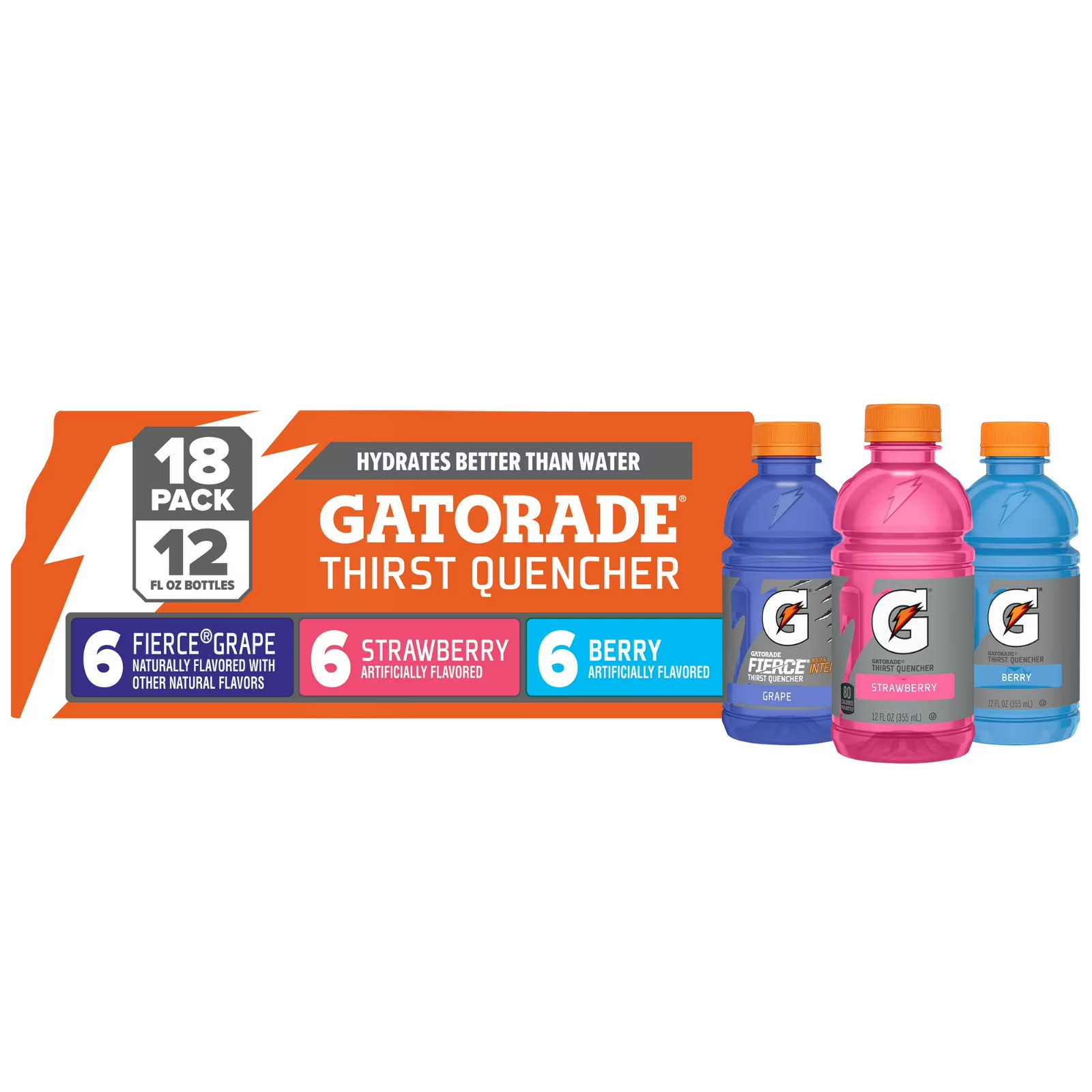
Photos from current listings. Actual item, color, and included accessories may vary.
Gatorade Sports Drinks Buying Guide
Gatorade is a sports drink category built on electrolyte replacement (sodium and potassium) and carbohydrate energy, with formula tiers that differ by sugar content, protein addition, and caffeine. The core trade-off is rapid hydration and taste compliance versus sugar load and calorie density, so choose the tier that matches your sweat loss and workout duration rather than defaulting to the flagship bottle. The clear rule: for sessions under an hour, water plus a low-calorie electrolyte tab suffices; for sustained sweating over 60–90 minutes, a 6% carbohydrate electrolyte drink is the evidence-backed choice.


At a glance
- Brand
- Not synced yet
- Model
- Not synced yet
- MPN
- Not synced yet
- Category
- Dairy, Beverages & Breakfast
- Status
- Offers available
- Data updated
- Nov 18, 2026
Current offers
Highlights
- Original Thirst Quencher delivers ~14 g sugar and 140 mg sodium per 12 fl oz, matching the 6% carbohydrate solution that speeds gastric emptying during exercise.
- Gatorade Zero removes sugar but keeps electrolytes, using non-caloric sweeteners; it hydrates but provides no carbohydrate fuel for glycogen sparing.
- Gatorade Endurance raises sodium to ~300 mg and carbohydrate to ~22 g per 12 fl oz, built for marathoners and triathletes with high sweat-sodium loss.
- Gatorlyte uses a lower-sugar, higher-electrolyte formula with added magnesium and chloride for rapid rehydration after heavy sweat or heat exposure.
Best use cases
- Best fit: team-sport athletes and gym sessions over 60 minutes — pick Original 12 fl oz bottles in variety packs for carbohydrate and electrolyte replacement.
- Best fit: calorie-conscious or keto dieters doing steady-state cardio — choose Gatorade Zero to get sodium and potassium without sugar.
- Wrong fit: endurance events over two hours or high-sweat athletes — skip Original and use Gatorade Endurance for higher sodium and carb load.
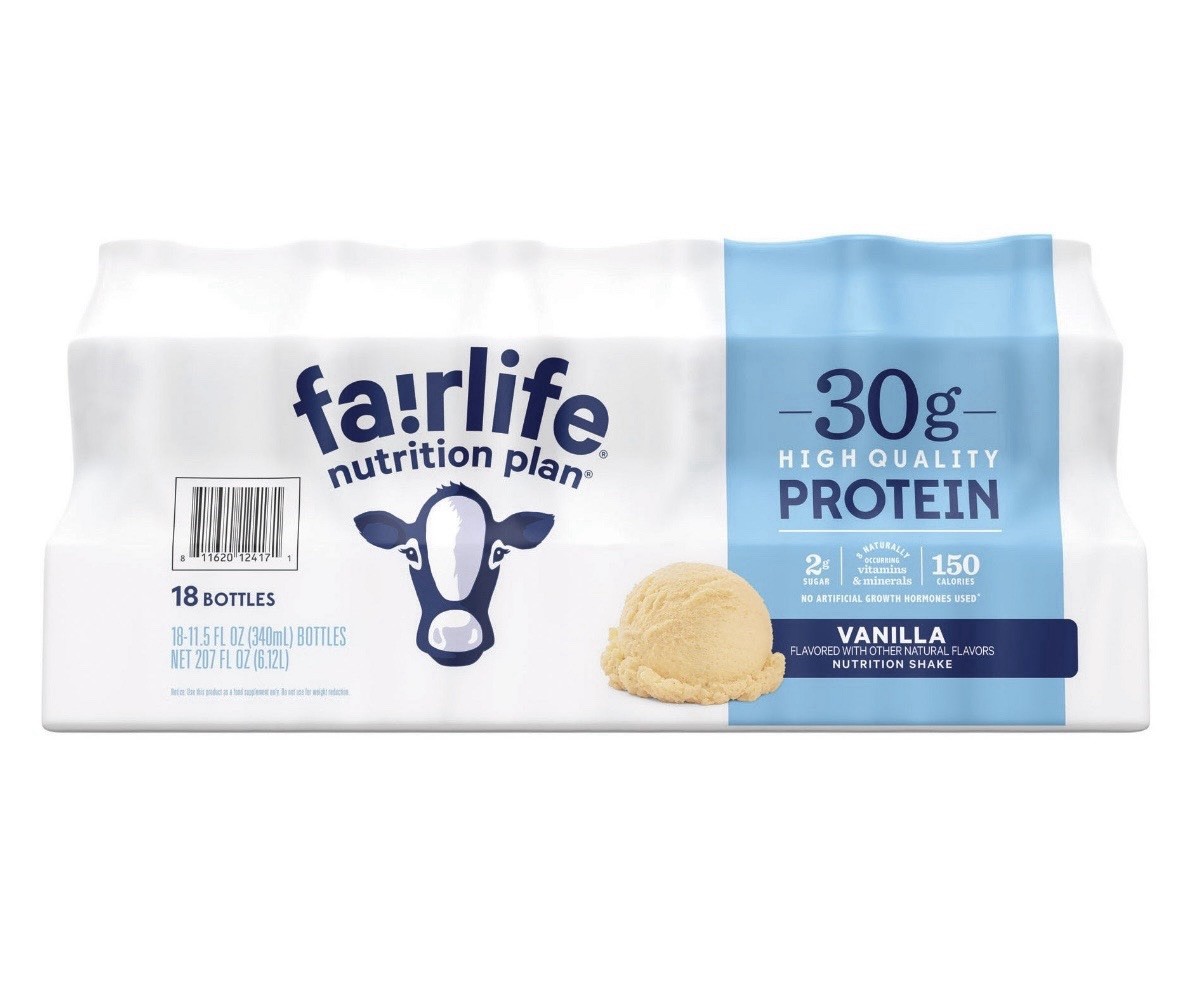
- Wrong fit: post-workout recovery focused on muscle repair — choose a protein shake or chocolate milk instead; Gatorade lacks protein.
Buying tips
- Match carbohydrate concentration to duration: 6–8% solutions (Original) empty fastest; drinks above 8% sugar slow gastric emptying and can cause GI distress.
- Check sodium per serving against your sweat rate: 110–140 mg (Original) suits moderate sweat; 300+ mg (Endurance) suits salty sweaters and heat.
- Verify caffeine content: Original and Zero are caffeine-free; pre-workout or energy variants add caffeine and should be avoided in evening sessions.
- Buy 12 fl oz bottles for portioned single servings; 20 fl oz and 28 fl oz bottles suit longer sessions but increase sugar per bottle to ~34 g and ~48 g.
Specs
| Formula Tier | Original / Zero / Endurance / Gatorlyte |
|---|---|
| Sugar per 12 fl oz | 0 g (Zero) to 14 g (Original) |
| Sodium per 12 fl oz | 110–300 mg by tier |
| Caffeine | Caffeine-free (Original/Zero) |
Alternatives to compare
Related searches
What to check before buying
- Confirm allergen labeling: standard Gatorade is dairy-free and gluten-free, but flavored varieties may carry shared-facility warnings — check the label panel.
- Check kosher certification if required: many Gatorade SKUs are marked Kosher; verify the symbol on the specific flavor and size.
- Plan storage: powdered tubs (makes ~9 gallons) suit pantry shelf space and cost-per-serving savings; bottled packs need cool, dry storage.
- Confirm expiration date and pack size: 12 fl oz 18-packs are standard; larger 24-packs and 20 fl oz sizes change per-serving sugar and sodium math.
FAQ
Data sources: eBay / Amazon listings and product attribute feeds Data updated Nov 18, 2026.
Some links on this page are affiliate links. If you buy after clicking one, we may earn a commission at no extra cost to you. This does not change which products appear here or their order. Affiliate disclosure.