Photos from current listings. Actual item, color, and included accessories may vary.
Red Wine Buying Guide
Red wine spans dry, tannic Cabernet Sauvignon to light, low-tannin Pinot Noir, and the primary buying trade-off is grape variety and oak treatment versus freshness and drinkability. A bottle that states varietal, vintage, and appellation (AVA) on the label is a traceable, quality-driven pick; bulk or unlabeled 'red blend' bottlings are the compromise tier. Choose by body and tannin level matching your food and palate, not by label hype.


At a glance
- Category
- Beer, Wine & Spirits
- Data updated
- Nov 18, 2026
Current offers
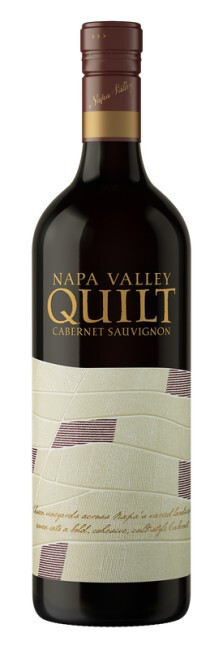 Quilt - Cabernet Sauvignon 2023 Napa Red Wine *12 Bottles* ***Free Shipping***$379.98Last checked Nov 18, 2026
 View on eBay
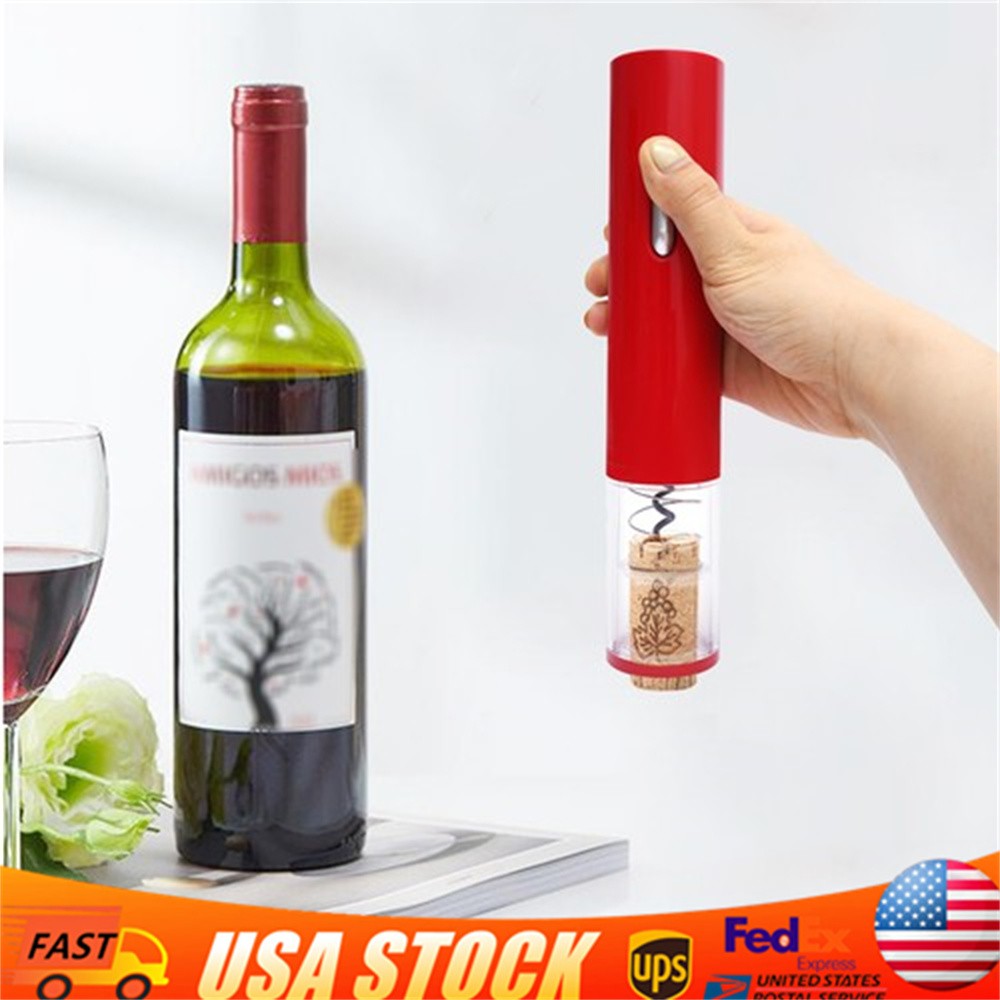 Electric Wine Opener, Automatic Cordless Wine Bottle Opener w/Foil Cutter Red$4.04View on eBay
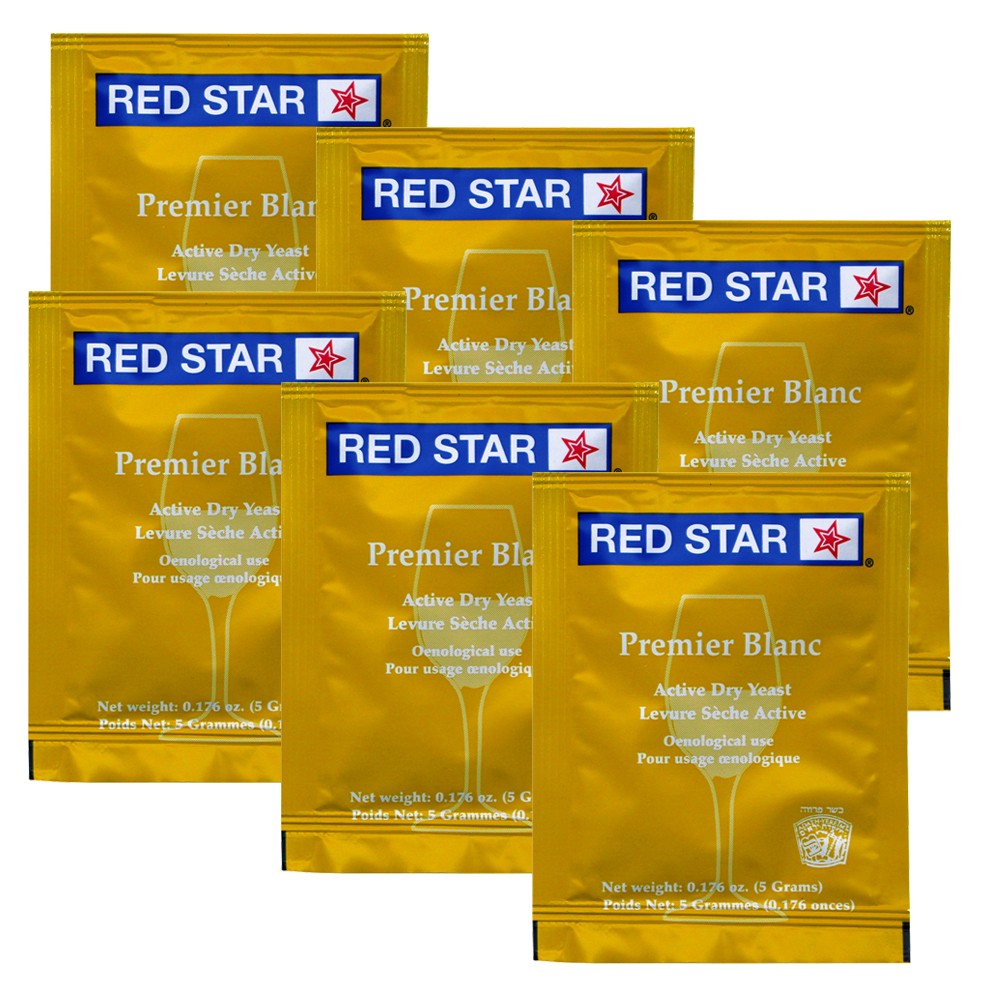 WINE YEAST 6 PACK RED STAR Premier Blanc Fermentis Champagne Yeast$7.69View on eBay
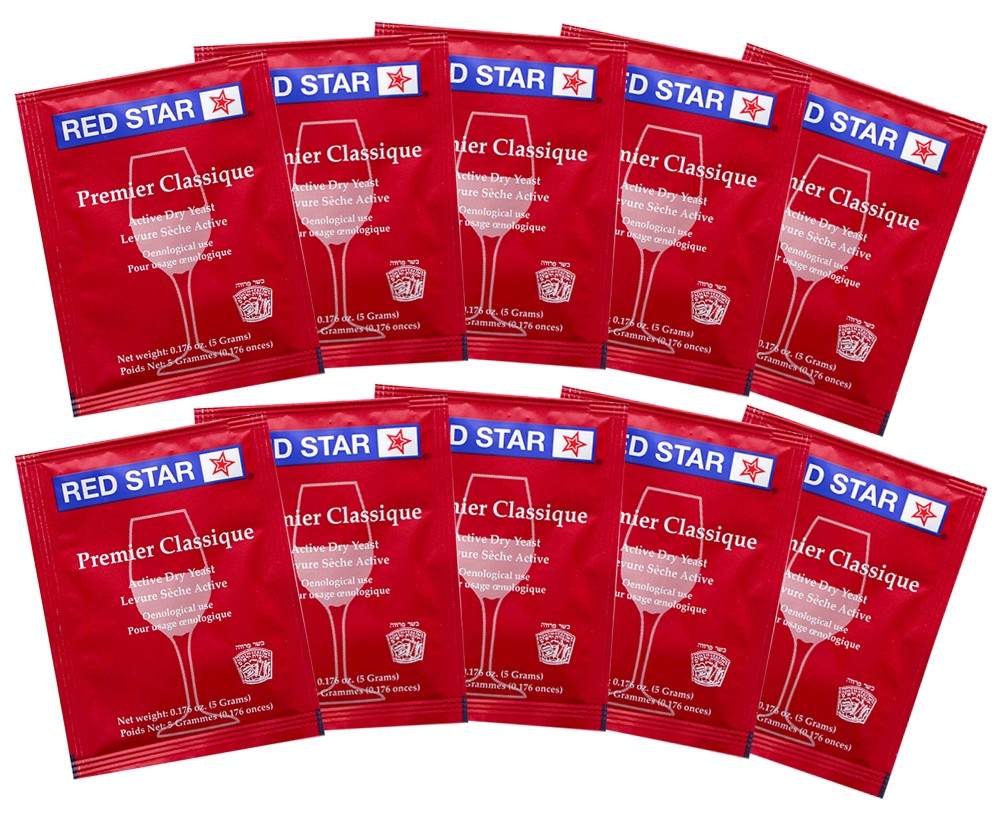 Wine Yeast Red Star Premier Classique Formerly Montrachet For Wine Making x10$9.47View on eBay
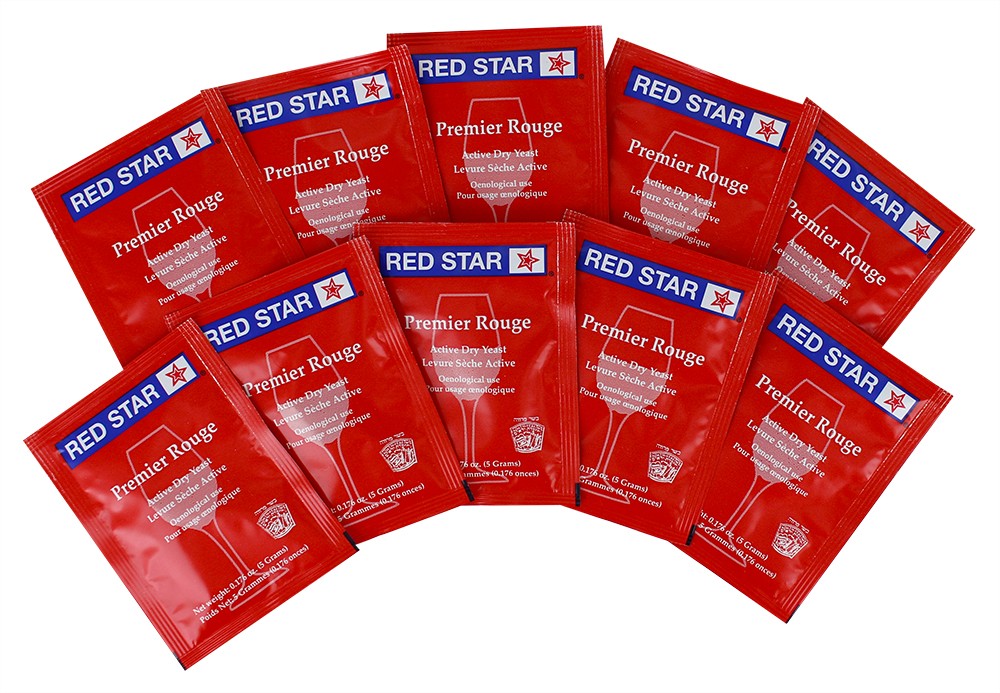 Red Star Premier Rouge formerly Pasteur Red Dried Wine Yeast (10 Packets)$10.33View on eBay
Highlights
- Cabernet Sauvignon and Bordeaux blends deliver high tannin and 13.5-15% ABV, needing decanting or 2-5 years of bottle age to soften.
- Pinot Noir and Beaujolais are low-tannin, high-acid, 12-13.5% ABV wines built for immediate drinking within 1-4 years of vintage.
- Napa Valley Cabernet carries a mandated AVA label; sub-AVA designations like Oakville or Rutherford indicate stricter sourcing and higher tier.
- Syrah/Shiraz and Zinfandel sit mid-to-high in tannin and alcohol (14-15.5%), with Shiraz showing riper fruit than cool-climate Syrah.
Best use cases
- Steak, lamb, and aged cheese: pick a Napa or Bordeaux Cabernet Sauvignon with firm tannin; skip light Pinot Noir, which gets overpowered.
- Weeknight glass or salmon and roast chicken: choose Pinot Noir or Beaujolais at 12-13.5% ABV; skip 15% ABV Zinfandel, which feels hot without food.
- Cellaring 3-10 years: buy structured Cabernet, Syrah, or Barolo with high tannin and acid; skip Beaujolais and unoaked Pinot Noir for aging.
- Party pours and sangria: use a labeled varietal or regional blend at 12.5-13.5% ABV; skip trophy single-vineyard bottles that get lost in the mix.
Buying tips
- Match tannin to fat: high-tannin Cabernet/Syrah for red meat, low-tannin Pinot Noir/Beaujolais for poultry and fish.
- Check ABV on the label: 12-13.5% for food-friendly, lower-alcohol pours; 14-15.5% signals riper, bolder style.
- Prefer labeled vintage and AVA over 'red blend' or 'California red'; varietal and appellation labels indicate traceable sourcing.
- For aging, buy bottles with natural cork and structured tannin; screw-cap is fine for 1-3 year drinking but limits long-term oxygen exchange.
Specs
| Grape Variety | Cabernet, Pinot Noir, Syrah, Merlot, Zin |
|---|---|
| Tannin Level | Low (Pinot) to High (Cabernet, Nebbiolo) |
| ABV Range | 12-15.5% (light to bold styles) |
| Closure Type | Natural cork / synthetic / screw cap |
Related searches
What to check before buying
- Confirm bottle size (750ml standard vs 1.5L magnum) and that your rack or fridge slot accommodates the height and diameter.
- Check cellar or storage temperature: 55°F / 13°C ideal; above 70°F accelerates aging and flattens fruit.
- Verify closure type (natural cork, synthetic, screw cap) against your intended drink window and aging plan.
- For shipping, confirm state alcohol delivery rules and adult signature requirement before ordering.
FAQ
Data sources: eBay / Amazon listings and product attribute feeds Data updated Nov 18, 2026.
Some links on this page are affiliate links. If you buy after clicking one, we may earn a commission at no extra cost to you. This does not change which products appear here or their order. Affiliate disclosure.