Photos from current listings. Actual item, color, and included accessories may vary.
Pinot Noir Buying Guide
Pinot Noir is a thin-skinned, cool-climate red grape that produces light-to-medium body wines with high acidity and delicate red-fruit aromatics; the core trade-off is site transparency and elegance versus concentration and ripeness. The decision rule: buy by appellation and producer style—Burgundy for terroir-driven structure, Oregon for fruit-forward balance, California for riper extraction—and avoid vague multi-region blends when you want varietal typicity.


At a glance
- Category
- Beer, Wine & Spirits
- Data updated
- Nov 18, 2026
Current offers
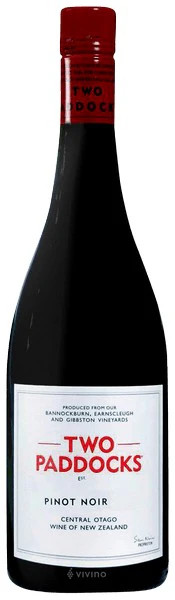 Two Paddocks - Pinot Noir 2023 (750ml)$58.99
 View on eBay
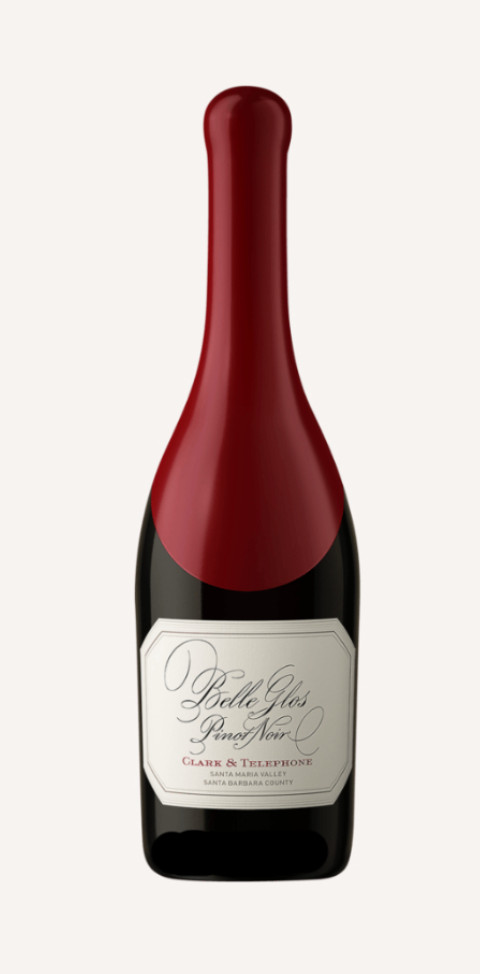 Belle Glos Clark & Telephone Pinot Noir 2023 *3 BOTTLES* x 750ml *FREE SHIPPING*$104.97View on eBay
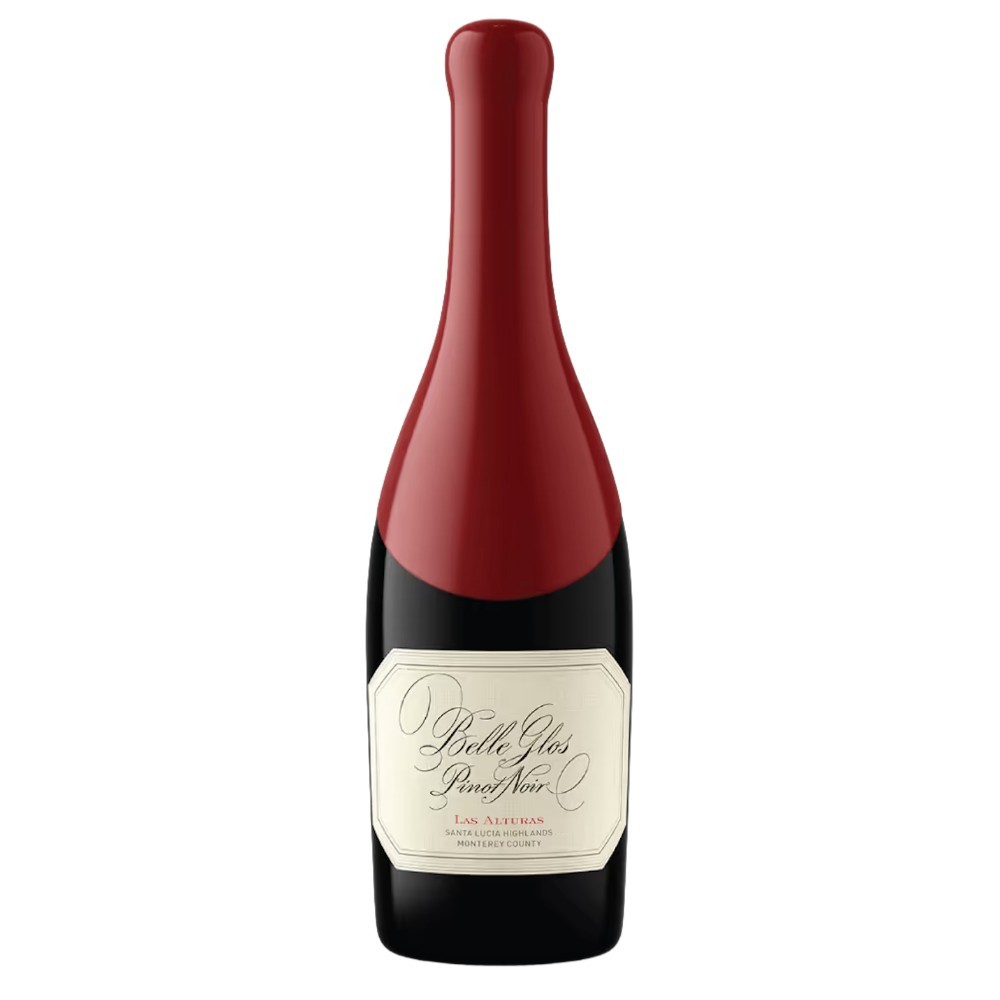 Belle Glos Las Alturas Vineyard Pinot Noir 2022 *3 BOTTLES* 750ml *FREE SHIPPING$110.97View on eBay
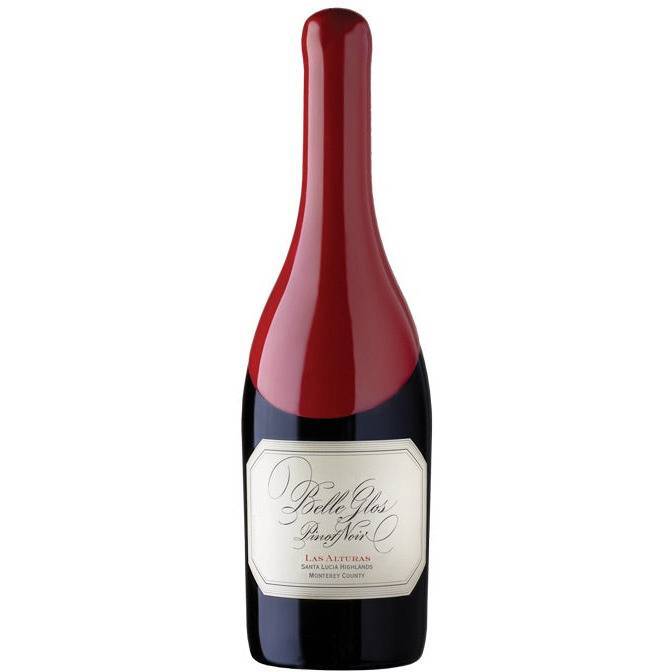 Belle Glos Las Alturas Pinot Noir 2024 (750ml) ***12 Bottles, Free Shipping***$415.98Last checked Nov 18, 2026View on eBay
Highlights
- Thin skins mean low tannin and pigment: color ranges pale ruby to medium garnet, so a deep opaque Pinot usually signals warm-climate extraction or blending.
- Burgundy classifies by vineyard, not brand: village, Premier Cru, and Grand Cru tiers reflect site specificity and aging potential, not just quality.
- California Pinot spans cool coastal fog sites (Sonoma Coast, Santa Rita Hills) to warm inland valleys; riper styles push alcohol above 14.5% ABV and mask acidity.
- Oregon's Willamette Valley is subdivided into AVAs (Dundee Hills, Eola-Amity Hills, Ribbon Ridge) where marine sediment and volcanic soils drive distinct red-fruit vs earthy profiles.
Best use cases
- Best fit: choose Burgundy village-level or Premier Cru for food-driven elegance with roast poultry; skip warm-climate California Pinot if you want high-acid structure.
- Best fit: choose Willamette Valley (Oregon) for bright cherry and approachable tannin at mid-tier pricing; skip multi-appellation California blends when seeking site typicity.
- Best fit: choose Sonoma Coast or Santa Rita Hills for riper, fuller-bodied Pinot to pair with grilled salmon; skip these if you prefer delicate, low-alcohol styles.
- Best fit: choose single-vineyard designated bottlings (e.g., Las Alturas, Clark & Telephone) for concentrated, vineyard-specific character; skip anonymous 'California' bottlings for everyday value only.
Buying tips
- Read ABV: 12.5–13.5% signals cool-climate restraint and food versatility; 14.5%+ signals warm-climate ripeness and fuller body.
- For aging potential, prioritize Burgundy Premier/Grand Cru or Oregon single-vineyard bottlings with structured tannin; entry-level Pinot is best consumed within 3–5 years.
- Check appellation specificity: 'Bourgogne Rouge' is the broad regional tier, while village, Premier Cru, and Grand Cru designations narrow to a single commune or vineyard.
- Vintage matters in cool climates: 2021 Burgundy and 2020 Oregon were low-yield, concentrated years; 2023 California offers freshness after a cool growing season.
Specs
| Grape & Color | Pinot Noir / pale ruby-red |
|---|---|
| Body & Tannin | Light-medium body / low tannin |
| Key Regions | Burgundy, Oregon, California |
| Serving Temp | 55-60°F (13-16°C) |
Related searches
What to check before buying
- Confirm bottle size: standard 750ml; magnums (1.5L) age slower and are for gatherings, not solo drinking.
- Verify provenance and storage: eBay and auction bottles need confirmation of cellar temperature and upright shipping to avoid cork taint or heat damage.
- Match closure to intent: natural cork suits aging; screwcap preserves freshness for early-drinking styles.
- Check shipping laws for your state: wine shipments require adult signature and compliance with direct-to-consumer regulations.
FAQ
Data sources: eBay / Amazon listings and product attribute feeds Data updated Nov 18, 2026.
Some links on this page are affiliate links. If you buy after clicking one, we may earn a commission at no extra cost to you. This does not change which products appear here or their order. Affiliate disclosure.