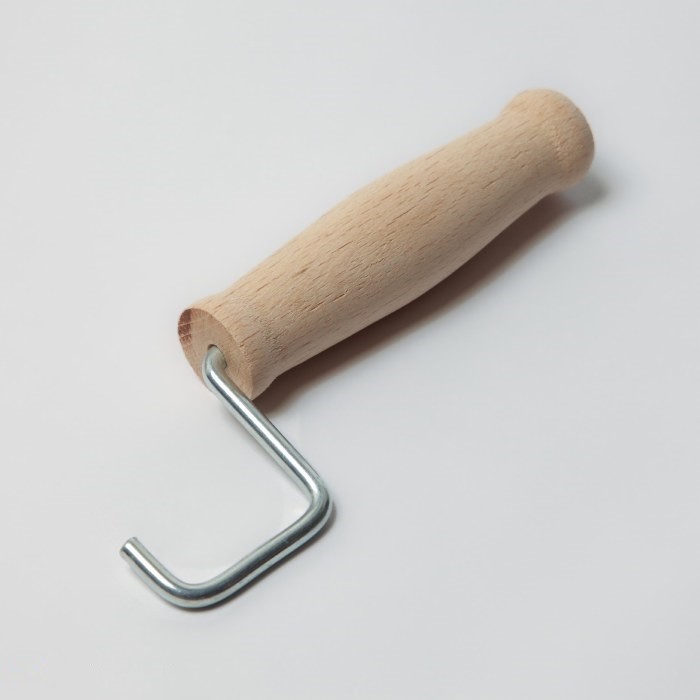

Photos from current listings. Actual item, color, and included accessories may vary.
Champagne Bottle Buying Guide
Champagne bottles are pressure-rated glass vessels built to hold 5-6 atmospheres of CO2, defined by thicker walls, a deep punt, and a reinforced neck finished for crown caps or corks. The core trade-off is pressure safety and closure compatibility: you must match bottle glass rating, neck finish, and closure type (cork+wire cage vs crown cap) to your carbonation method. Choose pressure-rated champagne glass for bottle-conditioned sparkling wine or Belgian-style beer; skip decorative or still-wine bottles that lack the wall thickness and neck geometry to hold carbonation.


At a glance
- Category
- Beer, Wine & Spirits
- Data updated
- Nov 18, 2026
Current offers
Highlights
- Champagne glass is rated for roughly 5-6 bar (72-87 psi); standard still-wine bottles are not pressure-rated and can fail under carbonation.
- Heavy champagne bottles use thicker walls and a deeper punt to resist internal pressure; lighter bottles are for still wine only.
- Neck finish determines closure: cork-and-wire-cage (muselet) for traditional sparkling, or crown-cap finish for beer-style bottle conditioning.
- Belgian beer bottles often share champagne-style pressure ratings but use crown caps; champagne bottles need a corker and wire muzzle twister for cork closure.
Best use cases
- Home sparkling wine or cider bottle-conditioning: pick pressure-rated champagne bottles with cork-and-cage finish; skip still-wine bottles entirely.
- Belgian-style bottle-conditioned beer: choose pressure-rated Belgian beer bottles with crown-cap finish; skip champagne cork closures unless you own a corker.
- Mini champagne bottles for favors or single servings: select pressure-rated mini bottles with crown-cap or cork finish; skip decorative mini bottles not rated for carbonation.
- Still wine storage or gifting: standard wine bottles are fine and cheaper; do not pay a premium for champagne glass unless carbonation is planned.
Buying tips
- Match the closure system: cork-and-wire-cage finish needs a floor corker and muselet twister; crown-cap finish needs only a bench capper.
- Verify pressure rating: choose bottles explicitly rated for 5-6 bar or described as champagne/Belgian beer bottles; still-wine glass is unsafe for carbonation.
- Check neck diameter: crown-cap champagne bottles accept standard 26 mm crown caps; cork-finish bottles need champagne corks and wire cages sized to the neck.
- For mini bottles, confirm they are pressure-rated and match your capper or corker; decorative minis often use non-standard neck finishes.
Specs
| Glass Pressure Rating | 5-6 bar (72-87 psi) sparkling-rated |
|---|---|
| Closure Type | Cork+wire cage vs 26 mm crown cap |
| Bottle Style | Champagne / Belgian beer / still wine |
| Size Format | Standard 750 mL / mini 187 mL |
Related searches
What to check before buying
- Measure your capper or corker opening and confirm it accepts champagne bottle neck diameters (typically wider than standard wine bottles).
- Confirm your carbonation level: 5-6 volumes CO2 requires champagne-rated glass; lower carbonation may suit Belgian beer bottles.
- Check closure inventory: standard 26 mm crown caps for crown-finish bottles; champagne corks plus wire cages and a twister for cork-finish.
- Verify bottle height and base diameter fit your storage racks, fridges, and shipping boxes before committing to a case quantity.
FAQ
Data sources: eBay / Amazon listings and product attribute feeds Data updated Nov 18, 2026.
Some links on this page are affiliate links. If you buy after clicking one, we may earn a commission at no extra cost to you. This does not change which products appear here or their order. Affiliate disclosure.