Which Kitchen Tools Matter Most for Food Safety at Home?
A common-question explainer on the kitchen tools most often linked to home food safety: thermometers, cutting boards, cleaning tools, and storage containers—and why their condition, separation, and care matter.
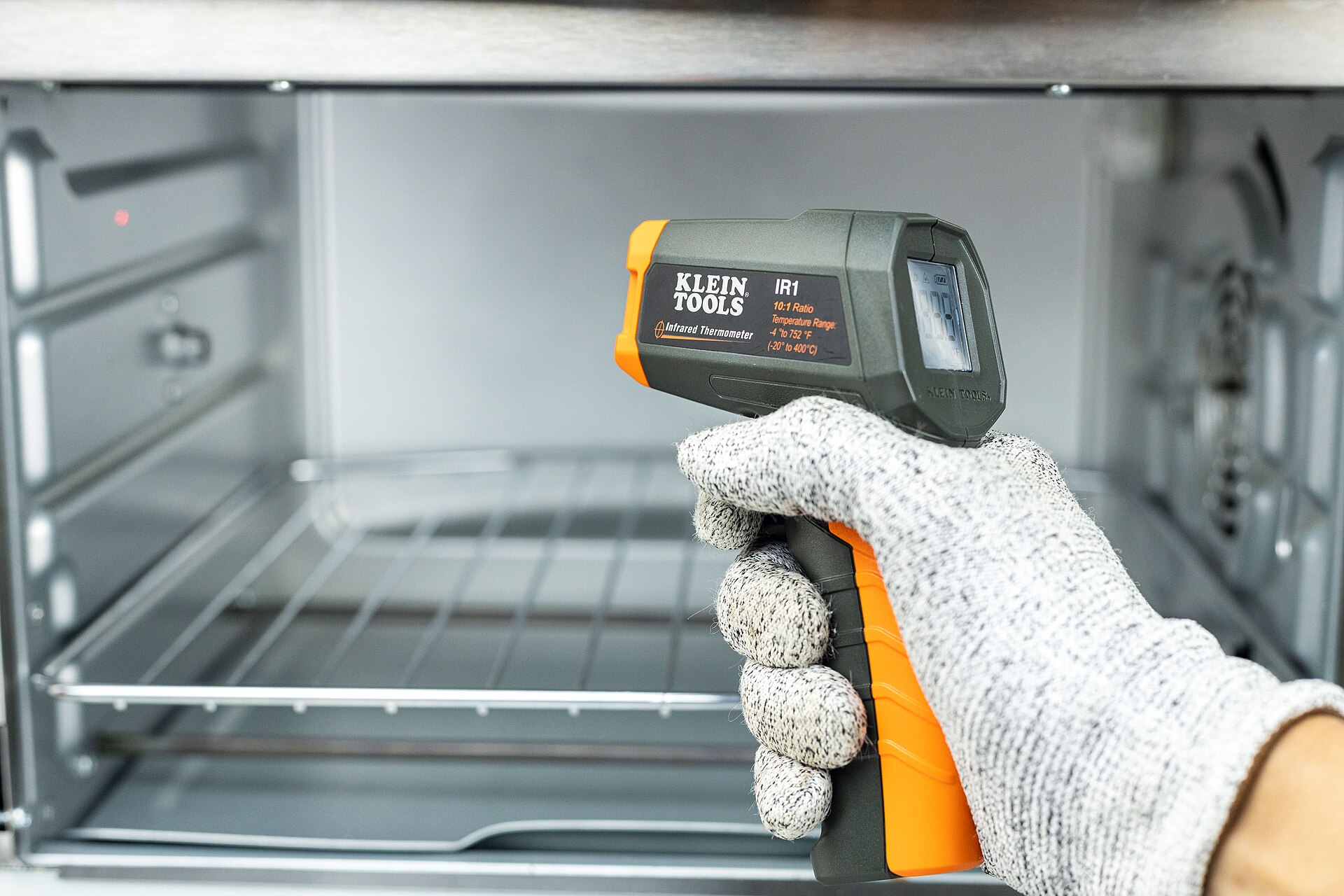
Cover: Own work · Wikimedia Commons · CC BY-SA 4.0
Question: Which kitchen tools matter most for food safety at home?
The short answer
Public food-safety guidance tends to emphasize a few tool categories rather than one “best” gadget. A food thermometer, cleanable cutting surfaces, washable utensils and work surfaces, and suitable storage containers appear repeatedly because they support separation, cleaning, and temperature control. Their usefulness depends less on brand than on condition, cleanability, and how they fit into the kitchen routine.
Why a thermometer is often the first tool mentioned
A food thermometer helps take the guesswork out of whether food has reached a safe internal temperature and can also support cooling and reheating practices. Public agencies encourage thermometer use because appearance, color, and timing alone are not reliable indicators. Useful features include clear markings, a stable probe, and a design that is easy to clean and store.
Cutting boards and cross-contamination
Cutting boards are a common focus because they contact both raw ingredients and ready-to-eat foods. Food-safety guidance emphasizes keeping raw animal foods separate from foods that will not be cooked, and cleaning or using separate surfaces between tasks. Board material matters less than condition and cleanability; deeply scratched or cracked boards can be harder to clean thoroughly.
Cleaning tools count too
Cloths, sponges, brushes, scrapers, and dish towels are kitchen gear as much as pots and knives are. They can move germs around if used across tasks without adequate cleaning and drying. Public guidance commonly discusses washing, drying, and replacing cleaning tools when they become worn, persistently odorous, or difficult to clean.
Storage containers and organization
Containers, lids, racks, and labels help keep foods separated and make leftovers easier to identify. Useful storage gear is clean, fits well enough to limit spills, and is easy to wash. Clear containers and simple labeling can reduce the tendency to lose track of what is in the refrigerator.
When gear may need replacement
Replacement is usually a judgment based on condition rather than a fixed calendar. Cracks, deep scratches, rust, loose handles, damaged seals, and persistent odors are practical cues that an item may no longer be easy to clean or use as intended. Manufacturer care guidance can help clarify whether an item is repairable, washable, or due for replacement.
Bottom line
The most important kitchen tools for food safety are not necessarily the most expensive ones. They are the tools that help with temperature checking, separation of foods, cleaning, and organized storage—and that are kept in good enough condition to perform those roles.