Which Kitchen Tools Actually Help? A Common-Question Explainer
A practical, source-grounded look at the kitchen tools that tend to earn their space: temperature tools, separate boards, easy-to-clean utensils, and simple storage.
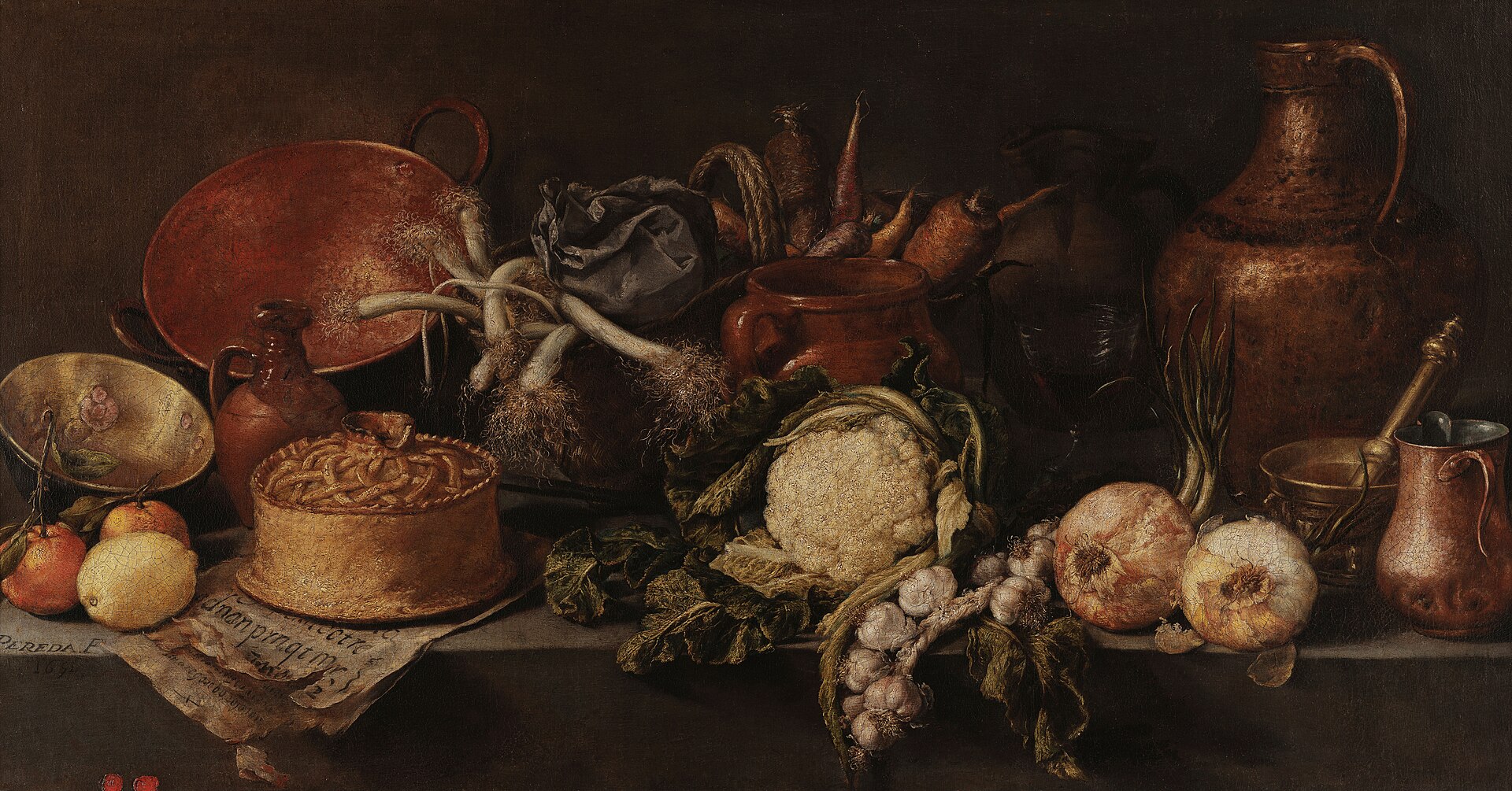
Cover: Google Arts & Culture — still-life-with-vegetables-and-kitchen-utensils-antonio-pereda-y-salgado/NAEce3EBM96CPg · Wikimedia Commons · Public domain
Question: Which kitchen tools are most useful for safer, simpler everyday cooking?
Start with the jobs, not the gadgets
A useful way to evaluate kitchen gear is to ask what job it does in a regular routine: keeping raw and ready-to-eat foods separate, checking temperature, cleaning up, or storing leftovers. Public food-safety guidance from USDA FSIS and FoodSafety.gov emphasizes these practical habits, so tools that make them easier tend to be more valuable than single-purpose novelties.
A food thermometer is a high-value basic
USDA FSIS describes kitchen thermometers as a way to check whether food has reached a safe internal temperature. For home cooks, the larger benefit is consistency: the same tool can support cooking decisions and reduce reliance on visual cues. Choose a thermometer you will actually use and keep it where it is easy to find and clean.
Cutting boards and utensils: separate and clean
USDA FSIS guidance on cutting boards highlights cleaning and separation as key practices, especially when handling raw foods. A practical setup includes boards that are easy to wash and designate for different tasks, plus utensils that do not trap food in hard-to-clean crevices. The goal is not a larger collection but a clearer cleaning routine.
Storage and organization count
FoodSafety.gov's kitchen food-safety guidance connects safe storage with everyday organization. Clear containers, labels, and a place for leftovers can make it easier to keep the kitchen orderly and to know what needs attention first. These are ordinary tools, but they support the routine that keeps cooking simpler.
What to skip or delay
Specialty gadgets can be useful, but they are not the first priority for most kitchens. Before adding another item, consider whether it replaces a task you already do often, whether it is easy to clean, and whether it has a clear storage spot. Public guidance is a better starting point than marketing claims when the question is basic kitchen safety and organization.