How Should You Choose and Maintain Basic Kitchen Gear?
A practical explainer on choosing and maintaining basic kitchen gear, covering task-first selection, material trade-offs, cleaning, food-contact care, storage, and repair questions.
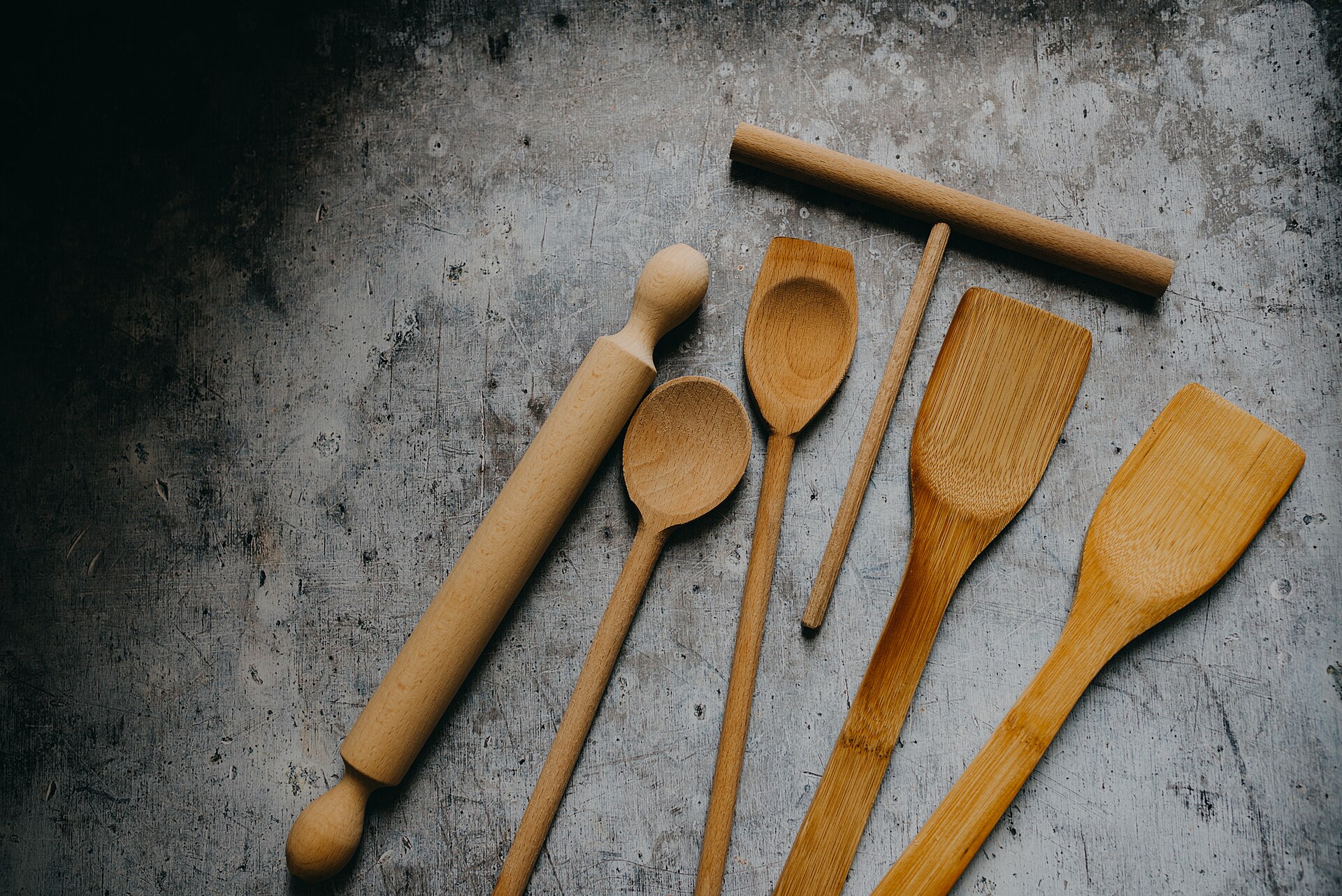
Cover: Own work · Wikimedia Commons · CC BY 2.0
Question: How should you choose and maintain basic kitchen gear without overbuying?
Why start with tasks rather than matching sets?
A useful kitchen collection often starts from the cooking, prep, and storage tasks a household actually does. Someone who mostly reheats or assembles meals may need different gear from someone who bakes or cooks often. Thinking in tasks can reduce duplicate purchases and make storage easier. Buying guides can help with vocabulary, but the first question is what job the item needs to do.
What do material choices change?
Cookware and utensil materials differ in heat conduction, weight, reactivity, and care needs. Stainless steel, cast iron, carbon steel, aluminum, glass, ceramic, and nonstick coatings each have trade-offs, and manufacturer instructions are a key source for a specific item. Some materials may suit certain cooking styles better than others, but no single material is ideal for every task. Labels such as dishwasher-safe or oven-safe refer to particular products and should be checked rather than assumed.
How should knives and cutting boards be considered together?
Knife choice is often about comfort, control, and the cutting tasks a person does. Cutting boards are a food-contact surface, so public food-safety guidance discusses cleaning, cross-contamination, and condition. Wood, plastic, glass, and composite boards have different care needs. Product care instructions can clarify cleaning and maintenance, while food-safety resources often discuss replacing boards that are deeply scored or damaged.
What maintenance and cleaning questions matter?
Before buying, consider how an item will be cleaned and maintained. Some gear needs hand washing, drying, seasoning, or periodic repair, while other items are marketed as dishwasher-safe. The manufacturer's care instructions should be checked for the specific item. Public food-safety resources emphasize cleaning surfaces and utensils and avoiding cross-contamination; those resources complement rather than replace product instructions.
How can storage and organization shape gear choices?
Storage is part of kitchen gear. Bulky appliances, nested bowls, stackable containers, and knife storage can affect whether tools are easy to use and keep organized. Measuring available drawer, cabinet, and counter space before buying can help reduce clutter. Clear labels and designated places can help households keep similar items together, but the right system depends on the kitchen and the people using it.
When might gear need repair or replacement?
Repair or replacement decisions can depend on wear, damage, performance, and the manufacturer's guidance. Loose handles, cracked food-contact surfaces, damaged coatings, or failing appliances may warrant attention. For safety and warranty questions, check the manufacturer's instructions and local guidance rather than assuming a universal rule.