How Should You Choose and Care for a Kitchen Cutting Board?
A practical, evidence-grounded explainer on cutting-board materials, maintenance, storage, and food-safety habits, with attention to how public guidance frames clean surfaces and cross-contamination.
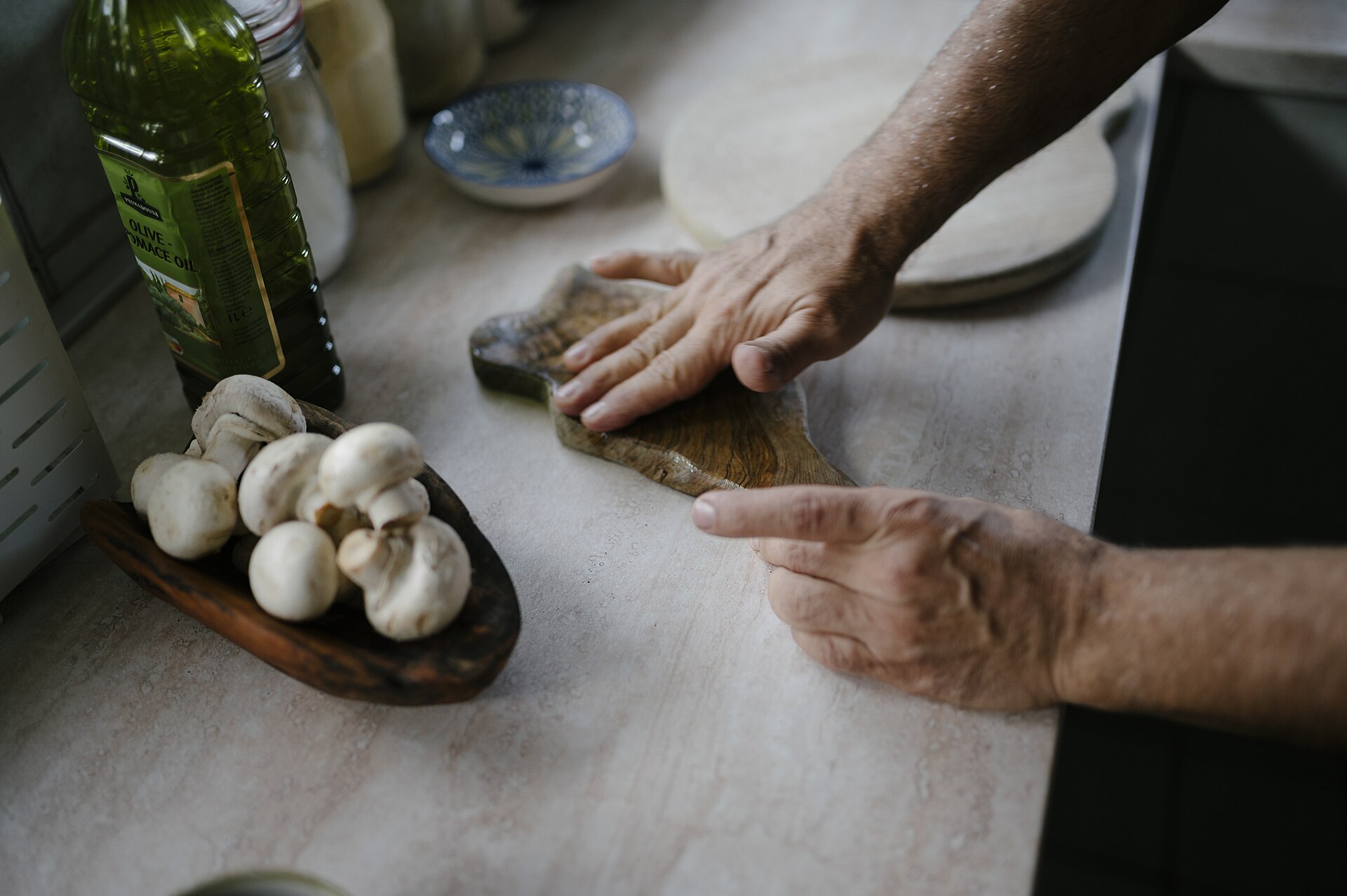
Cover: Own work · Wikimedia Commons · CC BY 2.0
Question: What should home cooks know about choosing and caring for a kitchen cutting board?
The short answer
Choosing a cutting board is less about finding one universally best material and more about matching the board to your kitchen routine. Material, size, weight, storage space, and care requirements all interact. Public food-safety resources tend to focus on cleanable surfaces, routine cleaning, and keeping raw animal foods separate from ready-to-eat foods rather than promoting a single board type.
Why material is only part of the decision
Wood, plastic, bamboo, composite, glass, and stone boards appear in home kitchens, and each brings trade-offs. Wood can be heavy and may call for careful drying; plastic is often lighter but can stain, scratch, or warp; glass and stone are hard and heavy but may feel harsh on knives. These are general material characteristics, not guarantees of performance. A board’s condition and the manufacturer’s care guidance often matter as much as the material label.
What food-safety guidance focuses on
USDA, FDA, and CDC food-safety materials consistently emphasize clean hands, utensils, and surfaces, along with separating raw meat, poultry, seafood, and eggs from ready-to-eat foods. Some households use separate boards for raw animal foods and ready-to-eat items; others clean and sanitize a shared surface between tasks. Public guidance also notes that cracks, deep grooves, and rough surfaces can make thorough cleaning more difficult, so condition is part of the choice.
Care routines and manufacturer instructions
Care guidance varies by board. Manufacturer instructions commonly address washing method, drying position, dishwasher suitability, and whether oiling is appropriate. A board that stays damp or is stored without airflow may be harder to maintain, while a board that fits the sink and drying area is easier to live with. Following the maker’s guidance is a reasonable way to avoid applying one material’s care routine to another.
Size, weight, storage, and comfort
A useful cutting board fits the counter space you actually have, leaves room for the food being prepared, and can be stored without strain. Weight matters for lifting and washing; handles or grips can affect stability; thickness affects clearance and storage. Upright storage with airflow is common in kitchen design, but the right setup depends on cabinet height, counter depth, and how often the board is used.
Questions worth asking before buying
Useful shopping questions include: Where will the board be stored? Can it be washed and dried comfortably in this kitchen? Does the manufacturer provide clear care instructions? Is the surface in good condition, without deep grooves or cracks? Will it be used for raw animal foods, ready-to-eat foods, or both? These questions keep the decision grounded in routine and maintenance rather than marketing claims.
Bottom line
There is no single best cutting board for every kitchen. A sensible choice balances material, size, weight, storage, and care requirements, while food-safety habits center on clean surfaces and separating raw animal foods from ready-to-eat foods. Checking manufacturer guidance and choosing a board that fits your actual washing, drying, and storage routine is more useful than chasing a universal recommendation.