How Do You Choose and Care for Everyday Kitchen Gear?
A common-question explainer on everyday kitchen gear, covering task fit, material tradeoffs, cleanability, storage, and care with references to public food-safety guidance.
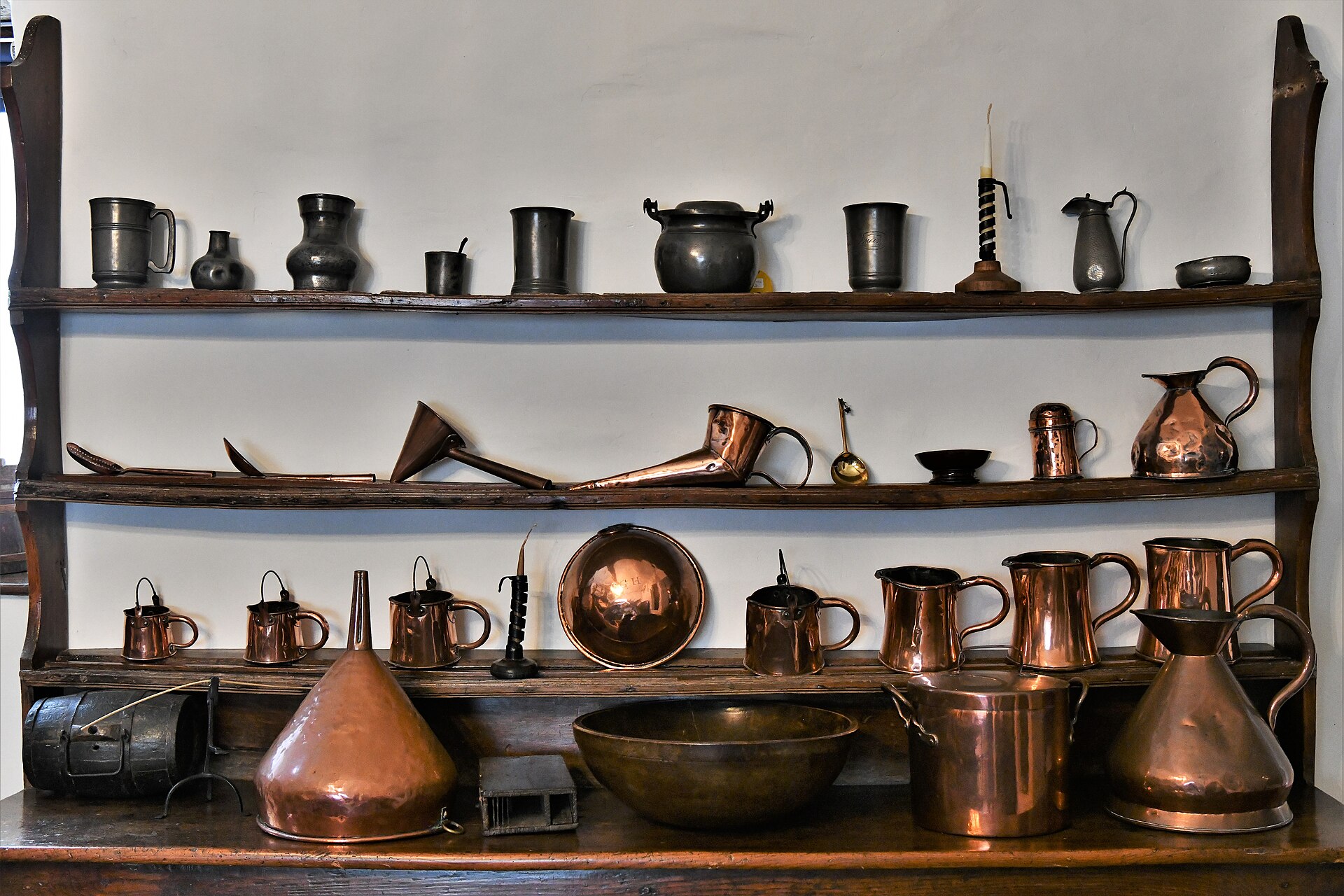
Cover: Geograph Britain and Ireland · Wikimedia Commons · CC BY-SA 2.0
Question: How do you choose and care for everyday kitchen gear?
Start with the tasks, not the catalog
Everyday kitchen gear works best when it matches the cooking a person actually does, the space available, and the cleaning routine they can maintain. A common-question approach is to list recurring tasks such as mixing, chopping, heating, and storing, then compare how a tool would fit those tasks. This keeps the focus on usefulness rather than trend-driven buying.
Look at materials and construction as tradeoffs
Metal, glass, wood, silicone, and coated surfaces differ in weight, heat response, care needs, and how easily they can be inspected and cleaned. Public food-safety resources emphasize that food-contact surfaces be cleanable and maintained, and manufacturer care instructions are a useful part of that picture. Clear care information is often more useful than broad marketing claims.
Plan for storage, cleaning, and workflow
Storage and workflow belong in the decision. Gear that is hard to store may stay unused, while crowded prep areas can make cleaning and separation of foods harder. Public food-safety guidance stresses keeping raw foods separate from ready-to-eat foods and cleaning surfaces that contact food. A simple storage plan, grouping like items and leaving room for drying, can support those habits.
Use care instructions and condition as cues
Care instructions and condition matter more than a one-time rating. Visible cracks, loose handles, difficult-to-clean crevices, or changes in surface condition are common cues to reassess a piece of gear. Following manufacturer guidance for washing and storage helps preserve usability, and public food-safety resources can guide broader kitchen hygiene and temperature control.
Keep food safety separate from gear marketing
Food safety and gear quality are related but not identical. A well-designed tool can make a kitchen easier to organize and clean, yet no single item replaces hygiene, separation of raw and ready-to-eat foods, and temperature control. Checking public guidance from CDC, USDA, and FoodSafety.gov is a practical way to keep gear decisions grounded in verifiable advice.